
Written By: Jeffrey Atlas, Health Content Writer
Medically Reviewed By: Dr. Gopal Grandhige, MD, FACS, Board-Certified Surgeon
Last Reviewed: February 18, 2026
Can gallbladder problems cause acid reflux? Yes, gallstones can trigger inflammation that increases stomach acid production and causes bile to back up into the esophagus, leading to both acid reflux and bile reflux symptoms. While these conditions have different causes, they often occur together and share symptoms like heartburn, regurgitation, and abdominal pain.
The key difference: Gallbladder pain typically appears in the upper right abdomen and may radiate to the back or shoulder, often after fatty meals. Acid reflux produces a burning chest sensation that moves toward the throat. Understanding this connection helps you identify the true source of your discomfort and seek the right treatment.
This guide covers how gallstones disrupt digestion, warning signs of each condition, when to see a doctor, and practical strategies for managing both effectively.
What Does Your Gallbladder Actually Do?
Nestled in the upper right portion of your abdomen, the gallbladder is a small, pear-shaped organ with an important job in your digestive process. It stores bile that your liver produces, which is essential for breaking down dietary fats and helping your body eliminate used red blood cells and various toxins.
The components in bile are specifically designed for fat digestion. When you eat fatty foods, bile releases into your small intestine to help break down and absorb those fats. While this organ plays a significant role in digestion, people can actually live without their gallbladders if necessary.
Grasping how this organ functions makes it easier to identify symptoms when something goes wrong. This understanding helps you recognize warning signs like gallstone-related discomfort or the sudden, intense pain of a gallbladder attack, and emphasizes why getting timely medical care is so important. Catching and treating gallbladder conditions early prevents serious complications down the road.

The Impact of Gallstones on Acid Reflux
Gallstones are solid formations that develop in the gallbladder, and they can significantly disrupt your digestive system while increasing your chances of developing acid reflux. When gallstones cause inflammation in the gallbladder, your stomach responds by producing more acid, which raises your risk for acid reflux and its more persistent form, gastroesophageal reflux disease (GERD).
The problem compounds when inflammation causes bile to flow backward into the stomach and esophagus, creating a condition called bile reflux. Reducing these symptoms often requires avoiding fatty, acidic, and spicy foods, as well as staying upright after meals rather than lying down.
How Inflammation Causes Bile Backup
Gallstones frequently trigger inflammation that disrupts normal digestive function. When the gallbladder becomes inflamed, it can spark a gallbladder attack, bringing severe pain to the upper right abdomen that may extend to the shoulder or back, sometimes accompanied by fever and diarrhea. This inflammation can push bile backward into both the stomach and esophagus, causing significant discomfort and various digestive symptoms. Bile reflux develops when the pyloric valve, the muscular ring connecting the stomach to the small intestine, becomes too relaxed or gets blocked.
When this occurs, bile (the digestive fluid made by your liver) backs up into the stomach, producing intense abdominal discomfort and an unpleasant bitter taste.
How Pressure Builds Up
Gallstones can create increased pressure within the stomach, intensifying acid reflux symptoms. This elevated pressure can push stomach acid upward into the esophagus, causing heartburn and other reflux indicators.
When gallstones generate this pressure buildup, the result is often severe abdominal discomfort described as a burning sensation in the chest area. These symptoms tend to be particularly noticeable after consuming fatty or greasy meals, which can aggravate the condition.
Understanding How Bile Reflux Relates to Acid Reflux
Bile reflux and acid reflux share a close relationship and can produce similar symptoms, though they’re distinct conditions. Bile reflux happens when bile, the digestive fluid your liver makes, flows backward into the stomach and occasionally reaches the esophagus. Acid reflux, by contrast, occurs when stomach acid travels back up into the esophagus. Both conditions can trigger heartburn, regurgitation, and abdominal pain, but bile reflux tends to be more severe and can cause greater damage to the esophageal lining.
Bile reflux sometimes develops as a complication of acid reflux, and in some cases, bile becomes the main irritant affecting the esophagus. While the symptoms overlap considerably, bile reflux can specifically cause a burning stomach ache, heartburn, sore throat, regurgitation of stomach contents, nausea, indigestion, and vomiting that includes bile. Recognizing these symptoms helps you identify which condition you’re dealing with and pursue the right treatment from a Tampa reflux specialist.

Telling Gallbladder Pain Apart from Acid Reflux
Distinguishing between acid reflux symptoms and gallbladder pain presents a challenge since both create abdominal discomfort. According to Cleveland Clinic, paying attention to where the pain occurs and how it feels helps identify the actual source.
Gallbladder-related pain typically appears in the upper right abdomen and may radiate to the back or shoulder. Acid reflux symptoms, however, center in the mid-chest and tend to move upward toward the throat. Understanding these distinctions is essential for pursuing appropriate treatment and getting relief.
Where the Pain Occurs and How It Feels
Gallbladder pain, usually stemming from gallstones, concentrates primarily in the upper right portion of the abdomen. You might also feel it as generalized abdominal discomfort that spreads toward the back and between the shoulder blades. This pain tends to feel sharp and cramping, often brought on by eating high-fat or greasy meals.
Acid reflux presents quite differently. It produces a characteristic burning sensation that’s most intense in the chest and may travel up toward the mouth and throat. This specific discomfort is what people commonly call heartburn, a hallmark symptom of acid reflux that can lead to additional related symptoms.
What Sets Off Each Condition and When
The triggers and timing of pain also help distinguish between gallbladder problems and acid reflux. Gallbladder pain, frequently caused by gallstones, usually strikes after eating fatty, fried, or greasy foods and may appear immediately or several hours after the meal.
Acid reflux pain, however, typically surfaces almost right away after eating or following consumption of certain trigger foods. Symptoms often worsen when bending forward or lying flat after eating, another way to tell it apart from gallbladder pain. Johns Hopkins Medicine notes that understanding these patterns is crucial for proper diagnosis.
How Doctors Diagnose These Conditions
Getting an accurate diagnosis for gallbladder disease and acid reflux can be tricky because the symptoms overlap. Still, certain key differences help doctors pinpoint the correct condition. Gallbladder disease commonly causes upper abdominal pain, especially in the upper right area, while acid reflux more typically produces chest pain. Additionally, gallbladder disease often leads to nausea and vomiting, whereas acid reflux usually causes food regurgitation.
Doctors may use imaging tests like ultrasound or CT scans to detect gallstones or gallbladder inflammation when diagnosing gallbladder disease. Blood tests can also reveal signs of infection or inflammation. For acid reflux diagnosis, an endoscopy might be performed to check for esophageal inflammation or damage, and a pH test can measure acid levels in the esophagus. Getting the right diagnosis is vital for effective treatment and ongoing management.
When You Should See a Doctor
Persistent severe abdominal pain, nausea, vomiting, or unexplained weight loss all warrant a visit to your healthcare provider. Gallbladder pain can be intense enough to wake you from sleep, particularly following fatty meals. Without proper treatment, these issues can progress to more serious complications.
Similarly, ongoing heartburn and other acid reflux symptoms deserve medical attention. If abdominal discomfort continues or gets worse, seeking prompt evaluation for potential conditions like hiatal hernia becomes essential. Some situations may require surgical intervention to resolve the underlying problem. The American College of Gastroenterology recommends seeking evaluation if symptoms persist despite lifestyle modifications.

Treatment Approaches for Both Conditions
Treatment strategies for acid reflux and gallbladder disease vary based on how severe the condition is and the patient’s overall health history. These approaches are customized to individual health needs and may include medications, surgical options, or both.
For most patients, initial treatment combines medications with lifestyle modifications. If symptoms become more serious, surgery may be necessary to relieve discomfort and prevent further health problems. You can learn more about treatment options by visiting our blog.
Medications and Lifestyle Modifications
Medications play a central role in managing symptoms associated with acid reflux and gallbladder issues. Mild acid reflux often responds well to over-the-counter remedies combined with lifestyle adjustments. For patients with small gallstones, doctors may prescribe medications designed to dissolve cholesterol-based stones. Maintaining healthy habits through balanced nutrition and regular physical activity can also help reduce symptoms.
Combining prescribed medications with appropriate lifestyle changes is key to effectively managing symptoms of both conditions. Harvard Health emphasizes that working with your healthcare provider helps determine the treatment approach that’s right for your specific situation.
Surgical Options
When medications and lifestyle changes don’t provide adequate relief, surgery may become necessary. Certain conditions, such as gallbladder polyps, may require removing the gallbladder. This procedure, called cholecystectomy, is commonly performed to eliminate pain and prevent future gallstone formation. Most gallbladder surgeries today are done laparoscopically through small incisions.
After surgery, bile flows directly into the small intestine since the gallbladder is no longer there to store it. This can occasionally cause bile reflux, which can be controlled with medications like proton pump inhibitors (PPIs) and hydrotalcite to protect the stomach lining. For reflux that persists after gallbladder surgery, procedures like fundoplication may provide lasting relief.
What Happens If You Don’t Treat These Conditions
Leaving gallbladder disease and acid reflux untreated can lead to severe complications. Gallbladder disease can progress to infections, abscesses, perforations, and even cancer. Untreated acid reflux can inflame the esophagus, cause scarring, and trigger cellular changes known as Barrett’s Esophagus, which increases the risk of esophageal cancer.
Neglected gallbladder disease can also result in bile reflux, which inflames the stomach lining (gastritis) and raises the likelihood of developing stomach ulcers and stomach cancer. Acid reflux can similarly increase esophageal cancer risk and other serious health concerns. According to WebMD, you should seek medical care immediately if you experience severe abdominal pain, vomiting, fever above 101.5°F (38.6°C), yellowing of the skin (jaundice), or dark urine, particularly if you have a history of gallstones or gallbladder disease. Early diagnosis and treatment can prevent complications and dramatically improve your quality of life.
Steps to Prevent Both Conditions
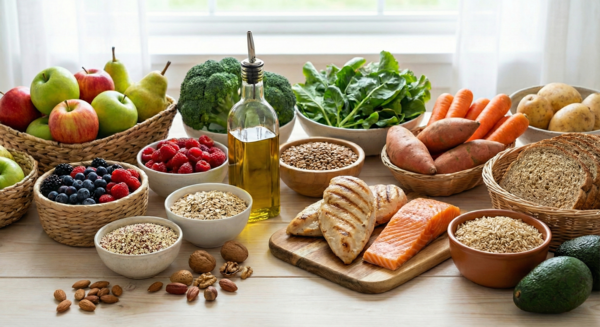
Taking proactive measures significantly reduces your risk of developing gallbladder disease and acid reflux. Incorporating fiber-rich foods like fruits, vegetables, and whole grains into your diet helps prevent gallstone formation. Selecting healthy fats such as olive oil, along with lean proteins like chicken, turkey, and fish, supports gallbladder health.
Maintaining a healthy weight and eating smaller portions helps reduce abdominal pressure, which could contribute to both gallbladder and reflux complications. The NHS recommends consulting with a healthcare professional before making major dietary changes or attempting rapid weight loss, which can actually increase gallstone risk. For those struggling with weight-related reflux, incisionless weight loss procedures may offer a solution.
Conclusion
Understanding the connection between your gallbladder and acid reflux empowers you to take control of your digestive health. These two conditions often influence each other, with gallstones triggering inflammation that increases stomach acid production and causes bile to flow backward into the esophagus. Recognizing the distinct symptoms of each condition, whether it’s the sharp upper right abdominal pain of gallbladder issues or the burning chest sensation of acid reflux, helps you seek the right treatment promptly.
By maintaining a healthy diet rich in fiber and lean proteins, staying at a healthy weight, and avoiding fatty or greasy foods, you can significantly reduce your risk of developing both conditions. The American Gastroenterological Association and MedlinePlus offer additional resources for managing digestive health.
If symptoms persist or worsen, don’t hesitate to consult a healthcare provider, as early intervention prevents serious complications and puts you on the path to lasting relief. You may also want to explore advanced treatment options such as the LINX Reflux Management System or TIF procedure for long-term relief. Additionally, related conditions like silent reflux (LPR), achalasia, and gastroparesis may require specialized evaluation by experienced hiatal hernia doctors. Contact us today to schedule a consultation and learn more about our team.
FAQs
Can gallbladder problems cause acid reflux?
Yes, gallstones can trigger inflammation that increases stomach acid production and causes bile to back up into the esophagus. This creates conditions that lead to both acid reflux and bile reflux symptoms.
What’s the difference between bile reflux and acid reflux?
Acid reflux involves stomach acid flowing back into the esophagus, while bile reflux occurs when bile from the liver backs up into the stomach. Both cause similar symptoms like heartburn, but bile reflux often produces a bitter taste and can cause more severe esophageal damage.
Will removing my gallbladder stop my acid reflux?
Gallbladder removal eliminates gallstone-related issues but may actually cause bile reflux since bile flows directly into the small intestine. Your doctor can prescribe medications like proton pump inhibitors to manage any post-surgery reflux symptoms.
What foods should I avoid if I have both gallbladder issues and acid reflux?
Steer clear of fatty, fried, greasy, acidic, and spicy foods as these can aggravate both conditions. Opt instead for fiber-rich foods, lean proteins, and healthy fats like olive oil.
When should I see a doctor for gallbladder or acid reflux symptoms?
Seek medical attention if you experience severe abdominal pain, persistent heartburn, nausea, vomiting, fever, jaundice, or unexplained weight loss. Early diagnosis prevents serious complications like infections, ulcers, or increased cancer risk.


An endoscopy cannot tell you if you have reflux. It can only tell you if you have complications of GERD.
If you are unhappy with your reflux symptoms, come in and we can discuss testing and treatments that can accurately diagnose your problem.
#reflux #gerd #hiatalhernia #gastroparesis #linx

CALL US AT 813-922-2920
www.tampareflux.com
If you have a hiatal hernia and fit one of these categories, you should know your options.
Dr. Grandhige is an expert in his field and performs 200 of these surgeries a year. He is the only surgeon in the Tampa Bay Area who offers all surgical options - LINX, Fundoplications, TIF and will be one of 20 surgeons in America introducing the latest procedure RefluxStop in 2026.
We accept most insurances but will verify yours before you come in. These procedures are considered medically necessary and covered by your insurance. You can expect to pay your in-network deductibles and nothing else.
#hiatalhernia #reflux #GERD #LINX #refluxstop
What causes reflux ?
1. Weak lower esophageal sphincter
2. Hiatal hernia
3. Flattening of the Angle of His
4. Poor esophageal motility
5. Gastroparesis (slow stomach)
NOT increased acid production
Don’t let GERD get in the way of living your life. Request your appointment with us today on the link below.
.
.
.
.
https://tampareflux.com/contact-us/
Anyone can be victim to GERD and though weight loss can help reduce GERD symptoms. Many athletes with high impact workouts may continue to have these symptoms. This may be a symptom of a hiatal hernia or other issue. We are more then happy to assist you in finding your solution, just click the link below.
.
.
.
https://tampareflux.com/contact-us/
##healthylifestyle #workout #athletereflux #PPIs #heartburn #LINX #fundoplication #TIF #GERD#tampaheartburn #linx #TIF #fundoplication #tampabayreflux #GERD #acidreflux #acidrefluxsurgery #stopreflux
#nonsurgicalweightloss #ESG #gastricballoon #weightlossjourney #vsg #vsgjourney #spatz3 #orbera #orberaballoon #grandhige #DrG
#tampabayrefluxinstitute #guthealth #roboticsurgery
Heartburn may seem like an annoyance. But if you find yourself having symptoms on a daily basis, it may be time to to talk to Dr. Grandhige as it could be a symptom of something worse.
.
.
.
#chronicheartburn #gerdsymptoms #heartburnrelief #reflux #PPIs #heartburn #LINX #fundoplication #TIF #GERD#tampaheartburn #linx #TIF #fundoplication #tampabayreflux #GERD #acidreflux #acidrefluxsurgery #stopreflux
#nonsurgicalweightloss #ESG #gastricballoon #weightlossjourney #vsg #vsgjourney #spatz3 #orbera #orberaballoon #grandhige #DrG
#tampabayrefluxinstitute #guthealth #roboticsurgery
If you are tired of avoiding your favorite foods or taking daily medications, we can help.
We are the Tampa experts in reflux ! With years of experience and thousands of patients treated successfully, we offer all FDA approved anti-reflux procedures.
Call 813-922-2920 to schedule your appointment
All major insurances accepted.
Not all patients need surgical intervention. Many patients are living a heartburn free life with their PPIs. However 40% of patients taking PPIs are not getting the relief they need. If you are one of those, you have options! Come in and find out more.
.
.
.
.
#letushelpyou #medsnotworking #reflux #PPIs #heartburn #LINX #fundoplication #TIF #GERD#tampaheartburn #linx #TIF #fundoplication #tampabayreflux #GERD #acidreflux #acidrefluxsurgery #stopreflux
#nonsurgicalweightloss #ESG #gastricballoon #weightlossjourney #vsg #vsgjourney #spatz3 #orbera #orberaballoon #grandhige #DrG
#tampabayrefluxinstitute #guthealth #roboticsurgery
#heartburn #stopreflux #hiatalherniarepair #severeheartburn #reflux #tampabayreflux #acidrefluxsurgery #tampaheartburn #GERD #PPIs #achalasia #LINX #TIF #tampareflux #fundoplication #stomach #digestivehealth #ESG #obesity #overweight #weightlossjourney #gastricballoon


