

Written By: Jeffrey Atlas, Health Content Writer
Medically Reviewed By: Dr. Gopal Grandhige, MD, FACS, Board-Certified Surgeon
Last Reviewed: April 19, 2026
Yes, kidney stones can trigger heartburn and acid reflux, though the link is indirect. The intense pain from a kidney stone activates the body’s stress response and shares nerve pathways with the digestive tract, disrupting stomach function and often leading to heartburn, nausea, and other GI symptoms. Each year, roughly 600,000 Americans develop kidney stones, and studies show a measurable overlap with digestive disorders. Up to 30% of new IBS cases emerge after a kidney stone episode, and long-term use of acid-reflux medications like PPIs has been associated with a 12 to 19% higher risk of forming stones in the first place.
At Tampa Bay Reflux Institute, we see this kidney and gut connection often. This guide explains exactly how kidney stones cause heartburn, what other digestive symptoms to watch for, when to seek medical care, and how treatment strategies can address both conditions together.
How Common Are Kidney Stones and What’s Their Impact?
Understanding kidney stones matters for both individuals and medical professionals. These stones represent a major health concern due to their tendency to recur. They’re also responsible for significant pain and additional complications.
Kidney Stone Statistics Across the United States
Approximately 12% of people will experience kidney stones at some point in their lifetime. Without proper preventive measures, between 50 to 80% of individuals will develop another stone within a decade. This underscores the importance of recognizing risk factors and prevention strategies.
Kidney stones pose a significant health challenge in America. Their frequency has steadily climbed over the decades. Contributing factors include dietary patterns, environmental conditions, and genetic predispositions in certain regions.
Typical Symptoms and Potential Complications
Kidney stone symptoms can differ widely from person to person. Typical indicators involve intense pain in the flank or back, just below the rib cage. This discomfort may radiate down to the lower belly or groin area. Additional warning signs include nausea, vomiting, and difficulty passing urine. When a stone creates a blockage, it can result in infections or kidney damage.
Suspecting you have kidney stones? Consulting a physician is essential. Our team of specialists can assist with pain control and help avert further complications. They’ll also provide guidance on preventing future stone formation.
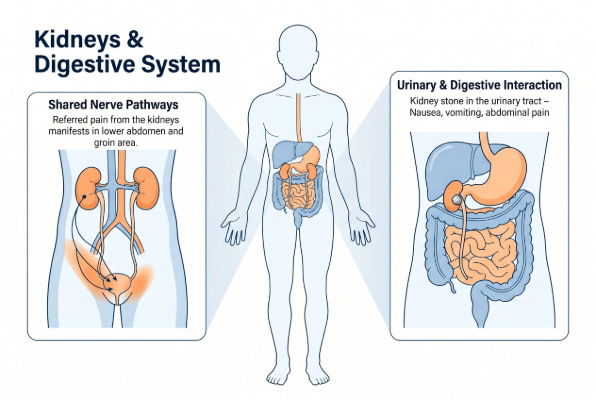
Anatomy 101: How Your Kidneys and Digestive System Connect
Grasping how the kidneys and digestive system function together is crucial. The kidneys, responsible for filtering waste from the bloodstream, sit in the rear of the abdominal cavity. The digestive tract, comprising the stomach, small intestine, and colon, lies right next to them.
The proximity between the kidneys and digestive system isn’t merely coincidental. They’re linked through intricate biological processes. This relationship shapes how each system operates and may produce pain and various symptoms.
The Interplay Between Urinary and Digestive Systems
The kidneys and digestive system engage with one another in numerous ways. The kidneys, for instance, produce urine that flows to the bladder via the ureters. This journey occurs in close proximity to the digestive organs. Shared neural networks can generate pain and additional symptoms within the digestive tract during a kidney stone attack.
- The ureters run alongside the intestines and may trigger discomfort when a stone is lodged
- Kidney stone pain can mimic lower abdominal pain, making it challenging to distinguish from a digestive disorder
- Your body’s pain reaction can disrupt digestion, resulting in nausea and vomiting
Shared Nerve Pathways and How We Perceive Pain
The nerves linking the urinary and digestive systems significantly influence how kidney stones impact the gut. Nerves transmitting pain signals from the kidneys also reach other abdominal regions. This creates intricate pain patterns.
- Nerve pathways from the kidneys and digestive system overlap
- This shared innervation produces referred pain, meaning kidney stone discomfort may seem to originate elsewhere, such as the lower belly or groin
- The brain can struggle to pinpoint the pain’s actual source, confusing kidney stone pain with digestive complaints
Recognizing these complex connections reveals how kidney stones can produce gut-related symptoms. It also highlights why treating kidney stones demands a comprehensive strategy, particularly when conditions like GERD are also present.
Can Kidney Stones Actually Cause Heartburn? Exploring the Direct Link
Kidney stones may trigger more than just back pain. They can also produce heartburn and various stomach complaints. Let’s examine why this occurs and what research reveals about it.
Studies on Acid Reflux Linked to Kidney Stones
Evidence points to a relationship between kidney stones and acid reflux. Individuals with a history of kidney stones show higher rates of acid reflux. This association deserves deeper exploration.
Kidney stones may influence stomach function. This could trigger heartburn. The precise mechanisms remain unclear, but it’s believed that kidney stone pain may contribute. In some cases, underlying issues like hiatal hernias can intensify these reflux symptoms, making the overall experience significantly more uncomfortable.
The Mechanisms Behind Kidney Stone-Triggered Heartburn
Several pathways may explain how kidney stones lead to heartburn. One theory suggests that kidney stone pain generates body-wide stress. This stress could interfere with digestion and produce heartburn symptoms.
| Mechanism | Description | Potential Impact |
| Pain-induced stress response | The body’s reaction to intense kidney stone pain | Disrupts digestive function, possibly causing heartburn |
| Shared nerve pathways | Overlapping neural networks between urinary and digestive systems | May transmit pain or symptoms between the two systems |
| Inflammation and irritation | Possible inflammation or irritation from kidney stones | Could impact nearby structures, affecting digestive processes |
Grasping the link between kidney stones and heartburn is crucial. It enables us to develop more effective treatments that address both conditions simultaneously.
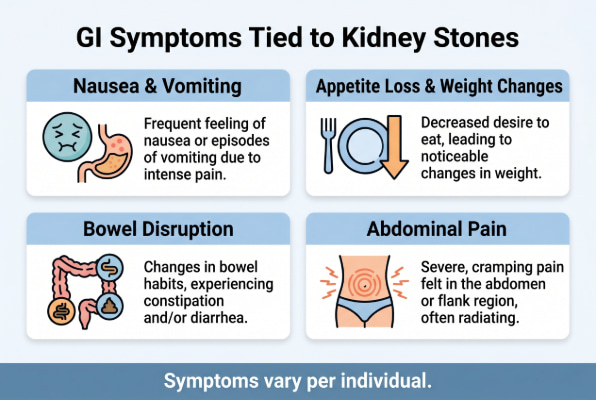
Beyond Heartburn: Additional GI Symptoms Tied to Kidney Stones
Kidney stones can produce symptoms beyond just heartburn. They may trigger numerous other digestive complications, sometimes resembling silent reflux or LPR. These problems can substantially diminish a person’s quality of life.
Nausea and Vomiting: Frequent Partners of Kidney Stone Pain
Individuals with kidney stones frequently report feeling queasy and throwing up. Stone-related pain can provoke a physical response that produces these symptoms. Dealing with pain and nausea simultaneously can be incredibly challenging.
Appetite Loss and Weight Fluctuations
Diminished appetite ranks among kidney stone symptoms. The pain and discomfort can make eating difficult, resulting in weight reduction. Sometimes, persistent nausea and vomiting can trigger significant weight fluctuations, compounding health concerns.
Do Kidney Stones Influence Bowel Movements?
Kidney stones may also disrupt bowel function. Certain individuals may develop constipation or diarrhea due to the pain. The overlapping nerve pathways linking the urinary and digestive systems can drive these shifts, sometimes mimicking motility disorders like achalasia or gastroparesis in how they disrupt normal digestion.
The GI symptoms tied to kidney stones differ among individuals. Typical manifestations include:
- Nausea and vomiting
- Diminished appetite
- Altered bowel patterns
- Abdominal pain or discomfort
Recognizing these symptoms is vital for effectively managing kidney stone disease. By identifying the GI manifestations, healthcare professionals can deliver superior care to their patients.
The Pain Link: How Kidney Stone Pain Sparks Digestive Problems
Kidney stone pain can trigger a cascade that disrupts digestion. When intense pain strikes, the body activates its stress response. This releases hormones and neurotransmitters capable of disturbing the stomach.
The Body’s Reaction to Intense Pain
Severe kidney stone pain prompts the body to release stress hormones including cortisol and adrenaline. These hormones prepare us for fight-or-flight response. They redirect blood flow to vital organs and muscle groups.
This stress reaction can significantly disrupt digestion. Symptoms may include nausea, vomiting, or bowel irregularities.
How Pain Disrupts Digestive Function
Pain can modify digestive system operation in several ways. Stress hormones can influence the muscles and nerves within the stomach. They can also alter how we perceive abdominal sensations. Certain foods that help with acid reflux may provide relief during these stressful episodes.
Pain may trigger a range of symptoms, such as:
- Nausea and vomiting
- Appetite changes
- Bowel movement disturbances
- Abdominal discomfort
Understanding how kidney stone pain disrupts digestion is crucial. This enables physicians to address both the pain and the resulting digestive problems.
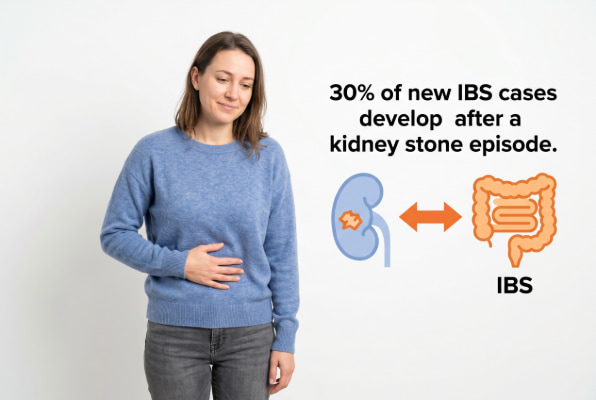
Kidney Stones and Irritable Bowel Syndrome: An Unexpected Connection
Recent research has uncovered an unexpected connection between kidney stones and Irritable Bowel Syndrome (IBS). We’ll examine this relationship, reviewing the evidence and exploring potential explanations.
The Data: 30% of New IBS Cases Emerge After Kidney Stones
Studies indicate that kidney stone sufferers face elevated IBS risk. As many as 30% of new IBS diagnoses emerge after a kidney stone incident. This points to a significant correlation between the two conditions.
Consider these key findings:
- 30% of fresh IBS cases develop following a kidney stone episode
- Those with prior kidney stones face greater IBS susceptibility
- IBS risk peaks in the period immediately following a kidney stone event
Possible Shared Mechanisms Linking Both Conditions
The precise explanations for the kidney stone-IBS link remain uncertain. However, several potential shared mechanisms have emerged:
- Common Nerve Pathways: Both disorders can generate pain via identical neural routes, potentially intensifying pain perception
- Inflammation: Chronic inflammation characterizes both conditions, which may clarify why IBS could develop in kidney stone patients
- Gut Motility: Alterations in intestinal movement may also contribute to IBS symptoms, potentially triggered by kidney stones
Decoding the kidney stone-IBS connection is essential for developing improved treatments.
The link between kidney stones and IBS is intricate. Additional research is required to fully understand this relationship and create effective therapies for those dealing with both disorders.
Do Kidney Stones Trigger Long-Term Gastrointestinal Issues?
Kidney stone incidents can produce lasting gastrointestinal complications for certain individuals. While acute pain gets the most attention, the enduring digestive effects deserve equal consideration.
Persistent GI Problems After Kidney Stone Events
Evidence suggests that certain individuals experience ongoing gastrointestinal symptoms following a kidney stone episode. These lingering issues may encompass:
- Abdominal discomfort
- Bloating sensations
- Altered bowel patterns
- Persistent nausea
These problems may stem from the body’s response to the stone, overlapping health conditions, or modifications in digestive function. For chronic reflux that develops afterward, procedures like fundoplication surgery or the LINX Reflux Management System may offer long-term relief.
Can Kidney Stones Lead to Blood in Stool?
Occasionally, kidney stones may produce blood in stool. This can result from:
- Straining during defecation, potentially causing hemorrhoids or anal fissures
- Overlapping underlying conditions like inflammatory bowel disease
- In rare instances, a kidney stone may travel to the lower urinary tract and produce hematuria (blood in urine), which could be confused with blood in stool
Noticing blood in your stool warrants medical evaluation. According to the NHS guidance on reflux and digestive symptoms, it may indicate numerous underlying conditions.
Understanding the lasting gastrointestinal consequences of kidney stones supports better health management. Seeking medical care when warranted remains essential.
The Two-Way Street: How Digestive Medications Influence Kidney Stone Risk
We examine how specific GI medications may elevate kidney stone risk. This demonstrates how intricate the connection is between digestive health and kidney stone development.
GI medications, particularly those that reduce stomach acid, may increase kidney stone susceptibility. This reveals a profound link between digestive wellness and kidney function, which is why exploring alternatives like the TIF procedure with EsophyX may benefit patients concerned about long-term medication use.
Proton Pump Inhibitors and Their Kidney Stone Risk
Proton pump inhibitors (PPIs) treat conditions such as GERD. Studies connect prolonged PPI usage to increased kidney stone risk. Individuals taking these medications may experience 12 to 19% higher risk compared to non-users, according to MedlinePlus health information.
The exact reasons PPIs may elevate kidney stone risk aren’t completely understood. However, shifts in calcium processing and enhanced intestinal oxalate absorption may contribute.
H2 Blockers and Their Effect on Kidney Health
H2 blockers, prescribed to reduce gastric acid, have also been examined regarding kidney stone risk. While the evidence isn’t as robust as with PPIs, certain studies suggest a potential influence on kidney function and stone development.
Below is a comparison of how PPIs and H2 blockers impact kidney stone risk:
| Medication Class | Increased Kidney Stone Risk | Potential Mechanism |
| Proton Pump Inhibitors (PPIs) | 12 to 19% | Disrupted calcium metabolism, elevated oxalate absorption |
| H2 Blockers | Less definitive, potentially lower than PPIs | Possible influence on calcium and oxalate processing |
Understanding how digestive medications can influence kidney stone risk is critical. This assists physicians in managing patients with digestive complaints alongside those vulnerable to kidney stones. These considerations should guide prescribing decisions for GI medications, and patients struggling with weight-related reflux may benefit from exploring incisionless weight loss procedures as part of a comprehensive treatment plan.
Do Kidney Stones Pass Through Poop? Separating Myths from Facts
Understanding how kidney stones exit the body can dispel numerous misconceptions. These stones produce intense pain and generate many questions. They have a reputation for being extremely uncomfortable.
How Kidney Stones Actually Leave the Body
Kidney stones travel through the urinary tract, not the digestive tract. They migrate from the kidney into the ureter, then advance to the bladder. Their final exit occurs through the urethra.
Despite the excruciating pain involved, passing a kidney stone never involves the digestive system. That’s precisely why they don’t appear in stool.
| Pathway | Description |
| Kidney to Ureter | The stone exits the kidney and enters the ureter |
| Ureter to Bladder | The stone then descends through the ureter into the bladder |
| Bladder to Urethra | Finally, the stone leaves the body via the urethra |
Why the Confusion About How Kidney Stones Pass?
Some believe kidney stones exit through stool because of the intense abdominal symptoms they produce. Indicators like nausea, vomiting, and abdominal discomfort can create the impression that the stone travels through the digestive tract. Resources like WebMD’s heartburn basics help clarify these distinctions between urinary and digestive symptoms.
Kidney stone pain can also extend to the lower abdominal region. This makes pinpointing the stone’s actual location difficult for some individuals.
Understanding the actual elimination process clarifies these misconceptions. It’s crucial to recognize that despite causing severe pain, these stones travel through the urinary system, never the digestive one.

When Should You Seek Medical Care for Kidney Stone GI Symptoms?
Recognizing when to obtain medical assistance for kidney stone GI symptoms is essential. Some discomfort is manageable at home. However, certain symptoms demand prompt medical evaluation. You can contact our team directly if you’re unsure whether your symptoms warrant urgent care.
Red Flags That Demand Immediate Care
Severe GI symptoms may signal a complicated kidney stone situation. If you experience any of the following, seek medical attention immediately:
- Severe abdominal pain that persists
- Vomiting or nausea lasting beyond a few hours
- Dehydration indicators, including excessive thirst, dark urine, or lightheadedness
- Blood appearing in stool or vomit
- Fever exceeding 101.5°F (38.6°C)
These indicators may signal a serious issue requiring urgent medical intervention, as outlined by Cedars-Sinai’s guidance on GERD and heartburn.
| Symptom | Possible Indication | Action |
| Intense Pain | Blockage or infection | Seek immediate medical attention |
| Vomiting/Blood in Vomit | Digestive tract bleeding | Emergency care |
| Fever | Infection | Urgent medical evaluation |
Communicating Effectively With Your Medical Team
During your medical appointment, describe your symptoms thoroughly. Come prepared to share:
- The duration and intensity of your symptoms
- Any medications you currently use
- Any history of kidney stones or digestive problems
Clear communication enables physicians to grasp your situation more accurately. They can then determine the most appropriate treatment path. Our Tampa-area hiatal hernia specialists are trained to evaluate complex cases involving overlapping kidney and digestive symptoms.
By recognizing warning signs and communicating effectively with your healthcare team, you’ll receive proper care for kidney stone-related GI symptoms.
Treatment Strategies for Managing Kidney Stones and GI Symptoms Together
Kidney stones accompanied by GI symptoms require a customized treatment strategy. This strategy must address both the kidney stones themselves and the digestive complaints, similar to how abdominal hernia heartburn treatment addresses multiple overlapping conditions at once.
Medical Treatments for Kidney Stones
Multiple approaches exist for treating kidney stones. For smaller stones, boosting fluid intake and controlling pain proves effective. However, larger stones may require more aggressive interventions like ESWL or ureteroscopy.
Treatment Options for Kidney Stones:
| Treatment | Description | Indications |
| Conservative Management | Boosted fluid consumption, pain control | Small stones |
| ESWL | Shock wave lithotripsy for stone fragmentation | Medium-sized stones |
| Ureteroscopy | Direct extraction or laser breakdown of stones | Larger or stuck stones |
Managing Simultaneous Digestive Problems
When kidney stones and GI symptoms occur together, managing the digestive issues becomes critical. This may involve dietary adjustments, medications for acid reflux or nausea, and other supportive measures. UCLA Health’s approach to acid reflux and GERD offers useful insights into coordinated care strategies.
Balancing Medications to Reduce Complications
Striking the right balance between treating kidney stones and GI symptoms is crucial. Certain kidney stone medications can aggravate GI symptoms, and the reverse is also true. For additional resources on managing chronic digestive conditions, our educational blog covers a wide range of related topics.
Healthcare providers can assist by developing a treatment strategy that addresses both kidney stones and GI symptoms. This approach ensures patients receive more thorough, complete care for their overall health, drawing on evidence-based protocols like those from Stanford Health Care’s GERD program.
Conclusion
The link between kidney stones and digestive symptoms like heartburn is more significant than many realize. Through shared nerve pathways, stress responses, and overlapping anatomy, kidney stones can trigger a range of GI issues, from acid reflux and nausea to an increased risk of IBS. Recognizing this gut-kidney connection is key to getting the right care. If you’re experiencing kidney stone symptoms or related digestive discomfort, consulting a healthcare provider ensures both conditions are addressed together for better long-term health.
FAQs
Can kidney stones directly cause heartburn?
Kidney stones don’t directly cause heartburn, but the pain and stress they trigger can disrupt digestion and lead to acid reflux symptoms. Shared nerve pathways between the urinary and digestive systems also contribute to this connection.
Do kidney stones pass through stool?
No, kidney stones exit the body through the urinary tract, traveling from the kidney through the ureter, bladder, and urethra. They never pass through the digestive system or appear in stool.
Can taking acid reflux medications increase my risk of kidney stones?
Yes, long-term use of proton pump inhibitors (PPIs) has been linked to a 12 to 19% higher risk of developing kidney stones. H2 blockers may also pose some risk, though the evidence is less conclusive.
Is there a link between kidney stones and IBS?
Research shows that up to 30% of new IBS cases develop after a kidney stone episode. Shared nerve pathways, inflammation, and changes in gut motility may explain this connection.
When should I see a doctor for kidney stone-related GI symptoms?
Seek immediate medical attention if you experience severe abdominal pain, persistent vomiting, fever above 101.5°F, blood in stool or vomit, or signs of dehydration. These symptoms may indicate a serious complication requiring urgent care.


An endoscopy cannot tell you if you have reflux. It can only tell you if you have complications of GERD.
If you are unhappy with your reflux symptoms, come in and we can discuss testing and treatments that can accurately diagnose your problem.
#reflux #gerd #hiatalhernia #gastroparesis #linx

CALL US AT 813-922-2920
www.tampareflux.com
If you have a hiatal hernia and fit one of these categories, you should know your options.
Dr. Grandhige is an expert in his field and performs 200 of these surgeries a year. He is the only surgeon in the Tampa Bay Area who offers all surgical options - LINX, Fundoplications, TIF and will be one of 20 surgeons in America introducing the latest procedure RefluxStop in 2026.
We accept most insurances but will verify yours before you come in. These procedures are considered medically necessary and covered by your insurance. You can expect to pay your in-network deductibles and nothing else.
#hiatalhernia #reflux #GERD #LINX #refluxstop
What causes reflux ?
1. Weak lower esophageal sphincter
2. Hiatal hernia
3. Flattening of the Angle of His
4. Poor esophageal motility
5. Gastroparesis (slow stomach)
NOT increased acid production
Don’t let GERD get in the way of living your life. Request your appointment with us today on the link below.
.
.
.
.
https://tampareflux.com/contact-us/
Anyone can be victim to GERD and though weight loss can help reduce GERD symptoms. Many athletes with high impact workouts may continue to have these symptoms. This may be a symptom of a hiatal hernia or other issue. We are more then happy to assist you in finding your solution, just click the link below.
.
.
.
https://tampareflux.com/contact-us/
##healthylifestyle #workout #athletereflux #PPIs #heartburn #LINX #fundoplication #TIF #GERD#tampaheartburn #linx #TIF #fundoplication #tampabayreflux #GERD #acidreflux #acidrefluxsurgery #stopreflux
#nonsurgicalweightloss #ESG #gastricballoon #weightlossjourney #vsg #vsgjourney #spatz3 #orbera #orberaballoon #grandhige #DrG
#tampabayrefluxinstitute #guthealth #roboticsurgery
Heartburn may seem like an annoyance. But if you find yourself having symptoms on a daily basis, it may be time to to talk to Dr. Grandhige as it could be a symptom of something worse.
.
.
.
#chronicheartburn #gerdsymptoms #heartburnrelief #reflux #PPIs #heartburn #LINX #fundoplication #TIF #GERD#tampaheartburn #linx #TIF #fundoplication #tampabayreflux #GERD #acidreflux #acidrefluxsurgery #stopreflux
#nonsurgicalweightloss #ESG #gastricballoon #weightlossjourney #vsg #vsgjourney #spatz3 #orbera #orberaballoon #grandhige #DrG
#tampabayrefluxinstitute #guthealth #roboticsurgery
If you are tired of avoiding your favorite foods or taking daily medications, we can help.
We are the Tampa experts in reflux ! With years of experience and thousands of patients treated successfully, we offer all FDA approved anti-reflux procedures.
Call 813-922-2920 to schedule your appointment
All major insurances accepted.
Not all patients need surgical intervention. Many patients are living a heartburn free life with their PPIs. However 40% of patients taking PPIs are not getting the relief they need. If you are one of those, you have options! Come in and find out more.
.
.
.
.
#letushelpyou #medsnotworking #reflux #PPIs #heartburn #LINX #fundoplication #TIF #GERD#tampaheartburn #linx #TIF #fundoplication #tampabayreflux #GERD #acidreflux #acidrefluxsurgery #stopreflux
#nonsurgicalweightloss #ESG #gastricballoon #weightlossjourney #vsg #vsgjourney #spatz3 #orbera #orberaballoon #grandhige #DrG
#tampabayrefluxinstitute #guthealth #roboticsurgery
#heartburn #stopreflux #hiatalherniarepair #severeheartburn #reflux #tampabayreflux #acidrefluxsurgery #tampaheartburn #GERD #PPIs #achalasia #LINX #TIF #tampareflux #fundoplication #stomach #digestivehealth #ESG #obesity #overweight #weightlossjourney #gastricballoon


