
Written By: Jeffrey Atlas, Health Content Writer
Medically Reviewed By: Dr. Gopal Grandhige, MD, FACS, Board-Certified Surgeon
Last Reviewed: April 29, 2026
After hiatal hernia or laparoscopic anti-reflux surgery, you should follow a staged diet for about six weeks: clear fluids and puréed foods in week 1, soft and sloppy foods in weeks 2–3, a gradual return to regular foods in weeks 4–5, and normal healthy eating from week 6 onward. This progression is necessary because post-surgical swelling and bruising around the surgical site cause dysphagia (difficulty swallowing) and bloating that typically take two to six weeks to resolve.
During recovery, foods should be both moist and soft. Avoid bread, steak, carbonated beverages, fibrous fruits, and crunchy or stringy foods, as these can lodge at the surgical wrap and cause blockages or pain. Eat slowly, chew thoroughly, and step back to an earlier stage if swallowing becomes difficult.
This guide walks through each stage of the post-hiatal-hernia-surgery diet, including sample daily menus, fortified milk recipes, foods to avoid, and warning signs that require contacting your doctor.

Common Symptoms You May Experience
After surgery, patients commonly report the following issues:
- Trouble swallowing food and drink (dysphagia)
- Bloating in the abdomen and discomfort after meals
These symptoms generally subside within two to six weeks. The dietary plan outlined below is designed to ease these effects and is intended only as a short-term recovery measure.
Your Recovery Diet Timeline at a Glance
- Week 1: Begin with clear fluids and gradually move to puréed foods
- Weeks 2–3: Transition to soft and sloppy foods
- Weeks 4–5: Shift from soft foods toward your regular diet
- Week 6 and beyond: Resume normal, healthy eating habits
Important Tips to Keep in Mind
Take your meals slowly and never rush eating or drinking. Chew every bite thoroughly before swallowing. Steer clear of solid, dense foods such as bread or steak while you’re still building up your diet. Avoid all fizzy or carbonated beverages for approximately four weeks following surgery. Should you notice unintended weight loss, reach out to your GP without delay. If any stage feels too challenging, simply step back to the earlier stage and progress again at your own pace.

When to Contact Your GP
Get in touch with your doctor right away if any of these warning signs appear:
- A high temperature or fever
- Pain that feels unusually severe
- Persistent nausea, vomiting, or an inability to eat and drink normally
Liquid Diet Guidance
While your diet is limited to fluids only, ensuring those liquids pack nutritional value becomes critical. Nourishing beverages prepared using fortified milk (recipe below) can deliver nutrition equivalent to a light meal while being simple to whip up.
How to make fortified milk: Whisk 50g (about four heaped tablespoons) of dried milk powder into one pint of full-fat milk.
Milkshake options: Ready-made nutritional milkshake supplements can be purchased at pharmacies or supermarkets, with sweet, savoury, and neutral flavour options available.
Other nourishing fluids include:
- Smoothies and warm drinks like hot chocolate, malted beverages, and coffee
- Soups, both sweet and savoury varieties
- Lassi (combine equal parts yoghurt and milk, then sweeten with sugar or season with salt to your preference)
Alternatively, your GP may prescribe pre-made drinks designed to deliver high amounts of energy and protein.
Puréed Diet Recommendations
A proper puréed diet should have a smooth, moist texture without any lumps and maintain consistent thickness throughout. Use a blender, food processor, or sieve to push thoroughly cooked foods through until you achieve the right texture. Because puréed meals tend to be lower in calories, enrich them by adding full-fat milk, sauces, gravy, condensed soup, or custard rather than thinning with water. Purée each food item on its own instead of combining everything together, this preserves attractive colour and lets each flavour shine through. Since puréed dishes lose heat fast, always serve them piping hot, and never reheat any food more than once.
Sample Daily Menu for a Puréed Diet
- Breakfast: Hot cereal options such as porridge or instant oat-based cereals prepared with milk
- Mid-Morning Snack: Chocolate mousse or instant whip
- Lunch: Puréed beef casserole or fish coated in parsley sauce, accompanied by mashed potatoes and carrots, with puréed rice pudding topped with seedless jam
- Mid-Afternoon Snack: Puréed tinned fruit served with cream or yoghurt
- Evening Meal: Puréed lentil curry or puréed macaroni cheese
- Bedtime Snack: A milky beverage such as a malted drink or hot chocolate
Soft Diet Recommendations
Foods on a soft diet need to remain moist with a uniform texture across the entire dish. Each item should mash easily with a fork and pairs best when served alongside a thick gravy or sauce. Mince or mash anything that isn’t already naturally soft. While a blender or food processor proves handy here, a fork or potato masher works just fine for breaking down most foods. Cook everything thoroughly to encourage a tender, easy-to-swallow result.
Sample Daily Menu for a Soft Diet
- Breakfast: Hot cereal choices including porridge or soft oat-based cereals with milk
- Mid-Morning Snack: Yoghurt, mousse, or another smooth dessert
- Lunch: A dish featuring minced meat, fish, egg, or cheese, served with mashed potato and finely chopped or mashed vegetables
- Mid-Afternoon Snack: Biscuits dunked in tea or a piece of naturally soft fruit
- Evening Meal: Similar in style to your midday meal
- Bedtime Snack: A milky beverage such as a malted drink or hot chocolate
Foods You Should Avoid During Your Recovery
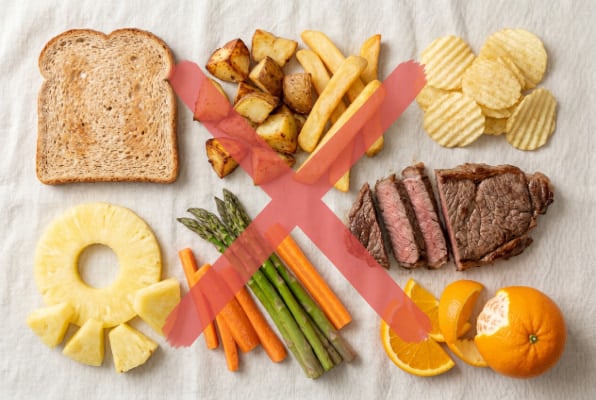
Stay away from bread, chipped or roast potatoes, and savoury snack foods. Skip anything crispy or crumbly. Avoid stringy cuts of meat. Pass on vegetables with tough skins, pineapple, oranges, and other fibrous fruit varieties. Dry bread products can swell with your saliva and form a ball in your oesophagus, causing a blockage, while crunchy or sharp-edged foods may irritate the healing tissue around your surgical site. Tough meats and fibrous produce are equally problematic because they require more force to swallow and can easily get stuck at the wrap. A simple rule to remember is that the ideal food during recovery should be both moist and soft, since bread is soft but not moist, and most meats are moist but not soft, which is exactly why both top the avoid list until your surgeon clears you for a regular diet.
For patients who have undergone newer minimally invasive techniques such as the LINX® Reflux Management System or the incisionless TIF / EsophyX® procedure, the same dietary principles apply, though your surgeon may adjust the timeline based on your specific recovery. Patients managing related conditions like achalasia or gastroparesis may also need to follow modified versions of this protocol, and those who underwent weight loss procedures alongside reflux surgery should consult their surgical team for specialized guidance. For additional evidence-based surgical recommendations, professional societies offer detailed clinical guidelines that complement post-operative dietary care.

About Tampa Bay Reflux Institute
At Tampa Bay Reflux Institute, we understand that what happens after your surgery matters just as much as the procedure itself. Led by Dr. Gopal Grandhige, a national expert in the diagnosis and surgical treatment of GERD, hiatal hernias, and silent reflux (LPR), our practice is committed to walking with you through every stage of your recovery, including the critical dietary transition outlined in this guide.
Dr. Grandhige is the only board-certified surgeon in the Tampa Bay area who routinely performs all three leading anti-reflux procedures: robotic and laparoscopic fundoplications, the LINX® Reflux Management System, and the incisionless TIF / EsophyX® technique. With over 600 fundoplications, 600 LINX procedures, and 200 TIF procedures performed, he brings more than a decade of refined expertise to creating individualized treatment plans tailored to each patient’s unique anatomy and symptoms. For patients seeking deeper insight into surgical outcomes, peer-reviewed research consistently supports the long-term effectiveness of these modern techniques.
If you’re recovering from a hiatal hernia repair or anti-reflux surgery and have questions about your diet, dysphagia, or progress, our team is just a phone call away. We also welcome new patients struggling with persistent GERD, hiatal hernias, achalasia, gastroparesis, or laryngopharyngeal reflux who are ready to explore long-term surgical solutions. You can also browse our educational blog for more recovery resources and patient guides.
Conclusion
Recovering from laparoscopic anti-reflux or hiatus hernia surgery is a gradual process, and the foods you choose during the first six weeks play a powerful role in how smoothly that recovery unfolds. By starting with nourishing fluids, progressing thoughtfully through puréed and soft foods, and finally returning to your regular diet, you give the swelling around your surgical site the time it needs to settle without putting unnecessary strain on your healing oesophagus. Patience is your greatest ally here, rushing back to dense or fibrous foods too quickly can lead to discomfort, dysphagia, and setbacks that are entirely preventable with a careful, stage-by-stage approach.
Remember that every patient heals at their own pace, and it’s perfectly normal to step back to an earlier stage if a particular food feels difficult. The dietary roadmap shared in this guide is designed to support you, not restrict you indefinitely, and most patients find themselves enjoying their favourite meals again within six weeks. If you ever feel uncertain about your progress or experience warning signs like fever, severe pain, or persistent vomiting, don’t hesitate to reach out to your surgical team. At Tampa Bay Reflux Institute, Dr. Gopal Grandhige and our staff are committed to guiding you through every bite of this journey, ensuring that your long-term relief from reflux is matched by a comfortable, confident return to the foods you love.
FAQs
How long do I need to follow this special diet after surgery?
Most patients follow the staged diet for approximately six weeks before returning to normal eating. However, your individual recovery pace may vary, so always listen to your body and consult your surgeon if symptoms persist.
Why can’t I drink fizzy or carbonated beverages after surgery?
Carbonated drinks produce gas that causes uncomfortable bloating and pressure on your healing surgical site. You should avoid all fizzy beverages for at least four weeks after your procedure.
What should I do if I struggle to swallow at a particular diet stage?
Simply return to the previous stage of the diet and remain there until swallowing feels comfortable again. There is no rush, progressing slowly is far better than pushing through difficulty and risking complications.
Why are bread and steak specifically off-limits during recovery?
Bread is soft but not moist, so it absorbs saliva and can form a sticky ball that blocks the oesophagus, while steak is moist but tough, making it hard to swallow at the wrap site. Both can easily get stuck and cause significant discomfort during early healing.
When should I call my doctor during recovery?
Contact your GP immediately if you develop a fever, experience unusually severe pain, or cannot keep food and fluids down due to persistent nausea or vomiting. These symptoms may signal a complication that requires prompt medical attention.


An endoscopy cannot tell you if you have reflux. It can only tell you if you have complications of GERD.
If you are unhappy with your reflux symptoms, come in and we can discuss testing and treatments that can accurately diagnose your problem.
#reflux #gerd #hiatalhernia #gastroparesis #linx

CALL US AT 813-922-2920
www.tampareflux.com
If you have a hiatal hernia and fit one of these categories, you should know your options.
Dr. Grandhige is an expert in his field and performs 200 of these surgeries a year. He is the only surgeon in the Tampa Bay Area who offers all surgical options - LINX, Fundoplications, TIF and will be one of 20 surgeons in America introducing the latest procedure RefluxStop in 2026.
We accept most insurances but will verify yours before you come in. These procedures are considered medically necessary and covered by your insurance. You can expect to pay your in-network deductibles and nothing else.
#hiatalhernia #reflux #GERD #LINX #refluxstop
What causes reflux ?
1. Weak lower esophageal sphincter
2. Hiatal hernia
3. Flattening of the Angle of His
4. Poor esophageal motility
5. Gastroparesis (slow stomach)
NOT increased acid production
Don’t let GERD get in the way of living your life. Request your appointment with us today on the link below.
.
.
.
.
https://tampareflux.com/contact-us/
Anyone can be victim to GERD and though weight loss can help reduce GERD symptoms. Many athletes with high impact workouts may continue to have these symptoms. This may be a symptom of a hiatal hernia or other issue. We are more then happy to assist you in finding your solution, just click the link below.
.
.
.
https://tampareflux.com/contact-us/
##healthylifestyle #workout #athletereflux #PPIs #heartburn #LINX #fundoplication #TIF #GERD#tampaheartburn #linx #TIF #fundoplication #tampabayreflux #GERD #acidreflux #acidrefluxsurgery #stopreflux
#nonsurgicalweightloss #ESG #gastricballoon #weightlossjourney #vsg #vsgjourney #spatz3 #orbera #orberaballoon #grandhige #DrG
#tampabayrefluxinstitute #guthealth #roboticsurgery
Heartburn may seem like an annoyance. But if you find yourself having symptoms on a daily basis, it may be time to to talk to Dr. Grandhige as it could be a symptom of something worse.
.
.
.
#chronicheartburn #gerdsymptoms #heartburnrelief #reflux #PPIs #heartburn #LINX #fundoplication #TIF #GERD#tampaheartburn #linx #TIF #fundoplication #tampabayreflux #GERD #acidreflux #acidrefluxsurgery #stopreflux
#nonsurgicalweightloss #ESG #gastricballoon #weightlossjourney #vsg #vsgjourney #spatz3 #orbera #orberaballoon #grandhige #DrG
#tampabayrefluxinstitute #guthealth #roboticsurgery
If you are tired of avoiding your favorite foods or taking daily medications, we can help.
We are the Tampa experts in reflux ! With years of experience and thousands of patients treated successfully, we offer all FDA approved anti-reflux procedures.
Call 813-922-2920 to schedule your appointment
All major insurances accepted.
Not all patients need surgical intervention. Many patients are living a heartburn free life with their PPIs. However 40% of patients taking PPIs are not getting the relief they need. If you are one of those, you have options! Come in and find out more.
.
.
.
.
#letushelpyou #medsnotworking #reflux #PPIs #heartburn #LINX #fundoplication #TIF #GERD#tampaheartburn #linx #TIF #fundoplication #tampabayreflux #GERD #acidreflux #acidrefluxsurgery #stopreflux
#nonsurgicalweightloss #ESG #gastricballoon #weightlossjourney #vsg #vsgjourney #spatz3 #orbera #orberaballoon #grandhige #DrG
#tampabayrefluxinstitute #guthealth #roboticsurgery
#heartburn #stopreflux #hiatalherniarepair #severeheartburn #reflux #tampabayreflux #acidrefluxsurgery #tampaheartburn #GERD #PPIs #achalasia #LINX #TIF #tampareflux #fundoplication #stomach #digestivehealth #ESG #obesity #overweight #weightlossjourney #gastricballoon


