

Written By: Dr. Ahmad Saad, Health Content Writer
Medically Reviewed By: Dr. Gopal Grandhige, MD, FACS, Board-Certified Surgeon
Last Reviewed: December 31, 2025
Gastroparesis is a chronic digestive condition where the stomach takes too long to empty food into the small intestine, causing nausea, vomiting, bloating, and early fullness after eating. This delayed gastric emptying affects approximately 24 out of 100,000 people, with women experiencing it more frequently than men. The condition occurs when the stomach’s muscular walls or nerve supply don’t function properly, preventing normal food movement through the digestive system.
Common causes include diabetes (the leading cause), Parkinson’s disease, certain medications (opioids, tricyclic antidepressants, calcium channel blockers), vagus nerve damage from surgery, and viral infections. Notably, about 50% of cases are idiopathic, meaning no specific cause can be identified.
Diagnosis typically involves an esophagogastroduodenoscopy (EGD) followed by a four-hour gastric emptying study using radioactive tracers to measure how quickly food leaves the stomach. Treatment focuses on dietary modifications (smaller, frequent meals with low fat and fiber), medications (antiemetics and prokinetics like metoclopramide), managing underlying conditions like diabetes, and in severe cases, endoscopic or surgical interventions. While gastroparesis is usually chronic rather than curable, most patients achieve significant symptom control through consistent adherence to treatment protocols and lifestyle adjustments.
Defining Gastroparesis
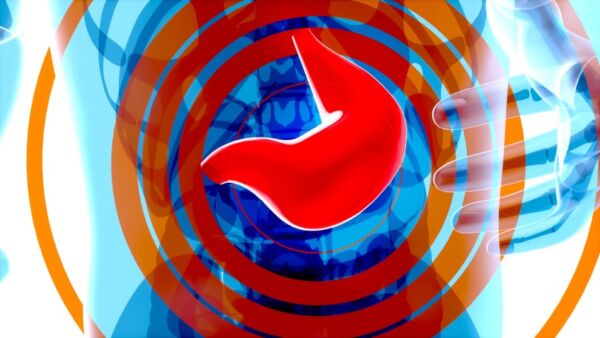
Gastroparesis represents a medical condition that impacts stomach function, causing food to remain in the stomach longer than normal. Under typical circumstances, when we consume a meal, the stomach expands to make room for the incoming food, preventing premature feelings of being full and enabling proper digestion. The muscular walls of the stomach then work in harmony to move food toward the lower portion of the stomach (the antrum), where it gets ground up, mixed, and eventually released into the small intestine. When gastroparesis develops, one or several of these critical processes become disrupted.
Risk Factors and Demographics
This condition predominantly affects adults, with research indicating that women experience it more frequently than men. According to the National Institute of Diabetes and Digestive and Kidney Diseases, current medical data suggests that roughly 24 out of every 100,000 individuals live with this disorder.
Several medical conditions increase the likelihood of developing gastroparesis. Individuals managing diabetes over extended periods face elevated risk because of the nerve damage associated with the disease. Certain conditions affecting the nervous system (such as Parkinson’s disease) and autoimmune disorders (like scleroderma) also increase susceptibility to delayed stomach emptying. Medications that decrease smooth muscle activity, found throughout various organs including the stomach lining, can trigger the same issues. Frequently prescribed medications in this category include opioid pain relievers, certain antidepressants, and calcium channel blockers.
Additionally, surgical interventions near the vagus nerve (responsible for stomach innervation and movement control) can result in slowed emptying. Even individuals without these predisposing factors may develop gastroparesis after experiencing an acute viral illness (especially Norwalk virus and rotavirus infections). Remarkably, approximately 50% of cases occur without any identifiable cause, termed idiopathic gastroparesis.
Recognizing Symptom Patterns
When food builds up in a stomach that isn’t emptying properly, individuals experience premature satiety and typically cannot complete their meals. Many patients report significant impact on their daily lives due to persistent nausea, vomiting, bloating, and abdominal pain. Symptom intensity differs considerably among patients, with severe presentations potentially resulting in weight loss, dehydration, or nutritional deficiencies, frequently necessitating emergency medical care and hospital admission.
These symptoms aren’t exclusive to gastroparesis and may indicate other digestive system disorders or conditions affecting different organ systems. Therefore, comprehensive assessment by a gastroenterology specialist is crucial. Initial evaluation usually involves an esophagogastroduodenoscopy (EGD), where a camera-equipped tube is guided through the throat into the stomach while the patient receives sedation. This procedure enables visualization of ulcers, growths, or obstructions within the stomach. When this examination doesn’t provide a diagnosis, physicians order specialized testing to measure stomach emptying speed. The standard test is a radionuclide gastric emptying study, requiring patients to consume a meal labeled with a radioactive tracer, followed by periodic imaging over four hours to quantify stomach contents. Alternative diagnostic options include an ingestible wireless motility capsule and specialized breath testing.
Further testing may be necessary to evaluate nutritional health and investigate potential movement disorders affecting other digestive organs (including the intestines and esophagus). Cleveland Clinic provides additional information on the diagnostic process for gastroparesis.

Treatment Approaches
Once gastroparesis is confirmed, gastroenterologists collaborate with healthcare teams to address any underlying causes. Standard interventions include improving blood sugar management in diabetics and discontinuing (or lowering doses of) problematic medications. Patients receive comprehensive guidance on dietary adjustments and frequently work with registered dietitians.
Physicians routinely prescribe anti-nausea and anti-vomiting medications (antiemetics) for symptom relief. Prokinetic medications, which accelerate stomach emptying, are commonly administered before eating. However, long-term use of these drugs is constrained by inconsistent effectiveness over time and possible adverse effects. Frequently prescribed options in this class include metoclopramide, erythromycin, and domperidone. Scientists continue investigating new prokinetic medications. The Mayo Clinic’s gastroparesis treatment guidelines offer detailed information on medication options.
Dietary Management Strategies
Modifying eating habits forms a fundamental component of treatment. Patients generally experience improvement when eating smaller portions more frequently throughout the day. Medical professionals also recommend maintaining adequate hydration and reducing dietary fat and insoluble fiber intake. Detailed written guidelines are provided, and many patients receive referrals to dietitians for extensive counseling on dietary changes. Some individuals may need to transition to liquid-only nutrition and incorporate supplemental nutrition beverages, especially during symptom exacerbations. For patients who struggle with adequate nutrition, incisionless weight loss procedures may be discussed in reverse context to explore nutritional support options. Learn more about gastroparesis treatment options from NIDDK.

Living with Gastroparesis: Long-Term Management and Outlook
Managing gastroparesis requires ongoing commitment to treatment protocols and lifestyle modifications. While this condition is typically chronic, many individuals achieve significant symptom control through consistent adherence to dietary guidelines, medication regimens, and regular follow-up appointments with their gastroenterology team. The progression and severity of gastroparesis varies considerably between patients, some experience periodic flare-ups with extended periods of relief, while others deal with persistent symptoms requiring continuous management.
Patients should establish clear communication channels with their healthcare providers and monitor symptom patterns closely. Immediate medical attention becomes necessary when experiencing severe dehydration signs, inability to retain any food or liquids for extended periods, intense abdominal pain, or blood in vomit. Keeping a symptom diary helps identify trigger foods and patterns, enabling better disease management. Support groups and counseling services can provide valuable emotional support, as living with a chronic digestive condition often affects mental health and social activities. Organizations like G-PACT (Gastroparesis Patient Association for Cures and Treatments) offer resources and community support. StatPearls provides comprehensive clinical information for both patients and healthcare providers. With appropriate medical care, dietary adherence, and lifestyle adjustments, most individuals with gastroparesis can maintain reasonable quality of life and manage their symptoms effectively.
Surgical and Advanced Interventions
Endoscopic and surgical treatments are designated for patients who don’t respond to conservative management strategies. Using endoscopic techniques, physicians can insert a feeding tube that circumvents the malfunctioning stomach, delivering nutrition directly into the small intestine. Endoscopists can also address the muscular valve at the stomach outlet (pylorus) through injections of relaxing agents (like Botulinum toxin), expansion with balloon dilation, or partial surgical division of muscle fibers. These interventions may alleviate symptoms by improving food transit from the stomach. More extensive surgical procedures include surgically dividing the muscular sphincter to facilitate food movement into the small intestine (pyloroplasty) or creating a direct connection between the stomach and small intestine (gastrojejunostomy). Gastric electrical stimulation devices are also options for select patients.
These advanced treatments show varying success rates and require individualized assessment at specialized medical centers. For patients who also experience related conditions, fundoplication procedures or other minimally invasive options like the LINX reflux management system and TIF procedures may be considered. The American College of Gastroenterology’s clinical guidelines provide evidence-based recommendations for advanced interventions.

How Tampa Bay Reflux Institute Provides Support
Tampa Bay Reflux Institute functions as a specialized referral facility for individuals dealing with gastroparesis and various digestive motility conditions. We deliver a collaborative multi-disciplinary team strategy that tackles patient symptoms, identifies root causes, and develops appropriate therapeutic protocols. Our medical team comprises skilled gastroenterology specialists, nutrition experts, endoscopy practitioners, imaging physicians, and surgical professionals. We also treat related conditions including GERD, hiatal hernias, and silent reflux.
Conclusion
Gastroparesis presents significant challenges for those affected, but understanding the condition empowers patients to take active roles in managing their health. From the initial recognition of symptoms like early satiety and persistent nausea to receiving a confirmed diagnosis through specialized testing, the journey requires patience and collaboration with experienced gastroenterology specialists. Treatment success hinges on a multifaceted approach combining dietary modifications, appropriate medication use, and addressing underlying causes such as diabetes or problematic medications. MedlinePlus and recent research publications provide additional evidence-based information on managing this condition.
While the condition is often chronic, the majority of patients can achieve meaningful symptom relief and maintain quality of life through dedicated adherence to treatment protocols and lifestyle adjustments. For those who don’t respond to conservative measures, advanced interventions including endoscopic procedures and surgical options offer additional pathways to relief. Remember that gastroparesis management is highly individualized, and what works effectively for one patient may require adjustment for another. Staying connected with your healthcare team, maintaining open communication, tracking your symptoms, and remaining committed to recommended lifestyle changes are essential steps toward successfully living with gastroparesis.
For comprehensive information and support resources, visit About Gastroparesis and explore additional educational materials on our blog. With ongoing research into new prokinetic medications and treatment techniques, the outlook for gastroparesis patients continues to improve, offering hope for better management strategies in the future. If you’re ready to take the next step in managing your gastroparesis, contact us to schedule a consultation with our specialized team.
FAQs
Can gastroparesis be cured completely?
Gastroparesis is typically a chronic condition that requires ongoing management rather than a complete cure. However, many patients achieve significant symptom control through proper treatment, dietary modifications, and lifestyle adjustments that allow them to maintain good quality of life.
What foods should I avoid if I have gastroparesis?
Patients with gastroparesis should limit high-fat foods and meals rich in insoluble fiber, as these slow stomach emptying further. Focus on consuming smaller, more frequent meals and staying well-hydrated throughout the day for better symptom management.
How long does it take to diagnose gastroparesis?
Diagnosis typically involves an initial endoscopy followed by a four-hour gastric emptying study if needed. The complete diagnostic process may take several weeks depending on test scheduling and whether additional evaluations are required.
Will I need surgery for gastroparesis?
Most gastroparesis patients manage their condition successfully with dietary changes and medications without requiring surgery. Surgical and endoscopic interventions are reserved only for severe cases that don’t respond to conservative treatment approaches.
Can stress or anxiety make gastroparesis symptoms worse?
Yes, stress and anxiety can exacerbate gastroparesis symptoms by affecting digestive function and increasing nausea. Managing stress through counseling, support groups, and relaxation techniques often helps improve overall symptom control alongside medical treatment.


An endoscopy cannot tell you if you have reflux. It can only tell you if you have complications of GERD.
If you are unhappy with your reflux symptoms, come in and we can discuss testing and treatments that can accurately diagnose your problem.
#reflux #gerd #hiatalhernia #gastroparesis #linx

CALL US AT 813-922-2920
www.tampareflux.com
If you have a hiatal hernia and fit one of these categories, you should know your options.
Dr. Grandhige is an expert in his field and performs 200 of these surgeries a year. He is the only surgeon in the Tampa Bay Area who offers all surgical options - LINX, Fundoplications, TIF and will be one of 20 surgeons in America introducing the latest procedure RefluxStop in 2026.
We accept most insurances but will verify yours before you come in. These procedures are considered medically necessary and covered by your insurance. You can expect to pay your in-network deductibles and nothing else.
#hiatalhernia #reflux #GERD #LINX #refluxstop
What causes reflux ?
1. Weak lower esophageal sphincter
2. Hiatal hernia
3. Flattening of the Angle of His
4. Poor esophageal motility
5. Gastroparesis (slow stomach)
NOT increased acid production
Don’t let GERD get in the way of living your life. Request your appointment with us today on the link below.
.
.
.
.
https://tampareflux.com/contact-us/
Anyone can be victim to GERD and though weight loss can help reduce GERD symptoms. Many athletes with high impact workouts may continue to have these symptoms. This may be a symptom of a hiatal hernia or other issue. We are more then happy to assist you in finding your solution, just click the link below.
.
.
.
https://tampareflux.com/contact-us/
##healthylifestyle #workout #athletereflux #PPIs #heartburn #LINX #fundoplication #TIF #GERD#tampaheartburn #linx #TIF #fundoplication #tampabayreflux #GERD #acidreflux #acidrefluxsurgery #stopreflux
#nonsurgicalweightloss #ESG #gastricballoon #weightlossjourney #vsg #vsgjourney #spatz3 #orbera #orberaballoon #grandhige #DrG
#tampabayrefluxinstitute #guthealth #roboticsurgery
Heartburn may seem like an annoyance. But if you find yourself having symptoms on a daily basis, it may be time to to talk to Dr. Grandhige as it could be a symptom of something worse.
.
.
.
#chronicheartburn #gerdsymptoms #heartburnrelief #reflux #PPIs #heartburn #LINX #fundoplication #TIF #GERD#tampaheartburn #linx #TIF #fundoplication #tampabayreflux #GERD #acidreflux #acidrefluxsurgery #stopreflux
#nonsurgicalweightloss #ESG #gastricballoon #weightlossjourney #vsg #vsgjourney #spatz3 #orbera #orberaballoon #grandhige #DrG
#tampabayrefluxinstitute #guthealth #roboticsurgery
If you are tired of avoiding your favorite foods or taking daily medications, we can help.
We are the Tampa experts in reflux ! With years of experience and thousands of patients treated successfully, we offer all FDA approved anti-reflux procedures.
Call 813-922-2920 to schedule your appointment
All major insurances accepted.
Not all patients need surgical intervention. Many patients are living a heartburn free life with their PPIs. However 40% of patients taking PPIs are not getting the relief they need. If you are one of those, you have options! Come in and find out more.
.
.
.
.
#letushelpyou #medsnotworking #reflux #PPIs #heartburn #LINX #fundoplication #TIF #GERD#tampaheartburn #linx #TIF #fundoplication #tampabayreflux #GERD #acidreflux #acidrefluxsurgery #stopreflux
#nonsurgicalweightloss #ESG #gastricballoon #weightlossjourney #vsg #vsgjourney #spatz3 #orbera #orberaballoon #grandhige #DrG
#tampabayrefluxinstitute #guthealth #roboticsurgery
#heartburn #stopreflux #hiatalherniarepair #severeheartburn #reflux #tampabayreflux #acidrefluxsurgery #tampaheartburn #GERD #PPIs #achalasia #LINX #TIF #tampareflux #fundoplication #stomach #digestivehealth #ESG #obesity #overweight #weightlossjourney #gastricballoon


