

Written By: Dr. Ahmad Saad, Health Content Writer
Medically Reviewed By: Dr. Gopal Grandhige, MD, FACS, Board-Certified Surgeon
Last Reviewed: January 6, 2026
What is gastroparesis? Gastroparesis is a chronic digestive disorder where the stomach loses its ability to empty properly, affecting approximately 1 in 25 Americans. This condition occurs when the stomach muscles stop functioning normally, preventing food from moving through the digestive system at the correct pace.
Why does gastroparesis happen? While the exact cause is often unknown, common triggers include vagus nerve damage (from diabetes or surgery), certain medications, and viral infections. The condition is more prevalent in women and individuals with longstanding diabetes.
What are the main symptoms? People with this stomach condition typically experience persistent nausea and vomiting, feeling full quickly after eating small amounts, stomach pain, bloating, and unintentional weight loss. For diabetic patients, it can also cause unpredictable blood sugar fluctuations.
Tampa Bay Reflux Institute stands as a leading provider of specialized treatment for gastroparesis. With August designated as Gastroparesis Awareness Month, our medical professionals aim to inform the public about this significant digestive disorder. For expert guidance on gastroparesis from a certified gastroenterologist in Tampa, FL, reach out to our practice today.
Recognizing the Warning Signs of Gastroparesis
Approximately one in 25 people in the United States, including pediatric patients, lives with gastroparesis. This digestive condition occurs more frequently in women than men and shows higher prevalence among individuals with longstanding diabetes. Those affected by gastroparesis may exhibit various indicators, including:
- Persistent stomach discomfort
- Heartburn or acid reflux symptoms
- Ongoing feelings of nausea
- Premature sensation of fullness after minimal food intake
- Abdominal distension
- Reduced desire to eat and unexpected weight reduction
- Vomiting of food that hasn’t been digested
- Fluctuating blood glucose readings
Many gastroparesis patients don’t show any obvious symptoms. Sometimes, the disorder presents temporarily and resolves independently or improves with medical intervention. Other instances may prove more resistant to therapeutic approaches.

Understanding the Root Causes of Gastroparesis
The underlying cause of gastroparesis remains unclear in many cases. Nevertheless, medical professionals have identified several contributing factors, such as:
Amyloidosis: This disorder occurs when abnormal protein deposits build up in various organs and tissues.
Vagus nerve injury: Conditions like diabetes, viral infections, and surgical procedures involving the stomach or small intestine can damage this critical nerve. Essential for digestive system regulation, the vagus nerve triggers gut muscle contractions that advance food toward the small intestine. When this nerve sustains damage, it cannot effectively communicate with stomach muscles. Consequently, food may linger in the stomach longer instead of progressing to the small intestine for typical digestion.
Pharmaceutical agents: Pain relievers, specific antidepressants, and medications for high blood pressure and allergies can slow gastric emptying and produce gastroparesis-like effects. For those already diagnosed with this condition, such medications may aggravate symptoms.
Scleroderma: This disorder affecting connective tissue can influence the skin, blood vessels, muscles, and internal organs.
Complications Linked to Gastroparesis Include:
Critical fluid loss: Continuous vomiting can lead to life-threatening dehydration.
Nutritional deficiencies: Loss of appetite combined with frequent vomiting results in insufficient nutrient consumption and impaired absorption of essential proteins, vitamins, and minerals.
Food accumulation: When food remains undigested in the stomach, it may harden into a solid mass known as a bezoar. These masses trigger nausea and vomiting and can be fatal if they block the stomach’s exit.
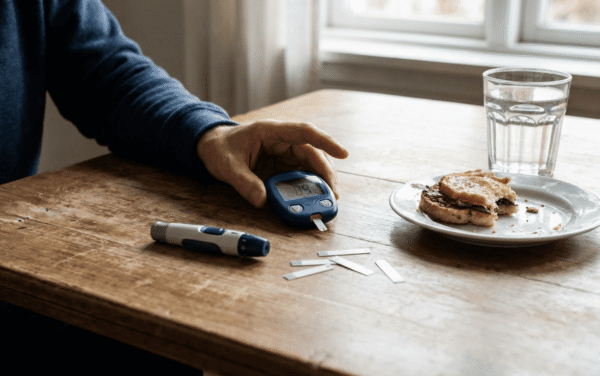
Erratic glucose levels: While gastroparesis doesn’t cause diabetes, irregular timing and amounts of food entering the small intestine can produce unstable blood sugar readings. These glucose fluctuations exacerbate diabetes, potentially worsening gastroparesis symptoms.
Compromised quality of life: The debilitating effects of gastroparesis can interfere with employment and daily responsibilities.
Diagnostic Procedures for Gastroparesis
Gastroenterologists possess expertise in digestive disorders like gastroparesis. Following an assessment of symptoms and medical background, these specialists perform physical examinations and typically order laboratory tests to check blood sugar and other indicators. Further diagnostic tests for gastroparesis may involve:
SmartPill™ motility assessment: This technology uses a small, ingestible capsule containing an electronic sensor. As the capsule travels through the digestive system, it transmits data to an external receiver worn by the patient. This examination monitors and documents food transit speed through the digestive tract.
Four-hour gastric emptying scan: Medical professionals can measure stomach-emptying duration using this diagnostic test. Patients consume a meal containing a radioactive tracer. Initial imaging occurs one minute post-meal, followed by subsequent scans at designated intervals over several hours to evaluate food movement through the stomach and digestive system.

Treatment Approaches for Gastroparesis
Gastroparesis qualifies as a chronic medical condition. Although treatment typically doesn’t cure the disorder, symptoms can be controlled through appropriate medical management. Diabetic patients should diligently track and regulate their blood sugar levels to minimize gastroparesis complications. Various medications may prove effective, including:
Reglan: This medication stimulates stomach muscle contractions to facilitate food passage into the small intestine while reducing nausea and vomiting. Side effects may include diarrhea and, rarely, serious neurological complications.
Erythromycin: Beyond its antibiotic properties, this drug promotes stomach motility and assists with gastric emptying. Potential side effects include diarrhea and bacterial resistance risk from prolonged use.
Anti-nausea medications: These drugs help control nausea symptoms.
Surgical interventions may benefit select patients, including:
Gastric bypass surgery: This procedure creates a small pouch from the upper stomach portion, with part of the small intestine connected directly to this new pouch. The surgery substantially reduces food intake capacity and may offer better outcomes for obese diabetic patients compared to gastric electrical stimulation or pharmaceutical treatment. For patients interested in weight loss procedures, our specialists can provide guidance.
Gastric electrical stimulation device: A compact device called a gastric stimulator is implanted in the abdomen, featuring two electrodes attached to stomach muscles that deliver mild electrical pulses to reduce vomiting urges.
Additional treatment modalities include:
Feeding tube/jejunostomy: For advanced gastroparesis, doctors may recommend a jejunostomy or feeding tube. This tube is surgically inserted through the abdominal wall into the small intestine. Liquid nutrition is administered through the tube, bypassing the stomach and entering the bloodstream more quickly. Jejunostomy tubes typically serve as temporary solutions.
Intravenous nutrition: This parenteral method delivers nutrients directly into the bloodstream via a catheter inserted into a chest wall vein. Like jejunostomy feeding, IV nutrition provides temporary management for severe gastroparesis.
POP procedure: Peroral pyloromyotomy represents an innovative technique where physicians insert an extended, flexible instrument through the mouth, down the esophagus, and into the stomach. The pyloric valve controlling stomach emptying is then cut, enabling more normal food passage into the small intestine.

Dietary Management for Gastroparesis
The American College of Gastroenterology identifies appropriate nutrition as fundamental to gastroparesis management and represents a natural therapeutic strategy. While physicians may prescribe medications and implement additional medical treatments to control gastroparesis symptoms, these interventions achieve greater success when combined with dietary modifications. A gastroparesis-friendly diet emphasizes reducing intake of difficult-to-digest foods, particularly those high in fat and fiber. This approach supports easier digestion and decreases complication risks associated with gastroparesis.
If you’re experiencing gastroparesis symptoms or challenges following a gastroparesis diagnosis, we urge you to consult a Tampa, FL digestive health specialist without delay. Contact our office today to schedule an appointment.
Conclusion
Gastroparesis represents a serious digestive condition that affects approximately one in 25 Americans and significantly impacts daily life through symptoms like nausea, vomiting, and unpredictable blood sugar levels. While the exact cause often remains unknown, factors such as diabetes, vagus nerve damage, and certain medications can contribute to this stomach-emptying disorder. The good news is that although gastroparesis is typically a chronic condition, effective management strategies exist through a combination of dietary modifications, medications, and advanced treatment options ranging from gastric electrical stimulation to innovative procedures like peroral pyloromyotomy.
If you’re experiencing persistent digestive symptoms or have been diagnosed with gastroparesis, seeking specialized care from our experienced team is essential for developing a personalized treatment plan that can help you regain control over your digestive health and improve your quality of life. We also treat related conditions including hiatal hernias, silent reflux, and achalasia, offering advanced procedures such as fundoplication surgery, the LINX system, and TIF with EsophyX.
For additional support and resources, organizations like G-PACT and the Gastroparesis patient community provide valuable information for patients living with this condition. You can also find helpful information on our blog or review this comprehensive medical reference for more details.
FAQs
What is the main cause of gastroparesis?
The underlying cause remains unclear in many cases, though vagus nerve damage from diabetes, viral infections, or stomach surgery is a common factor. Other contributing causes include certain medications, amyloidosis, and scleroderma.
Can gastroparesis be cured?
Gastroparesis is typically a chronic condition that cannot be cured, but symptoms can be effectively managed through dietary changes, medications, and medical procedures. Some cases may resolve temporarily on their own or with treatment.
What foods should I avoid if I have gastroparesis?
Foods high in fat and fiber are particularly difficult to digest and should be limited on a gastroparesis-friendly diet. Focusing on easier-to-digest options helps reduce complications and supports better symptom management.
How is gastroparesis diagnosed?
Diagnosis involves a physical examination, blood tests, and specialized procedures like a four-hour gastric emptying scan or SmartPill™ motility assessment. These tests measure how quickly food moves through your digestive system.
Is gastroparesis more common in certain groups of people?
Yes, gastroparesis occurs more frequently in women than men and shows higher prevalence among individuals with longstanding diabetes. Pediatric patients can also develop this condition.


An endoscopy cannot tell you if you have reflux. It can only tell you if you have complications of GERD.
If you are unhappy with your reflux symptoms, come in and we can discuss testing and treatments that can accurately diagnose your problem.
#reflux #gerd #hiatalhernia #gastroparesis #linx

CALL US AT 813-922-2920
www.tampareflux.com
If you have a hiatal hernia and fit one of these categories, you should know your options.
Dr. Grandhige is an expert in his field and performs 200 of these surgeries a year. He is the only surgeon in the Tampa Bay Area who offers all surgical options - LINX, Fundoplications, TIF and will be one of 20 surgeons in America introducing the latest procedure RefluxStop in 2026.
We accept most insurances but will verify yours before you come in. These procedures are considered medically necessary and covered by your insurance. You can expect to pay your in-network deductibles and nothing else.
#hiatalhernia #reflux #GERD #LINX #refluxstop
What causes reflux ?
1. Weak lower esophageal sphincter
2. Hiatal hernia
3. Flattening of the Angle of His
4. Poor esophageal motility
5. Gastroparesis (slow stomach)
NOT increased acid production
Don’t let GERD get in the way of living your life. Request your appointment with us today on the link below.
.
.
.
.
https://tampareflux.com/contact-us/
Anyone can be victim to GERD and though weight loss can help reduce GERD symptoms. Many athletes with high impact workouts may continue to have these symptoms. This may be a symptom of a hiatal hernia or other issue. We are more then happy to assist you in finding your solution, just click the link below.
.
.
.
https://tampareflux.com/contact-us/
##healthylifestyle #workout #athletereflux #PPIs #heartburn #LINX #fundoplication #TIF #GERD#tampaheartburn #linx #TIF #fundoplication #tampabayreflux #GERD #acidreflux #acidrefluxsurgery #stopreflux
#nonsurgicalweightloss #ESG #gastricballoon #weightlossjourney #vsg #vsgjourney #spatz3 #orbera #orberaballoon #grandhige #DrG
#tampabayrefluxinstitute #guthealth #roboticsurgery
Heartburn may seem like an annoyance. But if you find yourself having symptoms on a daily basis, it may be time to to talk to Dr. Grandhige as it could be a symptom of something worse.
.
.
.
#chronicheartburn #gerdsymptoms #heartburnrelief #reflux #PPIs #heartburn #LINX #fundoplication #TIF #GERD#tampaheartburn #linx #TIF #fundoplication #tampabayreflux #GERD #acidreflux #acidrefluxsurgery #stopreflux
#nonsurgicalweightloss #ESG #gastricballoon #weightlossjourney #vsg #vsgjourney #spatz3 #orbera #orberaballoon #grandhige #DrG
#tampabayrefluxinstitute #guthealth #roboticsurgery
If you are tired of avoiding your favorite foods or taking daily medications, we can help.
We are the Tampa experts in reflux ! With years of experience and thousands of patients treated successfully, we offer all FDA approved anti-reflux procedures.
Call 813-922-2920 to schedule your appointment
All major insurances accepted.
Not all patients need surgical intervention. Many patients are living a heartburn free life with their PPIs. However 40% of patients taking PPIs are not getting the relief they need. If you are one of those, you have options! Come in and find out more.
.
.
.
.
#letushelpyou #medsnotworking #reflux #PPIs #heartburn #LINX #fundoplication #TIF #GERD#tampaheartburn #linx #TIF #fundoplication #tampabayreflux #GERD #acidreflux #acidrefluxsurgery #stopreflux
#nonsurgicalweightloss #ESG #gastricballoon #weightlossjourney #vsg #vsgjourney #spatz3 #orbera #orberaballoon #grandhige #DrG
#tampabayrefluxinstitute #guthealth #roboticsurgery
#heartburn #stopreflux #hiatalherniarepair #severeheartburn #reflux #tampabayreflux #acidrefluxsurgery #tampaheartburn #GERD #PPIs #achalasia #LINX #TIF #tampareflux #fundoplication #stomach #digestivehealth #ESG #obesity #overweight #weightlossjourney #gastricballoon


