

Written By: Jeffrey Atlas, Health Content Writer
Medically Reviewed By: Dr. Gopal Grandhige, MD, FACS, Board-Certified Surgeon
Last Reviewed: February 3, 2026
Endoscopy is a minimally invasive diagnostic procedure that uses a thin, flexible camera-equipped tube to directly visualize the esophagus, stomach, and diaphragm, making it the gold standard for detecting hiatal hernias. This examination takes 5-10 minutes, provides real-time high-definition imaging, and can simultaneously identify complications like esophagitis or Barrett’s esophagus while allowing tissue biopsies when needed.
Hiatal hernias occur when part of the stomach pushes through the diaphragm’s hiatus opening into the chest cavity, affecting 55-60% of people over 50. While most cases remain asymptomatic, many patients experience heartburn, acid reflux, and chest discomfort requiring diagnosis and treatment. Professor Ewen Griffiths, a consultant in upper gastrointestinal surgery, explains why endoscopy outperforms alternative diagnostic methods like barium swallow radiography or manometry, what happens during the procedure, expected recovery time, and available treatment options ranging from lifestyle modifications to surgical intervention.
In this guide, you’ll learn: how endoscopy detects hiatal hernias with superior accuracy, what to expect during the 5-10 minute procedure including anesthesia options, post-procedure recovery guidelines, and evidence-based treatment approaches for managing symptoms effectively.
Defining Hiatal Hernia
A hiatal hernia develops when a portion of your stomach pushes upward through the hiatus, a natural opening in your diaphragm, and enters the chest cavity. The diaphragm serves as a muscular wall separating your chest from your abdomen, and the hiatus is specifically designed to allow your esophagus to pass through and connect to your stomach. Medical professionals classify hiatal hernias into four distinct types, with Type 1 sliding hernias accounting for approximately 95% of all cases. In a sliding hiatal hernia, the gastroesophageal junction and upper stomach intermittently slide upward through the widened hiatus into the chest. The remaining types (Type 2, 3, and 4) are paraesophageal hernias, where part of the stomach bulges through the hiatus alongside the esophagus rather than sliding. Type 4 represents the rarest form, potentially involving herniation of additional abdominal organs such as the colon, small intestine, or spleen alongside the stomach. While this condition frequently triggers symptoms including heartburn, acid reflux, and chest discomfort, certain patients experience no noticeable symptoms whatsoever. The prevalence increases significantly with age, affecting approximately 55-60% of individuals over 50, though the majority remain asymptomatic.
The Case for Endoscopy as the Leading Diagnostic Approach
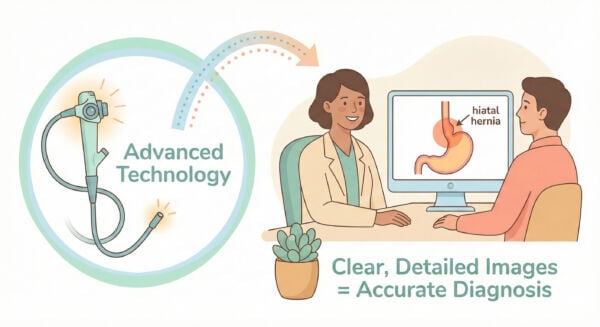
Endoscopy, particularly upper gastrointestinal (GI) endoscopy, represents a non-surgical examination technique utilizing an endoscope, a lengthy, slender, flexible instrument equipped with a miniature camera, to visualize your esophagus, stomach, diaphragm, and additional digestive structures.
This procedure ranks among the most precise and widely-adopted methods for identifying hiatal hernias. Although alternative diagnostic approaches such as barium swallow radiography or manometry can detect hiatal hernias, endoscopy proves exceptionally valuable because it:
- Delivers comprehensive, high-definition visualization of your digestive system
- Identifies both the hernia itself and potential complications including esophagitis (esophageal inflammation) or Barrett’s esophagus (a pre-malignant condition)
- Enables your surgeon to collect biopsies (tissue specimens) when required, proving particularly beneficial when additional underlying conditions warrant investigation
Furthermore, endoscopy evaluates the severity of gastroesophageal reflux disease (GERD), a condition commonly associated with hiatal hernias.
The Endoscopy Procedure Explained
Endoscopy qualifies as a straightforward, minimally invasive examination. Preparation involves fasting for 6-8 hours beforehand, ensuring your stomach remains empty for optimal visualization during the procedure. You’ll also need to disclose all current medications to your surgeon, as certain prescriptions may require temporary adjustment.
The examination itself typically spans 5 to 10 minutes. You’ll receive options for anesthesia: local anesthetic spray alone, or combined with sedation (administered intravenously) to promote relaxation and minimize discomfort. For straightforward diagnostic procedures, many patients complete the examination while awake using only local anesthetic spray. When procedures prove more complex, or if you experience anxiety or had previous negative endoscopy experiences, sedation typically becomes the recommended approach.
Following anesthesia administration, your surgeon will gently insert the endoscope through your mouth, advancing it downward through your esophagus into your stomach. The integrated camera transmits high-definition images to a display screen, permitting your surgeon to inspect your esophagus, stomach, and the diaphragmatic hiatus for hernia indicators. Your surgeon may also examine for acid-related erosion and collect biopsies from questionable tissue areas when necessary.
Upon completion, you’ll remain under observation while sedation effects diminish. Most patients require approximately one hour of rest before discharge. You must arrange transportation home, as you cannot drive yourself following the procedure.

Pain Levels During Endoscopy
The combination of sedation and local anesthetic ensures most patients encounter only minor discomfort throughout the examination. The endoscope itself maintains an extremely thin, flexible design, and although you may notice unusual sensations as it travels through your digestive tract, it typically doesn’t produce pain.
Post-Endoscopy Next Steps
Following your endoscopy, your surgeon will analyze the results and review them with you directly. When a hiatal hernia receives confirmation, determining the optimal treatment strategy depends on the hernia’s dimensions, your symptom profile, and any acid reflux-related damage.
Lifestyle Modifications
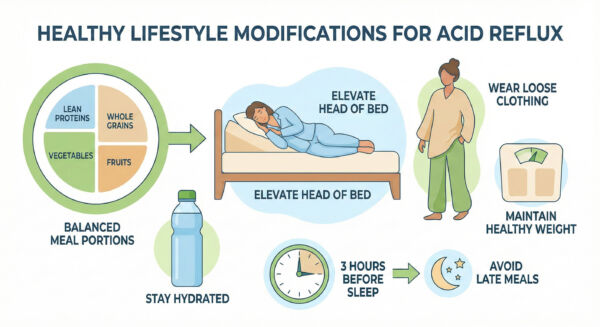
For numerous patients experiencing mild symptoms, lifestyle adjustments serve as the initial treatment strategy. Dietary modifications prove essential, with patients advised to avoid highly acidic foods, citrus fruits, tomato-based products, fatty or fried foods, chocolate, and caffeinated beverages that can trigger acid reflux. Eliminating large meals and consuming smaller portions more frequently throughout the day helps reduce stomach volume and pressure, minimizing the likelihood of acid reflux episodes. Timing your meals matters significantly. Avoid eating for at least three to four hours before lying down or going to bed, allowing gravity to assist in keeping stomach contents from traveling upward into the esophagus. Achieving healthy weight targets represents another critical component, as excess weight, particularly around the abdominal area, increases pressure on the stomach and contributes to acid reflux symptoms. Weight loss through a combination of balanced diet and regular exercise can create the necessary calorie deficit to reduce body fat, with many patients noticing symptom improvement over time. Adjusting your sleeping position by elevating the head of your bed approximately 6-8 inches and sleeping on your left side can help prevent reflux during sleep. Eliminating tobacco use further alleviates symptoms, as smoking can weaken the lower esophageal sphincter. Wearing loose-fitting clothing around the abdomen prevents additional pressure on the stomach, while staying well-hydrated with plain water throughout the day supports healthy digestion and helps dilute stomach acid.
Pharmaceutical Interventions
Patients battling severe heartburn or acid reflux may receive prescriptions for antacids, H2 receptor antagonists, or proton pump inhibitors (PPIs) to decrease stomach acid production and provide symptom relief.

Surgical Solutions
In more advanced cases, especially when the hernia reaches substantial size or generates significant complications, surgical correction may become necessary. The predominant surgical technique for hiatal hernia repair involves a keyhole procedure with creation of a new valve mechanism or fundoplication. Throughout this operation, your surgeon will tighten the diaphragmatic opening and wrap a stomach portion around your lower esophagus to prevent reflux. A Nissen fundoplication represents one common approach, creating a 360-degree valve, while alternatives like Toupet fundoplication establish a 270-degree valve. Advanced procedures include LINX® and RefluxStop™. Your upper GI surgeon should thoroughly explain the advantages and disadvantages of each surgical option, empowering you to select the optimal choice for your situation.
Conclusion
Endoscopy remains the gold standard for diagnosing hiatal hernias, offering unparalleled visualization of the upper digestive system while simultaneously identifying potential complications and enabling tissue sampling when necessary. Whether your hiatal hernia requires simple lifestyle modifications, medication management, or surgical intervention, an accurate endoscopic diagnosis provides the foundation for developing an effective, personalized treatment plan. If you’re experiencing persistent heartburn, acid reflux, or chest discomfort, consulting with an upper gastrointestinal specialist about endoscopy can help you take the first step toward relief and improved quality of life.
For patients dealing with related digestive conditions, our practice also treats silent reflux (LPR), achalasia, and gastroparesis. We offer advanced minimally invasive procedures including TIF EsophyX and incisionless weight loss procedures. To learn more about hiatal hernia diagnosis and treatment or to read research on management approaches, visit our blog or contact us to schedule a consultation with our experienced team.
FAQs
How long does it take to recover from an endoscopy?
Most patients need approximately one hour of observation after the procedure before discharge. You can typically resume normal activities the following day, though you’ll need someone to drive you home due to sedation effects.
Can a hiatal hernia be detected without an endoscopy?
Yes, alternative methods like barium swallow radiography or manometry can detect hiatal hernias. However, endoscopy remains superior because it provides direct visualization, identifies complications, and allows for tissue biopsies when needed.
Are all hiatal hernias symptomatic?
No, many hiatal hernias cause no symptoms at all. Studies show that 55-60% of people over 50 have hiatal hernias, but the majority remain asymptomatic and may never require treatment.
When is surgery necessary for a hiatal hernia?
Surgery becomes necessary when the hernia is substantially large, causes severe complications, or when symptoms don’t respond to lifestyle modifications and medications. Your surgeon will evaluate the hernia’s size, your symptom severity, and any acid reflux-related damage to determine if surgery is appropriate.
Will I be asleep during the endoscopy procedure?
You have options for anesthesia during endoscopy. Many patients undergo the procedure awake with only local anesthetic spray, while others receive intravenous sedation for relaxation and comfort, especially if the procedure is complex or they experience anxiety.


An endoscopy cannot tell you if you have reflux. It can only tell you if you have complications of GERD.
If you are unhappy with your reflux symptoms, come in and we can discuss testing and treatments that can accurately diagnose your problem.
#reflux #gerd #hiatalhernia #gastroparesis #linx

CALL US AT 813-922-2920
www.tampareflux.com
If you have a hiatal hernia and fit one of these categories, you should know your options.
Dr. Grandhige is an expert in his field and performs 200 of these surgeries a year. He is the only surgeon in the Tampa Bay Area who offers all surgical options - LINX, Fundoplications, TIF and will be one of 20 surgeons in America introducing the latest procedure RefluxStop in 2026.
We accept most insurances but will verify yours before you come in. These procedures are considered medically necessary and covered by your insurance. You can expect to pay your in-network deductibles and nothing else.
#hiatalhernia #reflux #GERD #LINX #refluxstop
What causes reflux ?
1. Weak lower esophageal sphincter
2. Hiatal hernia
3. Flattening of the Angle of His
4. Poor esophageal motility
5. Gastroparesis (slow stomach)
NOT increased acid production
Don’t let GERD get in the way of living your life. Request your appointment with us today on the link below.
.
.
.
.
https://tampareflux.com/contact-us/
Anyone can be victim to GERD and though weight loss can help reduce GERD symptoms. Many athletes with high impact workouts may continue to have these symptoms. This may be a symptom of a hiatal hernia or other issue. We are more then happy to assist you in finding your solution, just click the link below.
.
.
.
https://tampareflux.com/contact-us/
##healthylifestyle #workout #athletereflux #PPIs #heartburn #LINX #fundoplication #TIF #GERD#tampaheartburn #linx #TIF #fundoplication #tampabayreflux #GERD #acidreflux #acidrefluxsurgery #stopreflux
#nonsurgicalweightloss #ESG #gastricballoon #weightlossjourney #vsg #vsgjourney #spatz3 #orbera #orberaballoon #grandhige #DrG
#tampabayrefluxinstitute #guthealth #roboticsurgery
Heartburn may seem like an annoyance. But if you find yourself having symptoms on a daily basis, it may be time to to talk to Dr. Grandhige as it could be a symptom of something worse.
.
.
.
#chronicheartburn #gerdsymptoms #heartburnrelief #reflux #PPIs #heartburn #LINX #fundoplication #TIF #GERD#tampaheartburn #linx #TIF #fundoplication #tampabayreflux #GERD #acidreflux #acidrefluxsurgery #stopreflux
#nonsurgicalweightloss #ESG #gastricballoon #weightlossjourney #vsg #vsgjourney #spatz3 #orbera #orberaballoon #grandhige #DrG
#tampabayrefluxinstitute #guthealth #roboticsurgery
If you are tired of avoiding your favorite foods or taking daily medications, we can help.
We are the Tampa experts in reflux ! With years of experience and thousands of patients treated successfully, we offer all FDA approved anti-reflux procedures.
Call 813-922-2920 to schedule your appointment
All major insurances accepted.
Not all patients need surgical intervention. Many patients are living a heartburn free life with their PPIs. However 40% of patients taking PPIs are not getting the relief they need. If you are one of those, you have options! Come in and find out more.
.
.
.
.
#letushelpyou #medsnotworking #reflux #PPIs #heartburn #LINX #fundoplication #TIF #GERD#tampaheartburn #linx #TIF #fundoplication #tampabayreflux #GERD #acidreflux #acidrefluxsurgery #stopreflux
#nonsurgicalweightloss #ESG #gastricballoon #weightlossjourney #vsg #vsgjourney #spatz3 #orbera #orberaballoon #grandhige #DrG
#tampabayrefluxinstitute #guthealth #roboticsurgery
#heartburn #stopreflux #hiatalherniarepair #severeheartburn #reflux #tampabayreflux #acidrefluxsurgery #tampaheartburn #GERD #PPIs #achalasia #LINX #TIF #tampareflux #fundoplication #stomach #digestivehealth #ESG #obesity #overweight #weightlossjourney #gastricballoon


