

Written By: Jeffrey Atlas, Health Content Writer
Medically Reviewed By: Dr. Gopal Grandhige, MD, FACS, Board-Certified Surgeon
Last Reviewed: February 4, 2026
Hiatal hernia pain affects millions of people worldwide, with approximately 55% to 60% of individuals over 50 experiencing this condition where part of the stomach pushes through the diaphragm opening. While many cases remain symptom-free, those who do experience discomfort often struggle with heartburn, chest pain, difficulty swallowing, and an acidic taste in their mouth. The good news is that hiatal hernia symptoms can be effectively managed through a combination of home remedies, dietary modifications, over-the-counter medications, and lifestyle changes, with surgery rarely needed for most patients.
This comprehensive guide covers everything you need to know about relieving hiatal hernia pain, including immediate home-based solutions, prescription medication options, prevention strategies, and when to seek emergency medical care. You’ll learn which foods to avoid, what exercises are safe, how to modify your sleeping position, and practical tips for reducing acid reflux naturally. Whether you’ve just been diagnosed or have been managing symptoms for years, these evidence-based strategies can help you minimize discomfort and improve your quality of life without invasive procedures.
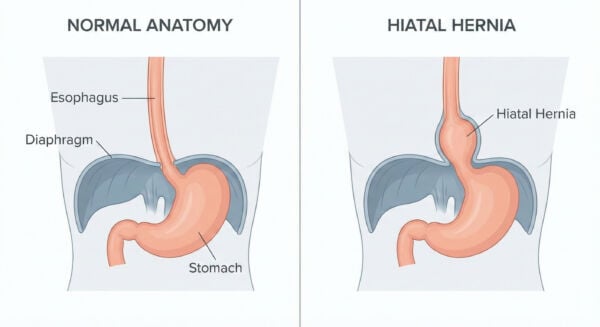
Understanding Hiatal Hernias
This condition develops when part of your stomach shifts upward through your diaphragm’s opening, the muscle dividing your torso’s upper and lower portions. According to the Mayo Clinic, pregnancy strain or heavy lifting can trigger this, though it sometimes appears without any identifiable cause.
The most frequent symptoms include burning sensations and mid-chest pain, resulting from upward-moving stomach acid. However, chronic cases, characterized by persistent, intense symptoms, may signal more serious complications.
Healthcare providers warn that when your stomach enters the chest cavity, it can compress vital organs including your heart and lungs, potentially causing breathing difficulties. Additionally, repeated stomach movement can trigger slow bleeding or even cause the stomach to twist within the chest, resulting in severe chest or abdominal pain. Intense pain requires immediate contact with your healthcare provider.
Nevertheless, most people find hiatal hernias more bothersome than dangerous. Understanding how to reduce or eliminate symptoms, and recognizing when professional help is needed, can make this condition manageable.
How Common Are Hiatal Hernias? Understanding the Prevalence
Hiatal hernias are surprisingly widespread in the general population, with research from Cleveland Clinic showing that approximately 55% to 60% of individuals older than 50 have this condition. The prevalence increases significantly with age, rising from just 2.4% in people during their sixth decade of life to 16.6% by their ninth decade. What’s particularly interesting is that only about 9% of those with hiatal hernias actually experience symptoms, meaning many people live with the condition without ever knowing it. Women are more commonly affected than men, with a prevalence rate of 12.7% compared to 7.0% in men. Studies also reveal that among patients undergoing endoscopy for gastroesophageal reflux disease-related issues, the prevalence jumps to nearly 49%, highlighting the strong connection between hiatal hernias and GERD symptoms. Understanding how common this condition is can help normalize the experience for those dealing with symptoms and encourage them to seek appropriate medical care.
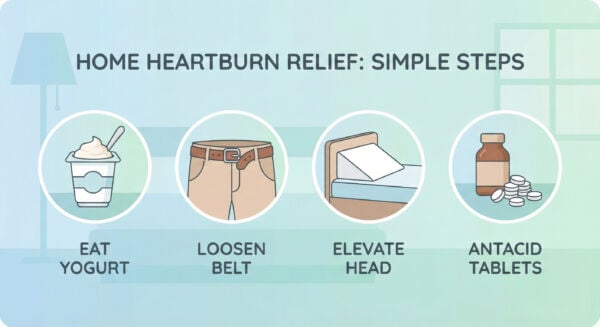
Home-Based Pain Management Strategies
When discomfort occurs, several immediate steps can provide relief. Start with these natural approaches:
- Consume stomach-friendly foods (yogurt works particularly well).
- Adjust restrictive clothing around your midsection, including tight belts and constricting pants.
- Elevate your bed’s head (beyond just using extra pillows!). Place supports beneath your bed’s upper portion to raise both your chest and head.
Over-the-counter antacids can also help address minor pain and heartburn. However, severe chest or abdominal pain demands professional medical evaluation instead of self-treatment. Johns Hopkins Medicine emphasizes the importance of proper diagnosis before starting any treatment regimen.
Medication Options for Pain Control
Medical experts most frequently recommend acetaminophen for hiatal hernia pain because it doesn’t elevate stomach acid levels. When this proves insufficient, prescription options may include:
- Aciphex (rabeprazole)
- Pepcid (famotidine)
- Prevacid (lansoprazole)
- Axid (nizatidine)
- Prilosec (omeprazole)
- Protonix (pantoprazole)
- Tagamet (cimetidine)
Healthcare professionals offer a crucial warning about over-the-counter pain relievers: Ibuprofen and naproxen damage the esophageal lining, worsening acid reflux and hiatal hernia symptoms, making them medications to avoid.
Surgical Intervention for Hiatal Hernias
Surgery remains unnecessary for most hiatal hernia patients. However, when the condition becomes debilitating or fails to respond to medications and home treatments, surgical correction may become necessary.
Surgical repair involves repositioning the stomach to its proper abdominal location, reducing the diaphragmatic opening size, and constructing a new valve between your esophagus and stomach to block reflux. This isn’t a major operation; it can be performed using minimally invasive techniques, often as outpatient surgery, and frequently controls or eliminates acid reflux. Modern procedures like fundoplication surgery, the LINX reflux management system, and the TIF EsophyX procedure offer effective solutions for severe cases.
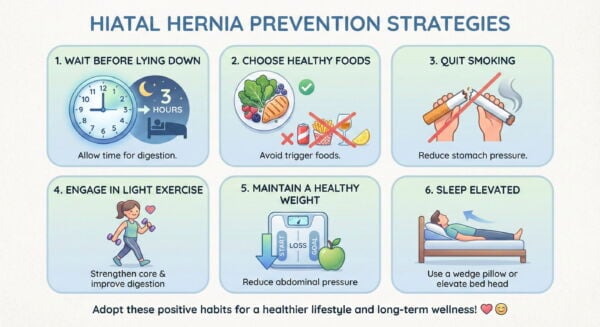
Prevention Strategies for Hiatal Hernias
Since hiatal hernias can develop without clear causes, prevention isn’t always achievable. However, according to the National Institute of Diabetes and Digestive and Kidney Diseases, certain factors may lower your risk:
Stop eating within three hours before bedtime: This practice prevents stomach acid from entering your esophagus if you have acid reflux, and helps prevent hiatal hernia development.
Control acid reflux: Beyond meal timing, your food choices influence reflux control, which can lead to hiatal hernias. Reduce your intake of carbonated drinks, alcohol, fried and fatty items, and acidic foods including citrus fruits and tomato-based sauces.
Quit smoking: Cigarette use increases hiatal hernia risk because chronic coughing stresses the diaphragm. Smokers also face higher postoperative infection risks following hernia repair surgery, another compelling reason to stop.
Modify your strength training: Heavy lifting raises intra-abdominal pressure, potentially worsening existing hiatal hernias. Choose lighter weights with increased repetitions rather than heavy weights with fewer reps.
Weight loss for those who are overweight or have obesity can help prevent hiatal hernias while reducing gastroesophageal reflux disease (GERD) risk, chronic acid reflux that can contribute to hiatal hernia development. Exploring incisionless weight loss procedures may be beneficial for some patients.
The Role of Diet and Lifestyle in Managing Hiatal Hernia Symptoms
Beyond medications and medical interventions, dietary modifications and lifestyle adjustments serve as the cornerstone of hiatal hernia management. Experts from Harvard Health recommend eating smaller, more frequent meals throughout the day rather than three large meals, as this approach reduces pressure on the stomach and minimizes acid reflux episodes. The types of foods you consume matter significantly; high-fiber, high-protein foods help you feel fuller longer and can reduce indigestion, while high-water-content fruits and vegetables can dilute stomach acid. Cooking methods also play a crucial role in symptom management. Instead of frying foods, try grilling, baking, or steaming, and use healthy fats like avocado, coconut, and olive oils to add flavor without triggering reflux. Regular exercise, particularly low-impact activities like walking, swimming, and cycling, can help with weight loss, which may improve hiatal hernia symptoms over time. However, it’s important to avoid high-intensity exercises or heavy abdominal workouts that increase intra-abdominal pressure and could worsen symptoms. By combining smart dietary choices with appropriate physical activity, many people find they can significantly reduce their discomfort and improve their quality of life.

Recognizing When Medical Attention Is Required
When you’ve received a hiatal hernia diagnosis and successfully manage symptoms using over-the-counter medications, prescription drugs, and home remedies, discussing the condition at your annual checkup suffices.
However, medical professionals recommend getting checked when you experience more than occasional discomfort and moderate pain episodes. WebMD advises seeking emergency care immediately if you develop these symptoms:
- Bloody stools (indicating gastrointestinal bleeding)
- Chest pain
- Breathing difficulties
- Severe abdominal pain
- Swallowing problems
- Vomiting (particularly with blood present)
Most hiatal hernia patients won’t face severe complications like these. Some people remain completely symptom-free. However, when pain begins limiting your daily activities, especially combined with chest tightness and frequent reflux, consulting the best hiatal hernia doctors in Tampa about additional helpful strategies is essential. The experienced team at Tampa Reflux can provide comprehensive evaluations and personalized treatment plans tailored to your specific needs. To learn more about our approach, visit our website or schedule a consultation.
For patients experiencing related conditions, understanding treatments for silent reflux (LPR), achalasia, or gastroparesis may also be beneficial. Resources like the NHS guide on hiatus hernia and Healthline’s comprehensive overview provide additional information for those seeking to learn more.
Conclusion
Living with a hiatal hernia doesn’t have to control your life. While this condition affects millions of people, especially those over 50, the majority can manage their symptoms effectively through a combination of lifestyle modifications, dietary changes, and appropriate medications. Remember that simple adjustments like eating smaller meals, avoiding trigger foods, elevating your bed, and maintaining a healthy weight can make a significant difference in your comfort level. Most cases don’t require surgery and can be managed with home remedies and over-the-counter treatments. However, staying vigilant about your symptoms and knowing when to seek medical attention is crucial. For evidence-based information, MedlinePlus and NCBI resources offer valuable medical research. By taking proactive steps and working closely with your healthcare provider, you can minimize discomfort and maintain a good quality of life despite having a hiatal hernia. Visit our blog for more articles on abdominal hernia and heartburn treatment options.
FAQs
Can a hiatal hernia go away on its own?
No, hiatal hernias don’t resolve on their own, but many people remain symptom-free without treatment. Lifestyle changes and medications can effectively manage symptoms when they do occur.
What foods should I avoid with a hiatal hernia?
Avoid acidic foods (citrus, tomatoes), spicy dishes, fried and fatty foods, carbonated beverages, alcohol, and caffeine. These can trigger or worsen acid reflux and heartburn symptoms.
Is surgery always necessary for a hiatal hernia?
No, most people don’t need surgery and can manage symptoms with lifestyle changes and medications. Surgery is only recommended when the condition becomes debilitating or doesn’t respond to conservative treatments.
Can I exercise if I have a hiatal hernia?
Yes, low-impact exercises like walking, swimming, and cycling are beneficial and may improve symptoms through weight loss. Avoid heavy lifting and high-intensity abdominal exercises that increase stomach pressure.
How long does it take for hiatal hernia symptoms to improve?
Symptoms often improve within a few weeks of implementing dietary changes and taking medications as prescribed. Individual recovery times vary depending on hernia severity and treatment adherence.


An endoscopy cannot tell you if you have reflux. It can only tell you if you have complications of GERD.
If you are unhappy with your reflux symptoms, come in and we can discuss testing and treatments that can accurately diagnose your problem.
#reflux #gerd #hiatalhernia #gastroparesis #linx

CALL US AT 813-922-2920
www.tampareflux.com
If you have a hiatal hernia and fit one of these categories, you should know your options.
Dr. Grandhige is an expert in his field and performs 200 of these surgeries a year. He is the only surgeon in the Tampa Bay Area who offers all surgical options - LINX, Fundoplications, TIF and will be one of 20 surgeons in America introducing the latest procedure RefluxStop in 2026.
We accept most insurances but will verify yours before you come in. These procedures are considered medically necessary and covered by your insurance. You can expect to pay your in-network deductibles and nothing else.
#hiatalhernia #reflux #GERD #LINX #refluxstop
What causes reflux ?
1. Weak lower esophageal sphincter
2. Hiatal hernia
3. Flattening of the Angle of His
4. Poor esophageal motility
5. Gastroparesis (slow stomach)
NOT increased acid production
Don’t let GERD get in the way of living your life. Request your appointment with us today on the link below.
.
.
.
.
https://tampareflux.com/contact-us/
Anyone can be victim to GERD and though weight loss can help reduce GERD symptoms. Many athletes with high impact workouts may continue to have these symptoms. This may be a symptom of a hiatal hernia or other issue. We are more then happy to assist you in finding your solution, just click the link below.
.
.
.
https://tampareflux.com/contact-us/
##healthylifestyle #workout #athletereflux #PPIs #heartburn #LINX #fundoplication #TIF #GERD#tampaheartburn #linx #TIF #fundoplication #tampabayreflux #GERD #acidreflux #acidrefluxsurgery #stopreflux
#nonsurgicalweightloss #ESG #gastricballoon #weightlossjourney #vsg #vsgjourney #spatz3 #orbera #orberaballoon #grandhige #DrG
#tampabayrefluxinstitute #guthealth #roboticsurgery
Heartburn may seem like an annoyance. But if you find yourself having symptoms on a daily basis, it may be time to to talk to Dr. Grandhige as it could be a symptom of something worse.
.
.
.
#chronicheartburn #gerdsymptoms #heartburnrelief #reflux #PPIs #heartburn #LINX #fundoplication #TIF #GERD#tampaheartburn #linx #TIF #fundoplication #tampabayreflux #GERD #acidreflux #acidrefluxsurgery #stopreflux
#nonsurgicalweightloss #ESG #gastricballoon #weightlossjourney #vsg #vsgjourney #spatz3 #orbera #orberaballoon #grandhige #DrG
#tampabayrefluxinstitute #guthealth #roboticsurgery
If you are tired of avoiding your favorite foods or taking daily medications, we can help.
We are the Tampa experts in reflux ! With years of experience and thousands of patients treated successfully, we offer all FDA approved anti-reflux procedures.
Call 813-922-2920 to schedule your appointment
All major insurances accepted.
Not all patients need surgical intervention. Many patients are living a heartburn free life with their PPIs. However 40% of patients taking PPIs are not getting the relief they need. If you are one of those, you have options! Come in and find out more.
.
.
.
.
#letushelpyou #medsnotworking #reflux #PPIs #heartburn #LINX #fundoplication #TIF #GERD#tampaheartburn #linx #TIF #fundoplication #tampabayreflux #GERD #acidreflux #acidrefluxsurgery #stopreflux
#nonsurgicalweightloss #ESG #gastricballoon #weightlossjourney #vsg #vsgjourney #spatz3 #orbera #orberaballoon #grandhige #DrG
#tampabayrefluxinstitute #guthealth #roboticsurgery
#heartburn #stopreflux #hiatalherniarepair #severeheartburn #reflux #tampabayreflux #acidrefluxsurgery #tampaheartburn #GERD #PPIs #achalasia #LINX #TIF #tampareflux #fundoplication #stomach #digestivehealth #ESG #obesity #overweight #weightlossjourney #gastricballoon


