

Written By: Dr. Ahmad Saad, Health Content Writer
Medically Reviewed By: Dr. Gopal Grandhige, MD, FACS, Board-Certified Surgeon
Last Reviewed: January 27, 2026
Does pregnancy cause heartburn? Yes, pregnancy heartburn affects approximately 20% of women in the first trimester, 40% in the second trimester, and over 70% in the third trimester. This common condition occurs when progesterone, the hormone that maintains pregnancy, relaxes the esophageal sphincter, allowing stomach acid to flow backward and cause burning sensations in the chest and throat.
What causes heartburn during pregnancy? Two primary factors drive pregnancy heartburn: hormonal changes and physical pressure. Progesterone relaxes the muscular ring between your esophagus and stomach, while your expanding uterus pushes stomach contents upward, especially in later trimesters.
How can you relieve pregnancy heartburn naturally? The most effective natural remedies include eating smaller meals, avoiding trigger foods (fatty, spicy, and acidic items), remaining upright after eating, elevating your head while sleeping, and allowing three hours between dinner and bedtime. These lifestyle modifications can significantly reduce symptom frequency and severity without medication.
Is heartburn medication safe during pregnancy? Antacids containing calcium carbonate or magnesium are generally safe during pregnancy, though you should always consult your healthcare provider before taking any medication. Avoid antacids with sodium bicarbonate or aspirin, which can cause complications.
Understanding the Root Causes of Pregnancy Heartburn
If hormones came to mind first, you’re partially correct.
Progesterone, the hormone essential for safeguarding early pregnancy, has the side effect of relaxing smooth muscles throughout your body. This includes the oesophageal sphincter, the muscular ring positioned between your oesophagus (the passage connecting your mouth to your stomach) and your stomach itself. This sphincter normally acts as a seal, preventing stomach contents from flowing backward. When progesterone causes excessive relaxation of this muscle, stomach acid can travel upward into your oesophagus and throat, resulting in a burning sensation and discomfort.
During early pregnancy, progesterone levels rise dramatically and may trigger heartburn symptoms even in the first trimester. This can be particularly challenging when combined with morning sickness.
Later in pregnancy, as your baby develops and grows larger, your expanding uterus applies pressure to your stomach, intensifying heartburn discomfort. This mechanism is similar to how conditions like hiatal hernias can create pressure that allows stomach acid to escape into the esophagus.
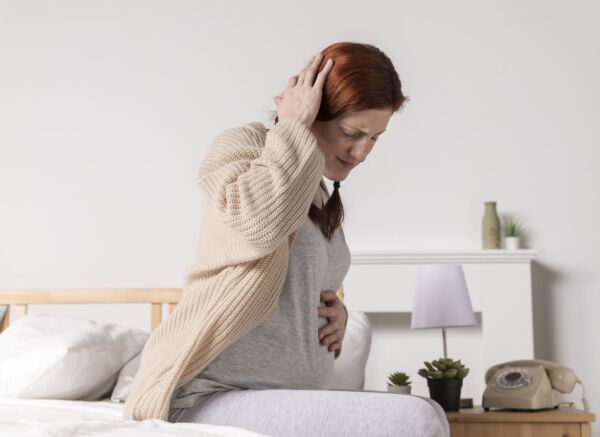
Recognizing the Symptoms
Pregnancy experiences vary from woman to woman. Nevertheless, these are the typical indicators of heartburn or indigestion during pregnancy:
- A burning sensation or pain located behind the breastbone, typically occurring shortly after meals, though it may develop later
- Throat soreness or burning sensation at the throat’s back, occasionally accompanied by coughing
- An unpleasant acidic, bitter, or sour taste lingering in your mouth
- Sensations of excessive fullness and heaviness following meals
- Excessive and/or repeated burping
- Nausea and vomiting
These symptoms usually manifest after eating but can occur at various times throughout the day. If you experience persistent symptoms beyond pregnancy, you may be dealing with GERD, which requires professional evaluation. For comprehensive information on symptom recognition, MedlinePlus provides detailed guidance on heartburn indicators.
Risk Factors for Pregnancy Heartburn
Certain factors increase susceptibility to heartburn. Women with previous pregnancies face higher odds of experiencing heartburn compared to first-time mothers. Similarly, women with elevated BMI levels before conception and during pregnancy show increased likelihood. Some women may benefit from learning about incisionless weight loss procedures to manage weight-related reflux issues after pregnancy.
Pregnancy smoking poses severe health dangers to both mother and child while also dramatically worsening heartburn symptoms.
The progression of pregnancy naturally correlates with increased heartburn frequency and intensity. According to Johns Hopkins Medicine, statistics indicate approximately 20% of pregnant women experience heartburn during the first trimester, 40% in the second trimester, and more than 70% during the third trimester.
Interestingly, an old wives’ tale received limited scientific support from a small-scale study suggesting that women carrying babies with fuller hair experienced more intense heartburn than those expecting babies with less hair. Due to the study’s limited scope, additional research is needed to confirm any connection between heartburn severity and fetal hair growth.
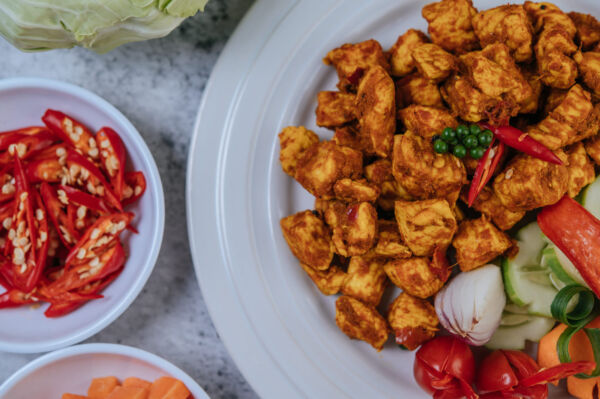
Triggers That Intensify Heartburn
Certain eating patterns and lifestyle behaviors can initiate or aggravate symptoms:
- Consuming fatty, fried, rich, or heavily spiced meals
- Including acidic items like tomatoes (including tomato-based sauces) and citrus fruits in your diet
- Rapid eating
- Consuming carbonated beverages and caffeinated drinks
- Certain fruit juices
- Reclining in a flat position
- Bending forward, particularly shortly after eating
Understanding these common heartburn triggers can help you make informed dietary choices throughout your pregnancy. The American Gastroenterological Association also offers evidence-based recommendations for managing reflux symptoms.
Strategies to Minimize Symptom Severity
Consider these approaches to manage or lessen your symptoms:
- Prioritizing wholesome and uncomplicated food choices
- Steering clear of rich or tomato-heavy sauces, spicy chilli-containing foods, and fatty or fried items
- Eating at a slower pace
- Pausing between bites
- Maintaining upright posture during meals
- Limiting liquid intake during meals to small sips, or avoiding drinking while eating altogether
- Postponing your favorite carbonated drinks, caffeinated beverages, and fruit juices until after delivery
- Elevating your upper body while sleeping, consider raising your bed’s head by placing one or two books beneath the bed legs, positioning a cushion under your mattress, or simply adding extra pillows to elevate your head and shoulders
- Allowing a minimum of 3 hours between your last evening meal and bedtime
- Adopting a side-sleeping position
- Minimizing bending movements and strenuous physical activity immediately after eating
For comprehensive guidance on managing acid reflux symptoms, the American College of Gastroenterology provides evidence-based recommendations that align with pregnancy-safe approaches. Additionally, WebMD’s heartburn guide offers practical tips for symptom relief.

The Connection Between Heartburn and Sleep Quality
Sleep disturbances are already common during pregnancy, and heartburn can make restful nights even more elusive. When you lie flat, gravity no longer helps keep stomach acid where it belongs, making nighttime one of the most challenging periods for managing reflux symptoms. Many expectant mothers find themselves waking multiple times throughout the night with that familiar burning sensation, leading to exhaustion that compounds other pregnancy discomforts.
The cumulative effect of sleep deprivation can impact everything from mood and energy levels to your body’s ability to manage stress and maintain healthy blood pressure. For individuals with chronic reflux conditions, silent reflux (LPR) can also disrupt sleep without the typical burning sensation. This is why implementing preventive measures before bedtime, such as eating dinner early, avoiding trigger foods in evening meals, and sleeping in an elevated position, becomes crucial not just for symptom management, but for overall maternal wellbeing throughout pregnancy.
When Medical Consultation Becomes Necessary
Contact your midwife or GP if dietary and lifestyle changes provide minimal relief or if heartburn significantly impacts your daily quality of life. If you’re experiencing severe symptoms, consulting with experienced hiatal hernia doctors can help rule out structural issues contributing to your reflux.
Over-the-counter (OTC) antacids are available for purchase and can provide temporary symptom relief. These medications are also available through prescription if needed. Should OTC options prove ineffective, your GP can prescribe more potent medications following a proper consultation. The Cleveland Clinic notes that while most pregnancy heartburn resolves after delivery, persistent symptoms may require further investigation. Our Tampa Reflux specialists provide comprehensive evaluations for ongoing digestive concerns.

Safe Medication Options and What to Avoid
While lifestyle modifications should always be your first line of defense, understanding which medications are safe during pregnancy can provide peace of mind when symptoms become overwhelming. Antacids containing calcium carbonate or magnesium are generally considered safe and can offer quick relief by neutralizing stomach acid. However, pregnant women should avoid antacids containing sodium bicarbonate (which can cause fluid retention) or aspirin (linked to potential complications).
H2 blockers and certain proton pump inhibitors may be prescribed for severe cases, but these should only be taken under medical supervision. According to the National Institute of Diabetes and Digestive and Kidney Diseases, understanding the proper use of acid-reducing medications is essential for safe treatment. Always inform your healthcare provider about any supplements or herbal remedies you’re considering, as some natural products marketed for digestive relief can interact with prenatal vitamins or pose risks during pregnancy.
For women with pre-existing digestive conditions like gastroparesis or achalasia, pregnancy can present additional challenges that require specialized medical guidance. Understanding abdominal hernia and heartburn treatment options can be valuable if structural issues are contributing to your symptoms. Remember that self-medicating, even with over-the-counter products, requires caution during this sensitive time. Resources like Harvard Health provide valuable information on safe medication practices.
Conclusion
Heartburn during pregnancy is an incredibly common experience that affects the majority of expectant mothers, particularly as pregnancy progresses into the later trimesters. While the combination of hormonal changes and physical pressure from your growing baby makes this condition difficult to avoid entirely, understanding the underlying causes and implementing preventive strategies can significantly reduce both the frequency and severity of symptoms.
Simple dietary modifications, mindful eating habits, and positional adjustments, especially around mealtimes and bedtime, form the foundation of effective symptom management. When lifestyle changes alone aren’t sufficient, safe medication options are available under medical guidance to ensure both your comfort and your baby’s wellbeing. The NHS guide on heartburn and acid reflux offers practical advice that complements pregnancy-specific recommendations.
For those who continue to experience reflux symptoms after delivery, advanced treatment options such as fundoplication surgery, the LINX Reflux Management System, or TIF with EsophyX may provide long-term relief. Remember that you don’t have to suffer in silence; maintaining open communication with your healthcare provider ensures you receive appropriate support throughout your pregnancy journey.
If you’re seeking expert care for reflux-related concerns, whether during pregnancy or beyond, visit Tampa Reflux or contact us for a comprehensive evaluation. You can also explore more information on digestive health topics through our blog, allowing you to focus on the joy of expecting rather than the discomfort of heartburn.
FAQs
Can heartburn harm my baby during pregnancy?
No, heartburn itself doesn’t harm your baby, though it can significantly affect your comfort and sleep quality. The symptoms you experience are contained within your digestive system and don’t impact your baby’s development.
Why does heartburn get worse as pregnancy progresses?
Heartburn typically worsens because your growing uterus puts increasing pressure on your stomach, pushing acid upward. Additionally, progesterone levels remain elevated throughout pregnancy, continuing to relax the oesophageal sphincter.
Is it safe to take antacids while pregnant?
Most antacids containing calcium carbonate or magnesium are safe during pregnancy, but always consult your healthcare provider first. Avoid antacids with sodium bicarbonate or aspirin, as these can cause complications.
Will heartburn disappear after I give birth?
Yes, most women experience complete relief from pregnancy-related heartburn shortly after delivery once hormone levels normalize. The pressure from your uterus also disappears, allowing your digestive system to return to normal function.
Should I eat smaller meals to prevent heartburn?
Yes, eating smaller, more frequent meals throughout the day helps prevent your stomach from becoming too full, reducing pressure and acid production. This approach, combined with eating slowly, is one of the most effective dietary strategies.


An endoscopy cannot tell you if you have reflux. It can only tell you if you have complications of GERD.
If you are unhappy with your reflux symptoms, come in and we can discuss testing and treatments that can accurately diagnose your problem.
#reflux #gerd #hiatalhernia #gastroparesis #linx

CALL US AT 813-922-2920
www.tampareflux.com
If you have a hiatal hernia and fit one of these categories, you should know your options.
Dr. Grandhige is an expert in his field and performs 200 of these surgeries a year. He is the only surgeon in the Tampa Bay Area who offers all surgical options - LINX, Fundoplications, TIF and will be one of 20 surgeons in America introducing the latest procedure RefluxStop in 2026.
We accept most insurances but will verify yours before you come in. These procedures are considered medically necessary and covered by your insurance. You can expect to pay your in-network deductibles and nothing else.
#hiatalhernia #reflux #GERD #LINX #refluxstop
What causes reflux ?
1. Weak lower esophageal sphincter
2. Hiatal hernia
3. Flattening of the Angle of His
4. Poor esophageal motility
5. Gastroparesis (slow stomach)
NOT increased acid production
Don’t let GERD get in the way of living your life. Request your appointment with us today on the link below.
.
.
.
.
https://tampareflux.com/contact-us/
Anyone can be victim to GERD and though weight loss can help reduce GERD symptoms. Many athletes with high impact workouts may continue to have these symptoms. This may be a symptom of a hiatal hernia or other issue. We are more then happy to assist you in finding your solution, just click the link below.
.
.
.
https://tampareflux.com/contact-us/
##healthylifestyle #workout #athletereflux #PPIs #heartburn #LINX #fundoplication #TIF #GERD#tampaheartburn #linx #TIF #fundoplication #tampabayreflux #GERD #acidreflux #acidrefluxsurgery #stopreflux
#nonsurgicalweightloss #ESG #gastricballoon #weightlossjourney #vsg #vsgjourney #spatz3 #orbera #orberaballoon #grandhige #DrG
#tampabayrefluxinstitute #guthealth #roboticsurgery
Heartburn may seem like an annoyance. But if you find yourself having symptoms on a daily basis, it may be time to to talk to Dr. Grandhige as it could be a symptom of something worse.
.
.
.
#chronicheartburn #gerdsymptoms #heartburnrelief #reflux #PPIs #heartburn #LINX #fundoplication #TIF #GERD#tampaheartburn #linx #TIF #fundoplication #tampabayreflux #GERD #acidreflux #acidrefluxsurgery #stopreflux
#nonsurgicalweightloss #ESG #gastricballoon #weightlossjourney #vsg #vsgjourney #spatz3 #orbera #orberaballoon #grandhige #DrG
#tampabayrefluxinstitute #guthealth #roboticsurgery
If you are tired of avoiding your favorite foods or taking daily medications, we can help.
We are the Tampa experts in reflux ! With years of experience and thousands of patients treated successfully, we offer all FDA approved anti-reflux procedures.
Call 813-922-2920 to schedule your appointment
All major insurances accepted.
Not all patients need surgical intervention. Many patients are living a heartburn free life with their PPIs. However 40% of patients taking PPIs are not getting the relief they need. If you are one of those, you have options! Come in and find out more.
.
.
.
.
#letushelpyou #medsnotworking #reflux #PPIs #heartburn #LINX #fundoplication #TIF #GERD#tampaheartburn #linx #TIF #fundoplication #tampabayreflux #GERD #acidreflux #acidrefluxsurgery #stopreflux
#nonsurgicalweightloss #ESG #gastricballoon #weightlossjourney #vsg #vsgjourney #spatz3 #orbera #orberaballoon #grandhige #DrG
#tampabayrefluxinstitute #guthealth #roboticsurgery
#heartburn #stopreflux #hiatalherniarepair #severeheartburn #reflux #tampabayreflux #acidrefluxsurgery #tampaheartburn #GERD #PPIs #achalasia #LINX #TIF #tampareflux #fundoplication #stomach #digestivehealth #ESG #obesity #overweight #weightlossjourney #gastricballoon


