
Written By: Jeffrey Atlas, Health Content Writer
Medically Reviewed By: Dr. Gopal Grandhige, MD, FACS, Board-Certified Surgeon
Last Reviewed: April 27, 2026
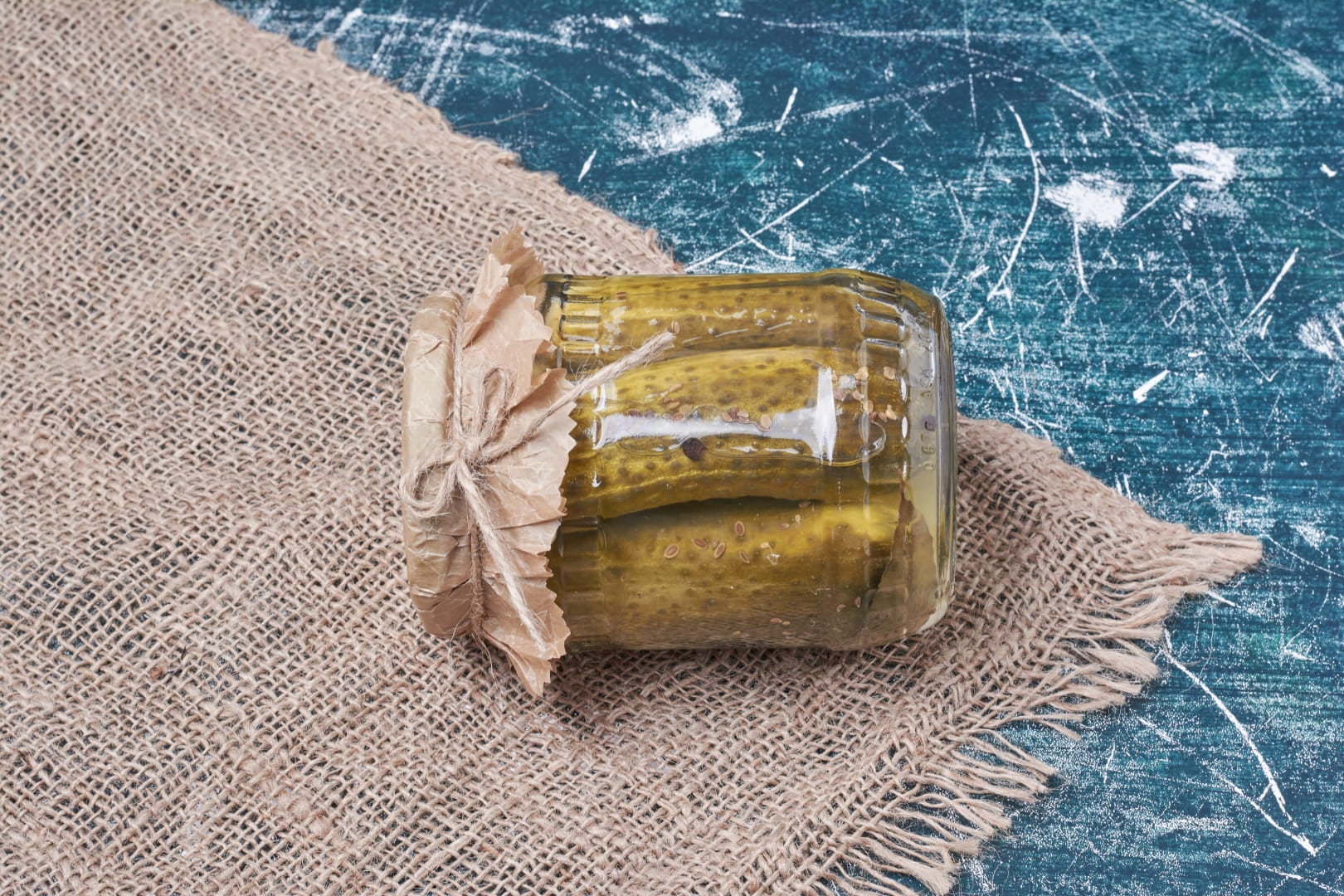
Pickled foods can trigger acid reflux because of their high acidity and sodium content, but not all pickled foods affect GERD the same way. Vinegar-based pickles (like dill pickles) tend to worsen acid reflux more than fermented pickles (like kimchi and sauerkraut), because acetic acid is sharper and more irritating to the lower esophageal sphincter (LES) than the lactic acid produced through fermentation. Most pickled foods have a pH between 3.0 and 4.5 and contain 500 to 1,200 mg of sodium per 100g, a combination that can relax the LES, increase abdominal pressure, and push stomach acid back into the esophagus.
That said, people with mild reflux can often still enjoy pickled foods in moderation by choosing fermented varieties, watching portion sizes, and avoiding them before bedtime. Fermented pickles also provide probiotics that may support digestion and reduce inflammation over time.
Below, we break down exactly how pickled foods interact with acid reflux, compare fermented vs. vinegar-based pickling, and share practical strategies for enjoying tangy flavors without triggering heartburn.
How the Acidity in Pickled Foods Influences Acid Reflux
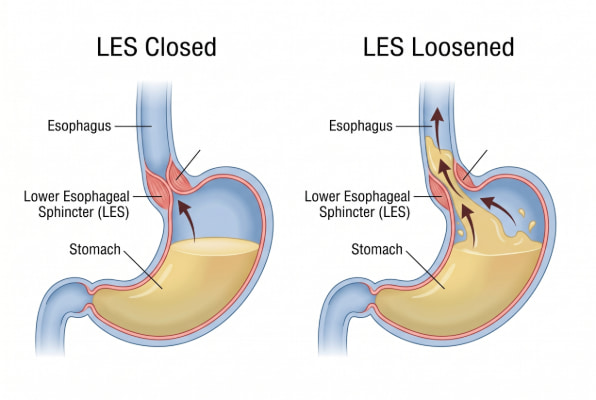
Most pickled foods are preserved using vinegar or brine solutions, giving them a naturally high acid content. For individuals dealing with acid reflux, medically referred to as gastroesophageal reflux disease (GERD), this elevated acidity can become troublesome. The lower esophageal sphincter (LES) functions as a barrier that prevents stomach acid from rising back into the esophagus. Whenever this muscular valve becomes weak or relaxes at the wrong moment, acidic stomach contents can travel upward, producing the well-known burning sensation associated with reflux.
Vinegar, the central component in nearly every pickling recipe, carries a low pH, generally falling somewhere between 2 and 3. That makes it noticeably acidic. Eating pickled items adds extra acid to both the stomach and esophagus, potentially intensifying issues such as heartburn, food regurgitation, and chest tightness. Those who frequently struggle with reflux often notice symptom flare-ups shortly after eating things like pickled cucumbers, kimchi, sauerkraut, or other fermented produce. For some people, persistent symptoms may indicate underlying conditions like silent reflux (LPR) that require professional evaluation.
On top of that, the high salt levels in pickled foods can stir up stomach irritation and contribute to fluid retention. Excessive sodium consumption may also encourage long-term inflammation along the esophageal lining. When acidity and saltiness team up, pickled products often become a frequent culprit behind acid reflux flare-ups.
The Way Vinegar in Pickled Foods Influences the Lower Esophageal Sphincter
Think of the LES as the doorway connecting your stomach and esophagus. Working correctly, it swings open to let food pass through and then seals shut afterward. But acidic ingredients like vinegar can momentarily loosen this muscle, making it easier for stomach acid to slip back up. In severe cases where the LES is compromised by structural issues, advanced treatments like the LINX reflux management system may be recommended.
Research has demonstrated that consuming acidic foods and drinks tends to lower the pressure within the LES. Decreased LES pressure translates to weaker resistance against stomach contents flowing in reverse. Anyone living with GERD or recurring heartburn finds this especially troublesome since it ramps up both how often and how intensely reflux episodes occur.
Beyond directly weakening LES performance, acidic foods can also inflame the esophagus itself. This kind of inflammation, called esophagitis, can make swallowing uncomfortable and heighten sensitivity whenever acid travels upward. When chronic inflammation persists, surgical interventions like fundoplication procedures may become necessary to restore proper LES function.
Nutritional Breakdown of Popular Pickled Foods
Knowing what’s actually inside pickled foods sheds light on why certain varieties may aggravate reflux more than others, depending on how they’re made. Below is a chart showing the acidity (pH), sodium amounts per serving, and typical serving sizes for several common pickled products:
| Pickled Food | Average pH Level | Sodium Content (mg per 100g) |
| Dill Pickles | 3.0 to 3.5 | 800 to 1200 |
| Sauerkraut | 3.4 to 3.6 | 700 to 900 |
| Korean Kimchi | 4.2 to 4.5 | 500 to 1000 |
| Balsamic Pickled Onions | 3.1 to 3.4 | 600 to 900 |
Two main takeaways stand out from these figures: first, the majority of pickled vegetables sit firmly in an acidic pH zone capable of irritating sensitive digestive systems; second, their sodium counts run considerably higher than what you’d find in fresh produce.
How Sodium Worsens Acid Reflux Symptoms
Salt plays a critical role in preservation, but it’s hardly ideal for anyone managing GERD. Eating too much sodium can trigger water retention that leads to bloating and ramped-up abdominal pressure, both of which are well-documented contributors to reflux because they push stomach contents in the wrong direction. This abdominal pressure can be particularly problematic for those with hiatal hernias, where part of the stomach pushes through the diaphragm.
Beyond that, salt-heavy diets can change how sensitive the gastric lining becomes and slow down how quickly the stomach empties, two more reasons why salty pickled snacks tend to amplify reflux discomfort once digestion kicks in. People with gastroparesis may find this delayed emptying particularly troublesome, as their stomachs already struggle to process food efficiently.
Comparing Fermentation-Based vs. Vinegar-Based Pickling for Acid Reflux Sensitivity
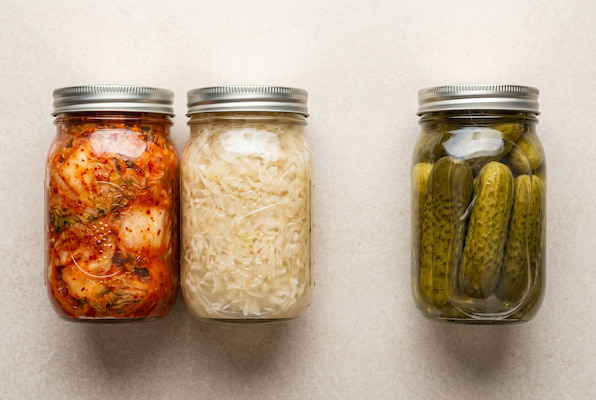
When it comes to triggering acid reflux, not every pickling technique behaves the same way. Two popular approaches stand out: fermentation-based pickling (used for items like kimchi and sauerkraut) and vinegar-based pickling (used for products like dill pickles).
In fermentation, lactic acid develops naturally thanks to bacterial activity, rather than being introduced through vinegar. Although still acidic, fermented products generally exhibit a softer acidity compared to their vinegar-brined counterparts because lactic acid treats the digestive tract more gently than the acetic acid found in vinegar.
Fermented options also deliver probiotics, helpful bacteria that nurture gut health by maintaining balance among intestinal microorganisms. According to Johns Hopkins Medicine, certain fermented foods can be incorporated into a reflux-friendly diet when chosen thoughtfully. For certain individuals dealing with mild reflux, these probiotics may actually assist with digestion and gradually ease inflammation.
That said, fermented pickles aren’t entirely risk-free given their acid and salt levels; anyone with serious GERD should keep an eye on how their body responds and may want to consult specialists in reflux management for personalized guidance.
Comparing Acetic Acid and Lactic Acid in Their Effects on GERD
Acetic acid, vinegar’s main acid, delivers a sharper sour bite and a lower pH compared to the lactic acid created through fermentation. That heightened acidity often produces stronger esophageal irritation whenever reflux strikes.
Because lactic acid behaves more gently, it’s less prone to triggering an instant burn, though it still adds to the overall acid burden inside the stomach. People dealing with conditions like achalasia, where the esophagus struggles to move food downward, may be especially sensitive to acid buildup.
Anyone particularly sensitive to acetic acid may find fermented pickles a bit kinder to the digestive system, but caution is still wise if heartburn or regurgitation shows up regularly.
The Science Behind Acid Reflux Triggers: Why Certain Pickled Foods Cause More Trouble
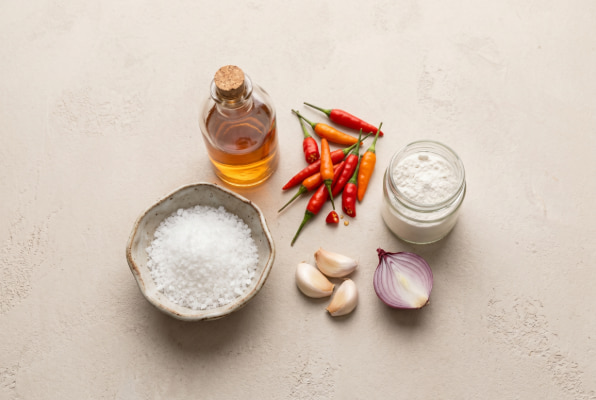
Reflux triggers differ greatly from one person to another based on individual biology and eating patterns; even so, several specific chemical elements reliably stir up symptoms:
- Aggressive Acids: Vinegar-derived acids are particularly effective at relaxing the LES.
- Sodium Overload: Excessive salt elevates gastric pressure, prompting backflow.
- Capsaicin & Spices: Found in spicy pickles (such as certain kimchi varieties), these compounds further inflame the mucosa.
- Additives & Preservatives: Some store-bought brands include flavor enhancers that may worsen symptoms.
- Pungent Aromatics: Natural compounds present in garlic or onions used during pickling can spark sensitivity reactions.
How these elements combine depends on the specific recipe, which explains why two people with similar acidity tolerances can have completely different reactions to the same product. For chronic sufferers, exploring minimally invasive treatment options like TIF with EsophyX might offer relief beyond dietary changes alone.
Strategies for Handling Acid Reflux While Still Enjoying Pickled Foods in Moderation
If tangy pickles are a favorite of yours but the post-meal chest burn isn’t, give these practical tactics a try:
- Choose gentler fermented varieties: Whip up homemade sauerkraut or kimchi using less salt.
- Keep portions small: Modest servings cut down on total acid intake.
- Pair with the right drinks: Sip water or alkaline beverages while eating anything containing pickles.
- Skip spicy versions: Steer clear of heavily seasoned or chili-packed varieties.
- Eat earlier in the day: Having acidic foods well ahead of bedtime lowers the chance of nighttime reflux, as recommended by NHS guidelines.
- Combine with buffering foods: Serve alongside non-acidic produce or whole grains.
- Try vinegar-free quick pickles: Swap in lemon juice or gentle brines instead of harsh vinegar mixes.
- Be mindful of timing: Don’t eat pickles on an empty stomach where acids meet the bare stomach lining head-on.
Combining moderation with thoughtful selections allows plenty of people to keep enjoying pickled foods without setting off uncomfortable flare-ups. For additional strategies, the Tampa Bay Reflux Institute blog regularly publishes helpful guidance on managing dietary triggers.

Why Tolerance to Pickles Differs From Person to Person
Reactions to acidic and salty foods like pickles vary widely from one individual to the next, and several factors shape that susceptibility:
- Anatomical Differences: Certain people are simply born with more robust LES muscles that block backflow more effectively, while others may have structural issues like an abdominal hernia contributing to heartburn.
- Dietary Habits: Regularly eating spicy or acidic dishes can build tolerance over time for some.
- Stress Levels: Mental stress amplifies sensitivity by ramping up gastric secretions and intensifying GERD symptoms.
- Lifestyle Choices: Smoking and drinking alcohol weaken LES performance, magnifying trigger effects.
- Gut Health Foundations: A well-balanced microbiome bolsters digestion and softens overall symptom intensity.
Given all this variation, one-size-fits-all advice rarely works. Careful personal experimentation guided by medical input from experienced hiatal hernia doctors in Tampa, FL remains essential for handling triggers without imposing needless dietary limitations. For patients also managing weight-related reflux concerns, incisionless weight loss procedures may complement dietary management strategies.
Dietary Alternatives That Recreate Pickle Flavors Without Triggering Acid Reflux
If steering clear of standard vinegar-based pickles is a must but you still long for that signature tangy kick, consider these substitutes:
- Quick-Pickles Made With Lemon Juice: Reach for fresh lemon juice thinned out with water as a stand-in for vinegar to achieve a softer level of acidity.
- Cucumber Salad Tossed in Yogurt Dressing: Delivers a zesty bite while staying gentle on the stomach thanks to the probiotic content found in yogurt.
- Homemade Mild Fermented Vegetables Prepared Without Extra Salt or Vinegar: Carefully managed fermentation tones down the sharpness while keeping flavors layered and interesting.
- Sour Fruit Chutneys Made With Less Sugar and Lighter Spice: Their balanced sweet-and-sour character keeps stomach acid from surging dramatically.
Making these swaps lets you keep savoring bold flavors while cutting down on the chance of a GERD flare-up, a true win-win for anyone with a sensitive digestive system!
Conclusion
Pickled foods sit in a tricky spot for anyone managing acid reflux. Their high acidity, often combined with substantial sodium content, can weaken the lower esophageal sphincter and intensify symptoms like heartburn, regurgitation, and chest discomfort. That said, not every pickled item affects the body the same way. Fermented options like kimchi and sauerkraut tend to be gentler than vinegar-based varieties, and individual tolerance varies based on anatomy, lifestyle, and overall gut health.
The key takeaway is that you don’t necessarily have to give up pickles entirely. By practicing moderation, choosing fermented over vinegar-brined varieties when possible, watching portion sizes, and timing your meals wisely, many people with GERD can still enjoy these tangy favorites without paying the price afterward. When in doubt, pay close attention to how your body responds and contact the Tampa Bay Reflux Institute or another trusted healthcare provider for guidance tailored to your specific situation.
FAQs
Are all pickled foods bad for acid reflux?
Not necessarily, fermented pickles like kimchi and sauerkraut are typically gentler than vinegar-based ones. However, both types can still trigger symptoms in highly sensitive individuals.
Which is worse for GERD: vinegar pickles or fermented pickles?
Vinegar-based pickles are usually harder on reflux sufferers because acetic acid is sharper and more irritating than lactic acid. Fermented varieties also offer probiotic benefits that may support digestion.
Can I eat pickles at night if I have acid reflux?
It’s best to avoid pickles close to bedtime since lying down soon after eating acidic foods increases the risk of nighttime reflux. Try enjoying them earlier in the day instead.
Does the salt in pickles really make reflux worse?
Yes, high sodium can cause bloating, fluid retention, and increased abdominal pressure that pushes stomach contents upward. It can also slow digestion and irritate the gastric lining over time.
Are there pickle alternatives that won’t trigger heartburn?
Lemon-juice quick pickles, yogurt-based cucumber salads, and low-salt homemade ferments are gentler options. They deliver tangy flavor without the harsh acidity of traditional vinegar brines.


An endoscopy cannot tell you if you have reflux. It can only tell you if you have complications of GERD.
If you are unhappy with your reflux symptoms, come in and we can discuss testing and treatments that can accurately diagnose your problem.
#reflux #gerd #hiatalhernia #gastroparesis #linx

CALL US AT 813-922-2920
www.tampareflux.com
If you have a hiatal hernia and fit one of these categories, you should know your options.
Dr. Grandhige is an expert in his field and performs 200 of these surgeries a year. He is the only surgeon in the Tampa Bay Area who offers all surgical options - LINX, Fundoplications, TIF and will be one of 20 surgeons in America introducing the latest procedure RefluxStop in 2026.
We accept most insurances but will verify yours before you come in. These procedures are considered medically necessary and covered by your insurance. You can expect to pay your in-network deductibles and nothing else.
#hiatalhernia #reflux #GERD #LINX #refluxstop
What causes reflux ?
1. Weak lower esophageal sphincter
2. Hiatal hernia
3. Flattening of the Angle of His
4. Poor esophageal motility
5. Gastroparesis (slow stomach)
NOT increased acid production
Don’t let GERD get in the way of living your life. Request your appointment with us today on the link below.
.
.
.
.
https://tampareflux.com/contact-us/
Anyone can be victim to GERD and though weight loss can help reduce GERD symptoms. Many athletes with high impact workouts may continue to have these symptoms. This may be a symptom of a hiatal hernia or other issue. We are more then happy to assist you in finding your solution, just click the link below.
.
.
.
https://tampareflux.com/contact-us/
##healthylifestyle #workout #athletereflux #PPIs #heartburn #LINX #fundoplication #TIF #GERD#tampaheartburn #linx #TIF #fundoplication #tampabayreflux #GERD #acidreflux #acidrefluxsurgery #stopreflux
#nonsurgicalweightloss #ESG #gastricballoon #weightlossjourney #vsg #vsgjourney #spatz3 #orbera #orberaballoon #grandhige #DrG
#tampabayrefluxinstitute #guthealth #roboticsurgery
Heartburn may seem like an annoyance. But if you find yourself having symptoms on a daily basis, it may be time to to talk to Dr. Grandhige as it could be a symptom of something worse.
.
.
.
#chronicheartburn #gerdsymptoms #heartburnrelief #reflux #PPIs #heartburn #LINX #fundoplication #TIF #GERD#tampaheartburn #linx #TIF #fundoplication #tampabayreflux #GERD #acidreflux #acidrefluxsurgery #stopreflux
#nonsurgicalweightloss #ESG #gastricballoon #weightlossjourney #vsg #vsgjourney #spatz3 #orbera #orberaballoon #grandhige #DrG
#tampabayrefluxinstitute #guthealth #roboticsurgery
If you are tired of avoiding your favorite foods or taking daily medications, we can help.
We are the Tampa experts in reflux ! With years of experience and thousands of patients treated successfully, we offer all FDA approved anti-reflux procedures.
Call 813-922-2920 to schedule your appointment
All major insurances accepted.
Not all patients need surgical intervention. Many patients are living a heartburn free life with their PPIs. However 40% of patients taking PPIs are not getting the relief they need. If you are one of those, you have options! Come in and find out more.
.
.
.
.
#letushelpyou #medsnotworking #reflux #PPIs #heartburn #LINX #fundoplication #TIF #GERD#tampaheartburn #linx #TIF #fundoplication #tampabayreflux #GERD #acidreflux #acidrefluxsurgery #stopreflux
#nonsurgicalweightloss #ESG #gastricballoon #weightlossjourney #vsg #vsgjourney #spatz3 #orbera #orberaballoon #grandhige #DrG
#tampabayrefluxinstitute #guthealth #roboticsurgery
#heartburn #stopreflux #hiatalherniarepair #severeheartburn #reflux #tampabayreflux #acidrefluxsurgery #tampaheartburn #GERD #PPIs #achalasia #LINX #TIF #tampareflux #fundoplication #stomach #digestivehealth #ESG #obesity #overweight #weightlossjourney #gastricballoon


