

Written By: Jeffrey Atlas, Health Content Writer
Medically Reviewed By: Dr. Gopal Grandhige, MD, FACS, Board-Certified Surgeon
Last Reviewed: March 19, 2026
Gastroparesis is a digestive condition where the stomach empties food much slower than normal, causing nausea, vomiting, bloating, and abdominal pain. Women are diagnosed more often (68.5% of cases), and diabetes is the leading cause at 57.7%. Managing the condition requires a low-fat, low-fiber diet with smaller, frequent meals, along with attention to hydration and mental health. Seek medical care if you experience dehydration, can’t keep fluids down for multiple days, or notice warning signs like dark urine, confusion, or irregular heartbeat.
Understanding Gastroparesis
Those who have this condition often develop a cautious relationship with eating. That’s because any given bite might send their digestive system spiraling into discomfort, including stomach pain, nausea, and vomiting.
Many individuals describe symptoms such as bloating or feeling uncomfortably full after consuming just a small amount.
The simple pleasure of looking forward to a meal becomes a thing of the past. For numerous people managing this condition, figuring out what foods to eat and the right timing demands a level of discipline and awareness that can become overwhelming at times.
“The dietary adjustments required for gastroparesis can be extremely difficult for patients. They need to consume smaller portions throughout the day and stay away from large meals. These modifications can also interfere with social gatherings centered around food and diminish the enjoyment of those events.”
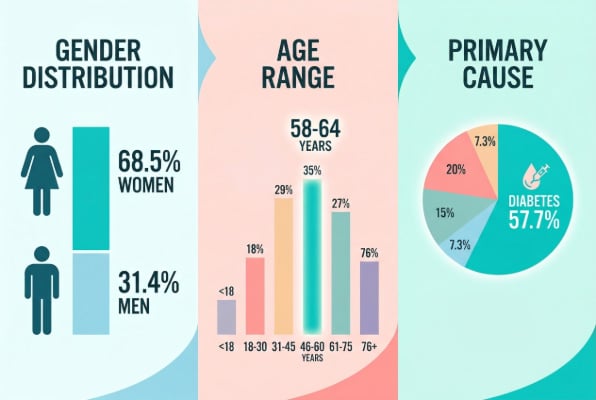
Gastroparesis Statistics at a Glance
- By gender: Women receive this diagnosis more frequently, accounting for 68.5 percent of cases, while men represent 31.4 percent
- By age: The condition appears most often in adults aged 58 to 64
- Primary cause: Diabetes-related gastroparesis leads at 57.7 percent compared to other underlying conditions
Common Types and Causes of Gastroparesis
Medical professionals typically classify gastroparesis into three main categories based on the underlying cause: diabetic, postsurgical, and idiopathic. Idiopathic gastroparesis, where the cause remains unknown, accounts for approximately 50% of cases and often affects young or middle-aged women. Diabetic gastroparesis develops when high blood sugar levels damage the nerves and blood vessels that control stomach function, making it a form of diabetic neuropathy. This type is more frequent and severe in patients with type 1 diabetes but also occurs in those with type 2 diabetes. Postsurgical gastroparesis can develop when surgery on or near the stomach injures the vagus nerve, which coordinates digestive movements. Additionally, certain viral infections, including Norwalk virus, rotavirus, and Epstein-Barr virus, can trigger post-infectious gastroparesis. Various medications can also block nerve signals that activate stomach muscles, leading to temporary gastroparesis, including opioids, tricyclic antidepressants, calcium channel blockers, and GLP-1 agonists. Understanding the specific type and cause helps healthcare providers develop more targeted treatment approaches.
The Mental Health Impact of Gastroparesis
Unless you’re personally affected by delayed gastric emptying, the full extent of its impact on daily life, overall wellness, and social-emotional well-being is often underestimated. Mental health awareness and self-care practices play crucial roles in managing this condition. Having proper support systems helps you navigate the disease and reminds you that you’re not facing it alone.
Depression, anxiety, and stress frequently occur among those with this condition, according to findings published in the Journal Gastroenterology and Hepatology, 2024. Connecting with a support group or mental health professional can provide valuable help during challenging periods.
People with gastroparesis often share how the condition can confine them to bed for days at a time with intense abdominal pain and emotional distress. For some, the uncertainty of whether escalating symptoms require medical attention, or will resolve on their own, adds another layer of difficulty.
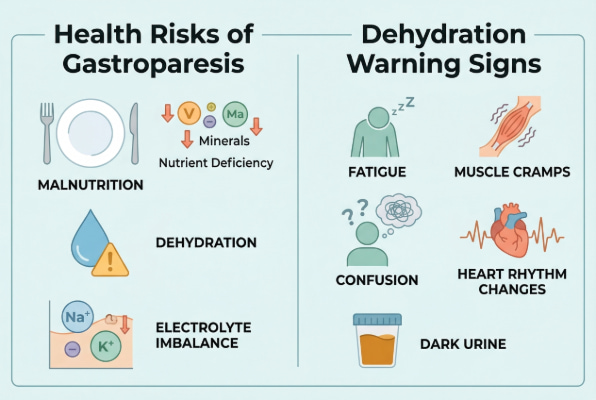
Health Risks Associated with Gastroparesis
Malnutrition stands as a primary concern for those diagnosed with gastroparesis. This digestive disorder causes people to feel excessively full despite eating very little.
When malnutrition develops, the body lacks essential nutrients. Research links malnutrition to increased mortality rates, sepsis, deep vein thrombosis, pulmonary embolism, and extended hospitalizations. Source: National Library of Medicine, 2023
Maintaining adequate hydration also becomes challenging during gastroparesis flare-ups. Drinking sufficient fluids creates pressure in the abdomen, leading to the sensation that there simply isn’t room for more liquid. This situation can quickly result in dehydration.
Avoiding Dehydration: Recognize the Warning Signs
Taking small sips of liquid throughout the day helps ward off dehydration. Placing a small water glass on your nightstand serves as a helpful reminder.
How Does Gastroparesis Influence Thirst Signals?
Gastroparesis may disrupt normal thirst signals when dehydration occurs. Persistent nausea and vomiting can cause fluid losses that exceed intake. Yet some individuals may not feel thirsty, even when their bodies desperately need hydration.
Studies indicate that older adults may become dehydrated due to weakened thirst perception. Those with diabetes may feel increased thirst but still face dehydration risks. Source: National Library of Medicine, March 2025.
What Happens When You Become Dehydrated?
When dehydration becomes a concern, it typically disrupts your electrolyte and fluid balance. Sodium, potassium, and chloride are key minerals that comprise your electrolytes, and these may become depleted. (Merck Manuals, n.d.)
Repeated vomiting episodes can throw off your potassium and chloride levels. When these minerals fall out of balance, muscle function, blood pressure, heart rhythm, and hydration status may all be affected.
Contact your doctor or healthcare provider if you notice these symptoms without improvement:
- Sudden or severe exhaustion
- Muscle cramping
- Mental confusion
- Abnormal heart rhythm or other notable changes
- Persistent diarrhea or vomiting
- Signs of dehydration, typically indicated by dark-colored urine
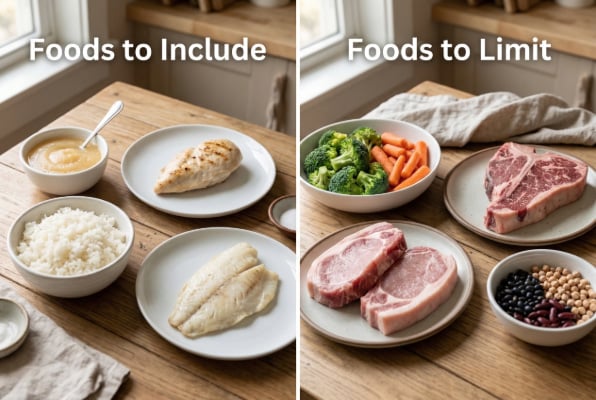
Managing Gastroparesis Symptoms Through Diet Modifications
Meal planning that emphasizes low fat and low fiber content can greatly assist in controlling stomach paralysis symptoms.
The gastroparesis diet focuses on low fiber and low fat intake. The diet provides direction on which fruits and vegetables to limit, and which ones to include. Eating frequent, smaller meals is also key.
For instance, cooked fruits with skins removed, such as applesauce, are encouraged. The diet also addresses other nutritional components, including appropriate protein amounts and the best protein sources for those with this condition.
Modest portions of lean proteins work better than fatty options like steak or pork chops. Foods such as legumes and peas may trigger digestive discomfort in some individuals with gastroparesis.
Gastroparesis: Knowing When to Seek Medical Help
When gastroparesis symptoms spiral out of control, how do you determine when medical attention is necessary? This tends to be one of the trickiest decisions to make.
Consider these questions:
- Am I experiencing lightheadedness, dizziness, or dehydration?
- Have I lost a significant amount of fluids today? (through vomiting)
If both answers are yes, reach out to your healthcare provider or contact a telehealth nurse line if one is available to you.
Predicting whether pain and nausea will subside on their own is difficult. However, when you’re unable to keep any food or liquids down for multiple days, whether it comes back up or passes through, consult your healthcare provider if symptoms haven’t improved within a few days.

Get Expert Gastroparesis Care at Tampa Bay Reflux Institute
If you’re struggling with gastroparesis and searching for specialized digestive care in the Tampa Bay area, Tampa Bay Reflux Institute is here to help. Led by Dr. Gopal Grandhige, a nationally recognized expert in digestive health, our practice focuses exclusively on conditions affecting the esophagus and stomach, including gastroparesis, GERD, hiatal hernias, silent reflux (LPR), and achalasia.
Dr. Grandhige brings over a decade of experience developing individualized treatment strategies tailored to each patient’s unique symptoms and anatomy. Whether you need dietary guidance, advanced diagnostics, or surgical intervention such as fundoplication surgery or the LINX Reflux Management System, Tampa Bay Reflux Institute offers cutting-edge solutions to help you regain control of your digestive health. We also provide innovative options like TIF EsophyX procedures and incisionless weight loss procedures for patients seeking minimally invasive treatments.
For patients dealing with related conditions, our team includes some of the best hiatal hernia doctors in Tampa and provides comprehensive abdominal hernia and heartburn treatment. Visit our health blog for more information on managing digestive conditions, and explore the American College of Gastroenterology resources for additional guidance.
Conclusion
Living with gastroparesis requires ongoing dedication to managing symptoms, maintaining proper nutrition, and protecting your mental health. While the condition fundamentally changes your relationship with food, transforming meals from moments of connection into sources of anxiety, understanding your body’s signals and working closely with healthcare providers can help you regain a sense of control. Remember that you’re not alone in this journey; support systems, dietary modifications, and medical expertise are available to help you navigate the challenges. With proper care and attention to warning signs like dehydration and malnutrition, many people with gastroparesis find ways to manage their symptoms and maintain their quality of life.
FAQs
What is gastroparesis?
Gastroparesis is a condition where the stomach empties food much slower than normal, causing symptoms like nausea, vomiting, bloating, and abdominal pain. It’s also known as delayed gastric emptying.
Who is most likely to develop gastroparesis?
Women are diagnosed more frequently (68.5% of cases), and the condition most commonly appears in adults aged 58 to 64. Diabetes is the leading underlying cause, accounting for 57.7% of cases.
What diet modifications help with gastroparesis?
A low-fat, low-fiber diet with smaller, more frequent meals is recommended. Cooked fruits without skins and lean proteins are easier to digest than fatty meats or high-fiber foods.
When should I seek medical attention for gastroparesis symptoms?
Contact your healthcare provider if you experience dehydration, significant fluid loss from vomiting, or cannot keep food or liquids down for multiple days. Signs like dark urine, confusion, or abnormal heart rhythm require prompt attention.
Can gastroparesis affect mental health?
Yes, depression, anxiety, and stress are common among those with gastroparesis due to chronic pain, dietary restrictions, and social isolation. Connecting with support groups or mental health professionals can provide valuable help.


An endoscopy cannot tell you if you have reflux. It can only tell you if you have complications of GERD.
If you are unhappy with your reflux symptoms, come in and we can discuss testing and treatments that can accurately diagnose your problem.
#reflux #gerd #hiatalhernia #gastroparesis #linx

CALL US AT 813-922-2920
www.tampareflux.com
If you have a hiatal hernia and fit one of these categories, you should know your options.
Dr. Grandhige is an expert in his field and performs 200 of these surgeries a year. He is the only surgeon in the Tampa Bay Area who offers all surgical options - LINX, Fundoplications, TIF and will be one of 20 surgeons in America introducing the latest procedure RefluxStop in 2026.
We accept most insurances but will verify yours before you come in. These procedures are considered medically necessary and covered by your insurance. You can expect to pay your in-network deductibles and nothing else.
#hiatalhernia #reflux #GERD #LINX #refluxstop
What causes reflux ?
1. Weak lower esophageal sphincter
2. Hiatal hernia
3. Flattening of the Angle of His
4. Poor esophageal motility
5. Gastroparesis (slow stomach)
NOT increased acid production
Don’t let GERD get in the way of living your life. Request your appointment with us today on the link below.
.
.
.
.
https://tampareflux.com/contact-us/
Anyone can be victim to GERD and though weight loss can help reduce GERD symptoms. Many athletes with high impact workouts may continue to have these symptoms. This may be a symptom of a hiatal hernia or other issue. We are more then happy to assist you in finding your solution, just click the link below.
.
.
.
https://tampareflux.com/contact-us/
##healthylifestyle #workout #athletereflux #PPIs #heartburn #LINX #fundoplication #TIF #GERD#tampaheartburn #linx #TIF #fundoplication #tampabayreflux #GERD #acidreflux #acidrefluxsurgery #stopreflux
#nonsurgicalweightloss #ESG #gastricballoon #weightlossjourney #vsg #vsgjourney #spatz3 #orbera #orberaballoon #grandhige #DrG
#tampabayrefluxinstitute #guthealth #roboticsurgery
Heartburn may seem like an annoyance. But if you find yourself having symptoms on a daily basis, it may be time to to talk to Dr. Grandhige as it could be a symptom of something worse.
.
.
.
#chronicheartburn #gerdsymptoms #heartburnrelief #reflux #PPIs #heartburn #LINX #fundoplication #TIF #GERD#tampaheartburn #linx #TIF #fundoplication #tampabayreflux #GERD #acidreflux #acidrefluxsurgery #stopreflux
#nonsurgicalweightloss #ESG #gastricballoon #weightlossjourney #vsg #vsgjourney #spatz3 #orbera #orberaballoon #grandhige #DrG
#tampabayrefluxinstitute #guthealth #roboticsurgery
If you are tired of avoiding your favorite foods or taking daily medications, we can help.
We are the Tampa experts in reflux ! With years of experience and thousands of patients treated successfully, we offer all FDA approved anti-reflux procedures.
Call 813-922-2920 to schedule your appointment
All major insurances accepted.
Not all patients need surgical intervention. Many patients are living a heartburn free life with their PPIs. However 40% of patients taking PPIs are not getting the relief they need. If you are one of those, you have options! Come in and find out more.
.
.
.
.
#letushelpyou #medsnotworking #reflux #PPIs #heartburn #LINX #fundoplication #TIF #GERD#tampaheartburn #linx #TIF #fundoplication #tampabayreflux #GERD #acidreflux #acidrefluxsurgery #stopreflux
#nonsurgicalweightloss #ESG #gastricballoon #weightlossjourney #vsg #vsgjourney #spatz3 #orbera #orberaballoon #grandhige #DrG
#tampabayrefluxinstitute #guthealth #roboticsurgery
#heartburn #stopreflux #hiatalherniarepair #severeheartburn #reflux #tampabayreflux #acidrefluxsurgery #tampaheartburn #GERD #PPIs #achalasia #LINX #TIF #tampareflux #fundoplication #stomach #digestivehealth #ESG #obesity #overweight #weightlossjourney #gastricballoon


