

Written By: Jeffrey Atlas, Health Content Writer
Medically Reviewed By: Dr. Gopal Grandhige, MD, FACS, Board-Certified Surgeon
Last Reviewed: April 5, 2026
Smoking significantly worsens acid reflux and GERD by weakening the lower esophageal sphincter (LES), increasing stomach acid production, and impairing the esophagus’s ability to clear acid. Research shows current smokers face 2.4 times higher risk of reflux esophagitis than non-smokers. The good news: 43.9% of people who quit smoking experience meaningful GERD symptom relief, compared to just 18.2% of those who continue smoking. This article explains exactly how tobacco affects your digestive system and why quitting is one of the most effective steps you can take to manage acid reflux.
Getting to Know GERD and Acid Reflux
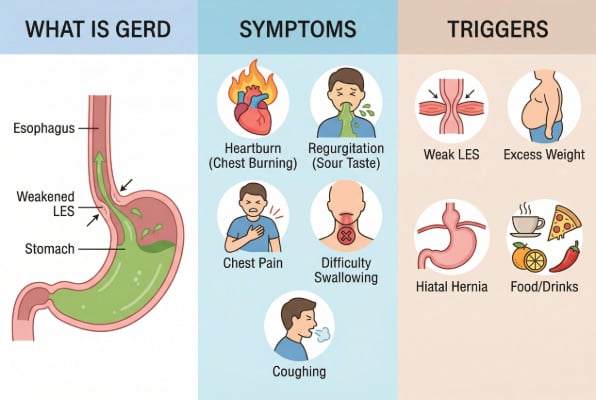
Gastroesophageal reflux disease (GERD), frequently called acid reflux, is a common digestive condition affecting millions of people worldwide. This disorder occurs when stomach acid repeatedly flows backward into the esophagus, the tube connecting your mouth to your stomach, potentially causing esophageal lining inflammation and producing discomfort alongside various other symptoms.
The mechanisms behind acid reflux are complex, involving multiple components including the lower esophageal sphincter (LES), gastric acid, and pressure within the abdomen. When the LES, a muscular valve located at the esophagus’s end, weakens or relaxes abnormally, acidic stomach contents can travel back up into the esophagus, causing irritation and tissue damage.
Without proper management, this condition can potentially affect various body systems, including respiratory passages like the windpipe, and may progress to more serious health issues such as silent reflux (LPR).
Recognizing GERD Symptoms
Gastroesophageal reflux disease (GERD) presents through various symptoms that can substantially impact daily comfort and quality of life. Recurring heartburn, marked by an intense burning feeling in the chest that may travel up to the throat, ranks among the most common indicators. This discomfort typically worsens after eating or when lying down and can become severe enough to be confused with a heart attack.
Acid regurgitation represents another key symptom of this condition. Gastric acid or bile travels backward into the esophagus, producing an unpleasant sour or bitter taste. Patients may also struggle with chest pain, difficulty swallowing, and ongoing coughing episodes. These persistent heartburn occurrences and associated symptoms frequently indicate gastroesophageal reflux disease (GERD).
What Triggers Acid Reflux
Multiple factors can contribute to acid reflux development, with lower esophageal sphincter (LES) dysfunction being central. This valve-like muscle primarily functions to keep stomach acid contained within the stomach. When it weakens or relaxes inappropriately, this protective barrier fails, allowing gastric acid to escape into the esophagus and trigger reflux episodes.
Other contributing factors include elevated intra-abdominal pressure, which can push stomach contents upward into the esophagus. Such pressure increases might result from conditions like excess weight or pregnancy, as well as hiatal hernias and specific foods and beverages that promote LES relaxation.
Understanding these contributing elements is essential for developing effective strategies to relieve acid reflux symptoms and improve digestive wellness.
The Connection Between Smoking and GERD
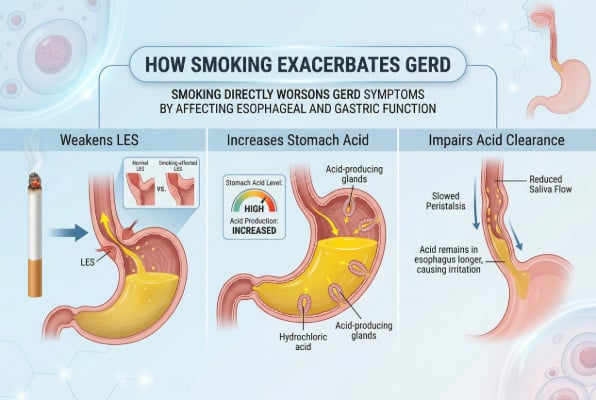
Cigarette smoking plays a major role in both triggering and worsening gastroesophageal reflux disease (GERD). Studies have repeatedly shown that smokers face higher odds of developing GERD because tobacco use increases gastric acid production, impairs lower esophageal sphincter function, and reduces the esophagus’s ability to clear acid effectively.
Beyond harming lung health, cigarette smoke negatively impacts the digestive system. For those with GERD, continuing to smoke can intensify symptoms and undermine treatment effectiveness. Medical professionals strongly advise GERD patients to quit smoking to better manage their symptoms and improve overall health.
Effects on the Lower Esophageal Sphincter
Smoking worsens GERD symptoms by damaging lower esophageal sphincter (LES) function. Nicotine and other tobacco smoke compounds decrease LES pressure, making it simpler for stomach contents to leak into the esophagus. Besides relaxing the LES, smoking disrupts esophageal motility, delaying natural acid clearance from the esophagus and permitting extended exposure to damaging gastric contents.
This combined effect, weakened LES tone and slower acid clearance, creates a cycle of irritation and inflammation that can make GERD more stubborn and challenging to control. Medical professionals frequently address these problems through a mix of targeted treatments, lifestyle guidance, and occasionally surgical procedures, particularly when lifestyle modifications alone prove insufficient.
Elevated Stomach Acid Production
Smoking triggers increased gastric acid production, further amplifying GERD symptoms. Compounds in cigarette smoke activate acid-producing cells in the stomach, creating an excessively acidic environment. Combined with an already compromised LES, this excess acid easily travels into the esophagus, causing greater discomfort and potential tissue damage.
Gastroenterologists at Tampa Reflux often tackle this issue with customized medical approaches like acid suppression therapy and thorough evaluation of each patient’s triggers and symptom patterns. Individuals experiencing chronic reflux should seek professional care rather than depending on over-the-counter solutions, which may fail to address underlying causes.
Compromised Esophageal Acid Clearance
Effective acid clearance in the esophagus is vital for GERD symptom management, yet smoking substantially impairs this process. Tobacco use decreases saliva production and reduces bicarbonate effectiveness, a key acid-neutralizing substance. The outcome is slower neutralization of acid entering the esophagus, enabling prolonged irritation and heightening esophageal damage risk.
Specialists may suggest diagnostic tools such as esophageal pH monitoring and manometry to assess acid clearance efficiency and esophageal function. These evaluations allow clinicians to create treatment plans tailored to each individual’s condition rather than relying on generic self-care approaches. Some patients may also experience related motility disorders such as achalasia, which requires specialized evaluation.
Quitting Smoking and GERD Improvement
Stopping smoking produces significant digestive health improvements, especially for GERD sufferers. Cessation helps restore normal lower esophageal sphincter function, decreases acid production, and improves the esophagus’s acid-clearing ability. Combined, these changes lead to a noticeable reduction in GERD symptoms.
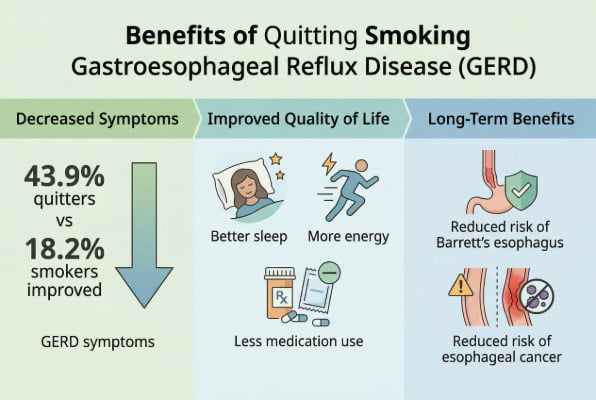
In research measuring symptom improvement, 43.9% of former smokers experienced GERD symptom relief, compared to just 18.2% of current smokers. These figures highlight the value of including smoking cessation in a professional GERD care plan. Healthcare providers frequently offer comprehensive support services including behavioral therapy, pharmacologic aids, and follow-up evaluations to promote long-term quitting success.
Decreased GERD Symptoms
A significant drop in GERD symptoms has been documented among people who have successfully stopped smoking. Specifically, 43.9% of those who quit experienced symptom reduction, while only 18.2% of continuing smokers reported comparable improvements. This evidence emphasizes the critical role quitting smoking plays in effective GERD management.
Participants who gave up smoking noticed both reduced frequency and decreased severity of their GERD symptoms, leading to improved health-related quality of life. These findings highlight how pivotal lifestyle changes, especially smoking cessation, are in achieving better health outcomes for GERD sufferers.
Improved Health-Related Quality of Life
The benefits of quitting smoking extend well beyond digestive relief. Former smokers frequently report better sleep quality, increased energy levels, and enhanced overall physical comfort, areas often negatively affected by chronic reflux. Additionally, research shows that people who stop smoking experience lower stress levels and reduced reliance on acid-reducing medications over time.
Health professionals emphasize that quality of life improvements prove more sustainable when smoking cessation is part of a comprehensive care plan that may include dietary guidance, medication adjustments, and ongoing monitoring to track progress and prevent relapse.
Long-Term Advantages
The long-term benefits of quitting smoking for GERD patients include more than symptom relief, they also involve reduced risk of complications such as Barrett’s esophagus and esophageal cancer. Smoking contributes to chronic inflammation and cellular changes in the esophageal lining, elevating precancerous condition risk. Eliminating tobacco use significantly lowers these risks.
Professional care providers often perform regular endoscopic screenings for patients with long-standing GERD symptoms and smoking history, ensuring early detection and intervention if complications develop. This proactive approach underscores the importance of long-term clinical support in maintaining gastrointestinal health.
Risk Factors and Lifestyle Modifications
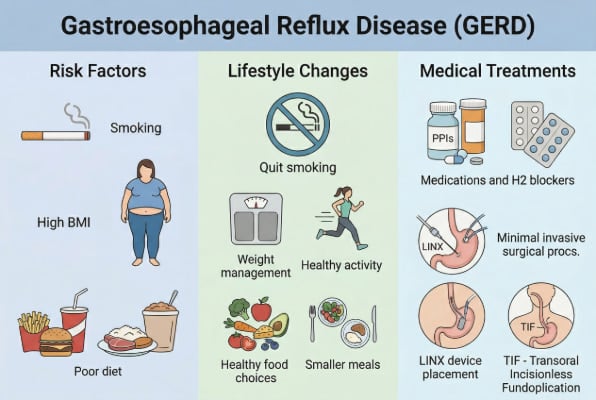
Numerous lifestyle-related factors, including dietary habits and tobacco use, can significantly worsen acid reflux and heartburn. Smoking notably represents a considerable GERD risk factor since it both weakens the lower esophageal sphincter (LES) and increases stomach acid production. Having a higher body mass index (BMI) is linked to elevated abdominal pressure, which may trigger acid reflux.
For effective GERD management, addressing these risk factors through lifestyle modifications is crucial. This involves quitting smoking and adjusting eating patterns, along with incorporating medical treatments into a comprehensive approach aimed at improving digestive health and relieving GERD symptoms.
Body Mass Index (BMI)
Body mass index (BMI) is a key factor in GERD development and management. Higher BMI levels increase intra-abdominal pressure, which can push stomach acid upward into the esophagus. Individuals classified as overweight or obese face significantly higher risk of experiencing reflux-related symptoms.
Professionally supervised weight management programs can help patients achieve a healthier BMI through evidence-based strategies, which may include medical nutrition therapy, behavioral counseling, and, in some cases, bariatric surgery. Unlike at-home diets, these comprehensive programs are tailored to each individual’s needs and are proven to produce more consistent long-term results.
Dietary Modifications
Diet plays a critical role in managing GERD symptoms, but generalized advice may not work for everyone. While avoiding common triggers like spicy foods, carbonated beverages, and fatty meals is often recommended, the impact of specific foods can vary from person to person.
A registered dietitian or clinical nutritionist can help identify personal dietary triggers through guided elimination diets and structured food tracking. This individualized approach ensures more accurate results and better symptom control than self-directed food experiments, which can often be inconsistent or misleading. For more information about managing digestive conditions, visit MedlinePlus.
Medical Treatment Options
Medical treatments for GERD work best when tailored to the individual. Options include proton pump inhibitors (PPIs), H2 receptor antagonists, and promotility agents, all prescribed based on detailed evaluation of symptom severity, frequency, and underlying causes. Advanced treatment options such as the LINX Reflux Management System or TIF procedure may be recommended for patients who don’t respond adequately to medication.
Physicians often combine these treatments with lifestyle modifications and regular follow-up assessments to adjust therapy as needed. Patients should avoid relying solely on over-the-counter medications or unverified online remedies, as these can mask symptoms without addressing the root problem. In some cases, delayed stomach emptying known as gastroparesis can contribute to reflux symptoms and may require additional treatment.
Clinical Evidence and Research
Numerous studies have established that smoking is closely linked to worsening gastroesophageal reflux disease symptoms. Evidence indicates that tobacco use can substantially contribute to both triggering and aggravating GERD signs. Conversely, long-term smoking cessation has been associated with consistent declines in reflux disease occurrence and improvements in overall gastrointestinal wellness.
These insights underscore quitting smoking as an essential component in controlling GERD. Healthcare experts and researchers endorse smoking cessation as a vital element within a comprehensive strategy for reducing gastroesophageal reflux symptoms and improving patients’ quality of life.
Research on Smoking Exposure and Reflux Esophagitis
Significant research examining the relationship between smoking and reflux esophagitis has found that current smokers are considerably more prone to develop this condition than those who have never smoked. According to the study, active smokers face a 2.4-fold greater risk of experiencing reflux esophagitis compared with people who have never smoked, while former smokers who accumulated more than 20 pack-years of smoking history face a risk increase factor of 2.5.
The connection between pack-years smoked and elevated likelihood of developing reflux esophagitis underscores tobacco’s negative impact on gastrointestinal health. These findings highlight how crucial it is for smokers to quit in order to reduce their chances of encountering serious GERD complications. For comprehensive information on GERD treatment options, consulting with a specialist is recommended.
Long-Term Benefits of Smoking Cessation
Quitting smoking’s long-term advantages for both GERD management and overall health-related quality of life are well-documented. In research evaluating these benefits, participants’ reflux symptoms, general health-related quality of life, and smoking cessation success were examined through self-reported questionnaires. Primary measurements included GERD occurrence rate, symptom frequency, and quality of life scores.
Findings showed substantial improvements in GERD symptoms as well as increased overall health-related quality among individuals who successfully stopped smoking. These outcomes emphasize the critical role tobacco cessation plays within a comprehensive strategy focused on controlling GERD while promoting lasting health improvements.
Conclusion
Smoking and GERD share a deeply interconnected relationship that significantly impacts digestive health. Tobacco use weakens the lower esophageal sphincter, increases stomach acid production, and impairs the esophagus’s natural ability to clear acid, creating a perfect storm for persistent and worsening reflux symptoms.
The evidence is clear: quitting smoking offers substantial benefits for GERD sufferers. Research shows that nearly 44% of former smokers experience symptom relief compared to just 18% of those who continue smoking. Beyond immediate symptom improvement, smoking cessation reduces long-term risks of serious complications like Barrett’s esophagus and esophageal cancer.
Managing GERD effectively requires a comprehensive approach that combines smoking cessation with dietary modifications, weight management, and appropriate medical treatment. Working with top hiatal hernia doctors in Tampa ensures personalized care that addresses individual triggers and symptoms. Patients dealing with abdominal hernia and heartburn can also find specialized treatment options. By taking these steps, individuals can achieve meaningful improvements in both their digestive health and overall quality of life. To learn more about treatment options or to schedule a consultation, contact Tampa Reflux today. You can also explore additional resources on our reflux treatment blog or visit the Tampa Reflux homepage for more information. Additionally, UCLA Health and Stanford Health Care offer excellent resources about acid reflux and GERD management.
FAQs
How does smoking make acid reflux worse?
Smoking weakens the lower esophageal sphincter, allowing stomach acid to flow back into the esophagus more easily. It also increases acid production and reduces your body’s ability to clear acid naturally.
Will my GERD symptoms improve if I quit smoking?
Yes, research shows that 43.9% of people who quit smoking experience significant GERD symptom relief. Quitting helps restore normal sphincter function and reduces excess acid production.
How long after quitting smoking will I notice GERD improvement?
Many people begin noticing reduced symptoms within weeks to months of quitting. Long-term cessation provides the most consistent and lasting improvements in reflux symptoms.
Can smoking cause permanent damage to my esophagus?
Prolonged smoking combined with chronic GERD increases the risk of Barrett’s esophagus and esophageal cancer. Quitting smoking significantly lowers these risks and helps prevent further damage.
Is quitting smoking alone enough to cure my GERD?
While quitting is crucial, most people benefit from a comprehensive approach including dietary changes, weight management, and medical treatment. Consulting a healthcare provider ensures the best outcomes.


An endoscopy cannot tell you if you have reflux. It can only tell you if you have complications of GERD.
If you are unhappy with your reflux symptoms, come in and we can discuss testing and treatments that can accurately diagnose your problem.
#reflux #gerd #hiatalhernia #gastroparesis #linx

CALL US AT 813-922-2920
www.tampareflux.com
If you have a hiatal hernia and fit one of these categories, you should know your options.
Dr. Grandhige is an expert in his field and performs 200 of these surgeries a year. He is the only surgeon in the Tampa Bay Area who offers all surgical options - LINX, Fundoplications, TIF and will be one of 20 surgeons in America introducing the latest procedure RefluxStop in 2026.
We accept most insurances but will verify yours before you come in. These procedures are considered medically necessary and covered by your insurance. You can expect to pay your in-network deductibles and nothing else.
#hiatalhernia #reflux #GERD #LINX #refluxstop
What causes reflux ?
1. Weak lower esophageal sphincter
2. Hiatal hernia
3. Flattening of the Angle of His
4. Poor esophageal motility
5. Gastroparesis (slow stomach)
NOT increased acid production
Don’t let GERD get in the way of living your life. Request your appointment with us today on the link below.
.
.
.
.
https://tampareflux.com/contact-us/
Anyone can be victim to GERD and though weight loss can help reduce GERD symptoms. Many athletes with high impact workouts may continue to have these symptoms. This may be a symptom of a hiatal hernia or other issue. We are more then happy to assist you in finding your solution, just click the link below.
.
.
.
https://tampareflux.com/contact-us/
##healthylifestyle #workout #athletereflux #PPIs #heartburn #LINX #fundoplication #TIF #GERD#tampaheartburn #linx #TIF #fundoplication #tampabayreflux #GERD #acidreflux #acidrefluxsurgery #stopreflux
#nonsurgicalweightloss #ESG #gastricballoon #weightlossjourney #vsg #vsgjourney #spatz3 #orbera #orberaballoon #grandhige #DrG
#tampabayrefluxinstitute #guthealth #roboticsurgery
Heartburn may seem like an annoyance. But if you find yourself having symptoms on a daily basis, it may be time to to talk to Dr. Grandhige as it could be a symptom of something worse.
.
.
.
#chronicheartburn #gerdsymptoms #heartburnrelief #reflux #PPIs #heartburn #LINX #fundoplication #TIF #GERD#tampaheartburn #linx #TIF #fundoplication #tampabayreflux #GERD #acidreflux #acidrefluxsurgery #stopreflux
#nonsurgicalweightloss #ESG #gastricballoon #weightlossjourney #vsg #vsgjourney #spatz3 #orbera #orberaballoon #grandhige #DrG
#tampabayrefluxinstitute #guthealth #roboticsurgery
If you are tired of avoiding your favorite foods or taking daily medications, we can help.
We are the Tampa experts in reflux ! With years of experience and thousands of patients treated successfully, we offer all FDA approved anti-reflux procedures.
Call 813-922-2920 to schedule your appointment
All major insurances accepted.
Not all patients need surgical intervention. Many patients are living a heartburn free life with their PPIs. However 40% of patients taking PPIs are not getting the relief they need. If you are one of those, you have options! Come in and find out more.
.
.
.
.
#letushelpyou #medsnotworking #reflux #PPIs #heartburn #LINX #fundoplication #TIF #GERD#tampaheartburn #linx #TIF #fundoplication #tampabayreflux #GERD #acidreflux #acidrefluxsurgery #stopreflux
#nonsurgicalweightloss #ESG #gastricballoon #weightlossjourney #vsg #vsgjourney #spatz3 #orbera #orberaballoon #grandhige #DrG
#tampabayrefluxinstitute #guthealth #roboticsurgery
#heartburn #stopreflux #hiatalherniarepair #severeheartburn #reflux #tampabayreflux #acidrefluxsurgery #tampaheartburn #GERD #PPIs #achalasia #LINX #TIF #tampareflux #fundoplication #stomach #digestivehealth #ESG #obesity #overweight #weightlossjourney #gastricballoon


