

Written By: Jeffrey Atlas, Health Content Writer
Medically Reviewed By: Dr. Gopal Grandhige, MD, FACS, Board-Certified Surgeon
Last Reviewed: April 18, 2026
Yes, it’s generally safe to work out with a hiatal hernia, in fact, the right kinds of movement can strengthen the muscles that support your diaphragm and help ease symptoms like acid reflux. The key is knowing which exercises help and which ones quietly make things worse.
A hiatal hernia happens when part of the stomach pushes up through the diaphragm into the chest cavity. Because this condition is closely tied to pressure on the abdominal muscles, your workout choices matter more than you might think. The good news: fewer than 5% of people with a hiatal hernia ever need surgery, and most manage it well with simple lifestyle and exercise adjustments.
In this guide, you’ll learn what a hiatal hernia is, which exercises are safe (and which to avoid), and the small daily habits that can make a real difference.
Understanding Hiatal Hernias
The diaphragm is a muscular sheet that divides the chest from the abdomen and plays a key role in breathing.
Running through an opening in this muscle called the hiatus is the esophagus, the tube that transports food from your mouth down to your stomach.
Positioned right above the stomach, the diaphragm wraps snugly around the esophagus, holding abdominal organs and tissues in their proper place. It also works to stop stomach contents from traveling back up into the esophagus.
With a hiatal hernia, a section of the stomach pushes through this hiatal opening and enters the chest area.
People who develop this type of hernia frequently deal with gastroesophageal reflux disease (GERD). This condition occurs when stomach acid frequently flows back into the esophagus and can even reach the throat. Some patients also experience silent reflux or LPR, where symptoms affect the throat and airways instead of causing typical heartburn.
Discover more about GERD here.
While some individuals don’t notice any negative effects from a hiatal hernia, others do experience symptoms that may intensify as time goes on. Less than 5% of people diagnosed with hiatal hernias require surgical intervention. In uncommon situations, a hiatal hernia may result in anemia.
Explore additional information about this condition and its treatment options.

What the Experts Say About Exercise and Hiatal Hernias
Staying active with a hiatal hernia is not only possible, it’s often encouraged, though it requires mindful awareness of what can aggravate the condition. Hiatal hernias can develop when constant and intense pressure is placed on the surrounding muscles, which can happen during coughing, vomiting, straining during a bowel movement, exercising, or lifting heavy objects. This insight underscores why your choice of workout matters so much. These hernias push through a preexisting weakness in the diaphragm, the opening where the esophagus passes through to connect to the stomach, and stress and strain can widen this opening over time. The good news? The condition is highly manageable. Sliding hiatal hernias account for 95% of all hiatal hernias, and in many cases, medication and lifestyle changes are enough to manage acid reflux symptoms. Real-world medical experience echoes this: gastroenterologists have encouraged patients with sliding hiatal hernias to work on core strength and improve muscle tone in that area, starting very slowly with low weights, proving that with the right approach and proper guidance, staying strong and active is entirely achievable.
Is Exercise Safe With a Hiatal Hernia?
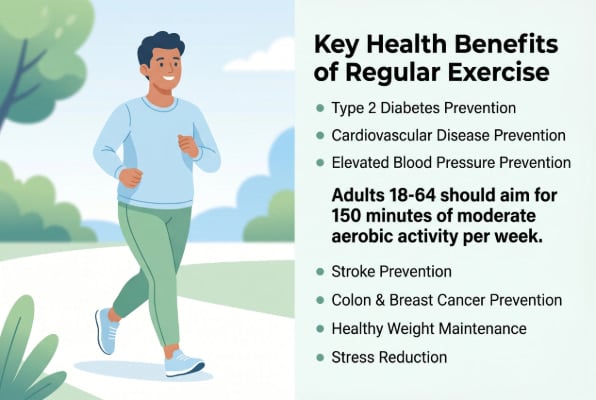
Staying physically active is essential for everyone’s overall wellness.
Consistent physical activity can help ward off conditions such as:
- type 2 diabetes
- cardiovascular disease
- elevated blood pressure
- strokes
- certain types of cancer, including colon and breast cancer
Exercising on a regular basis also supports maintaining a healthy body weight and lowering stress levels. This matters even more because excess weight can raise the likelihood of hernia development.
Health authorities suggest that adults between 18 and 64 should aim for a minimum of 150 minutes of moderate aerobic activity per week, or a mix of moderate and intense exercise that adds up to an equivalent amount.
They advise breaking up aerobic sessions into roughly 10-minute segments and incorporating strength-building exercises targeting major muscle groups on at least two days each week.
Choosing activities that match your lifestyle, health condition, and personal preferences is key to staying consistent.
For those with hiatal hernias, gentle, low-impact workouts that don’t put pressure on the stomach are typically the safest choice. Good options include walking, light jogging, yoga, and swimming.
That said, certain yoga positions might trigger GERD symptoms. If you suspect a pose is causing discomfort, stop doing it right away.
Other workouts can also worsen GERD symptoms. To minimize risks, avoid working out soon after meals, stay well-hydrated, and stick with low-impact routines.
Beneficial Exercises and Stretches
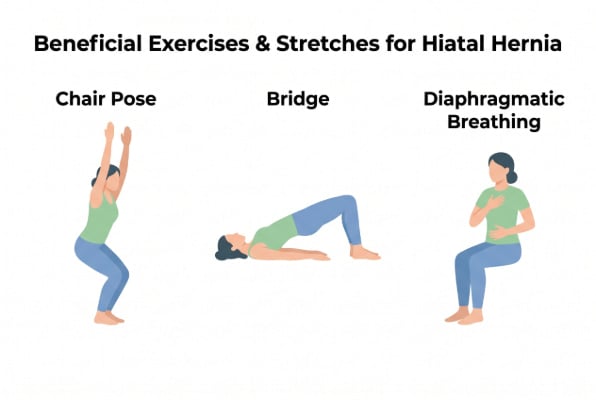
You can help prevent hiatal hernias or relieve existing symptoms by building strength in your diaphragm and core, without overexerting them. For those with related conditions like achalasia or gastroparesis, gentle movement is especially important.
Chair Pose
This yoga posture works to build strength in your core and lower body.
Pairing it with diaphragmatic breathing (explained below) can boost its effectiveness.
Here’s how to do Chair Pose:
- Begin by standing with your feet together.
- Lift both hands overhead.
- Squeeze the knees together.
- Bend at the knees, lowering yourself until your thighs are as close to parallel with the floor as you can manage.
- Hold this position for as long as comfortable, then return to standing.
Bridge
This movement helps build abdominal strength. Follow these steps:
- Lie flat on your back with knees bent and feet planted firmly on the floor.
- Raise your hips and lower back off the ground while keeping your shoulders pressed down.
- Hold the position as long as you can before gently lowering back down.
Diaphragmatic Breathing
Doctors commonly prescribe diaphragmatic breathing for managing chronic obstructive pulmonary disease (COPD), a long-term lung disorder.
Since this technique strengthens the diaphragm, it’s equally valuable for those dealing with GERD and hiatal hernias.
Building up the breathing muscles allows the diaphragm to function efficiently. When your body fails to engage the diaphragm correctly, the chest and neck muscles have to compensate, which causes the diaphragm to weaken and flatten. As a result, its effectiveness drops further, which can intensify hiatal hernia symptoms.
To build diaphragm strength through this breathing method:
- Get comfortable by either sitting or lying down.
- Rest one hand on your abdomen and the other on your upper chest.
- Inhale through your nose while paying attention to your stomach rising.
- Exhale through pursed lips while noticing your stomach falling.
- Continue repeating the cycle.
Exercises to Steer Clear Of
Anyone with a hiatal hernia should stay away from workouts that place stress on the abdominal muscles, including crunches and sit-ups.
Be cautious about weightlifting as well. Hoisting heavy weights, or even bulky items like boxes or furniture, can put pressure on the abdomen and aggravate the hernia. In severe cases, patients may need to consider surgical solutions like the LINX system or explore TIF with EsophyX as minimally invasive options.
The safe lifting limit differs from one person to another. Before starting any weight training routine, someone with a hernia should speak with their doctor or contact a specialist.

Lifestyle Adjustments That Can Help
Medical professionals suggest several lifestyle modifications for relieving hiatal hernia symptoms. These adjustments include:
- skipping meals 2–3 hours before bedtime
- steering clear of spicy dishes and chocolate
- cutting back on caffeine, alcoholic drinks, citrus fruits, and carbonated beverages
- remaining upright for a minimum of 1 hour after eating
- shedding excess pounds when appropriate
- elevating the head with pillows by 8–10 inches during sleep
For more helpful resources and tips, visit the Tampa Bay Reflux Institute blog or explore treatment options at Tampa Bay Reflux Institute.
Conclusion
Living with a hiatal hernia doesn’t mean giving up on an active lifestyle. In fact, the right kinds of movement, gentle, low-impact exercises that strengthen your core and diaphragm without straining your abdomen, can actually help you manage symptoms and improve your overall quality of life. Activities like walking, swimming, chair pose, bridges, and diaphragmatic breathing are excellent allies, while heavy lifting, crunches, and high-impact routines are best avoided.
Pairing smart exercise choices with supportive lifestyle habits, such as eating smaller meals, avoiding trigger foods, staying upright after eating, and maintaining a healthy weight, can significantly reduce discomfort and prevent symptoms from worsening. Before starting any new fitness routine, it’s always wise to consult your doctor to ensure your plan is safe and tailored to your condition. With mindful movement and consistent self-care, you can stay strong, active, and in control of your health.
FAQs
Can I still exercise if I have a hiatal hernia?
Yes, exercise is generally safe and even encouraged with a hiatal hernia. Just stick to low-impact activities that don’t put pressure on your abdomen.
What exercises should I avoid with a hiatal hernia?
Avoid crunches, sit-ups, and heavy weightlifting, as these put strain on your abdominal muscles. These movements can worsen the hernia and trigger reflux symptoms.
Is walking good for a hiatal hernia?
Absolutely, walking is one of the safest and most beneficial exercises for this condition. It promotes digestion and supports weight management without straining the diaphragm.
How does diaphragmatic breathing help a hiatal hernia?
Diaphragmatic breathing strengthens the diaphragm muscle, which supports proper esophageal function. This can ease GERD symptoms and reduce hernia-related discomfort.
Should I exercise right after eating?
No, it’s best to wait at least 1–2 hours after meals before exercising. Working out too soon can trigger acid reflux and aggravate hernia symptoms.


An endoscopy cannot tell you if you have reflux. It can only tell you if you have complications of GERD.
If you are unhappy with your reflux symptoms, come in and we can discuss testing and treatments that can accurately diagnose your problem.
#reflux #gerd #hiatalhernia #gastroparesis #linx

CALL US AT 813-922-2920
www.tampareflux.com
If you have a hiatal hernia and fit one of these categories, you should know your options.
Dr. Grandhige is an expert in his field and performs 200 of these surgeries a year. He is the only surgeon in the Tampa Bay Area who offers all surgical options - LINX, Fundoplications, TIF and will be one of 20 surgeons in America introducing the latest procedure RefluxStop in 2026.
We accept most insurances but will verify yours before you come in. These procedures are considered medically necessary and covered by your insurance. You can expect to pay your in-network deductibles and nothing else.
#hiatalhernia #reflux #GERD #LINX #refluxstop
What causes reflux ?
1. Weak lower esophageal sphincter
2. Hiatal hernia
3. Flattening of the Angle of His
4. Poor esophageal motility
5. Gastroparesis (slow stomach)
NOT increased acid production
Don’t let GERD get in the way of living your life. Request your appointment with us today on the link below.
.
.
.
.
https://tampareflux.com/contact-us/
Anyone can be victim to GERD and though weight loss can help reduce GERD symptoms. Many athletes with high impact workouts may continue to have these symptoms. This may be a symptom of a hiatal hernia or other issue. We are more then happy to assist you in finding your solution, just click the link below.
.
.
.
https://tampareflux.com/contact-us/
##healthylifestyle #workout #athletereflux #PPIs #heartburn #LINX #fundoplication #TIF #GERD#tampaheartburn #linx #TIF #fundoplication #tampabayreflux #GERD #acidreflux #acidrefluxsurgery #stopreflux
#nonsurgicalweightloss #ESG #gastricballoon #weightlossjourney #vsg #vsgjourney #spatz3 #orbera #orberaballoon #grandhige #DrG
#tampabayrefluxinstitute #guthealth #roboticsurgery
Heartburn may seem like an annoyance. But if you find yourself having symptoms on a daily basis, it may be time to to talk to Dr. Grandhige as it could be a symptom of something worse.
.
.
.
#chronicheartburn #gerdsymptoms #heartburnrelief #reflux #PPIs #heartburn #LINX #fundoplication #TIF #GERD#tampaheartburn #linx #TIF #fundoplication #tampabayreflux #GERD #acidreflux #acidrefluxsurgery #stopreflux
#nonsurgicalweightloss #ESG #gastricballoon #weightlossjourney #vsg #vsgjourney #spatz3 #orbera #orberaballoon #grandhige #DrG
#tampabayrefluxinstitute #guthealth #roboticsurgery
If you are tired of avoiding your favorite foods or taking daily medications, we can help.
We are the Tampa experts in reflux ! With years of experience and thousands of patients treated successfully, we offer all FDA approved anti-reflux procedures.
Call 813-922-2920 to schedule your appointment
All major insurances accepted.
Not all patients need surgical intervention. Many patients are living a heartburn free life with their PPIs. However 40% of patients taking PPIs are not getting the relief they need. If you are one of those, you have options! Come in and find out more.
.
.
.
.
#letushelpyou #medsnotworking #reflux #PPIs #heartburn #LINX #fundoplication #TIF #GERD#tampaheartburn #linx #TIF #fundoplication #tampabayreflux #GERD #acidreflux #acidrefluxsurgery #stopreflux
#nonsurgicalweightloss #ESG #gastricballoon #weightlossjourney #vsg #vsgjourney #spatz3 #orbera #orberaballoon #grandhige #DrG
#tampabayrefluxinstitute #guthealth #roboticsurgery
#heartburn #stopreflux #hiatalherniarepair #severeheartburn #reflux #tampabayreflux #acidrefluxsurgery #tampaheartburn #GERD #PPIs #achalasia #LINX #TIF #tampareflux #fundoplication #stomach #digestivehealth #ESG #obesity #overweight #weightlossjourney #gastricballoon


