
Written By: Jeffrey Atlas, Health Content Writer
Medically Reviewed By: Dr. Gopal Grandhige, MD, FACS, Board-Certified Surgeon
Last Reviewed: March 9, 2026
Antibiotics can cause heartburn by stimulating excess stomach acid production and disrupting the balance of gut bacteria, which irritates the esophageal lining. Tetracyclines and macrolides are the most likely to trigger symptoms. To prevent antibiotic-related heartburn: take your medication with food, avoid caffeine and spicy foods, stay hydrated, and don’t lie down for 2-3 hours after your dose. If symptoms persist, over-the-counter antacids or proton pump inhibitors can help, but time them a few hours apart from your antibiotic to avoid absorption issues.
Why Antibiotics Cause Heartburn
Heartburn triggered by antibiotics works differently than the typical heartburn you might get from spicy food or coffee. When you take antibiotics, they can stimulate your stomach to produce more acid than usual.
This excess acid irritates the esophageal lining, creating that familiar burning sensation. Antibiotics throw off your stomach’s natural equilibrium, which explains why heartburn and antibiotic use go hand in hand.
Studies show that specific antibiotic classes, particularly tetracyclines and macrolides, are more likely to cause heartburn because they directly affect stomach function.
Extended antibiotic treatment increases your chances of experiencing heartburn by compromising gut health and worsening GERD symptoms. Understanding this relationship empowers both healthcare providers and patients to better manage or minimize heartburn throughout treatment.
How Antibiotics Affect Your Digestive System
While antibiotics fight infections effectively, they can also upset your stomach and lead to heartburn. Knowing this helps you take preventive action.
The Role of Antibiotics in Gut Health
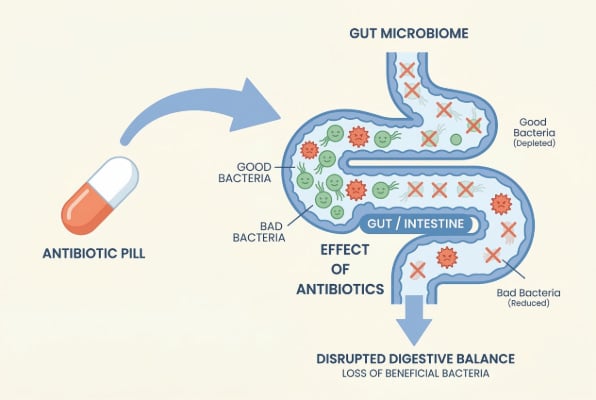
Antibiotics work by killing harmful bacteria, but they may also reduce stomach acid levels, which can cause throat irritation. Even highly effective antibiotics occasionally produce heartburn as a side effect. According to the National Institute of Diabetes and Digestive and Kidney Diseases, understanding how medications affect your digestive system is crucial for managing symptoms effectively.
Impact on Gut Bacteria
Antibiotics don’t discriminate between good and bad bacteria. They can damage the beneficial microbes in your gut. This disruption throws off your digestive balance, potentially increasing stomach acid and triggering silent reflux. Both clinical research and patient experiences underscore the importance of using antibiotics thoughtfully.
Recognizing Antibiotic-Related Heartburn Symptoms
Heartburn caused by antibiotics has distinctive symptoms that feel quite uncomfortable. Identifying these signs early helps you manage them effectively and distinguish them from other digestive issues.
Intense Chest Burning
The hallmark symptom is a burning sensation in your chest that feels like fire. This discomfort can spread from your esophagus up to your throat and typically worsens after eating or when you lie down. Getting treatment quickly makes a difference. The Cleveland Clinic notes that persistent chest burning should always be evaluated by a healthcare professional.
Acid Reflux and GERD
Acid reflux, when stomach acids splash back into your esophagus, is another telltale sign. You might notice a sour or bitter taste, frequent burping, or a sensation of fullness. If these symptoms persist, seek treatment for both the heartburn and any underlying infection. Chronic acid reflux may indicate gastroesophageal reflux disease, which requires specialized care.
Be sure to clearly describe your symptoms to your healthcare team so they can determine the most appropriate treatment approach. Personalized care matters for every individual. Contact a reflux specialist if your symptoms become severe or persistent.
Practical Ways to Prevent Heartburn While on Antibiotics
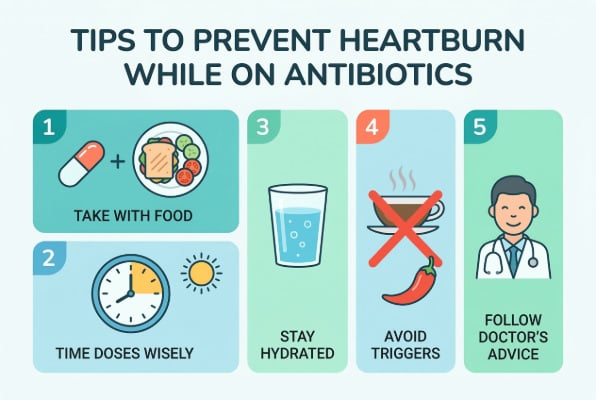
Heartburn during antibiotic treatment isn’t pleasant, but you can take steps to lower your risk. Healthcare professionals recommend these strategies:
- Take Antibiotics with Food – Eating when you take your medication reduces stomach irritation and improves absorption.
- Time Your Doses Wisely – Don’t take antibiotics right before bed. Allow a few hours between your last meal and sleep to prevent problems.
- Stay Well Hydrated – Drink plenty of water to calm your stomach. Water dilutes acid strength and helps your medication move through smoothly without causing irritation.
- Avoid Trigger Foods – Caffeine, spicy dishes, and fatty foods can intensify heartburn. Identify your personal triggers and steer clear of them.
- Follow Your Doctor’s Instructions – Trust your healthcare provider’s guidance on taking antibiotics. Following their recommendations effectively minimizes heartburn risks.
These steps can make your antibiotic experience much smoother. Always consult your doctor for advice tailored to your situation. The American Gastroenterological Association provides additional guidance on managing reflux symptoms during medication use.
Diet Strategies to Ease Antibiotic-Induced Heartburn
What you eat during antibiotic therapy plays a crucial role in preventing heartburn. Making smart dietary adjustments can help minimize the stomach discomfort that often accompanies these medications.
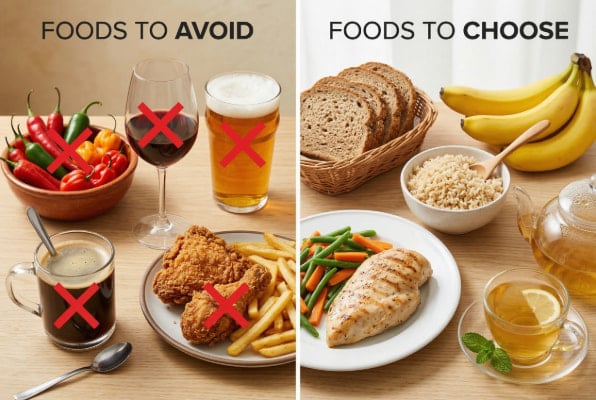
Foods to Avoid
Certain foods aggravate heartburn, so skip these while taking antibiotics:
- Spicy foods like chili peppers boost stomach acid and can spark heartburn
- Citrus fruits such as oranges, lemons, and limes are highly acidic and may trigger or worsen reflux
- Fried and greasy foods slow your digestion and raise heartburn risk
- Caffeinated drinks like coffee and soda can increase acid reflux
- Alcohol relaxes the esophageal sphincter, making heartburn more likely
Foods to Choose
Opt for foods that are gentle on your digestive system:
- Lean proteins such as chicken, turkey, and fish are low in fat and digest easily
- Whole grains like oats, brown rice, and whole-wheat bread absorb excess stomach acid and ease heartburn
- Non-citrus fruits including bananas, melons, and apples are less likely to cause problems
- Vegetables such as green beans, carrots, and broccoli are stomach-friendly and nutritious
- Herbal teas like chamomile and ginger soothe the stomach and reduce heartburn
Following these dietary guidelines can relieve antibiotic-related heartburn. The NHS recommends focusing on balanced eating and avoiding foods that might irritate your stomach during treatment. For more digestive health information, visit our reflux and digestive health blog.
Managing Heartburn During Antibiotic Treatment
Treating heartburn while taking antibiotics requires a thoughtful approach to combined therapies. Understanding how different medications might affect your gut health is essential.
Healthcare providers recommend caution when addressing heartburn during antibiotic use, as antibiotics can sometimes make symptoms worse. Alternative treatments like proton pump inhibitors or H2 blockers may be needed. Sometimes, underlying conditions like hiatal hernias can worsen antibiotic-related heartburn.
| Approach | What to Consider | Best For |
| Adjusting Antibiotics | Modifying dosage or switching to gentler antibiotics | People with severe heartburn |
| Acid Suppression Therapy | Using medications that reduce stomach acid, such as proton pump inhibitors or H2 blockers | Those with persistent heartburn after starting antibiotics |
| Diet and Lifestyle Changes | Eliminating foods and habits that worsen heartburn, including spicy foods and smoking | Anyone wanting a comprehensive approach |
Always consult a healthcare professional before addressing heartburn related to antibiotics. Harvard Health provides evidence-based guidelines for managing these conditions. Personalized guidance ensures the treatment approach works for your specific needs, and the best hiatal hernia doctors in Tampa can help determine if structural issues are contributing to your symptoms.
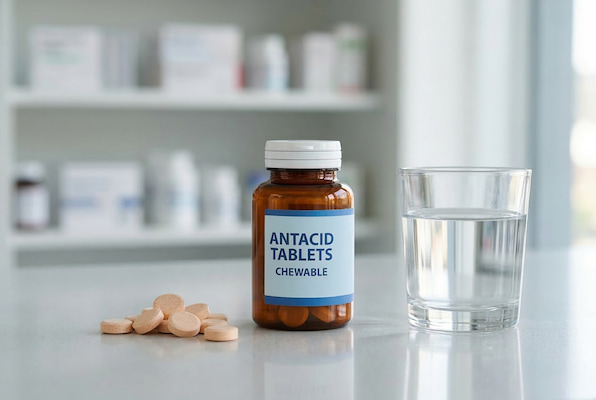
Over-the-Counter Solutions for Antibiotic-Caused Heartburn
Heartburn from antibiotics can be uncomfortable, but over-the-counter options offer quick relief. Here’s what you should know about how these remedies work, when to use them, and possible interactions with your antibiotics.
Antacids
Antacids work by temporarily neutralizing stomach acid, providing fast heartburn relief by reducing acidity levels. WebMD explains that these medications can be effective for occasional symptoms.
Common options include Tums, Maalox, and Mylanta.
How to use them: Take antacids after meals, at bedtime, or whenever symptoms appear.
Important note: Antacids may interfere with certain antibiotics, so use them correctly or check with your doctor.
| Brand | Active Ingredient | When to Take | Additional Information |
| Tums | Calcium Carbonate | When symptoms occur, up to twice daily | Provides supplemental calcium |
| Maalox | Aluminum Hydroxide, Magnesium Hydroxide | After meals or at bedtime | May cause diarrhea or constipation |
| Mylanta | Aluminum Hydroxide, Magnesium Hydroxide | As needed | May interact with some medications |
For more persistent symptoms, H2 blockers and proton pump inhibitors offer longer-lasting relief options worth discussing with your healthcare provider. If over-the-counter solutions don’t provide relief, surgical options like fundoplication surgery or the LINX procedure may be considered for chronic cases.
Conclusion
Managing heartburn while taking antibiotics doesn’t have to derail your treatment. By understanding why antibiotics trigger digestive discomfort through increased stomach acid production and disruption of beneficial gut bacteria, you can take proactive steps to minimize symptoms. This excess acid irritates the esophageal lining, creating that familiar burning sensation, and antibiotics throw off your stomach’s natural equilibrium.
The key strategies for prevention include taking your medication with food, staying well-hydrated, avoiding trigger foods like caffeine and spicy dishes, and timing your doses to allow adequate digestion before lying down. Opting for stomach-friendly foods such as lean proteins, whole grains, non-citrus fruits, and herbal teas can significantly ease discomfort during your antibiotic course.
If heartburn persists despite these measures, over-the-counter remedies like antacids, H2 blockers, or proton pump inhibitors can provide relief, but always consult your healthcare provider to ensure they won’t interfere with your antibiotic’s effectiveness. Completing your full course of antibiotics is essential for fighting infection, and with the right approach, you can do so comfortably. MedlinePlus offers additional resources for understanding and managing heartburn symptoms.
For those experiencing chronic heartburn or GERD symptoms that extend beyond antibiotic use, Tampa Reflux offers specialized treatments including TIF EsophyX and incisionless weight loss procedures that can help address contributing factors. Our experienced specialists can help address conditions like gastroparesis and achalasia that may complicate digestive health. We also offer abdominal hernia and heartburn treatment for patients with multiple concerns.
FAQs
Why do antibiotics cause heartburn?
Antibiotics can stimulate your stomach to produce more acid than usual, which irritates the esophageal lining. This disruption to your stomach’s natural balance creates the burning sensation.
Which antibiotics are most likely to cause heartburn?
Tetracyclines and macrolides are more likely to cause heartburn because they directly affect stomach function. Ask your doctor about alternatives if you’re prone to digestive issues.
Should I take antibiotics with food?
Eating when you take your medication reduces stomach irritation and improves absorption. However, check your specific antibiotic’s instructions as some require an empty stomach.
Can I take antacids with my antibiotics?
Antacids may interfere with certain antibiotics, so use them correctly or check with your doctor. Timing them a few hours apart often helps avoid interactions.
When should I see a doctor about antibiotic-related heartburn?
If acid reflux symptoms persist, seek treatment for both the heartburn and any underlying infection. Severe or worsening symptoms warrant prompt medical attention.


An endoscopy cannot tell you if you have reflux. It can only tell you if you have complications of GERD.
If you are unhappy with your reflux symptoms, come in and we can discuss testing and treatments that can accurately diagnose your problem.
#reflux #gerd #hiatalhernia #gastroparesis #linx

CALL US AT 813-922-2920
www.tampareflux.com
If you have a hiatal hernia and fit one of these categories, you should know your options.
Dr. Grandhige is an expert in his field and performs 200 of these surgeries a year. He is the only surgeon in the Tampa Bay Area who offers all surgical options - LINX, Fundoplications, TIF and will be one of 20 surgeons in America introducing the latest procedure RefluxStop in 2026.
We accept most insurances but will verify yours before you come in. These procedures are considered medically necessary and covered by your insurance. You can expect to pay your in-network deductibles and nothing else.
#hiatalhernia #reflux #GERD #LINX #refluxstop
What causes reflux ?
1. Weak lower esophageal sphincter
2. Hiatal hernia
3. Flattening of the Angle of His
4. Poor esophageal motility
5. Gastroparesis (slow stomach)
NOT increased acid production
Don’t let GERD get in the way of living your life. Request your appointment with us today on the link below.
.
.
.
.
https://tampareflux.com/contact-us/
Anyone can be victim to GERD and though weight loss can help reduce GERD symptoms. Many athletes with high impact workouts may continue to have these symptoms. This may be a symptom of a hiatal hernia or other issue. We are more then happy to assist you in finding your solution, just click the link below.
.
.
.
https://tampareflux.com/contact-us/
##healthylifestyle #workout #athletereflux #PPIs #heartburn #LINX #fundoplication #TIF #GERD#tampaheartburn #linx #TIF #fundoplication #tampabayreflux #GERD #acidreflux #acidrefluxsurgery #stopreflux
#nonsurgicalweightloss #ESG #gastricballoon #weightlossjourney #vsg #vsgjourney #spatz3 #orbera #orberaballoon #grandhige #DrG
#tampabayrefluxinstitute #guthealth #roboticsurgery
Heartburn may seem like an annoyance. But if you find yourself having symptoms on a daily basis, it may be time to to talk to Dr. Grandhige as it could be a symptom of something worse.
.
.
.
#chronicheartburn #gerdsymptoms #heartburnrelief #reflux #PPIs #heartburn #LINX #fundoplication #TIF #GERD#tampaheartburn #linx #TIF #fundoplication #tampabayreflux #GERD #acidreflux #acidrefluxsurgery #stopreflux
#nonsurgicalweightloss #ESG #gastricballoon #weightlossjourney #vsg #vsgjourney #spatz3 #orbera #orberaballoon #grandhige #DrG
#tampabayrefluxinstitute #guthealth #roboticsurgery
If you are tired of avoiding your favorite foods or taking daily medications, we can help.
We are the Tampa experts in reflux ! With years of experience and thousands of patients treated successfully, we offer all FDA approved anti-reflux procedures.
Call 813-922-2920 to schedule your appointment
All major insurances accepted.
Not all patients need surgical intervention. Many patients are living a heartburn free life with their PPIs. However 40% of patients taking PPIs are not getting the relief they need. If you are one of those, you have options! Come in and find out more.
.
.
.
.
#letushelpyou #medsnotworking #reflux #PPIs #heartburn #LINX #fundoplication #TIF #GERD#tampaheartburn #linx #TIF #fundoplication #tampabayreflux #GERD #acidreflux #acidrefluxsurgery #stopreflux
#nonsurgicalweightloss #ESG #gastricballoon #weightlossjourney #vsg #vsgjourney #spatz3 #orbera #orberaballoon #grandhige #DrG
#tampabayrefluxinstitute #guthealth #roboticsurgery
#heartburn #stopreflux #hiatalherniarepair #severeheartburn #reflux #tampabayreflux #acidrefluxsurgery #tampaheartburn #GERD #PPIs #achalasia #LINX #TIF #tampareflux #fundoplication #stomach #digestivehealth #ESG #obesity #overweight #weightlossjourney #gastricballoon


