
Written By: Jeffrey Atlas, Health Content Writer
Medically Reviewed By: Dr. Gopal Grandhige, MD, FACS, Board-Certified Surgeon
Last Reviewed: April 5, 2026
Gastroparesis causes unpredictable changes in bowel movements because delayed stomach emptying disrupts the normal passage of food and waste through your digestive system. Some people experience more frequent bathroom trips with looser stools as the intestines try to compensate for sluggish stomach emptying. Others develop constipation because stool sits longer in the intestines and becomes dehydrated. The specific effect varies by individual, but both patterns stem from impaired gastrointestinal motility, the muscle contractions that push food through your digestive tract.
Common bowel-related symptoms include irregular frequency, changes in stool consistency (from watery to hard and lumpy), and difficulty maintaining a predictable bathroom routine. Managing these symptoms typically involves dietary adjustments like increasing soluble fiber, staying hydrated, exercising regularly, and working with a gastroenterologist to address underlying motility issues.
Getting to Know Gastroparesis and How Your Gut Moves
Gastroparesis affects how your digestive system operates, especially the motion of your stomach and intestines. With this condition, the stomach muscles don’t function correctly, causing delayed or partial stomach emptying. This malfunction produces various symptoms including nausea, vomiting, bloating, and altered bathroom habits.
Gastrointestinal motility describes the rhythmic muscle contractions pushing food through your digestive tract. These contractions are essential for moving food and waste material properly, ensuring nutrients get absorbed and waste gets eliminated efficiently.
For those with gastroparesis, compromised stomach muscle function can interrupt normal gut motility. This disruption leads to bathroom habit changes, from going more frequently to experiencing constipation.
To grasp how gastroparesis affects gut motility, consider how digestion normally works:
- Food Intake: Everything starts when you eat or drink, with food entering your stomach via the esophagus.
- Physical Breakdown: Inside the stomach, muscles contract and relax, mixing food with digestive fluids and breaking it into smaller pieces.
- Chemical Breakdown: Stomach enzymes and acids continue reducing food into smaller components.
- Stomach Emptying: Typically, the stomach gradually releases its contents into the small intestine for further digestion and nutrient absorption.
- Small Intestine Processing: Remaining nutrients get absorbed here while waste moves toward the large intestine.
- Large Intestine Transit: Waste passes through the colon, water gets absorbed, and stool gradually solidifies.
- Elimination: Finally, stool leaves the body through the rectum and anus.
With gastroparesis, impaired stomach muscle function can greatly slow stomach emptying, disrupting the normal passage of food and waste through your system. This results in bathroom habit changes, including reduced frequency, constipation, or sometimes diarrhea.
| Gastroparesis Symptoms | Effects on Bathroom Habits |
| Nausea | May reduce appetite and food consumption, leading to fewer bowel movements and constipation |
| Vomiting | Can cause dehydration and electrolyte problems, changing stool texture and frequency |
| Early fullness | Less food intake means less stool volume and reduced bathroom visits |
| Abdominal bloating | Creates discomfort and may decrease bathroom frequency |
Understanding the connection between gastroparesis and gut motility is vital for effectively managing your bathroom routine. The following section explores gastroparesis’s effects on bathroom frequency in greater detail.
How Gastroparesis Affects Your Bathroom Frequency
Gastroparesis, marked by slowed stomach emptying, significantly influences how often people visit the bathroom. The frequency varies considerably among patients, with some going more often while others go less frequently.
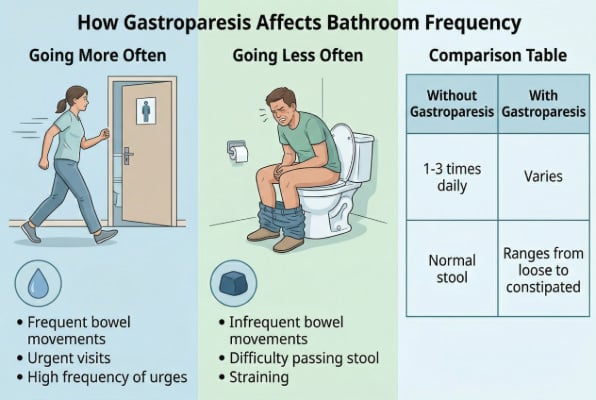
Going More Often
For certain gastroparesis patients, delayed stomach emptying actually increases bathroom visits. When food sits in the stomach longer, stool can accumulate, triggering more frequent trips to the bathroom. This often comes with looser stools or diarrhea.
This uptick in bathroom frequency reflects the body’s attempt to compensate for sluggish stomach emptying. The intestines may try speeding up waste removal to ease the discomfort and pressure from food lingering in the stomach.
Going Less Often
Conversely, some gastroparesis patients experience fewer bathroom visits. Several factors contribute to this, including overall reduced gut motility and the stomach’s inability to effectively push food into the intestines.
Delayed stomach emptying can cause stool retention in the intestines, resulting in infrequent bathroom trips. Additionally, poor intestinal motility contributes to constipation, making regular stool passage difficult.
| Without Gastroparesis | With Gastroparesis | |
| Typical Bathroom Frequency | 1-3 times daily | Varies (more or fewer visits) |
| Stool Texture | Normal | Ranges from loose to constipated |
This comparison highlights bathroom frequency and stool texture differences between those without gastroparesis and those with the condition. These variations differ among gastroparesis patients, making consultation with healthcare professionals essential for tailored management approaches.
Handling Bathroom Habits with Gastroparesis
People with gastroparesis frequently face difficulties managing their bathroom routine. Gastroparesis often contributes to constipation, creating discomfort and frustration. However, strategies exist to ease constipation and encourage regularity, improving overall gut health.
Food Adjustments
Diet significantly impacts bathroom habits with gastroparesis. Certain dietary changes help regulate the digestive system and reduce constipation. Adding high-fiber foods like whole grains, fruits, and vegetables encourages regular bathroom visits. Drinking plenty of water throughout the day prevents dehydration, which worsens constipation.
Movement and Physical Activity
Regular exercise and physical activity help manage bathroom habits for gastroparesis patients. Exercise stimulates digestive muscles, promoting movement and preventing constipation. Walking, swimming, and yoga benefit maintaining regular bathroom patterns.
Daily Habit Changes
Implementing specific daily habit changes can significantly improve bathroom frequency for gastroparesis patients. Managing stress through relaxation techniques like deep breathing or meditation helps regulate the digestive system. Establishing consistent sleep schedules and prioritizing rest also contributes to better overall gut health.
Medications and Supplements
Healthcare professionals may sometimes prescribe medications or suggest supplements for managing bathroom habits in gastroparesis patients. These might include laxatives, stool softeners, or fiber supplements. Consulting a healthcare provider before starting any new medication or supplement regimen remains important.
By applying these strategies, gastroparesis patients can effectively manage their bathroom habits and reduce constipation. Working with healthcare professionals to create a personalized management plan addressing individual needs and medical history is essential.
The Connection Between Gastroparesis and Digestive Problems
Gastroparesis, characterized by delayed stomach emptying, significantly affects multiple digestion aspects. Beyond influencing bathroom frequency, gastroparesis commonly accompanies other digestive problems that further disrupt the gastrointestinal system. Grasping the relationship between gastroparesis and these digestive issues is crucial for effective condition management.
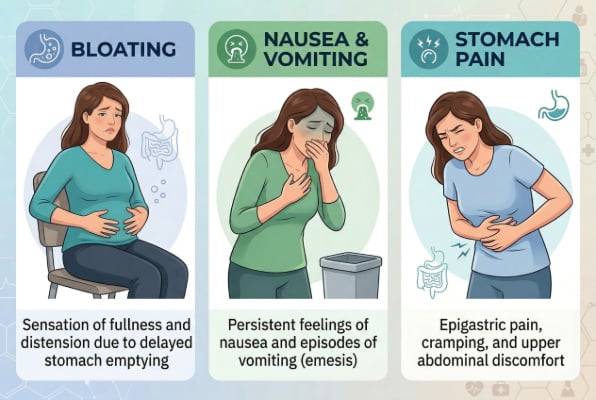
Bloating
Bloating ranks among common digestive problems gastroparesis patients experience. Gastroparesis causes delayed stomach emptying, keeping food in the stomach longer. This delay increases gas production and bloating, making patients feel uncomfortable and full even after eating small portions.
Nausea and Vomiting
Nausea and vomiting frequently accompany gastroparesis. Delayed stomach emptying triggers persistent fullness sensations, leading to ongoing nausea. Severe cases involve vomiting, which further disrupts digestion and may cause nutrient deficiencies.
Stomach Pain
Gastroparesis can also produce stomach pain or discomfort. Slowed food movement through the digestive system creates increased stomach pressure, causing pain or cramping sensations. This stomach pain varies in intensity and duration, affecting gastroparesis patients’ quality of life.
Effectively managing gastroparesis-related digestive problems requires close collaboration with experienced healthcare professionals. Addressing underlying causes and symptoms while implementing customized treatment plans helps patients experience improved digestive function and better quality of life.
| Digestive Problems | Impact on Bathroom Frequency |
| Bloating | May create fullness feelings and affect bathroom frequency |
| Nausea and Vomiting | Can disrupt digestion and contribute to irregular bathroom patterns |
| Stomach Pain | May cause discomfort and affect bathroom regularity |
Gastroparesis and Stool Texture
Gastroparesis, characterized by delayed stomach emptying, can significantly affect stool texture. Patients may experience stool texture changes ranging from loose stools to constipation.
When gastroparesis delays digestion, food stays in the stomach longer, preventing adequate mixing and breakdown of food particles. Consequently, stools may become loose and watery. This commonly occurs when the stomach’s ability to contract and push food forward is compromised.
Alternatively, gastroparesis can also cause constipation. Slow food movement through the digestive system may result in stool dehydration and reduced intestinal motility, making stool passage harder. This leads to infrequent bathroom visits and hard, lumpy stools.
The stool texture inconsistency gastroparesis patients experience can be uncomfortable and challenging to manage. Working closely with healthcare professionals to develop personalized management plans addressing both the underlying gastroparesis condition and associated stool texture issues is essential.
Daily Habit Changes to Improve Bathroom Frequency
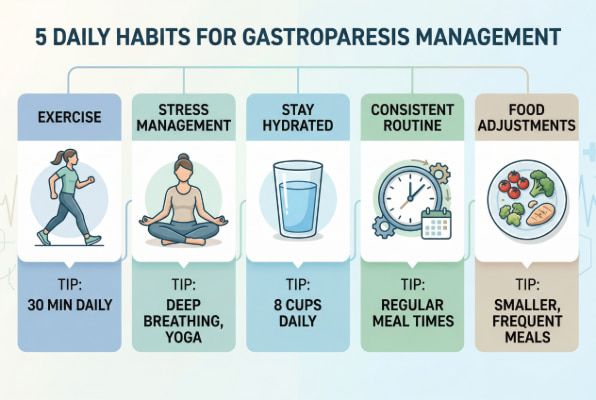
Managing bathroom habits with gastroparesis presents challenges, but certain daily habit modifications can improve bathroom frequency and promote regularity. These modifications include:
1. Adding Regular Exercise
Regular physical activity stimulates bathroom visits and improves gut motility. Target at least 30 minutes of moderate-intensity exercise, like brisk walking or cycling, most days weekly. Exercise also relieves stress, another factor affecting bathroom habits in gastroparesis patients.
2. Using Stress Management Techniques
Stress worsens gastrointestinal symptoms and impacts bathroom frequency. Implementing stress management techniques like deep breathing exercises, meditation, or yoga helps reduce stress and promote regular bathroom habits. Finding relaxing activities positively impacts digestive health.
3. Maintaining Proper Hydration
Staying hydrated is crucial for regular bathroom habits. Drinking adequate water throughout the day softens stool and prevents constipation. Target at least 8 cups (64 ounces) of water daily, or more in hot climates or during intense physical activity.
4. Creating a Consistent Routine
Building a regular routine for meals and bathroom visits trains your body to expect and respond to specific times. Try eating meals at consistent times daily and setting aside time for bathroom visits after meals. This routine helps regulate your digestive system and improve bathroom frequency.
5. Making Food Adjustments
Consulting a healthcare professional or registered dietitian specializing in gastroparesis helps develop a personalized food plan for managing symptoms. They may suggest modifications like consuming smaller, more frequent meals, avoiding fatty and high-fiber foods, and incorporating foods promoting regular bathroom visits, such as prunes or kiwi.
By implementing these daily habit modifications, you can take control of your bathroom frequency and manage gastroparesis more effectively. Remember, consistency and patience are key when adopting new routines or food changes.
Food Recommendations for Managing Gastroparesis-Related Digestive Problems
Proper nutrition plays a crucial role in managing gastroparesis-related digestive problems. Food adjustments can help ease symptoms and promote regular bathroom habits. Consider these food recommendations:
Fiber Consumption
Increasing fiber in your diet aids bathroom habit management with gastroparesis. However, choosing soluble fibers like oatmeal, cooked fruits, and vegetables is essential, as insoluble fibers may cause discomfort. Soluble fibers soften stools and promote regularity, benefiting gastroparesis patients.
Small, Frequent Meals
Splitting meals into smaller, more frequent portions helps manage gastroparesis-related digestive problems. Eating smaller meals throughout the day prevents stomach overload and aids proper digestion. Additionally, smaller meals digest more easily, reducing bathroom irregularity likelihood.
Steering Clear of Trigger Foods
Identifying and avoiding trigger foods is crucial for managing gastroparesis-related digestive problems. Certain foods like fatty, greasy, and high-fiber options can worsen symptoms and contribute to bathroom irregularities. Keep a food diary to determine which foods aggravate your symptoms and adjust your diet accordingly.
By incorporating these food recommendations into your daily routine, you can effectively manage gastroparesis-related digestive problems and promote regular bathroom habits. However, consulting a healthcare professional or registered dietitian before making significant food changes ensures they’re tailored to your specific needs.
| Food Recommendations | Details |
| Fiber Consumption | Increase soluble fiber intake like oatmeal, cooked fruits, and vegetables to promote regularity |
| Small, Frequent Meals | Split meals into smaller portions throughout the day to prevent stomach overload and aid digestion |
| Steering Clear of Trigger Foods | Identify and avoid foods worsening symptoms, such as fatty, greasy, and high-fiber options |

Seeking Professional Help for Gastroparesis in Tampa Bay
Living with gastroparesis and its effects on bowel movements can feel overwhelming, but you don’t have to manage it alone. If lifestyle modifications and dietary changes aren’t providing adequate relief, it may be time to consult a specialist who understands the complexities of this condition.
Tampa Bay Reflux Institute, led by Dr. Grandhige, specializes in diagnosing and treating gastroparesis along with related digestive conditions. Dr. Grandhige is a national expert who focuses on gastrointestinal motility disorders and offers advanced treatment options for patients struggling with persistent symptoms.
Diagnostic Services
Tampa Bay Reflux Institute utilizes comprehensive testing to properly diagnose gastroparesis, including:
- Gastric Emptying Study, the most useful test for diagnosing gastroparesis, tracking how quickly food leaves your stomach over a four-hour period
- Upper Gastrointestinal Endoscopy, helps identify food retention in the stomach and rule out other conditions
Advanced Treatment Options
When dietary modifications and medications aren’t enough, Dr. Grandhige offers surgical interventions aimed at improving stomach emptying and relieving symptoms:
- POP Procedure (Per-Oral Pyloromyotomy) / G-POEM, a minimally invasive endoscopic procedure that loosens the pyloric muscle to improve stomach drainage. Dr. Grandhige is one of only a handful of physicians performing this procedure in the Tampa Bay area.
- Robotic or Laparoscopic Pyloroplasty, a surgical approach that permanently widens the pyloric opening, allowing food to pass more easily into the small intestine
Many patients who visit our practice also experience GERD symptoms alongside gastroparesis. In such cases, our team evaluates whether conditions like hiatal hernias or silent reflux may be contributing factors. We also treat related esophageal conditions such as achalasia, which shares similar motility dysfunction characteristics.
For patients requiring surgical intervention for reflux, we offer procedures including fundoplication surgery, the LINX reflux management system, and the TIF procedure. Understanding the connection between abdominal hernias and heartburn is also important for comprehensive digestive care. Some patients may also benefit from incisionless weight loss procedures to help manage symptoms related to excess weight.
Conclusion
Managing bowel movements with gastroparesis requires understanding how delayed stomach emptying affects your entire digestive system. While bathroom frequency varies significantly from person to person, with some experiencing more frequent visits and others dealing with constipation, practical strategies can help you regain control. Dietary adjustments like increasing soluble fiber, staying hydrated, exercising regularly, and establishing consistent daily routines all contribute to better digestive health. If lifestyle modifications aren’t providing sufficient relief, consulting a specialist like those at Tampa Bay Reflux Institute can open doors to advanced diagnostic testing and treatment options, including minimally invasive procedures. Remember, you don’t have to navigate gastroparesis alone, working closely with healthcare professionals ensures you receive personalized care tailored to your specific needs. For more information about digestive health topics, visit our blog or learn more about finding the best hiatal hernia doctors in Tampa. Ready to take the next step? Contact us to schedule a consultation.
FAQs
How often should someone with gastroparesis expect to have bowel movements?
There’s no standard frequency, as some people go more often while others experience fewer bathroom visits. The key is monitoring your personal patterns and working with your doctor to establish what’s normal for you.
Does gastroparesis always cause constipation?
Not necessarily; while constipation is common, some patients actually experience loose stools or diarrhea. Your symptoms depend on how your individual digestive system responds to delayed stomach emptying.
What foods should I avoid if gastroparesis is affecting my bowel habits?
Fatty, greasy, and high-insoluble-fiber foods typically worsen symptoms. Keeping a food diary helps identify your personal trigger foods.
Can exercise really help with gastroparesis-related bowel problems?
Yes, regular physical activity stimulates gut motility and promotes more regular bathroom habits. Aim for 30 minutes of moderate exercise most days of the week.
When should I see a specialist for gastroparesis?
Seek professional help when lifestyle and dietary changes aren’t providing adequate relief. A specialist can offer advanced diagnostics and treatments like the POP procedure or pyloroplasty.


An endoscopy cannot tell you if you have reflux. It can only tell you if you have complications of GERD.
If you are unhappy with your reflux symptoms, come in and we can discuss testing and treatments that can accurately diagnose your problem.
#reflux #gerd #hiatalhernia #gastroparesis #linx

CALL US AT 813-922-2920
www.tampareflux.com
If you have a hiatal hernia and fit one of these categories, you should know your options.
Dr. Grandhige is an expert in his field and performs 200 of these surgeries a year. He is the only surgeon in the Tampa Bay Area who offers all surgical options - LINX, Fundoplications, TIF and will be one of 20 surgeons in America introducing the latest procedure RefluxStop in 2026.
We accept most insurances but will verify yours before you come in. These procedures are considered medically necessary and covered by your insurance. You can expect to pay your in-network deductibles and nothing else.
#hiatalhernia #reflux #GERD #LINX #refluxstop
What causes reflux ?
1. Weak lower esophageal sphincter
2. Hiatal hernia
3. Flattening of the Angle of His
4. Poor esophageal motility
5. Gastroparesis (slow stomach)
NOT increased acid production
Don’t let GERD get in the way of living your life. Request your appointment with us today on the link below.
.
.
.
.
https://tampareflux.com/contact-us/
Anyone can be victim to GERD and though weight loss can help reduce GERD symptoms. Many athletes with high impact workouts may continue to have these symptoms. This may be a symptom of a hiatal hernia or other issue. We are more then happy to assist you in finding your solution, just click the link below.
.
.
.
https://tampareflux.com/contact-us/
##healthylifestyle #workout #athletereflux #PPIs #heartburn #LINX #fundoplication #TIF #GERD#tampaheartburn #linx #TIF #fundoplication #tampabayreflux #GERD #acidreflux #acidrefluxsurgery #stopreflux
#nonsurgicalweightloss #ESG #gastricballoon #weightlossjourney #vsg #vsgjourney #spatz3 #orbera #orberaballoon #grandhige #DrG
#tampabayrefluxinstitute #guthealth #roboticsurgery
Heartburn may seem like an annoyance. But if you find yourself having symptoms on a daily basis, it may be time to to talk to Dr. Grandhige as it could be a symptom of something worse.
.
.
.
#chronicheartburn #gerdsymptoms #heartburnrelief #reflux #PPIs #heartburn #LINX #fundoplication #TIF #GERD#tampaheartburn #linx #TIF #fundoplication #tampabayreflux #GERD #acidreflux #acidrefluxsurgery #stopreflux
#nonsurgicalweightloss #ESG #gastricballoon #weightlossjourney #vsg #vsgjourney #spatz3 #orbera #orberaballoon #grandhige #DrG
#tampabayrefluxinstitute #guthealth #roboticsurgery
If you are tired of avoiding your favorite foods or taking daily medications, we can help.
We are the Tampa experts in reflux ! With years of experience and thousands of patients treated successfully, we offer all FDA approved anti-reflux procedures.
Call 813-922-2920 to schedule your appointment
All major insurances accepted.
Not all patients need surgical intervention. Many patients are living a heartburn free life with their PPIs. However 40% of patients taking PPIs are not getting the relief they need. If you are one of those, you have options! Come in and find out more.
.
.
.
.
#letushelpyou #medsnotworking #reflux #PPIs #heartburn #LINX #fundoplication #TIF #GERD#tampaheartburn #linx #TIF #fundoplication #tampabayreflux #GERD #acidreflux #acidrefluxsurgery #stopreflux
#nonsurgicalweightloss #ESG #gastricballoon #weightlossjourney #vsg #vsgjourney #spatz3 #orbera #orberaballoon #grandhige #DrG
#tampabayrefluxinstitute #guthealth #roboticsurgery
#heartburn #stopreflux #hiatalherniarepair #severeheartburn #reflux #tampabayreflux #acidrefluxsurgery #tampaheartburn #GERD #PPIs #achalasia #LINX #TIF #tampareflux #fundoplication #stomach #digestivehealth #ESG #obesity #overweight #weightlossjourney #gastricballoon


