
Written By: Jeffrey Atlas, Health Content Writer
Medically Reviewed By: Dr. Gopal Grandhige, MD, FACS, Board-Certified Surgeon
Last Reviewed: March 7, 2026
Antacids treat GERD (gastroesophageal reflux disease) by neutralizing stomach acid to provide fast relief from heartburn, typically within minutes. These over-the-counter medications contain alkalizing compounds, most commonly aluminum hydroxide, calcium carbonate, or magnesium hydroxide, that raise stomach pH and reduce acid concentration by up to 100-fold. While antacids are effective for occasional heartburn and mild GERD symptoms, they provide temporary relief lasting 30 minutes to a few hours and do not prevent reflux episodes or heal esophageal damage. For chronic or severe GERD, stronger medications like H2 blockers (approximately 70% effective) or proton pump inhibitors (approximately 90% effective) may be necessary.
Why Antacids Are Often the Go-To Solution
Antacids frequently serve as the initial medication choice for acid reflux sufferers. Their widespread availability, budget-friendly prices, and diverse formulations make them an accessible starting point for symptom management. These medications have been on the market for decades and were historically the first-line defense against peptic ulcer disease before the development of more powerful acid-suppressing drugs. Chalk (calcium carbonate) has actually been chewed for centuries to provide relief from stomach discomfort. Today, antacids remain one of the most commonly purchased over-the-counter medications worldwide, with consumers spending billions of dollars annually on these non-prescription remedies to address heartburn and acid indigestion.
The Science Behind Antacid Relief
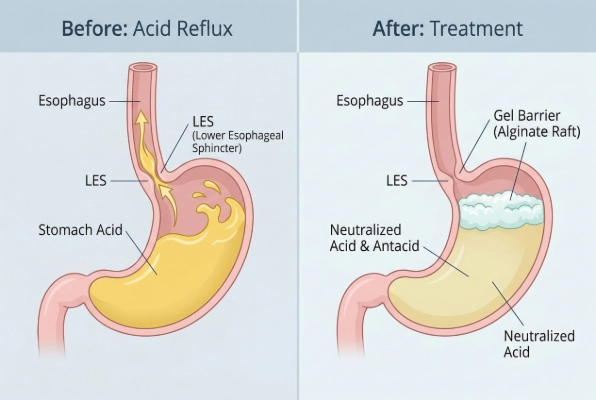
These fast-acting medications work by neutralizing the acid present in your stomach and esophagus. The secret lies in their alkalizing compounds, which shift your stomach’s pH from acidic toward neutral or slightly basic. Remarkably, an antacid that increases gastric pH from 1.5 to 3.5 can reduce the concentration of gastric acid by 100-fold. These medications also inhibit pepsin, a digestive enzyme that can damage the esophageal lining when stomach contents reflux upward.
Common active ingredients found in antacid formulations include:
- Aluminum hydroxide addresses gastritis, acid indigestion, and heartburn
- Calcium carbonate targets heartburn, burning throat, and stomach discomfort
- Magnesium hydroxide relieves both constipation and heartburn
These compounds are classified as “bases,” substances with pH values exceeding seven that chemically react with acids to form neutralizing salts.
Additional ingredients in some antacid products include bismuth subsalicylate (for nausea, reflux, and diarrhea) and simethicone (for gas and bloating). Alginic acid, derived from seaweed, has also demonstrated significant effectiveness for gastroesophageal reflux disease symptoms. When alginates interact with stomach acid, they create a unique gel-like “raft” that floats on top of stomach contents, forming a physical barrier that prevents acid from refluxing into the esophagus. Research has shown that alginate-containing formulations offer a quick onset of action comparable to antacids but provide a significantly longer duration of effectiveness, lasting up to four hours compared to the 30 to 40 minutes typically provided by conventional antacids alone.
Available Forms and Symptom Relief
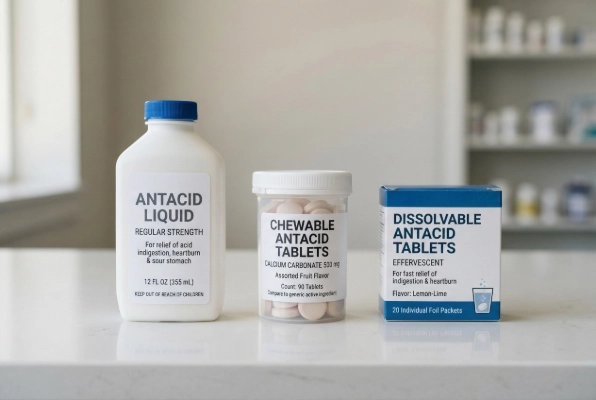
You can find antacids as liquids, suspensions, chewable tablets, or dissolvable tablets. They typically provide rapid relief, often within minutes, for symptoms such as:
- Heartburn and burning throat sensations
- Throat tightness and tension
- Persistent coughing
- Bloating and belching
- Sour stomach
- Difficulty swallowing
Relief generally lasts several hours after taking a dose. It’s worth noting that liquid antacid formulations typically work more quickly than tablets because they dissolve more easily and interact faster with gastric acid. However, if using tablet antacids, thoroughly chewing them maximizes their effectiveness. Different ingredients also have varying durations of action: sodium bicarbonate and magnesium hydroxide provide the shortest relief period, while aluminum hydroxide and calcium carbonate offer the longest-lasting effects. Combination products containing both aluminum and magnesium provide an intermediate duration of action.
Popular Antacid Brands in the United States
Well-known antacid products available on the market include Gaviscon, Gelusil, Maalox, Mylanta, Riopan, Rolaids, Tums, Pepto Bismol, Alka-Seltzer, and Milk of Magnesia. Many manufacturers offer combination products designed to address multiple symptoms simultaneously. For example, Pepcid Complete combines the acid-neutralizing capability of an antacid with the acid-reducing actions of an H2 blocker. Some products also include alginates for enhanced protection against reflux. Additionally, manufacturers continuously reformulate their products to improve palatability and the overall consumer experience while maintaining therapeutic effectiveness.
Tums remains one of the most recognized antacid brands, offering various strengths and tablet presentations to provide fast heartburn relief using calcium carbonate as its active ingredient. Pepto Bismol, with its distinctive pink liquid formula, contains bismuth subsalicylate and helps with heartburn, upset stomach, and diarrhea, though it is not recommended for children under 12 years old. Gaviscon combines magnesium hydroxide, aluminum hydroxide, and alginic acid to target heartburn, acid indigestion, sour stomach, and bloating. Maalox and Mylanta are popular combination products containing both magnesium and aluminum hydroxide, making them fast-acting options that balance out potential digestive side effects. Effervescent antacids like Alka-Seltzer contain sodium bicarbonate and citric acid, which react when dissolved in water to produce carbon dioxide, and some formulations also include aspirin for additional pain relief.
Understanding Antacid Limitations
It’s important to recognize that antacids don’t actually prevent GERD episodes. They provide reactive relief when symptoms occur and aren’t intended for prolonged use. For severe reflux disease cases, they may not deliver adequate relief. Unlike more powerful medications, antacids do not contribute to the healing of erosive esophagitis or prevent long-term GERD complications. Because antacids only mask symptoms without addressing underlying conditions, their regular use may delay proper diagnosis of health conditions like peptic ulcers, gastric ulcers, or hiatal hernias.
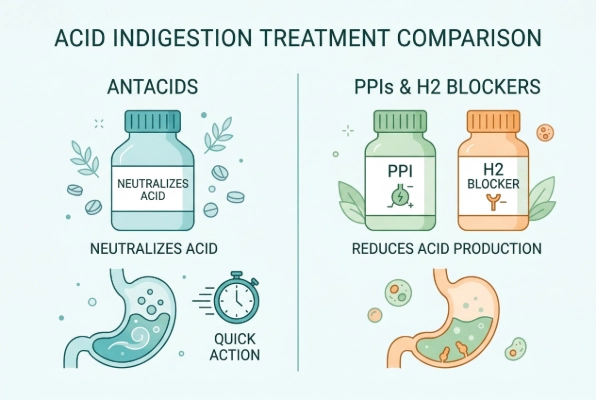
Alternative medications like H2 blockers and proton pump inhibitors (PPIs) are designed for GERD prevention and more intense symptoms. Unlike antacids, these drugs reduce acid production rather than neutralizing existing acid. H2 blockers work by blocking histamine receptors that trigger acid production, while PPIs block the final step in acid secretion, making PPIs approximately 90% effective compared to H2 blockers at around 70%.
Potential Side Effects to Consider
Antacids can produce side effects, especially with frequent or improper use. These may include constipation, diarrhea, headaches, and nausea. Generally, magnesium-containing antacids tend to cause diarrhea, while aluminum-containing antacids are more likely to cause constipation, which is why many manufacturers combine both ingredients to balance out these effects. Long-term excessive use of aluminum hydroxide may deplete the body of phosphate, potentially causing metabolic bone disease such as osteoporosis.
Drug interactions are also possible, particularly with thyroid medications and antiplatelet drugs. Antacids can affect how other medications are absorbed because they alter stomach pH. People with kidney disease, elevated blood calcium, blood disorders, or those on anticoagulants should consult a healthcare provider before using certain antacids. Children require pediatric approval before taking these medications, and antacids should generally not be given to children under six years of age.
When Antacids Aren’t Enough
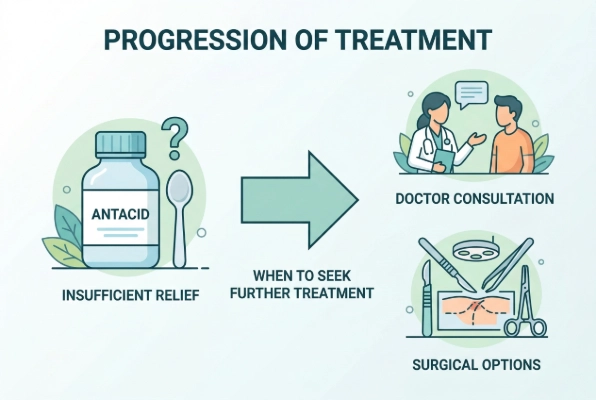
Antacids serve as a short-term solution for acid reflux and indigestion. However, GERD can cause severe, recurring symptoms that damage the esophageal lining over time. In these cases, antacids may prove insufficient, and extended use could actually create additional problems. Untreated GERD can lead to serious complications including esophageal strictures (narrowing of the esophagus), chronic ulcers and bleeding, and Barrett’s esophagus, a precancerous condition that increases cancer risk.
If OTC medications aren’t controlling your symptoms, consulting a reflux specialist is strongly recommended. You may benefit from a combination therapy approach, potentially including prescription-strength medications or surgical interventions such as fundoplication surgery or the LINX Reflux Management System. For patients seeking minimally invasive options, procedures like TIF with EsophyX offer effective alternatives. Your doctor may also want to run diagnostic tests to rule out other underlying conditions, including silent reflux, achalasia, or gastroparesis. Experts recommend seeking medical evaluation if you experience chronic heartburn two or more times per week or if symptoms persist despite using antacids as directed for two weeks.
Conclusion
Antacids remain a valuable first-line treatment for managing mild GERD symptoms and occasional heartburn. Their ability to quickly neutralize stomach acid provides fast relief, making them a convenient option for many sufferers. However, understanding their limitations is essential, as they offer temporary symptom relief rather than long-term healing or prevention. For persistent or severe GERD, working with a Tampa reflux center to explore stronger medications like H2 blockers or PPIs, alongside lifestyle modifications or incisionless weight loss procedures, will lead to better outcomes and help prevent serious complications. Those seeking expert hiatal hernia treatment or abdominal hernia care should consider consulting with experienced specialists. For more information on managing digestive conditions, visit our reflux blog or explore resources from the American Gastroenterological Association and MedlinePlus.
FAQs
How quickly do antacids work?
Antacids typically provide relief within minutes of taking them. However, the effects usually last only 30 minutes to a few hours depending on the formulation.
Can I take antacids every day?
Antacids are designed for occasional use, not daily long-term treatment. If you need them regularly, consult a doctor as you may require stronger medication.
What’s the difference between antacids and PPIs?
Antacids neutralize existing stomach acid for quick relief, while PPIs block acid production at the source. PPIs are more effective for chronic GERD but take longer to work.
Are antacids safe during pregnancy?
Most calcium, magnesium, and aluminum-based antacids are considered safe during pregnancy. However, always consult your healthcare provider before taking any medication while pregnant.
Can antacids interfere with other medications?
Yes, antacids can affect how your body absorbs certain drugs including thyroid medications and antibiotics. Take other medications one hour before or four hours after antacids.


An endoscopy cannot tell you if you have reflux. It can only tell you if you have complications of GERD.
If you are unhappy with your reflux symptoms, come in and we can discuss testing and treatments that can accurately diagnose your problem.
#reflux #gerd #hiatalhernia #gastroparesis #linx

CALL US AT 813-922-2920
www.tampareflux.com
If you have a hiatal hernia and fit one of these categories, you should know your options.
Dr. Grandhige is an expert in his field and performs 200 of these surgeries a year. He is the only surgeon in the Tampa Bay Area who offers all surgical options - LINX, Fundoplications, TIF and will be one of 20 surgeons in America introducing the latest procedure RefluxStop in 2026.
We accept most insurances but will verify yours before you come in. These procedures are considered medically necessary and covered by your insurance. You can expect to pay your in-network deductibles and nothing else.
#hiatalhernia #reflux #GERD #LINX #refluxstop
What causes reflux ?
1. Weak lower esophageal sphincter
2. Hiatal hernia
3. Flattening of the Angle of His
4. Poor esophageal motility
5. Gastroparesis (slow stomach)
NOT increased acid production
Don’t let GERD get in the way of living your life. Request your appointment with us today on the link below.
.
.
.
.
https://tampareflux.com/contact-us/
Anyone can be victim to GERD and though weight loss can help reduce GERD symptoms. Many athletes with high impact workouts may continue to have these symptoms. This may be a symptom of a hiatal hernia or other issue. We are more then happy to assist you in finding your solution, just click the link below.
.
.
.
https://tampareflux.com/contact-us/
##healthylifestyle #workout #athletereflux #PPIs #heartburn #LINX #fundoplication #TIF #GERD#tampaheartburn #linx #TIF #fundoplication #tampabayreflux #GERD #acidreflux #acidrefluxsurgery #stopreflux
#nonsurgicalweightloss #ESG #gastricballoon #weightlossjourney #vsg #vsgjourney #spatz3 #orbera #orberaballoon #grandhige #DrG
#tampabayrefluxinstitute #guthealth #roboticsurgery
Heartburn may seem like an annoyance. But if you find yourself having symptoms on a daily basis, it may be time to to talk to Dr. Grandhige as it could be a symptom of something worse.
.
.
.
#chronicheartburn #gerdsymptoms #heartburnrelief #reflux #PPIs #heartburn #LINX #fundoplication #TIF #GERD#tampaheartburn #linx #TIF #fundoplication #tampabayreflux #GERD #acidreflux #acidrefluxsurgery #stopreflux
#nonsurgicalweightloss #ESG #gastricballoon #weightlossjourney #vsg #vsgjourney #spatz3 #orbera #orberaballoon #grandhige #DrG
#tampabayrefluxinstitute #guthealth #roboticsurgery
If you are tired of avoiding your favorite foods or taking daily medications, we can help.
We are the Tampa experts in reflux ! With years of experience and thousands of patients treated successfully, we offer all FDA approved anti-reflux procedures.
Call 813-922-2920 to schedule your appointment
All major insurances accepted.
Not all patients need surgical intervention. Many patients are living a heartburn free life with their PPIs. However 40% of patients taking PPIs are not getting the relief they need. If you are one of those, you have options! Come in and find out more.
.
.
.
.
#letushelpyou #medsnotworking #reflux #PPIs #heartburn #LINX #fundoplication #TIF #GERD#tampaheartburn #linx #TIF #fundoplication #tampabayreflux #GERD #acidreflux #acidrefluxsurgery #stopreflux
#nonsurgicalweightloss #ESG #gastricballoon #weightlossjourney #vsg #vsgjourney #spatz3 #orbera #orberaballoon #grandhige #DrG
#tampabayrefluxinstitute #guthealth #roboticsurgery
#heartburn #stopreflux #hiatalherniarepair #severeheartburn #reflux #tampabayreflux #acidrefluxsurgery #tampaheartburn #GERD #PPIs #achalasia #LINX #TIF #tampareflux #fundoplication #stomach #digestivehealth #ESG #obesity #overweight #weightlossjourney #gastricballoon


