
Written By: Jeffrey Atlas, Health Content Writer
Medically Reviewed By: Dr. Gopal Grandhige, MD, FACS, Board-Certified Surgeon
Last Reviewed: June 13, 2026
The short answer most blogs give you is wrong. Warm water isn’t automatically better for acid reflux. Cold water isn’t automatically a trigger. Both can help, both can hurt, and the truth depends on your anatomy, your symptoms, and what you ate two hours ago.
I’m Dr. Gopal Grandhige, a board-certified surgeon at Tampa Bay Reflux Institute. I’ve sat across from thousands of patients who tried the “drink warm water” advice they read online and got worse. So let’s talk about what the research actually shows, what I see in clinic, and when water temperature is the wrong thing to be fixing.
What the research really says about hot water or cold water for acid reflux
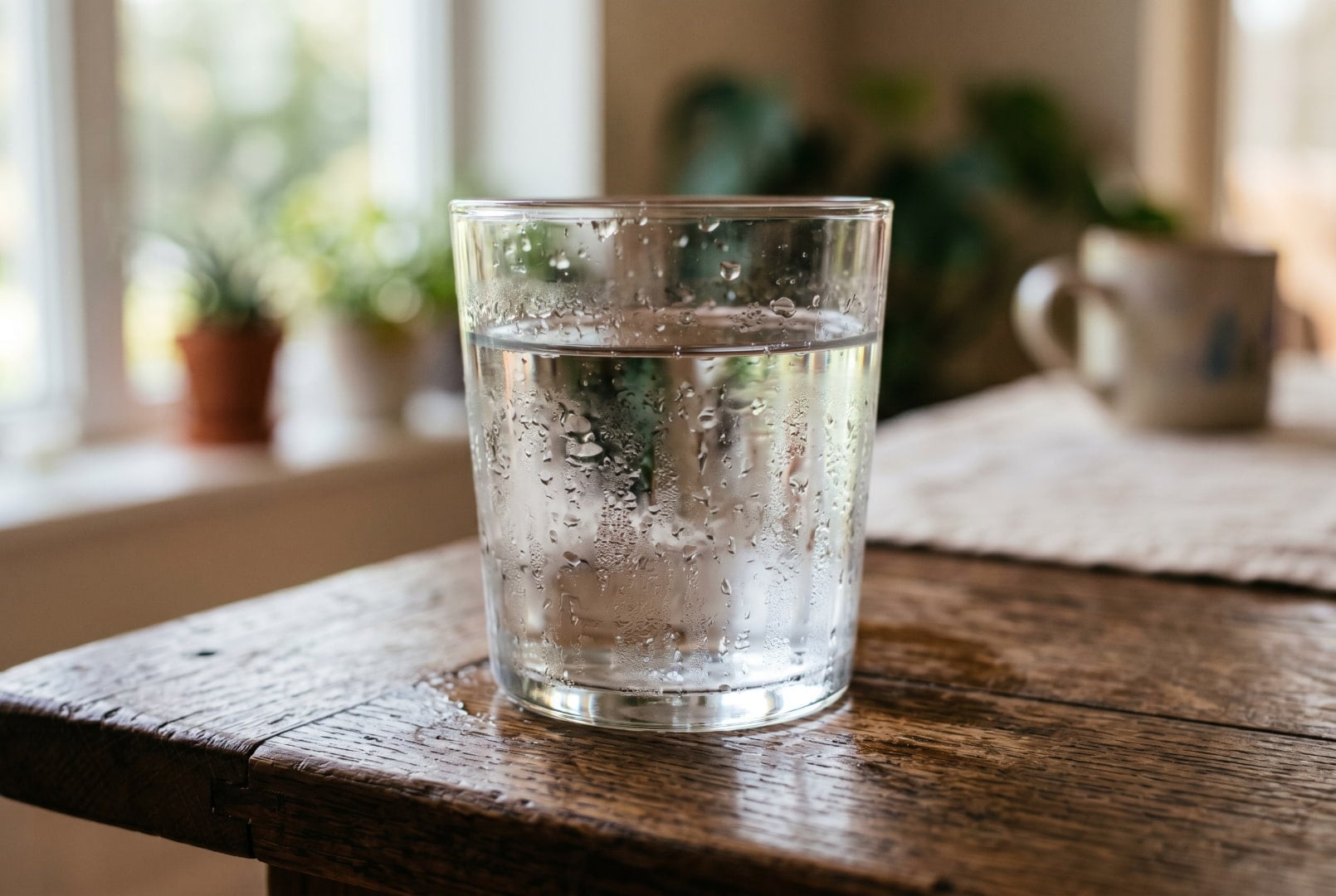
Water temperature has a small, person-specific effect on reflux. Very hot water can relax the lower esophageal sphincter, which allows stomach acid to flow back into the esophagus and worsen reflux symptoms. Cold water, on the other hand, may irritate a sensitive esophagus in some patients through cold-sensitive nerve receptors. Most foregut specialists recommend room-temperature or mildly warm water, not steaming hot, not iced. But that’s a default, not a rule. If iced water works for you, drink it.
This is the part the internet skips: temperature is a footnote in reflux care. It’s not the headline.
What is acid reflux and GERD?
Acid reflux is when stomach acid travels backward into your esophagus. You feel it as burning behind your breastbone, a sour taste, or a lump in your throat. The global prevalence of GERD sits around 14%, with North America at the high end near 20%. In the US, roughly one in five adults deals with weekly symptoms.
The mechanism is mechanical. A muscular ring called the lower esophageal sphincter (LES) sits between your stomach and esophagus. When it’s weak, loose, or relaxed at the wrong time, acid gets through. GERD is the chronic version of this problem, and untreated GERD can lead to Barrett’s esophagus and, rarely, esophageal cancer.
If you’re reaching for warm water more than twice a week to calm symptoms, you don’t have a hydration problem. You have a GERD problem that deserves a workup.

Why does reflux happen in the first place?
Most patients I see have been told their reflux is caused by stress or spicy food. That’s lazy medicine. The real causes are usually structural or behavioral, and often both.
The common drivers:
- A weak or loose LES
- A hiatal hernia (part of the stomach pushing up through the diaphragm)
- Eating large meals, especially within three hours of bed
- Excess abdominal weight pressing on the stomach
- Smoking (which relaxes the LES)
- Pregnancy
- Certain medications, including some blood pressure drugs and asthma inhalers
I tell patients this all the time: if you have reflux and you’ve never had a proper workup, you’re treating a symptom and ignoring the engine. We use specialized testing for hiatal hernias and pH monitoring to figure out what’s actually happening, not just guess.
Does drinking water help acid reflux?
Yes, but not as much as TikTok thinks.
Water helps in three specific ways. It dilutes stomach acid, washes acid back down out of the esophagus, and supports the mucous lining that protects your throat and esophageal tissue. Drinking water too fast, though, can overload the stomach and actually trigger a reflux episode. So chugging a 24-ounce bottle when you feel a flare-up coming on can backfire.
I’ve watched patients drink themselves into a heartburn episode trying to put one out. Sip, don’t gulp.
A standalone answer worth bookmarking
Hot water or cold water for acid reflux: warm or room-temperature water is the safest default for most people because very hot water can relax the lower esophageal sphincter and ice-cold water can irritate sensitive esophageal tissue. Sip slowly, avoid drinking large amounts during meals, and choose alkaline water (pH 8 or higher) if your symptoms include throat irritation or chronic cough.
What kind of water is best for acid reflux?
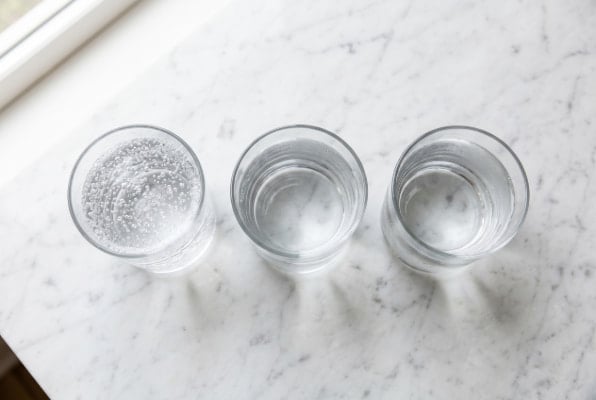
Type matters more than temperature. Here’s how the main options stack up.
Alkaline water (pH 8.0 or higher)
This is the one with real research behind it. A 2012 study found that pH 8.8 alkaline water permanently inactivates pepsin and has strong acid-buffering capacity. Pepsin is the digestive enzyme that causes most of the tissue damage in GERD and silent reflux, not just acid itself.
For patients with LPR (the throat-symptom version of reflux), alkaline water is one of the few non-prescription things I’ll actively recommend. The catch: not all “alkaline water” on store shelves hits the pH 8.8 threshold. Check the label.
Filtered water
Plain filtered water is fine for general hydration. It removes chlorine and contaminants that can irritate sensitive guts. But filtered tap water sits around pH 7, which means it doesn’t do anything special to pepsin or stomach acid. It’s the baseline, not a treatment.
Mineral water (still, not sparkling)
Bicarbonate-rich mineral waters have shown real benefits in small clinical trials for heartburn relief. The bicarbonate buffers acid the same way an antacid tablet does, just gentler and slower. Skip carbonated mineral water though. The bubbles increase stomach pressure and push acid up.
Coconut water and electrolyte drinks
A lot of patients ask. Coconut water is mildly alkaline and well-tolerated by most refluxers. It’s not a treatment, but it’s a fine swap for sports drinks if you’re an athlete with reflux.
Hot water, cold water, or somewhere in between?
Here’s my actual clinic guidance, broken down by scenario.
Warm water (around body temperature): Best after meals, when you wake up, and during a mild heartburn flare. It moves smoothly past a tight or irritated esophagus.
Room-temperature water: The all-day default. Works for most people, most of the time.
Cold water: Fine if it doesn’t bother you. Some patients say it actually helps cool a burning sensation. Listen to your own body, not a blog.
Hot (steaming) water: Skip it. Very hot water can relax the lower esophageal sphincter in some people and make reflux worse. The “hot lemon water in the morning” trend is exactly wrong for refluxers.
What drinks make acid reflux worse?
This is where most of the damage gets done. Patients fixate on water temperature while drinking three coffees and a glass of wine a day.
Alcohol
Alcohol relaxes the LES and bumps up stomach acid production. Wine and beer are the worst offenders because they’re also acidic and carbonated, respectively. Cutting back here gives you the biggest payoff per change.
Citrus juices
Orange, grapefruit, lemon, and lime juices are highly acidic. They irritate the esophagus directly and don’t need a faulty LES to cause pain. If you have to have citrus, eat the whole fruit instead. The fiber slows acid release.
Carbonated drinks
Soda, seltzer, kombucha, sparkling water, all of it. Carbonated drinks can irritate the esophagus and worsen symptoms. The CO2 bubbles increase stomach pressure and push the LES open.
Coffee and caffeinated teas
Caffeine relaxes the LES. Coffee adds insult to injury because the coffee oils themselves stimulate acid. Decaf is better but not innocent. If quitting feels impossible, drink it with food, never on an empty stomach.
Peppermint tea
This one fools people because peppermint is marketed as “good for digestion.” Coffee, tea, and mint can lower basal LES pressure, which leads to heartburn and reflux. Peppermint relaxes the LES the same way alcohol does. Switch to chamomile or ginger.
Whole milk
Patients swear by milk for heartburn. The relief lasts 20 minutes, then the fat triggers more acid production. If milk helps you, try skim or unsweetened almond milk instead.
How to drink water if you have acid reflux
Mechanics matter as much as the water itself.
Sip throughout the day. Aim for small, frequent sips instead of large amounts at once. This keeps your stomach from over-distending, which is what triggers a lot of reflux episodes.
Stop drinking 2-3 hours before bed. Lying flat with a full stomach is asking for trouble. Even water can wash acid into the esophagus if there’s not enough time to clear.
Don’t chug water during meals. Small sips with food are fine. Large amounts dilute digestive enzymes and stretch the stomach. I tell patients to drink most of their water between meals, not during them.
Elevate your head when sleeping. This isn’t water-specific, but it pairs with everything above. A 6-8 inch wedge or bed elevation reduces overnight reflux dramatically.
Use a straw if cold water bothers your throat. A straw bypasses the most sensitive part of the esophagus on the way down.

When water isn’t enough: knowing when to escalate
Here’s the conversation I have at least three times a week. A patient tells me they’ve been managing reflux with water tricks, antacids, and avoiding spicy food for ten years. They’re proud of it. Then we scope them and find Barrett’s esophagus.
Water management is fine for occasional heartburn. If you’re using it as a primary GERD treatment, you’re playing defense against a problem that often gets worse with time. The signs you need a real workup:
- Heartburn more than twice a week
- Symptoms that wake you up
- Difficulty swallowing
- Chronic cough or throat clearing
- Reflux that doesn’t respond to over-the-counter medication
- Family history of esophageal cancer
At Tampa Bay Reflux Institute, we offer minimally invasive solutions including TIF (transoral incisionless fundoplication) and the LINX Reflux Management System for patients who need more than lifestyle changes. Alkaline water can deactivate pepsin and ease symptoms, but it doesn’t fix a broken LES or a hiatal hernia.
The bottom line on hot water or cold water for acid reflux
Drink water at a temperature that doesn’t bother you. Skip steaming hot and probably skip iced. Pick alkaline or bicarbonate-rich water if you have throat symptoms. Sip slowly. Stop hours before bed. And if you’re still relying on water tricks to get through the day, it’s time for a real evaluation. Tampa Bay Reflux Institute helps you eliminate reflux and GERD permanently, not just manage it with a glass of water at a time.
FAQs
Is hot water or cold water better for acid reflux?
Warm or room-temperature water is the safest default. Very hot water can relax the lower esophageal sphincter and make reflux worse, while cold water can irritate sensitive esophageal tissue. Most patients tolerate water at body temperature best, but personal response matters more than any blanket rule.
Can drinking cold water cause acid reflux?
In some patients, yes. Cold water can activate temperature-sensitive nerve receptors in the esophagus, triggering chest pain or burning sensations that mimic reflux. It’s not universal. If iced water doesn’t bother you, it’s fine to drink.
Does alkaline water actually help acid reflux?
It can, especially for silent reflux and throat symptoms. Research shows pH 8.8 alkaline water permanently inactivates pepsin, the enzyme responsible for most reflux-related tissue damage. Look for water with pH 8.0 or higher. Most regular bottled water sits at 6.7 to 7.4, which doesn’t have the same effect.
How much water should I drink daily if I have GERD?
Aim for roughly 64 ounces (about 2 liters) spread throughout the day, in small sips rather than large amounts at once. Drinking too much water at one time can over-distend the stomach and trigger reflux, especially if you have a hiatal hernia.
Is sparkling water bad for acid reflux?
Yes, for most patients. The carbonation increases stomach pressure and can push acid through the lower esophageal sphincter. Even alkaline sparkling water carries the same problem. Stick to still water if you have GERD.
Should I stop drinking water before bed?
Stop drinking liquids 2-3 hours before lying down. Going to bed with a full stomach (water or food) makes nighttime reflux more likely, and overnight reflux is the version most associated with Barrett’s esophagus and other complications.
When should I see a doctor for acid reflux?
If you have heartburn more than twice a week, symptoms that wake you up, trouble swallowing, chronic cough, or reflux that doesn’t respond to over-the-counter medication, get evaluated. Around 20% of US adults have weekly GERD symptoms, and many have undiagnosed hiatal hernias or other structural problems that water won’t fix.


An endoscopy cannot tell you if you have reflux. It can only tell you if you have complications of GERD.
If you are unhappy with your reflux symptoms, come in and we can discuss testing and treatments that can accurately diagnose your problem.
#reflux #gerd #hiatalhernia #gastroparesis #linx

CALL US AT 813-922-2920
www.tampareflux.com
If you have a hiatal hernia and fit one of these categories, you should know your options.
Dr. Grandhige is an expert in his field and performs 200 of these surgeries a year. He is the only surgeon in the Tampa Bay Area who offers all surgical options - LINX, Fundoplications, TIF and will be one of 20 surgeons in America introducing the latest procedure RefluxStop in 2026.
We accept most insurances but will verify yours before you come in. These procedures are considered medically necessary and covered by your insurance. You can expect to pay your in-network deductibles and nothing else.
#hiatalhernia #reflux #GERD #LINX #refluxstop
What causes reflux ?
1. Weak lower esophageal sphincter
2. Hiatal hernia
3. Flattening of the Angle of His
4. Poor esophageal motility
5. Gastroparesis (slow stomach)
NOT increased acid production
Don’t let GERD get in the way of living your life. Request your appointment with us today on the link below.
.
.
.
.
https://tampareflux.com/contact-us/
Anyone can be victim to GERD and though weight loss can help reduce GERD symptoms. Many athletes with high impact workouts may continue to have these symptoms. This may be a symptom of a hiatal hernia or other issue. We are more then happy to assist you in finding your solution, just click the link below.
.
.
.
https://tampareflux.com/contact-us/
##healthylifestyle #workout #athletereflux #PPIs #heartburn #LINX #fundoplication #TIF #GERD#tampaheartburn #linx #TIF #fundoplication #tampabayreflux #GERD #acidreflux #acidrefluxsurgery #stopreflux
#nonsurgicalweightloss #ESG #gastricballoon #weightlossjourney #vsg #vsgjourney #spatz3 #orbera #orberaballoon #grandhige #DrG
#tampabayrefluxinstitute #guthealth #roboticsurgery
Heartburn may seem like an annoyance. But if you find yourself having symptoms on a daily basis, it may be time to to talk to Dr. Grandhige as it could be a symptom of something worse.
.
.
.
#chronicheartburn #gerdsymptoms #heartburnrelief #reflux #PPIs #heartburn #LINX #fundoplication #TIF #GERD#tampaheartburn #linx #TIF #fundoplication #tampabayreflux #GERD #acidreflux #acidrefluxsurgery #stopreflux
#nonsurgicalweightloss #ESG #gastricballoon #weightlossjourney #vsg #vsgjourney #spatz3 #orbera #orberaballoon #grandhige #DrG
#tampabayrefluxinstitute #guthealth #roboticsurgery
If you are tired of avoiding your favorite foods or taking daily medications, we can help.
We are the Tampa experts in reflux ! With years of experience and thousands of patients treated successfully, we offer all FDA approved anti-reflux procedures.
Call 813-922-2920 to schedule your appointment
All major insurances accepted.
Not all patients need surgical intervention. Many patients are living a heartburn free life with their PPIs. However 40% of patients taking PPIs are not getting the relief they need. If you are one of those, you have options! Come in and find out more.
.
.
.
.
#letushelpyou #medsnotworking #reflux #PPIs #heartburn #LINX #fundoplication #TIF #GERD#tampaheartburn #linx #TIF #fundoplication #tampabayreflux #GERD #acidreflux #acidrefluxsurgery #stopreflux
#nonsurgicalweightloss #ESG #gastricballoon #weightlossjourney #vsg #vsgjourney #spatz3 #orbera #orberaballoon #grandhige #DrG
#tampabayrefluxinstitute #guthealth #roboticsurgery
#heartburn #stopreflux #hiatalherniarepair #severeheartburn #reflux #tampabayreflux #acidrefluxsurgery #tampaheartburn #GERD #PPIs #achalasia #LINX #TIF #tampareflux #fundoplication #stomach #digestivehealth #ESG #obesity #overweight #weightlossjourney #gastricballoon


