
Written By: Jeffrey Atlas, Health Content Writer
Medically Reviewed By: Dr. Gopal Grandhige, MD, FACS, Board-Certified Surgeon
Last Reviewed: February 26, 2026
Most patients lose 10 to 15 pounds after hiatal hernia surgery, typically representing 5–10% of their body weight. This weight loss occurs because patients must follow a restricted diet for four to six weeks while the esophagus and gastrointestinal tract heal, progressing from clear liquids to full liquids to soft foods before returning to normal eating. The combination of reduced caloric intake, diminished appetite, and the body directing energy toward healing causes this temporary weight reduction. Most patients regain this weight within a few months once normal eating patterns resume, though those who experience reduced stomach capacity may see lasting gradual weight changes.
The Reality of Post-Surgical Weight Changes
Why should you anticipate shedding some pounds after this procedure? Since the condition directly impacts your digestive tract, the healing process typically involves specific dietary adjustments. According to the Cleveland Clinic, weight reduction following hiatal hernia surgery is common, with patients typically losing between 10 to 15 pounds during recovery. Medical experts explain that this occurs primarily because patients must follow a specialized diet for four to six weeks after surgery to allow proper healing of the esophagus and gastrointestinal tract.
The dietary progression begins with clear liquids for the first one to two days, advances to a full liquid diet for several more days, then transitions to soft foods for approximately two to three weeks before gradually returning to normal eating. According to research published by the National Center for Biotechnology Information, patients may lose an average of 5-10% of their body weight in the months following hiatal hernia repair. This extended period of restricted caloric intake, combined with reduced appetite and the body directing energy toward healing, naturally results in weight reduction that most patients regain once normal eating patterns resume.
Defining a Hiatal Hernia
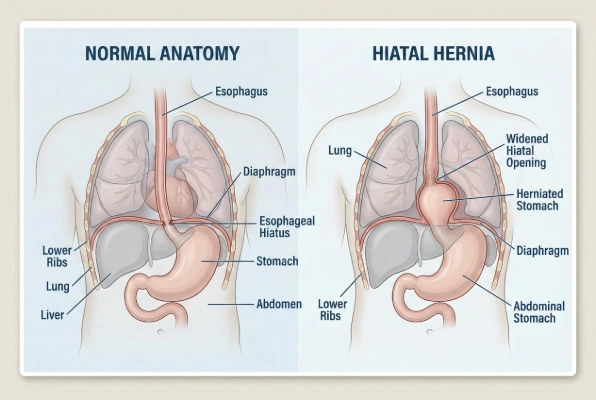
A hernia develops when damage, whether a hole, tear, or other defect, occurs in muscular tissue, causing underlying organs to protrude. A hiatal hernia specifically affects the esophageal region, where part of the stomach pushes upward through the diaphragm, the muscular barrier separating the chest and abdominal cavities. While some individuals remain symptom-free despite having this condition, others experience various complications, including:
- Persistent heartburn
- Gastroesophageal reflux
- Swallowing difficulties
- Chest discomfort
- Respiratory challenges
- Early satiety during meals
Individuals with obesity or those aged 50 and older face the highest risk for this hernia type. According to Johns Hopkins Medicine, additional causes include physical trauma, strenuous lifting, pre-existing medical conditions, or structural changes in the diaphragm. Genetic factors may also play a role, as some people inherit a wider-than-average hiatal opening where the esophagus connects to the stomach.
Determining Surgical Candidates
Surgical treatment represents the final option for managing this condition. Many patients successfully control symptoms through lifestyle adjustments that reduce stomach acid and minimize discomfort. When symptoms remain severe despite medication and healthy practices, consulting with the best hiatal hernia doctors in Tampa becomes necessary. Patients with esophageal strictures or those suffering from silent reflux (LPR) may also require operative treatment.
The Surgical Process Explained
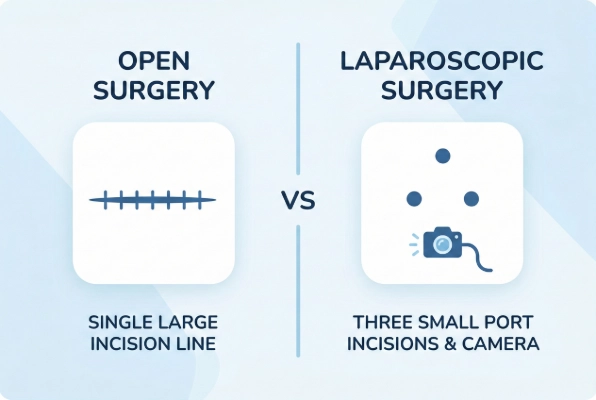
Surgeons employ two primary techniques for hiatal hernia repair: conventional open surgery and robot-assisted laparoscopic procedures. Both methods deliver effective results, though laparoscopic approaches typically involve fewer complications and shorter recovery periods. Our experienced surgical team will determine the appropriate technique based on your specific situation.
For most patients, the procedure involves repositioning stomach tissue beneath the diaphragm and implementing measures to prevent future herniation. Fundoplication procedures are commonly performed alongside hernia repair. More complex cases may necessitate additional repairs, including esophageal reconstruction or the LINX Reflux Management System.
Factors Contributing to Post-Operative Weight Reduction
Following surgery, patients typically cannot consume food or liquids until specialists confirm safe swallowing function. The National Institute of Diabetes and Digestive and Kidney Diseases notes that a liquid diet then begins to minimize strain and discomfort at the operative site. Progressing to soft foods takes several days, with normal eating resuming even later. Since this eating pattern differs dramatically from typical habits, gradual weight reduction of several pounds commonly occurs during this period.
Additionally, the procedure may decrease stomach capacity. This means smaller portions may satisfy you compared to before, potentially resulting in continued gradual weight reduction over time. Some patients may also consider incisionless weight loss procedures to support their long-term health goals.

The Relationship Between Hiatal Hernias and Body Weight
Healthcare providers frequently recommend supervised weight reduction programs for overweight patients with abdominal hernia and heartburn conditions, both before and after surgical treatment.
Before Surgery
Given that surgery serves as a last resort, exploring less invasive options first remains essential. For patients with obesity, losing weight can dramatically improve and sometimes completely resolve hiatal hernias. According to Harvard Health, removing excess adipose tissue surrounding the stomach allows the digestive organs to rest in their natural position and operate more efficiently, often significantly reducing painful symptoms.
Even when weight reduction alone fails to adequately manage symptoms, physicians typically still recommend it for overweight patients. Beyond improving general health, maintaining a healthy weight decreases the likelihood of developing another hiatal hernia later. However, rapid weight reduction rarely proves safe or advisable. Instead, implement gradual healthy changes that produce slow, steady results under medical guidance. This strategy delivers more sustainable outcomes without causing unnecessary harm.
After Surgery
The body’s surgical response, diminished appetite, and eating restrictions all contribute to post-operative weight reduction. Losing several pounds over a few weeks remains typical for most patients. Most individuals regain this weight within subsequent months as normal eating patterns resume. If the procedure reduced your stomach capacity, you may experience lasting weight reduction.
Some patients undergo hiatal hernia repair combined with weight loss surgery simultaneously. Procedures like TIF (EsophyX) offer innovative approaches for managing reflux. This dual approach often produces continued weight reduction over time. While these scenarios remain normal, rapid post-surgical weight loss is not. Contact your physician if you’re losing more than two pounds weekly.
Guidelines for Safe, Healthy Recovery
Beyond weight changes following hiatal hernia surgery, WebMD notes you should expect several additional temporary effects:
- Swallowing difficulties that improve as healing progresses
- Surgical site tenderness
- Abdominal distension
- Queasiness
To minimize or avoid these issues, carefully follow your physician’s home care instructions. Eliminate foods and drinks that irritate the stomach or promote gas and heartburn, including alcohol, acidic items, fried foods, and gas-producing vegetables. Avoid using straws, which force excess air into the digestive system. The NHS provides additional guidance on managing symptoms during recovery.
Furthermore, maintain proper cleanliness and bandaging of all incision sites. Refrain from vigorous activity or heavy lifting while staying mobile through walking as soon as possible. This helps prevent post-surgical blood clots. Your physician may also prescribe breathing or coughing exercises to rebuild diaphragm strength. Patients with related conditions like achalasia or gastroparesis may require additional monitoring during recovery.

Take Control of Your Recovery With Tampa Bay Reflux Institute
At Tampa Bay Reflux Institute, our team helps you develop a comprehensive recovery plan that prioritizes your overall health and wellness. While moderate weight reduction following hiatal hernia surgery is expected, rapid weight loss is not. Contact us today to learn more about what to anticipate after this and other procedures and discover how our specialized care can support your journey to lasting relief. You can also explore our blog for additional resources on digestive health topics.
Conclusion
Weight changes following hiatal hernia surgery are a normal and expected part of the recovery process. Healthline confirms that most patients lose between 10 to 15 pounds during the initial healing period due to dietary restrictions and reduced appetite, and this weight is typically regained once normal eating resumes. The key to a successful recovery lies in following your surgeon’s dietary guidelines, progressing gradually from liquids to soft foods to regular meals, and maintaining open communication with your healthcare team. For comprehensive medical information, MedlinePlus offers valuable patient resources. If you experience rapid weight loss exceeding two pounds per week or have concerns about your recovery, contact your physician promptly. With proper care and patience, most patients return to their normal weight and enjoy significant relief from their pre-surgical symptoms.
FAQs
How much weight will I lose after hiatal hernia surgery?
Most patients lose between 10 to 15 pounds during recovery, representing about 5-10% of their body weight. This weight is typically regained within a few months once normal eating resumes.
How long do dietary restrictions last after surgery?
You’ll follow a progressive diet for four to six weeks, starting with clear liquids and gradually advancing to soft foods. Most patients return to normal eating after this healing period.
Will my stomach be smaller after hiatal hernia repair?
Some patients experience reduced stomach capacity following surgery, which may cause you to feel full more quickly. This can result in lasting but gradual weight changes for some individuals.
When should I be concerned about weight loss after surgery?
Contact your doctor if you’re losing more than two pounds per week, as rapid weight loss is not normal. Gradual weight reduction of several pounds over a few weeks is expected and healthy.
Can I prevent weight loss during my recovery?
Some weight loss is unavoidable due to necessary dietary restrictions, but you can maintain nutrition by eating small, frequent meals. Focus on protein-rich liquids and soft foods to support healing and preserve muscle mass.


An endoscopy cannot tell you if you have reflux. It can only tell you if you have complications of GERD.
If you are unhappy with your reflux symptoms, come in and we can discuss testing and treatments that can accurately diagnose your problem.
#reflux #gerd #hiatalhernia #gastroparesis #linx

CALL US AT 813-922-2920
www.tampareflux.com
If you have a hiatal hernia and fit one of these categories, you should know your options.
Dr. Grandhige is an expert in his field and performs 200 of these surgeries a year. He is the only surgeon in the Tampa Bay Area who offers all surgical options - LINX, Fundoplications, TIF and will be one of 20 surgeons in America introducing the latest procedure RefluxStop in 2026.
We accept most insurances but will verify yours before you come in. These procedures are considered medically necessary and covered by your insurance. You can expect to pay your in-network deductibles and nothing else.
#hiatalhernia #reflux #GERD #LINX #refluxstop
What causes reflux ?
1. Weak lower esophageal sphincter
2. Hiatal hernia
3. Flattening of the Angle of His
4. Poor esophageal motility
5. Gastroparesis (slow stomach)
NOT increased acid production
Don’t let GERD get in the way of living your life. Request your appointment with us today on the link below.
.
.
.
.
https://tampareflux.com/contact-us/
Anyone can be victim to GERD and though weight loss can help reduce GERD symptoms. Many athletes with high impact workouts may continue to have these symptoms. This may be a symptom of a hiatal hernia or other issue. We are more then happy to assist you in finding your solution, just click the link below.
.
.
.
https://tampareflux.com/contact-us/
##healthylifestyle #workout #athletereflux #PPIs #heartburn #LINX #fundoplication #TIF #GERD#tampaheartburn #linx #TIF #fundoplication #tampabayreflux #GERD #acidreflux #acidrefluxsurgery #stopreflux
#nonsurgicalweightloss #ESG #gastricballoon #weightlossjourney #vsg #vsgjourney #spatz3 #orbera #orberaballoon #grandhige #DrG
#tampabayrefluxinstitute #guthealth #roboticsurgery
Heartburn may seem like an annoyance. But if you find yourself having symptoms on a daily basis, it may be time to to talk to Dr. Grandhige as it could be a symptom of something worse.
.
.
.
#chronicheartburn #gerdsymptoms #heartburnrelief #reflux #PPIs #heartburn #LINX #fundoplication #TIF #GERD#tampaheartburn #linx #TIF #fundoplication #tampabayreflux #GERD #acidreflux #acidrefluxsurgery #stopreflux
#nonsurgicalweightloss #ESG #gastricballoon #weightlossjourney #vsg #vsgjourney #spatz3 #orbera #orberaballoon #grandhige #DrG
#tampabayrefluxinstitute #guthealth #roboticsurgery
If you are tired of avoiding your favorite foods or taking daily medications, we can help.
We are the Tampa experts in reflux ! With years of experience and thousands of patients treated successfully, we offer all FDA approved anti-reflux procedures.
Call 813-922-2920 to schedule your appointment
All major insurances accepted.
Not all patients need surgical intervention. Many patients are living a heartburn free life with their PPIs. However 40% of patients taking PPIs are not getting the relief they need. If you are one of those, you have options! Come in and find out more.
.
.
.
.
#letushelpyou #medsnotworking #reflux #PPIs #heartburn #LINX #fundoplication #TIF #GERD#tampaheartburn #linx #TIF #fundoplication #tampabayreflux #GERD #acidreflux #acidrefluxsurgery #stopreflux
#nonsurgicalweightloss #ESG #gastricballoon #weightlossjourney #vsg #vsgjourney #spatz3 #orbera #orberaballoon #grandhige #DrG
#tampabayrefluxinstitute #guthealth #roboticsurgery
#heartburn #stopreflux #hiatalherniarepair #severeheartburn #reflux #tampabayreflux #acidrefluxsurgery #tampaheartburn #GERD #PPIs #achalasia #LINX #TIF #tampareflux #fundoplication #stomach #digestivehealth #ESG #obesity #overweight #weightlossjourney #gastricballoon


