
Written By: Jeffrey Atlas, Health Content Writer
Medically Reviewed By: Dr. Gopal Grandhige, MD, FACS, Board-Certified Surgeon
Last Reviewed: March 8, 2026
A hiatal hernia can cause bloating, gas, and sometimes diarrhea, though these are secondary symptoms rather than primary ones. The main symptoms of a hiatal hernia are heartburn and acid reflux, but the anatomical changes that occur when the stomach pushes through the diaphragm can disrupt normal digestion, trap gas, and alter gut motility, leading to a wider range of digestive issues. Diarrhea specifically may develop through gastrointestinal irritation from reflux or related conditions like small intestinal bacterial overgrowth (SIBO).
Getting to Know Hiatal Hernias
Hiatal hernias form when the stomach protrudes upward into the chest region. This occurs through an opening in the diaphragm where the muscle has become compromised.
Defining a Hiatal Hernia
A hiatal hernia occurs when the stomach shifts into the chest cavity through a gap in the diaphragm. This displacement can produce various symptoms because stomach acid flows more readily into the esophagus.
Categories of Hiatal Hernias
Two primary varieties of hiatal hernias exist:
- Sliding Hernias: These represent the most prevalent type. Both the stomach and esophagus slide upward into the chest area.
- Paraesophageal Hernias: With this variety, the stomach bulges into the chest beside the esophagus. This type can potentially cause more significant complications.
How Common Are They and What Increases Your Risk?
Hiatal hernias occur frequently, particularly among older populations. According to Cleveland Clinic’s research, several factors elevate your likelihood of developing one, including advancing age, excess body weight, and specific lifestyle habits.
Age plays a significant role, as hiatal hernias become more frequent as people get older due to natural weakening of the diaphragm. Obesity also contributes to risk since carrying extra weight creates additional pressure on the stomach, encouraging it to bulge upward. Those experiencing abdominal hernia and heartburn together should seek specialized evaluation. Additionally, heavy lifting on a regular basis can place strain on the diaphragm and contribute to hernia formation.
Recognizing these risk factors plays a vital role in prevention and early detection of hiatal hernias.
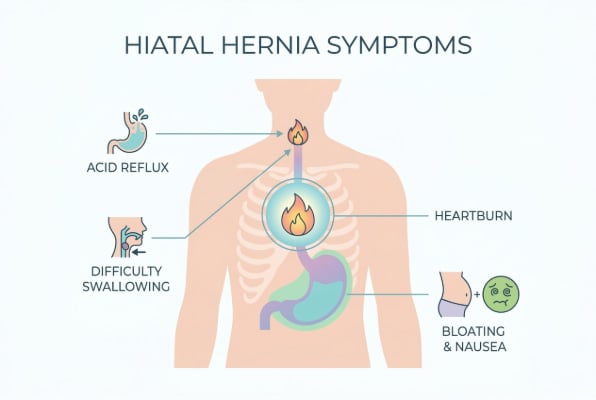
Typical Symptoms Associated with Hiatal Hernias
Understanding hiatal hernia symptoms helps ensure you seek appropriate medical attention promptly. These hernias manifest in various ways, affecting each person differently.
Primary Symptoms: Heartburn and Acid Reflux
Heartburn and acid reflux stand as the most frequently reported indicators. Heartburn creates a burning sensation in the chest area and develops when stomach acid travels backward into the esophagus. Common triggers include reclining after meals and consuming large portions.
Acid reflux describes the backward flow of stomach acid into the esophagus. This typically occurs because the lower esophageal sphincter (LES) has weakened. Bending forward and wearing restrictive clothing often trigger this symptom.
Bloating manifests as a sensation of uncomfortable fullness or distension, frequently triggered by consuming certain foods or carbonated beverages.
Additional Digestive Symptoms
Hiatal hernias can generate other digestive disturbances as well. Some individuals may experience bloating, nausea, or difficulty with swallowing. These symptoms vary considerably between people and can fluctuate based on dietary choices and body positioning.
Silent Hiatal Hernias
Certain people with hiatal hernias exhibit no noticeable symptoms whatsoever. This can occur for multiple reasons and often relates to the hernia’s dimensions and individual physical characteristics. Similarly, silent reflux (LPR) can go undetected because it lacks the classic heartburn sensation.
How Hiatal Hernias Impact Digestive Processes
A hiatal hernia alters the body’s normal digestive function. When stomach tissue migrates into the chest, it can disrupt how the digestive system operates.
Structural Changes and Their Consequences
When a hiatal hernia forms, it modifies the upper gastrointestinal tract’s configuration. This can interfere with how food gets processed and swallowed. The hernia may also exert pressure on the lower esophageal sphincter (LES), compromising its function.
Key structural alterations include:
- Repositioning of the stomach
- Modification of the gastroesophageal junction
- Potential impairment of the lower esophageal sphincter
Impact on Stomach Acid Secretion
Hiatal hernias can influence stomach acid production levels. The altered anatomy may create increased pressure on the stomach, potentially affecting its acid-producing capacity. Research suggests the stress from a hiatal hernia might trigger elevated acid secretion. Furthermore, a malfunctioning LES allows stomach acid to reflux into the esophagus, producing heartburn and discomfort.
Effects on Digestive Movement
Gut motility refers to how food travels through the digestive tract. Hiatal hernias can alter this process by changing the pressures and structure within the upper gastrointestinal system. The effects on gut motility may result in slower stomach emptying and modified food movement through the digestive pathway. In some cases, this can contribute to gastroparesis symptoms.
Comprehending how hiatal hernias affect digestion proves essential for symptom management and overall digestive wellness improvement.
Can a Hiatal Hernia Trigger Diarrhea?
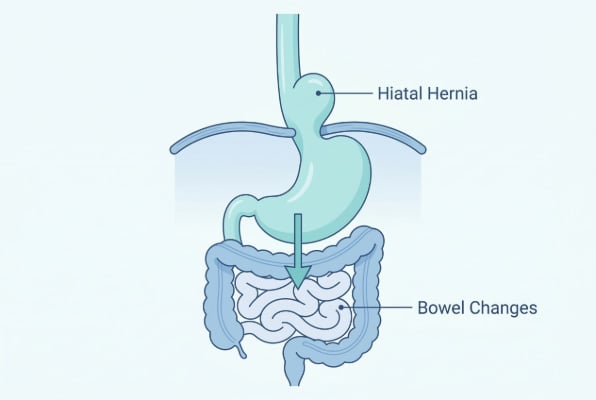
The connection between hiatal hernias and diarrhea involves complex mechanisms. While diarrhea isn’t considered a primary hiatal hernia symptom, these hernias can influence bowel function and potentially cause loose stools.
The Link Between Hiatal Hernias and Bowel Activity
Hiatal hernias primarily affect the upper stomach region but can also impact overall digestive health. Hopkins Medicine specialists note that a hiatal hernia can initiate a cascade of events affecting the entire digestive process.
The anatomical modifications from a hiatal hernia can disrupt normal digestion. For instance, damage to the lower esophageal sphincter might cause symptoms resembling GERD, which can subsequently alter bowel patterns.
Circumstances When Diarrhea May Accompany Hiatal Hernias
Diarrhea can develop alongside hiatal hernias through several pathways. Reflux resulting from a hernia can irritate the gastrointestinal tract, potentially changing bowel movements. Additionally, if the hernia becomes obstructed, severe digestive complications including diarrhea may follow.
Secondary Issues Leading to Loose Stools
Hiatal hernias can contribute to diarrhea through various secondary complications, including:
- Gastrointestinal irritation caused by reflux
- Hernia obstruction or incarceration
- Related conditions such as gastroparesis or small intestinal bacterial overgrowth (SIBO)
Research published in NCBI gastroenterology literature has identified connections suggesting hiatal hernias might increase susceptibility to gut motility disorders, potentially resulting in diarrhea.
Current Research on Hiatal Hernias and Diarrhea
Scientific investigation into the relationship between hiatal hernias and diarrhea remains limited. However, existing studies indicate that individuals with hernias frequently report gastrointestinal symptoms, including altered bowel habits. Additional research is necessary to fully understand how hernias might contribute to diarrhea development.
Understanding hiatal hernias and their gastrointestinal effects requires examining both localized impacts and broader digestive health considerations. This underscores the complexity involved in diagnosing and treating diarrhea in hernia patients.
Hiatal Hernias and Gas: Understanding the Relationship
Recognizing the connection between hiatal hernias and gas proves important for symptom management and quality of life enhancement. A hiatal hernia can modify the upper digestive tract’s normal structure, potentially leading to increased gas and associated discomfort.
Why Gas Develops with Hiatal Hernias
Gas in individuals with hiatal hernias originates from multiple sources. Swallowed air and the stomach’s altered positioning represent significant contributing factors. When the stomach protrudes into the chest, digestive efficiency decreases, potentially trapping gas.
Swallowed air constitutes a major gas source. People with hiatal hernias may inadvertently swallow more air through rapid eating, gum chewing, or consuming carbonated beverages.
Frequent Triggers for Gas Symptoms
Numerous factors can intensify gas symptoms for those with hiatal hernias. These include:
- Consuming gas-producing foods like legumes, cabbage, or broccoli
- Drinking carbonated beverages
- Eating or drinking too quickly
- Having concurrent digestive conditions such as irritable bowel syndrome (IBS)
Approaches to Managing Gas Symptoms
Controlling gas symptoms involves dietary modifications, lifestyle adjustments, and occasionally medical intervention. Maintaining a food journal helps identify specific gas-triggering foods. Steering clear of gas-producing foods and consuming smaller portions can provide substantial relief.
When Gas Signals a More Serious Concern
While gas commonly accompanies hiatal hernias, it can sometimes indicate a more significant issue, such as hernia complications or another underlying health condition. Persistent or severe gas accompanied by pain or swallowing difficulties warrants medical evaluation. The Tampa Reflux specialists can help determine whether your symptoms require further investigation.
Bloating as a Hiatal Hernia Manifestation
Bloating associated with hiatal hernias extends beyond mere inconvenience and can significantly impact daily comfort levels. For many individuals, bloating ranks among the most troublesome hiatal hernia symptoms.
Underlying Causes of Bloating
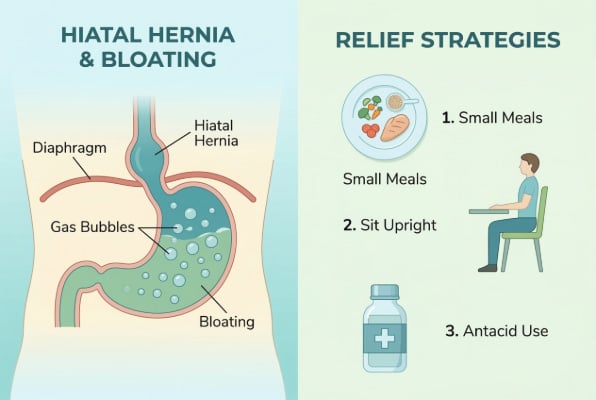
Several mechanisms explain why people with hiatal hernias experience bloating. Anatomical changes can push the stomach into the chest cavity, creating discomfort. Furthermore, gas accumulation in the digestive system can worsen bloating sensations.
The disruption of normal stomach anatomy can interfere with food digestion, resulting in increased gas production and bloating.
Differentiating Hernia-Related Bloating from Other Sources
Determining whether bloating stems from a hiatal hernia or another cause holds importance. Bloating can indicate numerous gastrointestinal conditions, including IBS or gastroparesis. Medical evaluation helps pinpoint the bloating’s origin.
Diagnostic approaches include:
- Medical history review and symptom evaluation
- Diagnostic procedures such as endoscopy or imaging studies
- Elimination diets to identify food triggers
Strategies for Bloating Relief
Managing hiatal hernia-related bloating involves lifestyle and dietary adjustments. Dietary modifications prove particularly valuable, avoiding gas-producing foods like beans and cabbage can help.
Consuming smaller meals and remaining upright after eating can also provide relief. Over-the-counter medications including antacids may reduce gas and acid levels.
When Bloating Becomes Concerning
Although bloating is typically manageable, severe cases may indicate a more serious problem. Intense bloating accompanied by symptoms such as pain or swallowing difficulties requires prompt medical attention.
Bloating represents a significant concern for people with hiatal hernias. It results from anatomical changes and gas accumulation. Understanding the causes and discovering effective relief strategies remain important steps.
Diagnosing Hiatal Hernias and Associated Digestive Problems
Diagnosing a hiatal hernia involves reviewing medical history, conducting physical examinations, and performing diagnostic tests. Obtaining an accurate diagnosis proves essential for effective symptom management and excluding other conditions with similar presentations.
Medical Tests and Procedures
Several examinations can confirm a hiatal hernia:
- Endoscopy utilizes a flexible tube equipped with a camera, allowing physicians to visualize the esophagus and stomach directly to identify the hernia.
- Barium swallow requires the patient to ingest a barium solution for radiographic imaging, which highlights the esophagus and stomach on X-rays and facilitates hernia detection.
- Manometry measures esophageal muscle contractions during swallowing, helping identify hernia-related issues.
Differential Diagnosis
Considering alternative conditions remains important when diagnosing hiatal hernias. Symptoms can resemble those of GERD, gastritis, and peptic ulcer disease, which must be excluded. Conditions like achalasia can also present with similar swallowing difficulties.
Why Accurate Diagnosis Matters
Securing a proper diagnosis proves vital for developing an effective treatment approach. Incorrect or delayed diagnosis can worsen symptoms and potentially lead to additional serious complications.
Monitoring Your Symptoms
Healthcare providers often recommend maintaining a symptom diary. This practice helps track symptom frequency and severity, providing valuable information for diagnosis and treatment effectiveness assessment.
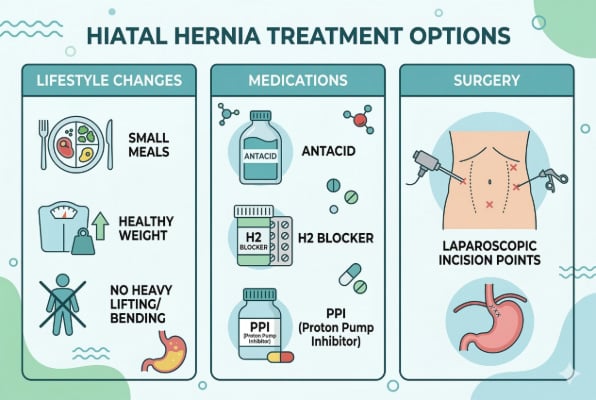
Treatment Approaches for Hiatal Hernias
Multiple treatment options exist for hiatal hernias. Options include lifestyle modifications, medications, and surgical procedures. The optimal choice depends on symptom severity, hernia size, and overall health status. WebMD’s comprehensive guide provides additional details on available treatments.
Lifestyle Modifications
Adjusting your lifestyle can yield significant benefits. Changes encompass dietary alterations, weight management, and avoiding activities that aggravate symptoms.
- Dietary changes involve consuming smaller meals and avoiding trigger foods such as citrus fruits and spicy dishes.
- Weight management focuses on maintaining a healthy weight to reduce stomach pressure and ease symptoms. Patients interested in weight management may benefit from incisionless weight loss procedures.
- Activity modifications include avoiding bending, heavy lifting, and lying down after meals to prevent symptom worsening.
Medication Options
Medications play a crucial role for many hiatal hernia patients:
- Antacids such as Tums and Rolaids work by neutralizing stomach acid.
- H2 blockers like Ranitidine and Famotidine function by reducing acid production.
- Proton pump inhibitors (PPIs) including Omeprazole and Lansoprazole also decrease acid production but through a different mechanism.
Surgical Options
Surgery is reserved for individuals with severe symptoms or complications, including bleeding, inflammation, or swallowing difficulties.
- Laparoscopic surgery represents a minimally invasive technique that repairs the hernia through small incisions. The LINX Reflux Management System offers another innovative surgical approach for managing reflux symptoms.
- Fundoplication procedures remain a gold standard for severe cases.
- Open surgery offers a traditional approach using a larger incision to address the hernia.
Developing Treatments
Researchers continue investigating new hiatal hernia treatments. These may include less invasive procedures like TIF EsophyX and novel medications designed to minimize symptoms and enhance quality of life.
Effective hiatal hernia management requires finding the appropriate combination for each individual, potentially including lifestyle changes, medications, and occasionally surgery. With the right approach, symptom improvement and better quality of life become achievable.
Long-Term Management: Living with a Hiatal Hernia
Living with a hiatal hernia presents challenges, but proper strategies can substantially improve daily life. Success centers on making informed dietary decisions, maintaining appropriate physical activity, controlling stress, and preventing symptom flare-ups. For more insights on digestive health management, visit our reflux blog.
Dietary Modifications
Diet plays a central role in managing hiatal hernia symptoms. Avoiding trigger foods is essential since citrus fruits, tomatoes, chocolate, spicy dishes, and high-fat foods can exacerbate symptoms. Keeping a food diary helps identify problematic items.
Incorporating alkaline-rich foods and easily digestible options provides benefits. Consider bananas, melons, and green beans. Eating smaller, more frequent meals also reduces stomach pressure and symptoms.
Exercise Considerations
Regular physical activity supports general health and may help manage hiatal hernia symptoms. However, certain exercises may prove counterproductive. Avoid heavy lifting, bending, or activities creating abdominal pressure. Instead, consider walking, swimming, or gentle yoga.
Maintaining a healthy weight also matters significantly, as it helps minimize stomach pressure. Consult a healthcare provider to develop a safe, personalized exercise plan.
Stress Reduction Techniques
Stress can intensify hiatal hernia symptoms by boosting stomach acid production. Stress reduction methods like meditation, deep breathing exercises, or yoga can help. Engaging in enjoyable activities also promotes relaxation.
Avoiding Flare-Ups
Preventing flare-ups involves implementing the strategies discussed above. Avoid tight-fitting clothing and elevate the head of your bed to prevent nighttime acid reflux. Additionally, remain upright after eating. These measures help keep symptoms controlled. Harvard Health experts recommend these lifestyle adjustments as first-line management.
By following these long-term management guidelines, individuals with hiatal hernias can improve their quality of life while reducing symptom frequency and intensity.
Conclusion
While hiatal hernias are primarily known for causing heartburn and acid reflux, they can also contribute to a range of digestive symptoms including bloating, gas, and even diarrhea. These secondary symptoms occur due to the anatomical changes that happen when the stomach pushes through the diaphragm, disrupting normal digestive processes and gut motility. Understanding the full spectrum of symptoms associated with hiatal hernias is essential for proper diagnosis and effective management.
Living well with a hiatal hernia is entirely possible through a combination of lifestyle modifications, dietary adjustments, and appropriate medical treatment when needed. By identifying personal trigger foods, maintaining a healthy weight, managing stress, and working closely with healthcare providers, most individuals can significantly reduce their symptoms and improve their quality of life. If you experience persistent or severe digestive symptoms, seeking professional medical evaluation remains crucial to rule out complications and develop a personalized treatment plan. Contact our specialists to schedule a consultation, or learn more about our team of hiatal hernia doctors in Tampa. Additional resources are available through NIDDK, Healthline, NHS, and MedlinePlus.
FAQs
Can a hiatal hernia cause diarrhea?
While not a primary symptom, hiatal hernias can indirectly cause diarrhea through gastrointestinal irritation from reflux or secondary conditions like SIBO. If you experience persistent loose stools alongside other hernia symptoms, consult your healthcare provider.
Why do I feel so bloated with a hiatal hernia?
Bloating occurs because the stomach’s displaced position interferes with normal digestion and can trap gas. Eating smaller meals and avoiding gas-producing foods can help reduce this discomfort.
What foods should I avoid with a hiatal hernia?
Avoid citrus fruits, tomatoes, chocolate, spicy foods, high-fat dishes, and carbonated beverages. Keeping a food diary helps identify your personal trigger foods.
Can a hiatal hernia heal on its own without surgery?
Small hiatal hernias often don’t require surgery and can be managed effectively through lifestyle changes and medications. Surgery is typically reserved for severe cases with complications like bleeding or persistent swallowing difficulties.
How do I know if my hiatal hernia is getting worse?
Warning signs include severe or persistent pain, difficulty swallowing, vomiting blood, or unexplained weight loss. Seek immediate medical attention if you experience any of these symptoms.


An endoscopy cannot tell you if you have reflux. It can only tell you if you have complications of GERD.
If you are unhappy with your reflux symptoms, come in and we can discuss testing and treatments that can accurately diagnose your problem.
#reflux #gerd #hiatalhernia #gastroparesis #linx

CALL US AT 813-922-2920
www.tampareflux.com
If you have a hiatal hernia and fit one of these categories, you should know your options.
Dr. Grandhige is an expert in his field and performs 200 of these surgeries a year. He is the only surgeon in the Tampa Bay Area who offers all surgical options - LINX, Fundoplications, TIF and will be one of 20 surgeons in America introducing the latest procedure RefluxStop in 2026.
We accept most insurances but will verify yours before you come in. These procedures are considered medically necessary and covered by your insurance. You can expect to pay your in-network deductibles and nothing else.
#hiatalhernia #reflux #GERD #LINX #refluxstop
What causes reflux ?
1. Weak lower esophageal sphincter
2. Hiatal hernia
3. Flattening of the Angle of His
4. Poor esophageal motility
5. Gastroparesis (slow stomach)
NOT increased acid production
Don’t let GERD get in the way of living your life. Request your appointment with us today on the link below.
.
.
.
.
https://tampareflux.com/contact-us/
Anyone can be victim to GERD and though weight loss can help reduce GERD symptoms. Many athletes with high impact workouts may continue to have these symptoms. This may be a symptom of a hiatal hernia or other issue. We are more then happy to assist you in finding your solution, just click the link below.
.
.
.
https://tampareflux.com/contact-us/
##healthylifestyle #workout #athletereflux #PPIs #heartburn #LINX #fundoplication #TIF #GERD#tampaheartburn #linx #TIF #fundoplication #tampabayreflux #GERD #acidreflux #acidrefluxsurgery #stopreflux
#nonsurgicalweightloss #ESG #gastricballoon #weightlossjourney #vsg #vsgjourney #spatz3 #orbera #orberaballoon #grandhige #DrG
#tampabayrefluxinstitute #guthealth #roboticsurgery
Heartburn may seem like an annoyance. But if you find yourself having symptoms on a daily basis, it may be time to to talk to Dr. Grandhige as it could be a symptom of something worse.
.
.
.
#chronicheartburn #gerdsymptoms #heartburnrelief #reflux #PPIs #heartburn #LINX #fundoplication #TIF #GERD#tampaheartburn #linx #TIF #fundoplication #tampabayreflux #GERD #acidreflux #acidrefluxsurgery #stopreflux
#nonsurgicalweightloss #ESG #gastricballoon #weightlossjourney #vsg #vsgjourney #spatz3 #orbera #orberaballoon #grandhige #DrG
#tampabayrefluxinstitute #guthealth #roboticsurgery
If you are tired of avoiding your favorite foods or taking daily medications, we can help.
We are the Tampa experts in reflux ! With years of experience and thousands of patients treated successfully, we offer all FDA approved anti-reflux procedures.
Call 813-922-2920 to schedule your appointment
All major insurances accepted.
Not all patients need surgical intervention. Many patients are living a heartburn free life with their PPIs. However 40% of patients taking PPIs are not getting the relief they need. If you are one of those, you have options! Come in and find out more.
.
.
.
.
#letushelpyou #medsnotworking #reflux #PPIs #heartburn #LINX #fundoplication #TIF #GERD#tampaheartburn #linx #TIF #fundoplication #tampabayreflux #GERD #acidreflux #acidrefluxsurgery #stopreflux
#nonsurgicalweightloss #ESG #gastricballoon #weightlossjourney #vsg #vsgjourney #spatz3 #orbera #orberaballoon #grandhige #DrG
#tampabayrefluxinstitute #guthealth #roboticsurgery
#heartburn #stopreflux #hiatalherniarepair #severeheartburn #reflux #tampabayreflux #acidrefluxsurgery #tampaheartburn #GERD #PPIs #achalasia #LINX #TIF #tampareflux #fundoplication #stomach #digestivehealth #ESG #obesity #overweight #weightlossjourney #gastricballoon


