

Written By: Jeffrey Atlas, Health Content Writer
Medically Reviewed By: Dr. Gopal Grandhige, MD, FACS, Board-Certified Surgeon
Last Reviewed: March 4, 2026
A hiatal hernia can cause back pain, though this is uncommon. When it occurs, the connection is typically through referred pain, where discomfort originates in one area but is felt in another. The mechanisms include nerve irritation from the hernia pressing on surrounding tissues and muscle strain in the back and abdomen caused by chronic coughing associated with acid reflux. However, back pain rarely develops solely from a hiatal hernia; more common causes include disc herniation, sciatica, osteoarthritis, and muscle strains. To determine if your back pain is hernia-related, observe whether the discomfort improves when acid reflux symptoms are controlled. Treatment options include acetaminophen (preferred over NSAIDs, which can worsen reflux), prescription acid-reducing medications, and in severe cases, minimally invasive surgery to reposition the stomach and repair the diaphragm.
Understanding How Hiatal Hernias Connect to Back Discomfort
A hiatal hernia develops when part of the stomach pushes upward into the chest cavity through an opening in the diaphragm, the muscular wall dividing your abdomen from your chest. Because the diaphragm normally prevents acid from entering the esophagus, this type of hernia allows acid to pass through more easily. This is why hiatal hernias frequently accompany acid reflux symptoms and, when persistent, gastroesophageal reflux disease (GERD).
The exact cause of a hiatal hernia often remains unclear, according to the National Library of Medicine, though potential contributing factors include weakened surrounding muscles, physical trauma, pregnancy, or tobacco use.
When this hernia type leads to back pain, it’s typically what’s called “referred pain,” meaning the back issues stem from a problem elsewhere in the body. The expert team at Tampa Bay Reflux Center regularly sees patients experiencing this phenomenon.
Consider this: persistent coughing caused by a hiatal hernia can create muscle strain in both the abdominal region and back, since the diaphragm connects directly to back muscles. A hiatal hernia may also trigger nerve irritation, resulting in pain that affects both the back and abdomen.
Recognizing Other Hiatal Hernia Symptoms
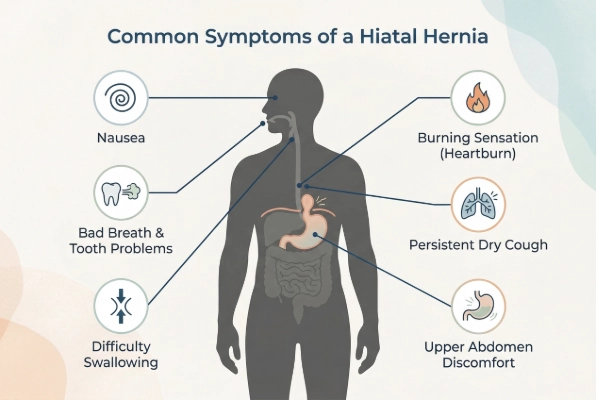
Beyond back discomfort, a hiatal hernia may produce these additional symptoms:
- Discomfort in the abdominal area, particularly the upper region
- Unpleasant breath odor
- Difficulty breathing
- Tooth problems, as stomach acid can erode dental enamel
- Persistent dry cough
- Feeling overly full after meals
- Burning sensation in the chest
- Feelings of nausea or actual vomiting
- Trouble swallowing or the sensation of something lodged in your throat
It’s also entirely possible to experience none of these symptoms and remain completely unaware of having a hiatal hernia. You might discover it incidentally during imaging procedures ordered for back pain investigation. Some patients may also experience silent reflux (LPR), which presents with atypical symptoms that are often overlooked.
What Typically Causes Back Pain
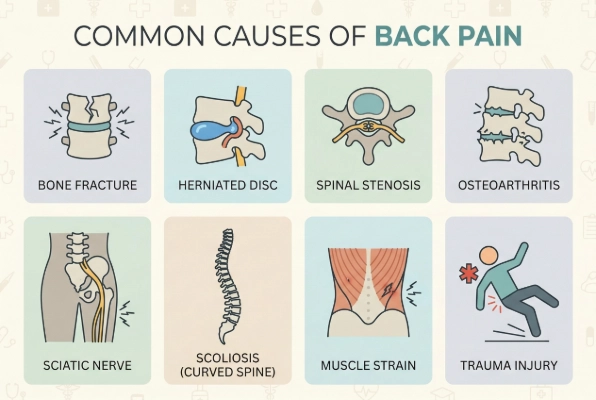
While hiatal hernias can play a role in back discomfort, it’s unusual for back pain to develop solely because of a hiatal hernia. More substantial hiatal hernias could potentially cause back pain, but even that scenario is uncommon. The American Association of Neurological Surgeons identifies these more frequent culprits:
- Bone fractures
- Disc herniation
- Lumbar spinal stenosis
- Osteoarthritis
- Sciatic nerve issues
- Spinal curvature (scoliosis)
- Muscle sprains and strains
- Injuries from trauma
One method to assess whether your back pain and hiatal hernia symptoms share a connection: observe whether the pain diminishes when your acid reflux comes under better control. The best hiatal hernia doctors in Tampa can help you determine if your conditions are related.
If the hernia genuinely causes the back pain, treating the hernia should improve the discomfort. If improvement doesn’t occur, investigating other potential sources of the back pain becomes necessary.
Treatment Approaches for Hiatal Hernia and Associated Back Pain
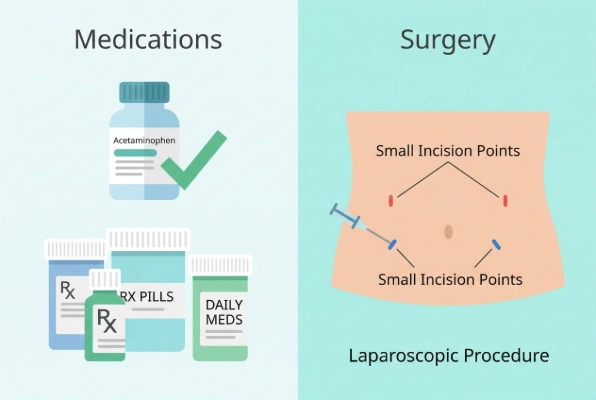
For quick, temporary relief from back pain connected to a hiatal hernia, acetaminophen stands as the most commonly suggested over-the-counter solution.
The reason? It doesn’t boost stomach acid production, unlike ibuprofen and naproxen, so it won’t aggravate hiatal hernia symptoms. If acetaminophen proves insufficient, consulting with the specialists at Tampa Bay Reflux Center about prescription medications designed for acid reflux management may help. These medications include:
- Aciphex
- Famotidine
- Lansoprazole
- Nizatidine
- Omeprazole
- Pantoprazole
- Tagamet
Although surgical intervention typically isn’t necessary for a hiatal hernia, it may become an option if back pain and other bodily discomfort become severe and alternative treatments fail to provide relief.
This surgical procedure employs a minimally invasive technique that repositions the stomach back to its proper location in the abdomen while reducing the size of the diaphragm opening. A new valve might also be implanted to prevent reflux. Fundoplication surgery is one such advanced surgical option for patients who require this level of intervention. Additional procedures like the LINX Reflux Management System and TIF EsophyX procedure offer alternative approaches for qualifying candidates.
Bear in mind that if medications and surgery successfully address your reflux symptoms but back pain continues, a different underlying cause may be responsible for your discomfort.
Preventive Measures
Since the origins of a hiatal hernia, or back pain, aren’t always identifiable, preventing these conditions can be challenging. Nevertheless, several important steps can help minimize the likelihood of both problems.
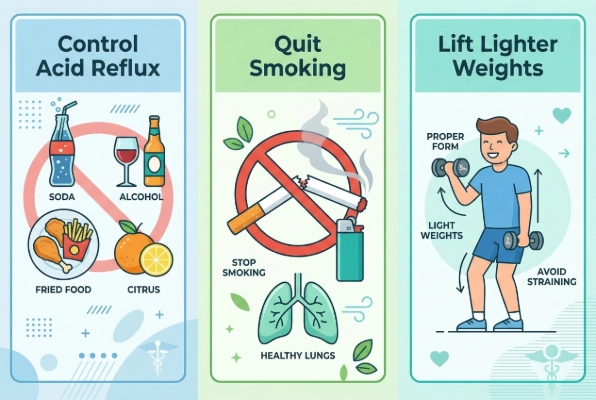
Control Your Acid Reflux
Beyond timing your meals appropriately, your food choices matter for both reflux and hiatal hernia management. Reducing intake of carbonated drinks, alcohol, fried and fatty foods, and acidic items like citrus fruits and tomato-based sauces is recommended. This approach can not only ease gastrointestinal discomfort associated with acid reflux and GERD but may also reduce back pain through decreased inflammation levels.
Quit Tobacco Use
Smoking cigarettes elevates your risk of developing a hiatal hernia (because chronic coughing strains the diaphragm) and increases the likelihood of post-surgical infections if hernia repair becomes necessary. A robust connection also exists between smoking and digestive health complications, as tobacco damages arteries, spinal discs, and joints while contributing to reduced bone density.
Opt for Lighter Weights During Strength Training
Heavy lifting increases intra-abdominal pressure, which can worsen an existing hiatal hernia. Heavy weights, particularly when lifted with improper form, may also strain back muscles in ways that amplify your pain. Consider switching to lighter weights with more repetitions rather than fewer reps using heavier loads. Maintaining a healthy weight through incisionless weight loss procedures may also help reduce pressure on the diaphragm for some patients.
If your symptoms continue to worsen, and if pain reduces your mobility or interferes with daily activities, scheduling an appointment is advisable. Working together with an experienced team, you can create a treatment strategy that addresses both your back pain and your hiatal hernia effectively. Patients dealing with abdominal hernia and heartburn often benefit from this comprehensive approach.
Why Choose Tampa Bay Reflux Center?
Our experienced team specializes in diagnosing and treating conditions related to acid reflux, GERD, and hiatal hernias. Their comprehensive approach combines cutting-edge diagnostic tools with personalized treatment plans tailored to each patient’s unique needs. Whether you’re seeking non-surgical management options or require advanced minimally invasive procedures, the dedicated team is committed to helping you find lasting relief from your symptoms and improve your quality of life. For patients with related conditions like gastroparesis or achalasia, specialized treatment protocols are also available.
If you suspect your back pain may be connected to a hiatal hernia or are experiencing persistent acid reflux symptoms, contact us today to schedule a consultation and take the first step toward better digestive health. You can also explore our reflux blog for additional resources on understanding hiatal hernias and related digestive conditions.
Conclusion
While hiatal hernias are primarily known for causing digestive symptoms like heartburn and acid reflux, they can sometimes contribute to back pain through referred pain mechanisms, nerve irritation, or muscle strain from chronic coughing. Understanding this potential connection is important, but it’s equally crucial to recognize that back pain rarely stems solely from a hiatal hernia, as other spinal conditions are far more common culprits. If you’re experiencing both symptoms, observing whether your back discomfort improves as your acid reflux comes under control can help determine if the two are related. Treatment options range from over-the-counter medications like acetaminophen to prescription acid-reducing drugs, and in severe cases, minimally invasive surgery may be considered. Taking preventive steps such as managing acid reflux through diet, quitting tobacco, and using proper lifting techniques can help minimize symptoms of both conditions. If your symptoms persist or worsen, consulting with a specialist can help you develop a comprehensive treatment plan tailored to your needs. Research published by the National Center for Biotechnology Information continues to advance our understanding of these conditions, while healthcare organizations like the NHS provide valuable patient education resources.
FAQs
Can a hiatal hernia directly cause back pain?
Yes, though it’s uncommon. Hiatal hernias can cause referred pain to the back through nerve irritation or muscle strain from chronic coughing. However, back pain rarely develops solely because of a hiatal hernia.
What pain reliever is safest for back pain if I have a hiatal hernia?
Acetaminophen is recommended because it doesn’t increase stomach acid production. NSAIDs like ibuprofen and naproxen can worsen hiatal hernia symptoms.
How can I tell if my back pain is related to my hiatal hernia?
Monitor whether your back pain decreases when your acid reflux symptoms are better controlled. If treating the hernia improves the discomfort, the two conditions are likely connected.
Is surgery necessary for a hiatal hernia causing back pain?
Surgery is typically not required and is only considered when symptoms are severe and other treatments have failed. The minimally invasive procedure repositions the stomach and repairs the diaphragm opening.
Can lifestyle changes help with both hiatal hernia and back pain?
Yes. Avoiding trigger foods, quitting smoking, and using lighter weights during exercise can reduce symptoms of both conditions. These changes help decrease inflammation and prevent further strain on affected areas.


An endoscopy cannot tell you if you have reflux. It can only tell you if you have complications of GERD.
If you are unhappy with your reflux symptoms, come in and we can discuss testing and treatments that can accurately diagnose your problem.
#reflux #gerd #hiatalhernia #gastroparesis #linx

CALL US AT 813-922-2920
www.tampareflux.com
If you have a hiatal hernia and fit one of these categories, you should know your options.
Dr. Grandhige is an expert in his field and performs 200 of these surgeries a year. He is the only surgeon in the Tampa Bay Area who offers all surgical options - LINX, Fundoplications, TIF and will be one of 20 surgeons in America introducing the latest procedure RefluxStop in 2026.
We accept most insurances but will verify yours before you come in. These procedures are considered medically necessary and covered by your insurance. You can expect to pay your in-network deductibles and nothing else.
#hiatalhernia #reflux #GERD #LINX #refluxstop
What causes reflux ?
1. Weak lower esophageal sphincter
2. Hiatal hernia
3. Flattening of the Angle of His
4. Poor esophageal motility
5. Gastroparesis (slow stomach)
NOT increased acid production
Don’t let GERD get in the way of living your life. Request your appointment with us today on the link below.
.
.
.
.
https://tampareflux.com/contact-us/
Anyone can be victim to GERD and though weight loss can help reduce GERD symptoms. Many athletes with high impact workouts may continue to have these symptoms. This may be a symptom of a hiatal hernia or other issue. We are more then happy to assist you in finding your solution, just click the link below.
.
.
.
https://tampareflux.com/contact-us/
##healthylifestyle #workout #athletereflux #PPIs #heartburn #LINX #fundoplication #TIF #GERD#tampaheartburn #linx #TIF #fundoplication #tampabayreflux #GERD #acidreflux #acidrefluxsurgery #stopreflux
#nonsurgicalweightloss #ESG #gastricballoon #weightlossjourney #vsg #vsgjourney #spatz3 #orbera #orberaballoon #grandhige #DrG
#tampabayrefluxinstitute #guthealth #roboticsurgery
Heartburn may seem like an annoyance. But if you find yourself having symptoms on a daily basis, it may be time to to talk to Dr. Grandhige as it could be a symptom of something worse.
.
.
.
#chronicheartburn #gerdsymptoms #heartburnrelief #reflux #PPIs #heartburn #LINX #fundoplication #TIF #GERD#tampaheartburn #linx #TIF #fundoplication #tampabayreflux #GERD #acidreflux #acidrefluxsurgery #stopreflux
#nonsurgicalweightloss #ESG #gastricballoon #weightlossjourney #vsg #vsgjourney #spatz3 #orbera #orberaballoon #grandhige #DrG
#tampabayrefluxinstitute #guthealth #roboticsurgery
If you are tired of avoiding your favorite foods or taking daily medications, we can help.
We are the Tampa experts in reflux ! With years of experience and thousands of patients treated successfully, we offer all FDA approved anti-reflux procedures.
Call 813-922-2920 to schedule your appointment
All major insurances accepted.
Not all patients need surgical intervention. Many patients are living a heartburn free life with their PPIs. However 40% of patients taking PPIs are not getting the relief they need. If you are one of those, you have options! Come in and find out more.
.
.
.
.
#letushelpyou #medsnotworking #reflux #PPIs #heartburn #LINX #fundoplication #TIF #GERD#tampaheartburn #linx #TIF #fundoplication #tampabayreflux #GERD #acidreflux #acidrefluxsurgery #stopreflux
#nonsurgicalweightloss #ESG #gastricballoon #weightlossjourney #vsg #vsgjourney #spatz3 #orbera #orberaballoon #grandhige #DrG
#tampabayrefluxinstitute #guthealth #roboticsurgery
#heartburn #stopreflux #hiatalherniarepair #severeheartburn #reflux #tampabayreflux #acidrefluxsurgery #tampaheartburn #GERD #PPIs #achalasia #LINX #TIF #tampareflux #fundoplication #stomach #digestivehealth #ESG #obesity #overweight #weightlossjourney #gastricballoon


