

Written By: Jeffrey Atlas, Health Content Writer
Medically Reviewed By: Dr. Gopal Grandhige, MD, FACS, Board-Certified Surgeon
Last Reviewed: February 10, 2026
Heart attack and heartburn both cause chest discomfort, but the differences are critical to recognize. Heart attacks typically present as pressure, tightness, or squeezing sensations across a broad chest area (roughly fist-sized) that may radiate to the left arm, shoulder, neck, or jaw. Heartburn causes a burning sensation that moves upward toward the throat and typically responds to antacids within minutes. The 15-minute rule is essential: if chest discomfort persists beyond 15 minutes without relief, call 911 immediately rather than attempting self-diagnosis. Women often experience atypical symptoms including shortness of breath, nausea, vomiting, and back or jaw pain instead of classic chest pressure. Key heart attack risk factors include high blood pressure, high cholesterol, smoking, and previous cardiac conditions. If antacids don’t provide quick relief, position changes don’t help, or you experience accompanying symptoms like sweating, weakness, or difficulty breathing, seek emergency medical attention immediately.
Understanding Heart Attacks
Heart attacks (myocardial infarctions) occur when blocked blood flow prevents the heart muscle from receiving adequate oxygen. This oxygen deprivation damages heart tissue, particularly when treatment delays occur. Heart attacks threaten life.
Recognizing Heart Attack Warning Signs
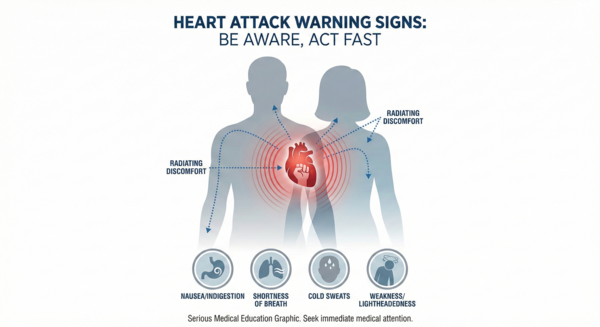
Chest pain or pressure serves as the hallmark heart attack indicator. However, Dr. Grandhige notes that few patients actually use the word “pain” to describe it. Most report sensations of pressure, tightness, squeezing, or constriction. These feelings may extend into your left arm, shoulder, neck, jaw, or back.
“Sharp, pinpoint pain you can indicate with one finger typically doesn’t signal a heart attack, though it could indicate another urgent condition,” he clarifies. “Heart attack chest pain more commonly feels like weight pressing down on the chest.”
Heart attack experiences vary significantly among individuals, Dr. Grandhige emphasizes. Some people don’t feel chest sensations at all but display other symptoms (particularly common in women):
- Chest sensations often described as pressure, tightness, squeezing, or constriction though not universal
- Nausea
- Discomfort or tightness in your arm, shoulder, neck, jaw, or back
- Breathing difficulty
- Perspiration
- Weakness or lightheadedness
“Multiple conditions trigger chest pain and comparable symptoms. While some present less danger than heart attacks, others demand concern,” he states. “Trust your intuition. When something feels wrong, seek immediate emergency department evaluation.”
Why Women Need to Pay Special Attention to Heart Attack Symptoms
Research shows that women face unique challenges when it comes to recognizing and responding to heart attacks, with studies indicating they are more likely than men to die from cardiac events. Women’s heart attack symptoms are often vague, including shortness of breath, nausea, vomiting, and back or jaw pain, which can easily be misinterpreted as less serious conditions. One study found that women waited a median of 54 hours before seeking treatment for heart attack symptoms, compared to just 16 hours for men. This delay stems partly from women attributing their symptoms to non-threatening issues like stress, the flu, or acid reflux rather than recognizing them as cardiac emergencies. Additionally, women tend to experience heart attacks at older ages and often have a combination of less-recognized symptoms rather than the classic crushing chest pain. Understanding these gender differences can literally save lives, making it crucial for women to trust their instincts and seek immediate medical attention when something feels wrong, rather than waiting for symptoms to worsen.
Heart Attack, Indigestion, and Alternative Chest Pain Causes
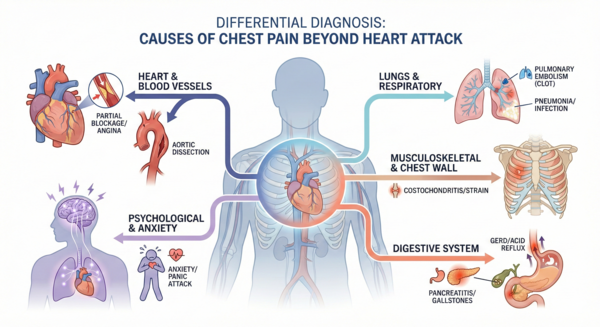
Heart attack chest pressure frequently gets mistaken for heartburn (acid indigestion or acid reflux).
Chest pain may also signal:
- Angina, occurring when heart muscle blood supply becomes restricted without complete blockage
- Lung complications, including infection (pneumonia) or blood clots (pulmonary embolism)
- Muscular problems, such as chest wall muscle inflammation or injury
- Additional digestive complications, including pancreatic, gallbladder, or esophageal inflammation or spasms
- Panic attacks, or severe anxiety episodes
- Blood vessel tears, such as aortic dissection
Determining Heart Attack vs. Other Conditions
Answer these rapid questions to help identify your chest pain or pressure cause:
- Does position change relieve the sensation? Positional pain may indicate alternative problems.
- Do antacids quickly improve the sensation? This suggests heartburn as the culprit.
- Does the sensation feel like pressure or tightness across a broad area, roughly the size of your closed fist? This pattern suggests heart attack.
- How long has chest discomfort persisted? Discomfort lasting over 15 minutes without rest-related relief requires urgent medical attention, call 911.
- Do you have major heart attack risk factors?
- Elevated blood pressure or hypertension
- High cholesterol levels
- Smoking history
- Previously diagnosed cardiac conditions, especially coronary artery disease (CAD)
- Have you experienced an escalating chest pain pattern over time? For instance, have recent months brought increased discomfort with reduced activity or exertion? This may indicate cardiac conditions requiring immediate attention.
Dr. Grandhige advises limiting symptom evaluation to 15 minutes. “Don’t spend excessive time attempting self-diagnosis. When symptoms might represent a heart attack, voice your concerns and obtain medical attention. Dismiss embarrassment or emergency department staff opinions. Chest pain represents a significant symptom indicating numerous potential problems, requiring urgent evaluation. Call 911 and avoid self-driving to seek immediate assistance.”
How Antacids Work and When They’re Not Enough
Antacids provide rapid relief by neutralizing stomach acid through a chemical reaction that can increase gastric pH dramatically, raising it from 1.5 to 3.5 reduces acid concentration by 100-fold. Common active ingredients like calcium carbonate, magnesium hydroxide, and aluminum hydroxide work by stopping pepsin, the enzyme that creates acid to break down food. The relief is fast because antacids begin neutralizing acid the moment they reach your stomach, with liquid forms working even more quickly than tablets. However, antacids only provide temporary symptom relief and don’t address underlying conditions. If you need antacids on most days or experience persistent symptoms, you should consult a healthcare provider, as this could indicate conditions like GERD that require more comprehensive treatment. While antacids remain an excellent first-line defense for occasional heartburn, they shouldn’t mask symptoms that could signal serious cardiac issues, which is why the 15-minute evaluation rule mentioned earlier is so critical when chest discomfort strikes.

Preventing Heartburn Through Lifestyle Changes
Prevent heartburn or acid reflux by implementing these eating habit modifications:
- Limit water consumption during meals: Excessive water increases esophageal pressure.
- Chew gum to boost saliva production: This aids food breakdown and digestion.
- Avoid late-night eating: Lying down post-meal triggers heartburn.
- Practice slow eating: This promotes thorough chewing, prevents air swallowing, and increases food-saliva contact, supporting digestion.
- Consume small, frequent meals: Oversized meals aggravate heartburn.
- Stop smoking: Tobacco use links to elevated heartburn risk and additional health conditions.
A GERD diet (esophageal reflux disease) can further help manage symptoms. For more information on digestive disorders and treatment options, consult with a qualified specialist.
Conclusion
Understanding the difference between heartburn and heart attack symptoms could save your life. While heartburn causes a burning sensation that typically responds to antacids and position changes, heart attacks present as pressure, tightness, or squeezing across the chest that may radiate to the arm, shoulder, neck, or jaw. The 15-minute rule is critical: if chest discomfort persists beyond this timeframe without relief, call 911 immediately rather than attempting self-diagnosis. Women, in particular, need to be vigilant about atypical symptoms like nausea, shortness of breath, and back pain, which they may mistakenly attribute to less serious conditions. Remember that multiple risk factors including high blood pressure, high cholesterol, smoking, and previous cardiac conditions increase your likelihood of heart attack. When in doubt, trust your instincts and seek emergency medical attention. The potential embarrassment of a false alarm pales in comparison to the devastating consequences of delaying treatment for an actual heart attack. By recognizing warning signs, implementing lifestyle changes to prevent heartburn, and knowing when to seek help, you can protect your heart health and respond appropriately when chest discomfort strikes.
For those experiencing chronic digestive issues, Tampa Reflux Center offers comprehensive care for reflux-related conditions. Learn more about our team and explore advanced treatment options including surgical fundoplications, the innovative LINX Reflux Management System, and TIF procedures. Our specialists also treat related conditions such as hiatal hernias, silent reflux (LPR), gastroparesis, and offer incisionless weight loss procedures for patients seeking minimally invasive options. To learn more about managing digestive health concerns or to explore treatment for abdominal hernias and heartburn, visit our blog for resources and updates or connect with Tampa’s best hiatal hernia doctors. Additional trusted resources include WebMD’s heartburn guide, the NHS heartburn information, Johns Hopkins Medicine, and MedlinePlus heartburn resources.
FAQs
What’s the quickest way to tell if my chest pain is heartburn or a heart attack?
Heart attack pain typically feels like pressure or tightness across a broad area and may radiate to your arm, shoulder, or jaw, while heartburn causes a burning sensation that moves upward. If antacids don’t provide quick relief or symptoms last more than 15 minutes, call 911 immediately.
Can women have different heart attack symptoms than men?
Yes, women often experience atypical symptoms like shortness of breath, nausea, vomiting, and back or jaw pain rather than classic chest pressure. Women should be especially vigilant about these vague symptoms and seek immediate medical attention rather than attributing them to stress or flu.
When should I call 911 instead of waiting to see if my chest pain improves?
Call 911 immediately if chest discomfort lasts more than 15 minutes without improvement, feels like pressure across a broad area, or is accompanied by symptoms like shortness of breath, sweating, or radiating pain. Never waste time with self-diagnosis or drive yourself to the hospital.
What lifestyle changes can help prevent heartburn from occurring?
Eat smaller, frequent meals, avoid late-night eating, stop smoking, chew gum to increase saliva production, and practice slow eating habits. Limiting water consumption during meals and avoiding lying down after eating can also significantly reduce heartburn episodes.
Are there any medical conditions besides heart attacks that cause similar chest pain?
Yes, several conditions can mimic heart attack symptoms, including angina, pulmonary embolism, pneumonia, aortic dissection, panic attacks, and digestive issues like gallbladder inflammation. Any persistent or concerning chest pain requires urgent medical evaluation to determine the underlying cause.


An endoscopy cannot tell you if you have reflux. It can only tell you if you have complications of GERD.
If you are unhappy with your reflux symptoms, come in and we can discuss testing and treatments that can accurately diagnose your problem.
#reflux #gerd #hiatalhernia #gastroparesis #linx

CALL US AT 813-922-2920
www.tampareflux.com
If you have a hiatal hernia and fit one of these categories, you should know your options.
Dr. Grandhige is an expert in his field and performs 200 of these surgeries a year. He is the only surgeon in the Tampa Bay Area who offers all surgical options - LINX, Fundoplications, TIF and will be one of 20 surgeons in America introducing the latest procedure RefluxStop in 2026.
We accept most insurances but will verify yours before you come in. These procedures are considered medically necessary and covered by your insurance. You can expect to pay your in-network deductibles and nothing else.
#hiatalhernia #reflux #GERD #LINX #refluxstop
What causes reflux ?
1. Weak lower esophageal sphincter
2. Hiatal hernia
3. Flattening of the Angle of His
4. Poor esophageal motility
5. Gastroparesis (slow stomach)
NOT increased acid production
Don’t let GERD get in the way of living your life. Request your appointment with us today on the link below.
.
.
.
.
https://tampareflux.com/contact-us/
Anyone can be victim to GERD and though weight loss can help reduce GERD symptoms. Many athletes with high impact workouts may continue to have these symptoms. This may be a symptom of a hiatal hernia or other issue. We are more then happy to assist you in finding your solution, just click the link below.
.
.
.
https://tampareflux.com/contact-us/
##healthylifestyle #workout #athletereflux #PPIs #heartburn #LINX #fundoplication #TIF #GERD#tampaheartburn #linx #TIF #fundoplication #tampabayreflux #GERD #acidreflux #acidrefluxsurgery #stopreflux
#nonsurgicalweightloss #ESG #gastricballoon #weightlossjourney #vsg #vsgjourney #spatz3 #orbera #orberaballoon #grandhige #DrG
#tampabayrefluxinstitute #guthealth #roboticsurgery
Heartburn may seem like an annoyance. But if you find yourself having symptoms on a daily basis, it may be time to to talk to Dr. Grandhige as it could be a symptom of something worse.
.
.
.
#chronicheartburn #gerdsymptoms #heartburnrelief #reflux #PPIs #heartburn #LINX #fundoplication #TIF #GERD#tampaheartburn #linx #TIF #fundoplication #tampabayreflux #GERD #acidreflux #acidrefluxsurgery #stopreflux
#nonsurgicalweightloss #ESG #gastricballoon #weightlossjourney #vsg #vsgjourney #spatz3 #orbera #orberaballoon #grandhige #DrG
#tampabayrefluxinstitute #guthealth #roboticsurgery
If you are tired of avoiding your favorite foods or taking daily medications, we can help.
We are the Tampa experts in reflux ! With years of experience and thousands of patients treated successfully, we offer all FDA approved anti-reflux procedures.
Call 813-922-2920 to schedule your appointment
All major insurances accepted.
Not all patients need surgical intervention. Many patients are living a heartburn free life with their PPIs. However 40% of patients taking PPIs are not getting the relief they need. If you are one of those, you have options! Come in and find out more.
.
.
.
.
#letushelpyou #medsnotworking #reflux #PPIs #heartburn #LINX #fundoplication #TIF #GERD#tampaheartburn #linx #TIF #fundoplication #tampabayreflux #GERD #acidreflux #acidrefluxsurgery #stopreflux
#nonsurgicalweightloss #ESG #gastricballoon #weightlossjourney #vsg #vsgjourney #spatz3 #orbera #orberaballoon #grandhige #DrG
#tampabayrefluxinstitute #guthealth #roboticsurgery
#heartburn #stopreflux #hiatalherniarepair #severeheartburn #reflux #tampabayreflux #acidrefluxsurgery #tampaheartburn #GERD #PPIs #achalasia #LINX #TIF #tampareflux #fundoplication #stomach #digestivehealth #ESG #obesity #overweight #weightlossjourney #gastricballoon


