

Written By: Jeffrey Atlas, Health Content Writer
Medically Reviewed By: Dr. Gopal Grandhige, MD, FACS, Board-Certified Surgeon
Last Reviewed: February 22, 2026
When gastroparesis treatments aren’t working, the most effective next steps include: verifying your diagnosis is correct (especially if nausea isn’t your primary symptom), revisiting dietary modifications with a focus on low-fat and low-fiber guidelines, exploring alternative medications like low-dose amitriptyline for nausea, and addressing overlooked factors such as abdominal pain and mental health. Most gastroparesis medications work in fewer than half of patients, but the majority of people eventually find relief through a combination of therapies. For diabetic gastroparesis, blood sugar control is essential since elevated glucose directly impairs gut motility. For post-viral gastroparesis, most patients improve gradually over several months to two years without surgical intervention.
Verify Your Diagnosis Is Correct
Nausea is the defining symptom of gastroparesis according to the Mayo Clinic. If nausea isn’t one of your primary complaints, it might be worth exploring other possibilities with your healthcare provider.
Several conditions can mimic or overlap with gastroparesis, including dyspepsia (characterized by mid-upper abdominal pain, uncomfortable fullness after eating, or difficulty finishing meals), esophageal conditions like GERD or achalasia, cyclic vomiting syndrome, intestinal pseudo-obstruction, rumination syndrome, and small bowel obstruction (particularly if you’ve had previous abdominal hernia or heartburn treatment).

Understand That the Underlying Cause Matters
For diabetic gastroparesis: Blood sugar management is crucial since elevated glucose levels directly impair intestinal motility. Hospitalized diabetic patients may benefit from intravenous erythromycin, though its effectiveness typically lasts only a few days. The NIDDK provides comprehensive information on managing diabetic gastroparesis effectively.
For idiopathic post-viral gastroparesis: There’s encouraging news here, as most patients gradually improve over several months to a couple of years. During this recovery period, avoid irreversible surgical procedures.
For systemic disorders: Identifying and addressing any underlying condition may occasionally provide relief and is always worth pursuing. Our experienced specialists can help determine the root cause of your symptoms.
Revisit Your Dietary Approach
Diet modifications often get overlooked by physicians, yet this is what patients care most about. Make sure you thoroughly understand the low-fat, low-fiber dietary guidelines and discuss appropriate nutritional supplements with your care team. Cleveland Clinic’s gastroparesis guide offers detailed dietary recommendations.
In severe cases, feeding tubes or total parenteral nutrition may become necessary. Important note: enteral tubes should be placed in the jejunum rather than the stomach. These interventions shouldn’t be considered early in your treatment journey due to potential risks, including infection. They require careful ongoing management. For patients struggling with weight management alongside gastroparesis, incisionless weight loss procedures may be worth discussing with your physician.

Understanding Treatment Success Rates and Setting Realistic Expectations
Managing gastroparesis requires patience because treatment responses vary significantly between patients. According to American College of Gastroenterology guidelines, prokinetic therapy should be considered alongside dietary modifications to improve gastric emptying and symptoms, though benefits must be weighed against potential risks. Metoclopramide remains the only FDA-approved medication for gastroparesis in the United States, recommended in liquid formulation at the lowest effective dose for no longer than three months due to the risk of movement disorders. Importantly, research shows that symptom severity often correlates poorly with actual gastric emptying rates, meaning you can feel better even if tests don’t show dramatic improvement in stomach function. This disconnect explains why a multi-pronged approach targeting symptoms directly (through antiemetics and neuromodulators) often proves more effective than focusing solely on speeding up digestion.
Explore Alternative Medications
Prokinetic agents frequently cause problematic side effects that limit their usefulness. However, medications like amitriptyline have shown promise in reducing nausea sensations based on clinical experience. The typical dosage of 25–50 mg at bedtime is significantly lower than what’s used for depression treatment. Your physician can monitor blood levels and adjust accordingly. Side effects such as blurred vision, difficulty urinating, drowsiness, and constipation are uncommon at these lower doses. Hopkins Medicine details additional treatment options worth discussing with your doctor.
Addressing bacterial overgrowth (SIBO): This condition sometimes accompanies gastroparesis, with bloating as the primary symptom. Strategic use of antibiotics and probiotics may help manage these symptoms.
Medication delivery considerations: When nausea and vomiting make oral medications difficult to tolerate, hospitalized patients should receive IV medications, while outpatients might find orally dissolving formulations more manageable.
Tackling bloating: Research from specialized medical centers indicates that bloating significantly impacts quality of life for many gastroparesis patients. While bloating severity correlates with other symptom intensity, it doesn’t appear connected to actual gastric emptying rates. Antiemetics, probiotics, and certain antidepressants with norepinephrine reuptake inhibitor activity may provide relief.

Address Abdominal Pain Directly
Pain management is frequently overlooked in gastroparesis treatment but can be the breakthrough factor for many patients. Importantly, pain levels don’t necessarily correlate with how slowly your stomach empties. Patients with LPR or silent reflux may experience overlapping symptoms that complicate diagnosis.
Options to discuss with your doctor include NSAIDs, low-dose tricyclic medications (amitriptyline, nortriptyline, desipramine) which have proven effective for pain in other functional GI disorders, and other medications designed for neuropathic pain. Harvard Health’s gastroparesis overview provides additional insights on pain management strategies.
Critical warning: Avoid opiates and narcotics for gastroparesis pain management.
Don’t Neglect Mental Health
Living with a chronic, debilitating illness commonly triggers anxiety and depression, and this is entirely understandable. Your healthcare team should approach your care with compassion and patience. WebMD’s gastroparesis resource discusses the emotional toll of living with this condition.
Keep in mind that low-dose tricyclic medications won’t adequately treat genuine anxiety or depression. Significant emotional health concerns require proper psychological treatment, which can actually lead to improvement in your GI symptoms as well.
One important distinction: while some eating disorder patients receive gastroparesis diagnoses, the reverse misdiagnosis is far more common, with gastroparesis patients being incorrectly accused of having an eating disorder.
Know When Surgery Might Be Appropriate
Before pursuing surgical options, ensure you’ve undergone a comprehensive evaluation at a facility like Tampa Reflux Center. All surgical procedures carry inherent risks that must be carefully weighed. Most surgical interventions are permanent, but they can be effective when the right patient receives the appropriate procedure from a skilled, experienced surgeon. Options such as fundoplication surgery or the LINX device may be appropriate for patients with concurrent reflux issues. For those seeking minimally invasive approaches, transoral incisionless fundoplication (TIF) offers another alternative. The Healthline guide on gastroparesis outlines various surgical considerations in detail.
Stay Persistent While Remaining Cautious
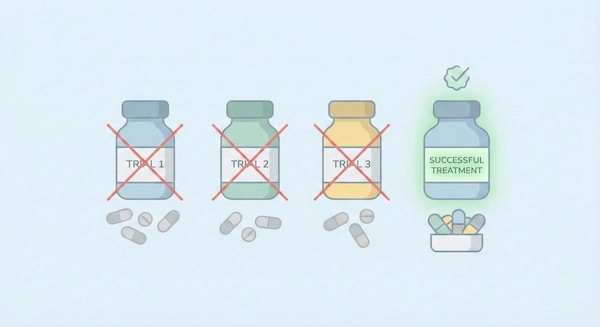
Here’s a reality check: most gastroparesis medications work less than half the time. However, most patients eventually respond to some form of therapy. Clinical research published in NCBI confirms that persistence with treatment modifications leads to improved outcomes.
Practical tips:
- If a medication causes side effects, ask about trying a lower dose
- If something doesn’t work, move on to a different option
- Combining medications may prove more effective than single-drug therapy
- Individual responses to treatments vary significantly
- Always coordinate medication changes with your physician
- Maintain hydration and nutrition as best you can
When nothing seems to work: Seek another opinion, whether you’re the patient or the treating physician. Consulting with the best hiatal hernia doctors in Tampa can provide fresh perspectives, as hiatal hernia conditions sometimes contribute to gastroparesis symptoms. Persistence matters, and most people with gastroparesis ultimately achieve meaningful improvement in their quality of life. MedlinePlus offers additional resources for patients seeking support.
Conclusion
Managing gastroparesis can feel like an uphill battle, especially when initial treatments fail to provide relief. However, the key takeaway is that most patients eventually find a combination of therapies that works for them. Success often requires a multi-faceted approach that includes verifying your diagnosis, understanding the root cause of your condition, making appropriate dietary changes, exploring various medication options, and addressing both pain and mental health concerns. Don’t hesitate to advocate for yourself and seek additional medical opinions when progress stalls. Visit our digestive health blog for more insights, or schedule a consultation with our team. With persistence, patience, and the right medical team, meaningful improvement in your quality of life is absolutely achievable.
FAQs
Why isn’t my gastroparesis medication working?
Most gastroparesis medications are effective in less than half of patients, and individual responses vary greatly. Your doctor may need to adjust dosages, try different medications, or combine multiple treatments to find what works for you.
Can gastroparesis be misdiagnosed?
Yes, conditions like dyspepsia, GERD, cyclic vomiting syndrome, and rumination syndrome can mimic gastroparesis symptoms. If nausea isn’t your primary symptom, it’s worth discussing alternative diagnoses with your healthcare provider.
Should I consider surgery for gastroparesis?
Surgery should only be considered after thorough evaluation and when all medical therapies have failed. It can be effective for carefully selected patients when performed by an experienced surgeon.
Why is pain management important in gastroparesis treatment?
Abdominal pain is often overlooked but can be the key factor in successful gastroparesis management. Addressing pain with appropriate medications like low-dose tricyclics or NSAIDs can significantly improve overall outcomes.
How long does it take for post-viral gastroparesis to improve?
Most patients with idiopathic post-viral gastroparesis gradually recover over several months to one or two years. During this period, irreversible surgical procedures should be avoided.


An endoscopy cannot tell you if you have reflux. It can only tell you if you have complications of GERD.
If you are unhappy with your reflux symptoms, come in and we can discuss testing and treatments that can accurately diagnose your problem.
#reflux #gerd #hiatalhernia #gastroparesis #linx

CALL US AT 813-922-2920
www.tampareflux.com
If you have a hiatal hernia and fit one of these categories, you should know your options.
Dr. Grandhige is an expert in his field and performs 200 of these surgeries a year. He is the only surgeon in the Tampa Bay Area who offers all surgical options - LINX, Fundoplications, TIF and will be one of 20 surgeons in America introducing the latest procedure RefluxStop in 2026.
We accept most insurances but will verify yours before you come in. These procedures are considered medically necessary and covered by your insurance. You can expect to pay your in-network deductibles and nothing else.
#hiatalhernia #reflux #GERD #LINX #refluxstop
What causes reflux ?
1. Weak lower esophageal sphincter
2. Hiatal hernia
3. Flattening of the Angle of His
4. Poor esophageal motility
5. Gastroparesis (slow stomach)
NOT increased acid production
Don’t let GERD get in the way of living your life. Request your appointment with us today on the link below.
.
.
.
.
https://tampareflux.com/contact-us/
Anyone can be victim to GERD and though weight loss can help reduce GERD symptoms. Many athletes with high impact workouts may continue to have these symptoms. This may be a symptom of a hiatal hernia or other issue. We are more then happy to assist you in finding your solution, just click the link below.
.
.
.
https://tampareflux.com/contact-us/
##healthylifestyle #workout #athletereflux #PPIs #heartburn #LINX #fundoplication #TIF #GERD#tampaheartburn #linx #TIF #fundoplication #tampabayreflux #GERD #acidreflux #acidrefluxsurgery #stopreflux
#nonsurgicalweightloss #ESG #gastricballoon #weightlossjourney #vsg #vsgjourney #spatz3 #orbera #orberaballoon #grandhige #DrG
#tampabayrefluxinstitute #guthealth #roboticsurgery
Heartburn may seem like an annoyance. But if you find yourself having symptoms on a daily basis, it may be time to to talk to Dr. Grandhige as it could be a symptom of something worse.
.
.
.
#chronicheartburn #gerdsymptoms #heartburnrelief #reflux #PPIs #heartburn #LINX #fundoplication #TIF #GERD#tampaheartburn #linx #TIF #fundoplication #tampabayreflux #GERD #acidreflux #acidrefluxsurgery #stopreflux
#nonsurgicalweightloss #ESG #gastricballoon #weightlossjourney #vsg #vsgjourney #spatz3 #orbera #orberaballoon #grandhige #DrG
#tampabayrefluxinstitute #guthealth #roboticsurgery
If you are tired of avoiding your favorite foods or taking daily medications, we can help.
We are the Tampa experts in reflux ! With years of experience and thousands of patients treated successfully, we offer all FDA approved anti-reflux procedures.
Call 813-922-2920 to schedule your appointment
All major insurances accepted.
Not all patients need surgical intervention. Many patients are living a heartburn free life with their PPIs. However 40% of patients taking PPIs are not getting the relief they need. If you are one of those, you have options! Come in and find out more.
.
.
.
.
#letushelpyou #medsnotworking #reflux #PPIs #heartburn #LINX #fundoplication #TIF #GERD#tampaheartburn #linx #TIF #fundoplication #tampabayreflux #GERD #acidreflux #acidrefluxsurgery #stopreflux
#nonsurgicalweightloss #ESG #gastricballoon #weightlossjourney #vsg #vsgjourney #spatz3 #orbera #orberaballoon #grandhige #DrG
#tampabayrefluxinstitute #guthealth #roboticsurgery
#heartburn #stopreflux #hiatalherniarepair #severeheartburn #reflux #tampabayreflux #acidrefluxsurgery #tampaheartburn #GERD #PPIs #achalasia #LINX #TIF #tampareflux #fundoplication #stomach #digestivehealth #ESG #obesity #overweight #weightlossjourney #gastricballoon


