

Written By: Jeffrey Atlas, Health Content Writer
Medically Reviewed By: Dr. Gopal Grandhige, MD, FACS, Board-Certified Surgeon
Last Reviewed: April 12, 2026
Gastroparesis is a digestive condition where the stomach empties food more slowly than normal, causing symptoms like bloating, nausea, vomiting, and early fullness. It’s often caused by vagus nerve damage or dysfunction, commonly from diabetes, surgery, or infections, which disrupts the muscle contractions that move food through your digestive system.
Natural management strategies focus on four key areas: dietary modifications (smaller meals, cooked/pureed foods, low-fat and low-fiber choices), vagus nerve support (deep breathing, humming, gargling), acupuncture therapy, and targeted supplements like ginger and digestive enzymes. Blood sugar control is especially critical, as chronically elevated glucose is a leading cause of the nerve damage behind gastroparesis.
Understanding Gastroparesis
Gastroparesis develops when the nerves or muscles in your stomach fail to operate correctly. Under normal circumstances, nerves trigger stomach muscle contractions that propel food through your digestive system for proper digestion and nutrient absorption.
When stomach motility becomes impaired or stops entirely, food doesn’t exit the stomach at an appropriate pace. This condition is medically referred to as delayed gastric emptying or gastric dysmotility.
This digestive delay allows food to sit in your stomach far too long, which can produce numerous symptoms and potential complications.
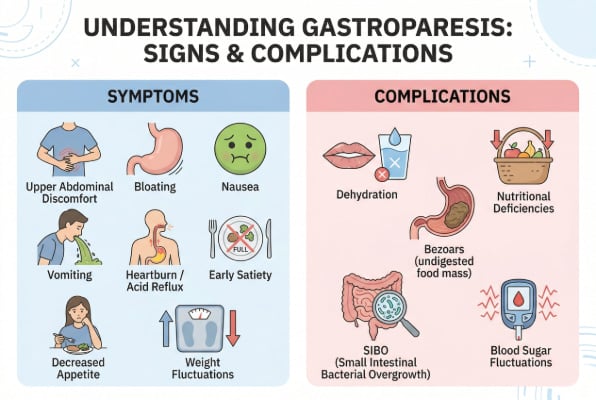
Recognizing Gastroparesis Signs & Symptoms
The slowed stomach emptying characteristic of gastroparesis produces various symptoms ranging from mild to severe:
- Discomfort in the upper abdomen
- Abdominal bloating
- Nausea
- Vomiting
- Heartburn, acid reflux, or regurgitation
- Early satiety (feeling full after minimal food intake)
- Decreased appetite
- Unexpected weight fluctuations
Because gastroparesis disrupts normal digestive processes, it can create blood sugar irregularities and impair nutrient absorption. These issues may eventually cause complications such as:
- Dehydration, particularly when vomiting persists
- Nutritional deficiencies resulting from poor appetite and compromised absorption
- Bezoars, hardened masses of undigested food that accumulate in the stomach and obstruct food passage
- Small Intestinal Bacterial Overgrowth (SIBO)
- Erratic blood sugar fluctuations due to inconsistent food passage into the small intestine
Root Causes of Gastroparesis
Although pinpointing the exact cause of gastroparesis isn’t always straightforward, vagus nerve damage or dysfunction is frequently responsible. The vagus nerve (cranial nerve X) serves as the primary nerve of the parasympathetic nervous system, your body’s “rest and digest” mechanism. This critical nerve extends from your brain to your digestive tract, controlling stomach muscle contractions while also regulating breathing rate, heart rhythm, relaxation responses, digestive processes, and feelings of calm.
When the vagus nerve malfunctions, it fails to properly signal stomach muscles, causing food to linger in your stomach rather than advancing to your small intestine for digestion and absorption. Experts at Hopkins Medicine note that this nerve dysfunction is one of the most common underlying factors in gastroparesis cases.
Several factors can compromise vagus nerve function and elevate gastroparesis risk:
- Diabetes or poor blood sugar regulation, as chronically elevated glucose damages vagus nerve function (autonomic neuropathy)
- Surgical procedures involving the esophagus, stomach, or small intestine
- Viral or bacterial infections
- Connective tissue disorders like scleroderma or lupus
- Eating disorders such as anorexia nervosa or bulimia
- Neurological conditions including Parkinson’s disease or multiple sclerosis
- Stroke
- Underactive thyroid (hypothyroidism)
- Traumatic brain injury
Additionally, certain medications can slow gastric emptying and either mimic gastroparesis symptoms or worsen existing cases. These include opioid pain relievers, specific antidepressants, blood pressure medications, allergy drugs, and tobacco products. MedlinePlus offers additional information on medication-related causes.
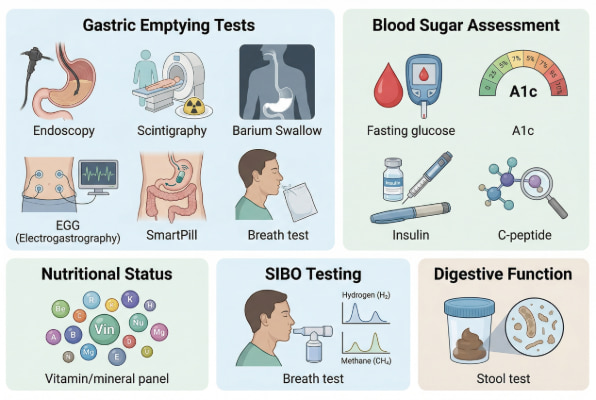
Functional Medicine Testing Options for Gastroparesis
Healthcare providers can measure gastric emptying speed through several methods:
Endoscopy uses a small camera attached to a flexible scope to visualize the esophagus and stomach interior.
Gastric emptying scintigraphy involves consuming a light meal containing trace radioactive material, then using specialized scanning to track food movement through your GI tract.
Upper GI barium series (barium swallow) employs imaging technology to observe stomach expansion while checking for delayed barium emptying or retained gastric debris (bezoars) indicating impaired emptying.
Electrogastrogram (EGG) measures electrical nerve impulses traveling to the stomach.
SmartPill or wireless motility capsule examines the gastrointestinal tract interior while recording transit times through different sections.
Gastric emptying breath tests require eating specific foods or liquids, then measuring digestion byproducts in your breath over several hours. The National Institute of Diabetes and Digestive and Kidney Diseases provides comprehensive information on these diagnostic approaches.
Blood Sugar Assessment
Multiple tests evaluate your body’s glucose metabolism:
- Fasting glucose levels
- Hemoglobin A1c, which reflects average blood sugar over approximately six weeks and correlates with gastroparesis presence
- Fasting insulin levels
- C-peptide, indicating insulin production
These assessments identify blood sugar imbalances that may drive inflammation and vagus nerve dysfunction.
Nutritional Status Evaluation
Given that gastroparesis heightens nutritional deficiency risk, testing can pinpoint specific concerns requiring attention. Comprehensive nutritional panels measure antioxidants, vitamins, minerals, fatty acids, and other biomarkers to reveal deficiencies and imbalances.
SIBO Testing
Since gastroparesis creates conditions favorable for SIBO development, breath testing can detect bacterial overgrowth in the small intestine. A 3-hour SIBO breath test non-invasively measures hydrogen and methane gases to evaluate small intestinal bacterial populations.
Digestive Function Analysis
Comprehensive stool testing evaluates gut microbes to assess overall microbial balance and identify conditions like SIBO, metabolic dysfunction, and digestive status. Stool elastase, for instance, indicates pancreatic function and enzyme production capacity.
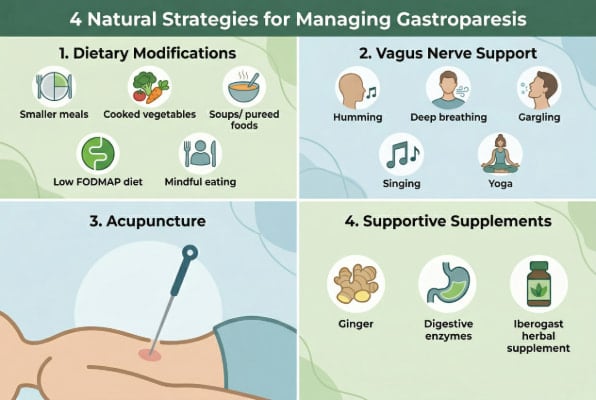
4 Natural Strategies for Managing Gastroparesis
Gastroparesis management approaches aim to address contributing factors like diabetes, ensure nutritional adequacy, optimize stomach function, and minimize symptoms. Understanding what’s driving dysmotility and chronic nausea guides individualized treatment plans. For those seeking professional guidance, the Tampa Reflux team specializes in digestive disorders and can help create personalized approaches.
1. Dietary Modifications
A primary gastroparesis management goal involves maintaining proper nutrition without exacerbating symptoms. According to Harvard Health, helpful dietary adjustments may include:
- Eating smaller, more frequent meals
- Choosing cooked fruits and vegetables over raw varieties
- Incorporating soups and pureed foods
- Limiting insoluble fiber and dietary fat
- Reducing protein portions, particularly red meat
Staying well-hydrated is equally important, so consume electrolytes like natural sea salt with water while avoiding alcohol and carbonated beverages.
Low FODMAP Approach
A low FODMAP diet (Fermentable Oligosaccharides, Disaccharides, Monosaccharides, and Polyols) restricts short-chain carbohydrates that challenge digestion. Removing foods like beans, legumes, corn, seeds, nuts, and cruciferous vegetables that irritate the stomach or delay emptying may alleviate symptoms for some individuals. Adopting a gluten-free or grain-free eating pattern may also provide symptom relief.
Blood Sugar Management
For those whose gastroparesis connects to diabetes, meticulous blood sugar control through a personalized low-glycemic or reduced-carbohydrate diet may support vagus nerve health and encourage normal gastric emptying.
Mindful Eating Practices
Practicing mindfulness during meals may help stabilize blood glucose and enhance digestion by activating the parasympathetic “rest and digest” response. Mindful eating means staying aware of both mental and physical processes while consuming food.
Allow yourself the space to be fully nourished by sitting down and enjoying meals without distractions. Savor each bite, pause between mouthfuls, and chew thoroughly to aid digestion.
Light physical activity after eating, such as a gentle walk, may benefit many people. Avoiding lying down for approximately two hours post-meal also supports digestive function.
2. Vagus Nerve Support Techniques
Depending on what’s affecting your vagus nerve, certain exercises may enhance its function:
- Humming
- Yogic breathing/pranayama (especially Alternate Nostril Breathing)
- Slow, deep, controlled breathing exercises
- Gargling vigorously
- Singing
- Yoga practice
- Visceral manipulation, a specialized massage targeting vagus nerve stimulation and releasing tension from abdominal organs
Research published through NCBI highlights the importance of vagal tone in maintaining proper gastrointestinal motility.
3. Acupuncture Therapy
Acupuncture represents a time-honored practice that may help manage nausea. Research indicates electroacupuncture may activate the vagus nerve and improve the stomach’s emptying capacity.
4. Supportive Supplements
Under appropriate medical supervision, certain supplements may support digestion in gastroparesis patients. These include stomach acid support (betaine HCl or apple cider vinegar) and digestive enzymes like papain or bromelain extracts, along with digestive bitters.
Ginger serves as a natural option that may promote gastric emptying while easing nausea.
Herbal combinations containing bitter candytuft, angelica root, chamomile, and caraway, commonly formulated together in products like Iberogast, may support healthy stomach muscle activity.

When to Seek Advanced Treatment
While natural approaches work well for many patients, some cases of gastroparesis require more advanced intervention. Conditions like hiatal hernias can complicate gastroparesis symptoms and may need surgical evaluation. Similarly, patients experiencing silent reflux alongside gastroparesis often benefit from comprehensive diagnostic workups.
For severe cases that don’t respond to conservative management, surgical options may be considered. Procedures such as fundoplication surgery address certain anatomical issues that contribute to digestive dysfunction. Other innovative treatments like the LINX procedure offer minimally invasive solutions for specific patient populations.
Patients with achalasia, another motility disorder affecting the esophagus, may present with overlapping symptoms and require specialized diagnostic differentiation. The TIF procedure represents another treatment option for those with concurrent reflux issues.
For individuals dealing with abdominal hernia and heartburn, addressing both conditions simultaneously often yields the best outcomes. Those interested in comprehensive weight management alongside digestive care may explore incisionless weight loss options that don’t compromise gastric function.
If you’re experiencing persistent symptoms, consulting with experienced hiatal hernia specialists can help determine whether your gastroparesis has underlying structural causes. WebMD’s gastroparesis overview and Healthline’s comprehensive guide offer additional patient-friendly resources for understanding your condition.
Conclusion
Managing gastroparesis naturally requires a multifaceted approach that addresses the root causes of delayed gastric emptying rather than just masking symptoms. By focusing on dietary modifications, supporting vagus nerve function, and incorporating complementary therapies like acupuncture and targeted supplements, many individuals can experience meaningful symptom relief and improved quality of life. Working closely with healthcare providers to identify your specific triggers, whether blood sugar imbalances, nutritional deficiencies, or nervous system dysfunction, allows for a personalized treatment plan that supports long-term digestive health and overall well-being. For more information on treatment options, visit the Tampa Reflux gastroparesis page or explore our digestive health blog for additional resources. The American College of Gastroenterology also provides evidence-based guidelines for patients and clinicians.
To schedule a consultation with our digestive health specialists at Tampa Reflux, please contact us today.
FAQs
Can gastroparesis be cured naturally?
While gastroparesis may not always be fully cured, natural approaches can significantly reduce symptoms and improve stomach function. Success depends on identifying and addressing the underlying cause, such as blood sugar control or vagus nerve support.
What foods should I avoid with gastroparesis?
Avoid high-fat foods, raw vegetables, high-fiber items, and carbonated beverages that slow gastric emptying. Opt instead for smaller meals with cooked, pureed, or low-fiber options.
How does diabetes cause gastroparesis?
Chronically elevated blood sugar damages the vagus nerve over time, impairing its ability to signal stomach muscles. This nerve dysfunction leads to delayed gastric emptying and digestive symptoms.
Is ginger safe to use for gastroparesis symptoms?
Ginger is generally considered safe and may help promote gastric emptying while reducing nausea. However, consult your healthcare provider before starting any supplement regimen.
How long does it take for natural treatments to work?
Improvement timelines vary depending on severity and underlying causes, ranging from weeks to several months. Consistency with dietary changes and supportive therapies is essential for lasting results.


An endoscopy cannot tell you if you have reflux. It can only tell you if you have complications of GERD.
If you are unhappy with your reflux symptoms, come in and we can discuss testing and treatments that can accurately diagnose your problem.
#reflux #gerd #hiatalhernia #gastroparesis #linx

CALL US AT 813-922-2920
www.tampareflux.com
If you have a hiatal hernia and fit one of these categories, you should know your options.
Dr. Grandhige is an expert in his field and performs 200 of these surgeries a year. He is the only surgeon in the Tampa Bay Area who offers all surgical options - LINX, Fundoplications, TIF and will be one of 20 surgeons in America introducing the latest procedure RefluxStop in 2026.
We accept most insurances but will verify yours before you come in. These procedures are considered medically necessary and covered by your insurance. You can expect to pay your in-network deductibles and nothing else.
#hiatalhernia #reflux #GERD #LINX #refluxstop
What causes reflux ?
1. Weak lower esophageal sphincter
2. Hiatal hernia
3. Flattening of the Angle of His
4. Poor esophageal motility
5. Gastroparesis (slow stomach)
NOT increased acid production
Don’t let GERD get in the way of living your life. Request your appointment with us today on the link below.
.
.
.
.
https://tampareflux.com/contact-us/
Anyone can be victim to GERD and though weight loss can help reduce GERD symptoms. Many athletes with high impact workouts may continue to have these symptoms. This may be a symptom of a hiatal hernia or other issue. We are more then happy to assist you in finding your solution, just click the link below.
.
.
.
https://tampareflux.com/contact-us/
##healthylifestyle #workout #athletereflux #PPIs #heartburn #LINX #fundoplication #TIF #GERD#tampaheartburn #linx #TIF #fundoplication #tampabayreflux #GERD #acidreflux #acidrefluxsurgery #stopreflux
#nonsurgicalweightloss #ESG #gastricballoon #weightlossjourney #vsg #vsgjourney #spatz3 #orbera #orberaballoon #grandhige #DrG
#tampabayrefluxinstitute #guthealth #roboticsurgery
Heartburn may seem like an annoyance. But if you find yourself having symptoms on a daily basis, it may be time to to talk to Dr. Grandhige as it could be a symptom of something worse.
.
.
.
#chronicheartburn #gerdsymptoms #heartburnrelief #reflux #PPIs #heartburn #LINX #fundoplication #TIF #GERD#tampaheartburn #linx #TIF #fundoplication #tampabayreflux #GERD #acidreflux #acidrefluxsurgery #stopreflux
#nonsurgicalweightloss #ESG #gastricballoon #weightlossjourney #vsg #vsgjourney #spatz3 #orbera #orberaballoon #grandhige #DrG
#tampabayrefluxinstitute #guthealth #roboticsurgery
If you are tired of avoiding your favorite foods or taking daily medications, we can help.
We are the Tampa experts in reflux ! With years of experience and thousands of patients treated successfully, we offer all FDA approved anti-reflux procedures.
Call 813-922-2920 to schedule your appointment
All major insurances accepted.
Not all patients need surgical intervention. Many patients are living a heartburn free life with their PPIs. However 40% of patients taking PPIs are not getting the relief they need. If you are one of those, you have options! Come in and find out more.
.
.
.
.
#letushelpyou #medsnotworking #reflux #PPIs #heartburn #LINX #fundoplication #TIF #GERD#tampaheartburn #linx #TIF #fundoplication #tampabayreflux #GERD #acidreflux #acidrefluxsurgery #stopreflux
#nonsurgicalweightloss #ESG #gastricballoon #weightlossjourney #vsg #vsgjourney #spatz3 #orbera #orberaballoon #grandhige #DrG
#tampabayrefluxinstitute #guthealth #roboticsurgery
#heartburn #stopreflux #hiatalherniarepair #severeheartburn #reflux #tampabayreflux #acidrefluxsurgery #tampaheartburn #GERD #PPIs #achalasia #LINX #TIF #tampareflux #fundoplication #stomach #digestivehealth #ESG #obesity #overweight #weightlossjourney #gastricballoon


