
Written By: Jeffrey Atlas, Health Content Writer
Medically Reviewed By: Dr. Gopal Grandhige, MD, FACS, Board-Certified Surgeon
Last Reviewed: March 5, 2026
Gastroparesis is a chronic digestive disorder where the stomach empties food into the small intestine more slowly than normal, without any physical blockage present. While gastroparesis itself is typically not directly life-threatening, severe cases can lead to serious complications including malnutrition, dehydration, and blood sugar instability, particularly dangerous for diabetic patients. Life expectancy with gastroparesis depends on several factors: effective management of underlying conditions like diabetes, proper treatment of coexisting health issues, and consistent symptom control through dietary changes and medication. Common symptoms include persistent nausea, vomiting, abdominal pain, bloating, and early satiety. Treatment options range from prokinetic medications that improve gastric motility to dietary modifications (smaller, low-fat, low-fiber meals) and, in severe cases, surgical interventions like gastric electrical stimulation. There is currently no cure, but most patients can manage symptoms effectively with proper medical care.
What Is Gastroparesis?
To fully grasp the complexities of gastroparesis, it’s important to build a solid foundation of knowledge about this condition. This digestive disorder describes a condition affecting the stomach’s ability to move food normally into the small intestine. This compromised muscle function in the stomach can produce various uncomfortable symptoms and health complications, including persistent nausea, vomiting episodes, and nutritional deficiencies.
Gastroparesis remains a complicated and frequently misinterpreted condition capable of dramatically affecting someone’s daily life. When the stomach takes too long to empty, numerous difficulties can emerge, including challenges with blood sugar regulation for diabetic patients and nutrient deficiencies resulting from inadequate absorption of vital vitamins and minerals.
Diabetic Gastroparesis: Definition and Contributing Factors
Medical professionals generally define gastroparesis as delayed stomach emptying occurring without any physical blockage. Multiple factors can trigger this condition, such as diabetes, neurological conditions, specific medications, and viral illnesses. Pinpointing the exact underlying cause of gastroparesis proves essential when determining the most effective treatment strategy.
Diabetes stands out as one of the primary causes of gastroparesis. Elevated blood sugar levels sustained over time can harm the vagus nerve, which serves a vital function in moving undigested food along the digestive pathway. Furthermore, certain pharmaceutical agents like opioid pain relievers and antidepressant medications may also play a role in gastroparesis development by interfering with stomach muscle function.
Recognizing Gastroparesis Symptoms
Being able to identify typical gastroparesis symptoms enables individuals to pursue prompt medical evaluation and proper management. Among the most frequently reported indicators of gastroparesis are persistent nausea, vomiting, stomach pain, feelings of fullness or bloating, and reduced appetite. These symptoms can substantially interfere with someone’s capacity to sustain healthy habits and proper nutrition.
Beyond the physical manifestations, gastroparesis can profoundly affect mental and emotional wellbeing, triggering feelings of frustration, worry, and social withdrawal. The unpredictable timing of symptom episodes combined with necessary dietary limitations can make participating in social gatherings and maintaining normal daily routines quite difficult for those affected.
Life Expectancy When Living with Gastroparesis
How long someone with gastroparesis can expect to live depends on multiple variables. Grasping these influential factors helps establish realistic expectations and supports informed choices about treatment paths and lifestyle modifications.
Gastroparesis is a long-term condition marked by sluggish stomach emptying, producing symptoms like nausea, vomiting, and abdominal distension. While gastroparesis itself typically doesn’t pose a direct threat to life, serious complications from severe cases can influence longevity. These potential complications encompass malnutrition, fluid depletion, and erratic blood glucose levels, particularly problematic for diabetic patients.
Elements That Influence Life Expectancy
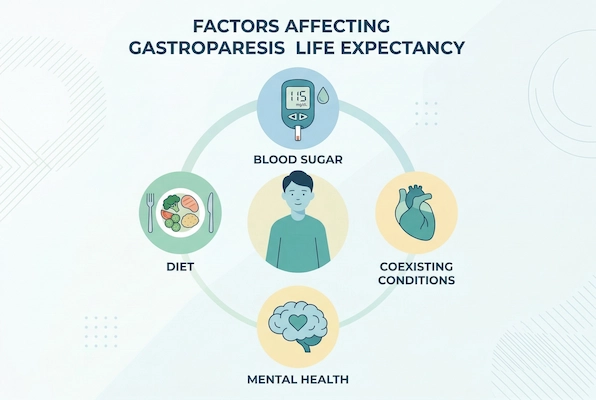
Multiple factors can shape the life expectancy of gastroparesis patients. Effective blood sugar management in diabetic individuals, for instance, can help reduce complications and boost overall health results. Similarly, properly addressing coexisting conditions like other gastrointestinal problems and heart disease is critical for achieving the best possible prognosis.
The psychological burden of managing a chronic digestive condition like gastroparesis deserves serious attention as well. Mental health struggles, including anxiety disorders and depression, can develop from both the physical symptoms and the lifestyle adaptations required to control the condition. Obtaining support from mental health specialists and practicing healthy coping methods is essential for sustaining overall wellbeing.
Gastroparesis and Coexisting Health Conditions
People with gastroparesis frequently have additional underlying health issues that can further complicate their outlook. Conditions such as hiatal hernias and silent reflux often coexist with gastroparesis. Effectively managing these coexisting conditions is key to enhancing overall health and life quality. Maintaining close collaboration with healthcare professionals to create a thorough treatment strategy addressing every aspect of a person’s health is vital.
Dietary adjustments also play a major role in controlling gastroparesis and its associated conditions. Adopting a gastroparesis-appropriate diet, typically consisting of smaller, more frequent meals with reduced fiber and fat content, can help ease severe symptoms and enhance nutritional consumption. Consulting with a registered dietitian provides individualized direction for building a nutrition strategy that addresses personal requirements and promotes overall wellness.

Taking Control: Managing Gastroparesis
Living with upper digestive symptoms presents real challenges, but numerous approaches exist to help manage the condition effectively and minimize symptom severity. Through close partnership with digestive health specialists, appropriate medical interventions, and adoption of lifestyle adjustments and home-based strategies, individuals can meaningfully enhance their overall quality of life.
Regarding medical interventions for gastroparesis, the emphasis lies on treating root causes while controlling symptoms. Physicians may prescribe medications that boost gastric movement, such as prokinetic drugs, to enhance the sluggish emptying process. Anti-nausea medications can help manage queasiness, acid reflux, and vomiting episodes, while pain management medications may address discomfort. For more severe situations, surgical options like gastric electrical stimulation devices may be explored to help regulate stomach contractions.
Alongside medical approaches, specific lifestyle modifications and home-based remedies can prove beneficial in gastroparesis management. One crucial element involves adjusting eating habits. Consuming smaller portions more frequently throughout the day can reduce the burden on the stomach and support digestion. Chewing food completely to aid breakdown is also essential. Steering clear of high-fat and high-fiber foods is advisable since they can be harder to digest. Maintaining adequate hydration is equally important, as becoming dehydrated can intensify symptoms.
Why Healthcare Providers Matter for Gastroparesis Patients
Collaborating with a registered dietitian can be tremendously valuable in crafting a customized meal plan suited to an individual’s particular needs. Dietitians can offer guidance on selecting easily digestible options like soft fruits, prepared vegetables, and lean protein sources. Avoiding carbonated beverages and alcohol is also recommended, as these can aggravate symptoms.
Using a Food Diary to Track Medical History and Support Diagnosis
Maintaining a food journal serves as a practical tool for pinpointing trigger foods that worsen symptoms. By documenting everything consumed and noting any negative reactions, individuals can better identify their personal dietary triggers. This knowledge then informs smarter decisions about food selection and meal preparation.
Physical Activity to Promote Better Stomach Emptying
Participating in low-impact exercise, such as walking or practicing yoga, can also support digestive function. Physical movement helps activate muscles throughout the digestive system, encouraging motility and decreasing symptoms. Finding stress reduction techniques that work for each individual is also crucial. Breathing exercises, mindfulness meditation, or other relaxation practices can help lower stress levels, which can positively influence digestion.
By integrating medical treatments, lifestyle changes, and home remedies, people with gastroparesis can take charge of their condition and improve their daily experience. Managing gastroparesis requires ongoing effort, patience, and determination. With appropriate strategies and supportive resources, individuals can achieve symptom relief and reclaim a sense of wellbeing.

Living Well with Gastroparesis: Coping Strategies
The emotional weight of living with gastroparesis shouldn’t be minimized. Managing daily obstacles and potential restrictions associated with this condition demands resilience, strong support networks, and an active approach to personal care.
One frequently overlooked dimension of coping with gastroparesis involves its effects on personal relationships. Family and friends may find it hard to fully comprehend the condition’s complexities, potentially creating feelings of loneliness and frustration for both the person with gastroparesis and those close to them. Honest communication, education about the condition, and patience are fundamental in working through these difficulties and cultivating strong, supportive connections.
The Emotional Toll of Gastroparesis
Gastroparesis can create significant emotional strain for patients and their families. Coping with ongoing symptoms, required lifestyle changes, and uncertainty about long-term outcomes can generate frustration, anxiety, and depressive feelings. Seeking guidance from professional counselors or participating in support groups creates opportunities to share experiences and gather helpful perspectives from others confronting similar obstacles.
Recognizing that the emotional experience of gastroparesis differs substantially between individuals is important. Some may experience grief and a sense of loss for their previous lifestyle, while others may discover inner strength and determination when facing adversity. Acknowledging and respecting these varied emotional responses is vital for promoting mental wellness and developing effective coping approaches.
Patient Support Networks and Available Resources
Creating a robust support system is essential for gastroparesis patients. Building connections with others who truly understand the distinctive struggles of this condition can deliver comfort, motivation, and a sense of community. Digital communities and patient advocacy groups serve as excellent sources of both information and emotional encouragement. Tampa Bay Reflux Institute offers comprehensive resources designed to help individuals track symptoms, manage medications and appointments, and connect with supportive care networks.
Healthcare providers also fulfill a crucial function in supporting gastroparesis patients. Working alongside a multidisciplinary care team, including gastroenterologists, nutritionists, mental health professionals, and physical therapists, ensures well-rounded care that addresses physical, emotional, and social dimensions of living with gastroparesis. Through collaborative efforts, patients and their medical teams can develop tailored treatment plans that maximize quality of life and holistic wellbeing.

Looking Ahead: Future Research Directions
The gastroparesis research landscape continues to evolve, bringing optimism for enhanced treatment options and improved patient outcomes. Current scientific investigations aim to uncover underlying causes, create more effective therapies, and deepen our understanding of gastroparesis.
One particularly promising research direction involves examining the gut microbiome and its connection to gastroparesis. Recent scientific work has discovered that changes in gut bacteria composition may contribute to the onset and advancement of gastroparesis. Scientists are now studying whether probiotics and prebiotics might help restore healthy gut flora and reduce gastroparesis symptoms. By focusing on gut microbiota, researchers hope to deliver more precise, personalized treatment approaches.
Progress in Gastroparesis Treatment
Recent treatment innovations for gastroparesis have demonstrated encouraging outcomes. Cutting-edge techniques include using botulinum toxin injections to relax the pyloric sphincter and facilitate stomach emptying. This minimally invasive approach has shown effectiveness in enhancing gastric emptying and reducing symptoms for certain patients.
Another exciting research path involves developing new pharmaceutical treatments specifically designed to address the mechanisms behind gastroparesis. Scientists are investigating medications that might improve gastric movement, decrease stomach inflammation, and influence nervous system function. These developments could potentially transform treatment options for gastroparesis and offer patients more effective, customized therapeutic solutions.
How Ongoing Research Shapes Life Expectancy
Continued research serves a vital purpose in expanding gastroparesis knowledge and ultimately improving patient longevity. By investigating innovative therapies, identifying genetic indicators, and revealing the intricate mechanisms of gastroparesis, scientists are creating pathways for more focused and individualized treatment methods.
Technological progress is also revolutionizing gastroparesis diagnosis and monitoring. Non-invasive imaging methods, including MRI scans and wireless motility capsules, enable more thorough evaluation of stomach function. These technologies offer valuable understanding of gastric emptying patterns and assist clinicians in customizing treatment approaches for individual patients.
Taking part in clinical trials and backing research efforts contributes to field advancement and provides hope for an improved future. By volunteering for clinical research, gastroparesis patients gain access to innovative treatments while helping advance medical science. Supporting research through donations and advocacy work can accelerate therapy development and enhance outcomes for everyone living with gastroparesis.
Gastroparesis is a demanding condition requiring comprehensive care and support. By understanding its definition, causes, and symptoms, individuals can pursue appropriate medical attention and implement necessary lifestyle changes. Practicing self-care strategies, developing strong support networks, and staying current on treatment and research advancements are all crucial steps in navigating gastroparesis complexities. Remember that you’re not facing this journey alone, and with proper tools and resources, you can maintain a fulfilling life despite the challenges this condition presents.
Conclusion
Gastroparesis is a complex condition that requires patience, proper medical care, and ongoing lifestyle adjustments. While it presents significant daily challenges, from managing symptoms like nausea and bloating to navigating dietary restrictions, many patients successfully maintain a good quality of life with the right support system and treatment plan.
The key to living well with gastroparesis lies in working closely with your healthcare team, staying informed about new treatment options, and prioritizing both your physical and emotional wellbeing. With continued research bringing promising advances in therapies and a deeper understanding of the condition, there is genuine hope for improved outcomes. Remember that support is available through medical professionals, online communities, and patient advocacy groups. You don’t have to face this journey alone. If you’re experiencing symptoms or need expert guidance, contact us to schedule a consultation with our specialists.
For patients dealing with related digestive conditions, our team also provides advanced treatments including fundoplication surgery, the LINX reflux management system, TIF procedures, and incisionless weight loss procedures. You can also explore our blog for additional resources on managing digestive health conditions, or learn about achalasia treatment and find top hiatal hernia specialists in Tampa.
FAQs
Is gastroparesis life-threatening?
Gastroparesis itself is typically not directly life-threatening, but severe cases can lead to serious complications like malnutrition and dehydration. Proper management and regular medical care are essential to prevent these risks.
Can gastroparesis be cured?
There is currently no cure for gastroparesis, but symptoms can often be effectively managed. Treatment focuses on medications, dietary changes, and in some cases, surgical interventions.
What foods should I avoid with gastroparesis?
High-fat and high-fiber foods are typically harder to digest and should be limited. Smaller, more frequent meals with soft, easily digestible foods are generally recommended.
Does gastroparesis always get worse over time?
Not necessarily. Symptoms can fluctuate and some patients experience improvement with proper treatment. The progression varies depending on the underlying cause and how well the condition is managed.
Can exercise help with gastroparesis symptoms?
Yes, gentle physical activity like walking or yoga can stimulate digestion and promote gastric motility. Always consult your doctor before starting any new exercise routine.


An endoscopy cannot tell you if you have reflux. It can only tell you if you have complications of GERD.
If you are unhappy with your reflux symptoms, come in and we can discuss testing and treatments that can accurately diagnose your problem.
#reflux #gerd #hiatalhernia #gastroparesis #linx

CALL US AT 813-922-2920
www.tampareflux.com
If you have a hiatal hernia and fit one of these categories, you should know your options.
Dr. Grandhige is an expert in his field and performs 200 of these surgeries a year. He is the only surgeon in the Tampa Bay Area who offers all surgical options - LINX, Fundoplications, TIF and will be one of 20 surgeons in America introducing the latest procedure RefluxStop in 2026.
We accept most insurances but will verify yours before you come in. These procedures are considered medically necessary and covered by your insurance. You can expect to pay your in-network deductibles and nothing else.
#hiatalhernia #reflux #GERD #LINX #refluxstop
What causes reflux ?
1. Weak lower esophageal sphincter
2. Hiatal hernia
3. Flattening of the Angle of His
4. Poor esophageal motility
5. Gastroparesis (slow stomach)
NOT increased acid production
Don’t let GERD get in the way of living your life. Request your appointment with us today on the link below.
.
.
.
.
https://tampareflux.com/contact-us/
Anyone can be victim to GERD and though weight loss can help reduce GERD symptoms. Many athletes with high impact workouts may continue to have these symptoms. This may be a symptom of a hiatal hernia or other issue. We are more then happy to assist you in finding your solution, just click the link below.
.
.
.
https://tampareflux.com/contact-us/
##healthylifestyle #workout #athletereflux #PPIs #heartburn #LINX #fundoplication #TIF #GERD#tampaheartburn #linx #TIF #fundoplication #tampabayreflux #GERD #acidreflux #acidrefluxsurgery #stopreflux
#nonsurgicalweightloss #ESG #gastricballoon #weightlossjourney #vsg #vsgjourney #spatz3 #orbera #orberaballoon #grandhige #DrG
#tampabayrefluxinstitute #guthealth #roboticsurgery
Heartburn may seem like an annoyance. But if you find yourself having symptoms on a daily basis, it may be time to to talk to Dr. Grandhige as it could be a symptom of something worse.
.
.
.
#chronicheartburn #gerdsymptoms #heartburnrelief #reflux #PPIs #heartburn #LINX #fundoplication #TIF #GERD#tampaheartburn #linx #TIF #fundoplication #tampabayreflux #GERD #acidreflux #acidrefluxsurgery #stopreflux
#nonsurgicalweightloss #ESG #gastricballoon #weightlossjourney #vsg #vsgjourney #spatz3 #orbera #orberaballoon #grandhige #DrG
#tampabayrefluxinstitute #guthealth #roboticsurgery
If you are tired of avoiding your favorite foods or taking daily medications, we can help.
We are the Tampa experts in reflux ! With years of experience and thousands of patients treated successfully, we offer all FDA approved anti-reflux procedures.
Call 813-922-2920 to schedule your appointment
All major insurances accepted.
Not all patients need surgical intervention. Many patients are living a heartburn free life with their PPIs. However 40% of patients taking PPIs are not getting the relief they need. If you are one of those, you have options! Come in and find out more.
.
.
.
.
#letushelpyou #medsnotworking #reflux #PPIs #heartburn #LINX #fundoplication #TIF #GERD#tampaheartburn #linx #TIF #fundoplication #tampabayreflux #GERD #acidreflux #acidrefluxsurgery #stopreflux
#nonsurgicalweightloss #ESG #gastricballoon #weightlossjourney #vsg #vsgjourney #spatz3 #orbera #orberaballoon #grandhige #DrG
#tampabayrefluxinstitute #guthealth #roboticsurgery
#heartburn #stopreflux #hiatalherniarepair #severeheartburn #reflux #tampabayreflux #acidrefluxsurgery #tampaheartburn #GERD #PPIs #achalasia #LINX #TIF #tampareflux #fundoplication #stomach #digestivehealth #ESG #obesity #overweight #weightlossjourney #gastricballoon


