
Written By: Jeffrey Atlas, Health Content Writer
Medically Reviewed By: Dr. Gopal Grandhige, MD, FACS, Board-Certified Surgeon
Last Reviewed: March 30, 2026
Gastroparesis, a condition of delayed stomach emptying, frequently develops in people with anorexia nervosa and often intensifies during early recovery. The good news: in most cases, it’s reversible with sustained nutritional rehabilitation and medical support.
When the body is deprived of adequate nutrition, it conserves energy by slowing digestion. Stomach muscles weaken, nerve signals become less coordinated, and food sits in the stomach longer than normal, causing bloating, early fullness, nausea, and discomfort. These symptoms can feel alarming, especially when they worsen as you begin eating more in recovery. But this typically signals adaptation, not failure.
This guide explains why gastroparesis happens alongside anorexia, what to expect during recovery, and evidence-based strategies for healing your digestive system while staying nourished.
Defining Gastroparesis
Gastroparesis refers to a condition characterized by slower-than-normal stomach emptying. This occurs without any physical obstruction present in the stomach or intestines. When the emptying process slows down, food remains in the stomach for extended periods, causing discomfort after eating and creating a sensation that your digestive system is “backed up.”
Typical symptoms include:
- Feeling full quickly, even after eating small portions
- Bloating or an uncomfortable, overstuffed sensation
- Nausea
- Stomach discomfort or pain
- Vomiting in more serious cases
Healthcare providers usually diagnose gastroparesis by evaluating symptoms and medical history, eliminating other potential causes, and sometimes conducting tests that track stomach emptying rates, like a gastric emptying study. Imaging and bloodwork may help identify other gastrointestinal issues and medical complications, such as dehydration and electrolyte imbalances.
Understanding the difference between temporary digestive slowdown (which commonly occurs during food restriction and early recovery) and clinical gastroparesis that persists over time is important. Since people can experience similar symptoms for various reasons, obtaining an accurate diagnosis leads to safer and more focused long-term care.
Does Anorexia Lead to Gastroparesis?
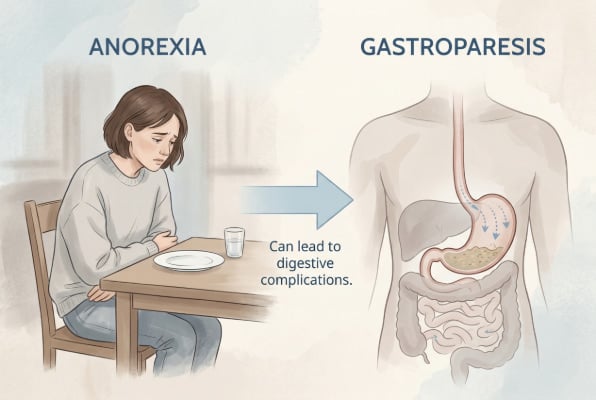
Absolutely. Anorexia nervosa can contribute to gastroparesis development, particularly when food restriction and weight loss continue for extended periods or become severe. Your stomach depends on sufficient energy, muscle strength, and coordinated nerve signals to properly digest food and move it into the small intestine. When your body lacks proper nourishment, it adapts in ways that can slow this entire process.
One factor is your body’s energy conservation mechanism. During ongoing undernutrition, your body focuses on essential functions and decreases energy devoted to digestion. This affects the nerves supplying your stomach and intestines, which can reduce gastric motility. Over time, stomach muscles may weaken, and the normal contraction patterns can become less strong or coordinated.
Hormonal and metabolic shifts can compound the slowdown. Changes in stress hormones and appetite-regulating hormones can influence nausea, fullness signals, and digestive rhythm. These physiological changes can intensify with dehydration, electrolyte imbalances, or a history of purging behaviors. People taking GLP-1 medications may also experience comparable symptoms.
The severity and length of restriction matter significantly. The longer malnutrition continues, the more likely digestion will feel persistently sluggish. The positive news is that stomach emptying often improves for many people as nutrition becomes consistent and the body has time to readjust. This highlights why early intervention matters: addressing anorexia directly supports the restoration of normal motility. A healthcare provider can also rule out other reasons for delayed emptying and help manage symptoms safely during nutritional rehabilitation.
How Food Deprivation Impacts Stomach Emptying
When your body consistently lacks adequate fuel, the digestive system receives fewer signals and less energy to function properly. Stomach emptying can slow because the muscles responsible for churning food and propelling it forward aren’t contracting as powerfully or regularly, causing the stomach to retain contents longer.
Changes related to food deprivation often include:
- Decreased peristalsis, meaning the contractions that move food along happen less often
- Reduced stomach tone, which can limit digestion and intensify feelings of fullness
- Impaired brain-gut communication, causing the nervous system to coordinate digestion less effectively
These shifts can result in early fullness, nausea, and discomfort after eating. In many instances, they improve with consistent nourishment and time as the stomach muscles and nervous system regain strength and responsiveness. Patients experiencing these symptoms may also benefit from understanding related digestive conditions that can accompany recovery.
Recognizing Gastroparesis Symptoms in People With Anorexia
Gastroparesis symptoms can overlap with experiences already common in anorexia, making them challenging to interpret. Feeling full quickly, bloating, nausea, and stomach discomfort may occur during restriction, during refeeding, or both. Because of this overlap, distinguishing whether symptoms reflect temporary GI slowing, diagnosed gastroparesis, eating-related anxiety, or a combination can be difficult.
People may experience:
- Early fullness after consuming small amounts of food
- A heavy or “stuck” sensation lasting hours after eating
- Bloating, belching, or abdominal pressure
- Nausea, especially following meals
- Decreased appetite because eating feels uncomfortable
- Vomiting in more serious cases
Physical discomfort can also strengthen restrictive urges. If eating causes distressing sensations, it may feel “safer” to eat less, skip meals, or avoid certain foods. Unfortunately, restriction can further slow motility and extend symptoms. As Hopkins Medicine explains, proper stomach function depends on adequate nutritional intake to maintain muscle tone and nerve signaling.
Symptoms may intensify early in recovery because intake increases before the stomach has fully adapted. This underscores why careful assessment matters. A medical team can evaluate severity, rule out complications, and help you manage symptoms while maintaining consistent nutrition. Dehydration and electrolyte changes can worsen nausea and weakness, so monitoring remains important. Rather than self-diagnosing, sharing symptoms openly allows providers to customize support for both medical needs and recovery goals.
Why Gastroparesis Feels Particularly Overwhelming During Recovery
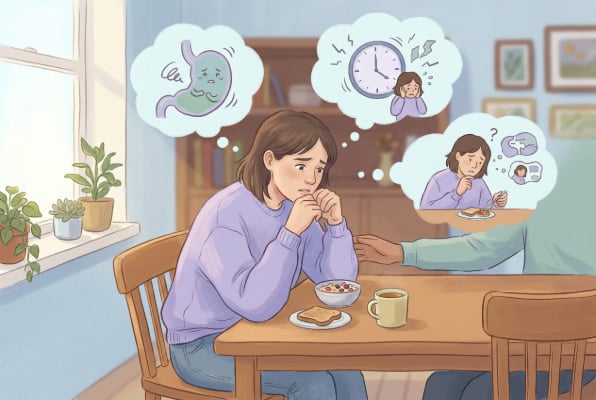
Recovery requires eating more consistently, often before your digestive system feels prepared. This mismatch can make gastroparesis symptoms feel especially frightening. Early fullness or bloating can spark fears that eating is harmful or that your body cannot handle food.
These symptoms can feel distressing because they may trigger:
- Fear of fullness and body changes
- Anxiety before and after meals
- The belief that discomfort indicates something is wrong
Reassurance matters: discomfort does not mean recovery is failing. With medical guidance and steady nourishment, many people see symptoms diminish as the stomach adapts over time. It can also be easy to misinterpret normal recovery sensations as evidence you should restrict, skip meals, or delay treatment. Those responses are understandable, but they often prolong gastric slowing. A treatment team can help you pace meals, manage nausea, and stay safe while your digestion heals. Some individuals may also experience silent reflux symptoms alongside gastroparesis during this phase.
Gastroparesis Throughout Anorexia Recovery
Gastroparesis symptoms may emerge or feel more intense during recovery, particularly when eating increases after a period of restriction. This can feel discouraging, but it often reflects a stomach that is adjusting rather than a body that is “breaking.” After prolonged undernutrition, the muscles and nerves coordinating digestion can become deconditioned. When meals become more regular, the system needs to ramp back up.
In early recovery, people may notice fullness lasting longer than expected, bloating, nausea, or discomfort after meals. Symptoms can be more noticeable when the stomach receives more volume and variety before it has regained normal tone and motility. Anxiety can also amplify sensations, making them feel even more urgent or alarming.
For many people, this slowing is temporary. Improvement often correlates with nutritional consistency because regular intake provides the repeated signals the stomach needs to strengthen and coordinate emptying. That said, ongoing symptoms should be monitored by a healthcare professional to rule out complications and determine whether additional supports are needed. The goal is staying nourished while the stomach catches up, with safety and compassion. Understanding how digestive disorders are diagnosed can help patients feel more prepared for the evaluation process.
Separating expected, short-term digestive slowing from longer-lasting gastroparesis requiring targeted symptom management also helps. Your team may adjust meal pacing, offer practical coping tools for nausea and fullness, and monitor hydration and electrolytes. With steady progress and support, many people find these sensations lessen over weeks to months. The specialists at Tampa Reflux often work with patients navigating these complex digestive challenges.
Gastroparesis Permanent Following Anorexia?
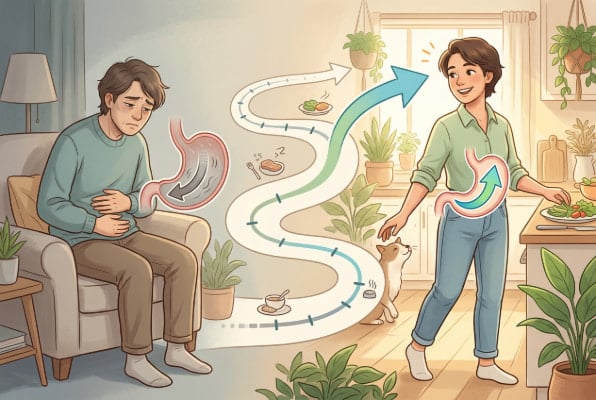
In most cases, no. When delayed stomach emptying relates to undernutrition, the stomach can often regain strength and coordination with sustained recovery and weight restoration. According to research published by the NIH, the digestive system is adaptable, and improvements commonly occur as the body receives consistent energy, fluids, and medical support.
Recovery varies based on:
- Length of illness and duration of restriction
- Degree of malnutrition and medical stability
- Individual GI history, medications, and overall health
Patience matters because the stomach typically improves gradually, not overnight. Ongoing care helps track symptoms, rule out other causes, and support progress even if setbacks occur. If symptoms persist, that doesn’t mean recovery is impossible, it means you may need more time, closer monitoring, or additional symptom strategies. Continuing to restrict to “protect” the stomach usually prolongs slowing, so treatment focuses on staying nourished in a supported way. For patients with concurrent conditions like a hiatal hernia, additional treatment considerations may apply.
Addressing Gastroparesis in Eating Disorder Treatment
Managing gastroparesis alongside anorexia requires medical supervision. Because eating disorders can affect heart rate, blood pressure, hydration, and electrolytes, plans addressing nausea, fullness, or vomiting need clinical oversight. The goal is reducing distress while keeping nutritional rehabilitation on track.
Nutritional rehabilitation serves as the foundation. Consistent intake provides the stomach with repeated cues to contract, rebuild tone, and coordinate emptying. Treatment teams often use structured meals and snacks and may adjust timing to match tolerance while still moving toward adequate nutrition.
Supportive strategies may include:
- Meal structure and consistency with predictable timing
- Gradual progression of intake when clinically appropriate
- Hydration support and electrolyte monitoring
- Medical monitoring of symptoms, weight trends, and overall stability
- Short-term symptom management medications when indicated
Registered dietitians, physicians, and therapists collaborate together. Dietitians guide nourishment in ways that support gut recovery. Medical providers evaluate symptoms, rule out complications, and coordinate treatment for nausea or reflux disease when needed. Therapists help address fear of fullness, reduce avoidance behaviors, and build coping skills so discomfort doesn’t derail recovery. With coordinated care and time, many people experience meaningful improvement. Harvard Health notes that this multidisciplinary approach yields the best outcomes for patients with gastroparesis.
Importantly, management is individualized. Some clients benefit from smaller, more frequent meals initially, while others do best with consistent portions and reassurance. Teams also watch for patterns that can unintentionally maintain symptoms, like compensatory behaviors, inconsistent eating, or fear-based food rules. Providers can coordinate GI-informed supports within eating disorder care, so symptom relief doesn’t come at the cost of undernourishment. In some cases, patients may require evaluation for conditions like achalasia that present with overlapping symptoms.
Progress is usually measured by overall stability and increasing tolerance, not by one “perfect” meal. When symptoms flare, the plan is adjusted, not abandoned. That steady approach helps the stomach adapt while supporting long-term recovery.
Factors That Can Worsen Gastroparesis
Some responses to discomfort can unintentionally intensify gastroparesis symptoms. Restricting intake to avoid fullness may feel protective, but it reduces the signals the stomach needs to strengthen and empty more efficiently. Skipping meals or eating inconsistently can create bigger swings in symptoms and make nausea and bloating feel more intense.
Other common pitfalls include:
- Unsupervised elimination diets that reduce overall nutrition
- Cutting out entire food groups based on fear rather than medical guidance
- Avoiding treatment because symptoms feel scary or embarrassing
- Using compensatory behaviors that increase dehydration and electrolyte risk
Supported consistency is usually more effective than avoidance. With medical and nutrition guidance, you can address symptoms while still moving toward adequate nourishment over time and with less distress overall. WebMD’s gastroparesis overview provides additional context on dietary modifications that may support recovery.

When to Seek Medical Care for Gastroparesis Symptoms
Digestive symptoms should be evaluated by a healthcare professional, especially in the context of an eating disorder. Because restriction can affect hydration, electrolytes, and overall medical stability, self-diagnosing GI conditions or relying on internet checklists isn’t safe.
Seek medical care promptly if you experience:
- Persistent vomiting or frequent retching
- Severe or worsening abdominal pain
- Inability to tolerate nutrition or fluids
- Significant or rapid weight loss
- Dizziness, fainting, or signs of dehydration
These symptoms can signal complications requiring treatment and may necessitate adjustments to your recovery plan. A clinician can help identify the cause, rule out obstruction or other conditions, and recommend safe symptom management that supports nourishment rather than avoidance. If you have a history of purging, laxative use, or severe restriction, the threshold for evaluation should be even lower. Getting assessed early can reduce fear, prevent medical emergencies, and help you stay engaged in treatment with the right supports in place. MedlinePlus offers helpful guidance on when emergency evaluation is warranted. To schedule an evaluation with a specialist, contact us today.
Why Treating the Eating Disorder Is Essential for Digestive Healing
Gastroparesis symptoms in anorexia are often a consequence of undernutrition, not the root problem. If the eating disorder remains active, stomach emptying usually stays slow, and symptom-driven avoidance can reinforce restriction. Treating anorexia comprehensively supports digestive healing and reduces the risk of cycling between discomfort and more restriction.
Integrated care models address both medical needs and the emotional drivers of the disorder through:
- Medical monitoring to support safety, hydration, and symptom evaluation
- Nutrition therapy with registered dietitians to restore consistent, adequate intake
- Psychological support to address fear of fullness, body distress, and avoidance behaviors
This approach emphasizes long-term healing over short-term symptom avoidance. As nourishment becomes reliable and recovery skills strengthen, many people experience improved motility, greater tolerance of meals, and less anxiety about GI sensations. Healthline’s guide on gastroparesis outlines additional coping strategies that complement professional treatment.
Treatment teams can also help you interpret symptoms accurately, so fullness or nausea doesn’t become “proof” you should stop eating. When symptoms flare, plans can be adjusted while keeping nutrition steady, which supports both comfort and recovery over time. For persistent cases unresponsive to conservative management, surgical interventions such as fundoplication surgery or the LINX Reflux Management System may be considered if reflux complications develop. Some patients may also benefit from incisionless procedures or the TIF procedure depending on their specific condition.
Conclusion
Gastroparesis and anorexia are closely connected, with digestive slowing often resulting from prolonged undernutrition rather than being a permanent condition. With consistent nutritional rehabilitation, medical monitoring, and integrated treatment addressing both physical and psychological aspects, most people experience meaningful improvement in stomach function over time. Recovery requires patience and professional support, but the digestive system is remarkably adaptable when given the sustained nourishment it needs to heal. The American College of Gastroenterology offers comprehensive patient resources for those seeking additional support. Patients in the Tampa area can learn more about our practice or consult with the best hiatal hernia doctors in Tampa.
FAQs
Can gastroparesis caused by anorexia be reversed?
Yes, in most cases gastroparesis related to anorexia improves with sustained nutritional rehabilitation and weight restoration. The digestive system is adaptable and typically regains normal function with consistent nourishment and medical support.
Why do gastroparesis symptoms often worsen during early recovery?
Symptoms intensify because food intake increases before the stomach has fully adapted to processing larger volumes. This is a sign the digestive system is adjusting, not that recovery is failing.
Should I eat less to reduce gastroparesis discomfort?
No, restricting intake actually prolongs gastroparesis by reducing the signals your stomach needs to regain strength and motility. Working with a treatment team to maintain consistent nutrition while managing symptoms is more effective.
How long does it take for gastroparesis symptoms to improve?
Improvement typically occurs gradually over weeks to months with consistent eating and medical support. The timeline varies based on the duration of illness and individual factors.
When should I seek immediate medical care for gastroparesis symptoms?
Seek prompt care if you experience persistent vomiting, severe abdominal pain, inability to tolerate food or fluids, rapid weight loss, or signs of dehydration. These symptoms may indicate complications requiring urgent treatment.


An endoscopy cannot tell you if you have reflux. It can only tell you if you have complications of GERD.
If you are unhappy with your reflux symptoms, come in and we can discuss testing and treatments that can accurately diagnose your problem.
#reflux #gerd #hiatalhernia #gastroparesis #linx

CALL US AT 813-922-2920
www.tampareflux.com
If you have a hiatal hernia and fit one of these categories, you should know your options.
Dr. Grandhige is an expert in his field and performs 200 of these surgeries a year. He is the only surgeon in the Tampa Bay Area who offers all surgical options - LINX, Fundoplications, TIF and will be one of 20 surgeons in America introducing the latest procedure RefluxStop in 2026.
We accept most insurances but will verify yours before you come in. These procedures are considered medically necessary and covered by your insurance. You can expect to pay your in-network deductibles and nothing else.
#hiatalhernia #reflux #GERD #LINX #refluxstop
What causes reflux ?
1. Weak lower esophageal sphincter
2. Hiatal hernia
3. Flattening of the Angle of His
4. Poor esophageal motility
5. Gastroparesis (slow stomach)
NOT increased acid production
Don’t let GERD get in the way of living your life. Request your appointment with us today on the link below.
.
.
.
.
https://tampareflux.com/contact-us/
Anyone can be victim to GERD and though weight loss can help reduce GERD symptoms. Many athletes with high impact workouts may continue to have these symptoms. This may be a symptom of a hiatal hernia or other issue. We are more then happy to assist you in finding your solution, just click the link below.
.
.
.
https://tampareflux.com/contact-us/
##healthylifestyle #workout #athletereflux #PPIs #heartburn #LINX #fundoplication #TIF #GERD#tampaheartburn #linx #TIF #fundoplication #tampabayreflux #GERD #acidreflux #acidrefluxsurgery #stopreflux
#nonsurgicalweightloss #ESG #gastricballoon #weightlossjourney #vsg #vsgjourney #spatz3 #orbera #orberaballoon #grandhige #DrG
#tampabayrefluxinstitute #guthealth #roboticsurgery
Heartburn may seem like an annoyance. But if you find yourself having symptoms on a daily basis, it may be time to to talk to Dr. Grandhige as it could be a symptom of something worse.
.
.
.
#chronicheartburn #gerdsymptoms #heartburnrelief #reflux #PPIs #heartburn #LINX #fundoplication #TIF #GERD#tampaheartburn #linx #TIF #fundoplication #tampabayreflux #GERD #acidreflux #acidrefluxsurgery #stopreflux
#nonsurgicalweightloss #ESG #gastricballoon #weightlossjourney #vsg #vsgjourney #spatz3 #orbera #orberaballoon #grandhige #DrG
#tampabayrefluxinstitute #guthealth #roboticsurgery
If you are tired of avoiding your favorite foods or taking daily medications, we can help.
We are the Tampa experts in reflux ! With years of experience and thousands of patients treated successfully, we offer all FDA approved anti-reflux procedures.
Call 813-922-2920 to schedule your appointment
All major insurances accepted.
Not all patients need surgical intervention. Many patients are living a heartburn free life with their PPIs. However 40% of patients taking PPIs are not getting the relief they need. If you are one of those, you have options! Come in and find out more.
.
.
.
.
#letushelpyou #medsnotworking #reflux #PPIs #heartburn #LINX #fundoplication #TIF #GERD#tampaheartburn #linx #TIF #fundoplication #tampabayreflux #GERD #acidreflux #acidrefluxsurgery #stopreflux
#nonsurgicalweightloss #ESG #gastricballoon #weightlossjourney #vsg #vsgjourney #spatz3 #orbera #orberaballoon #grandhige #DrG
#tampabayrefluxinstitute #guthealth #roboticsurgery
#heartburn #stopreflux #hiatalherniarepair #severeheartburn #reflux #tampabayreflux #acidrefluxsurgery #tampaheartburn #GERD #PPIs #achalasia #LINX #TIF #tampareflux #fundoplication #stomach #digestivehealth #ESG #obesity #overweight #weightlossjourney #gastricballoon


