
Written By: Jeffrey Atlas, Health Content Writer
Medically Reviewed By: Dr. Gopal Grandhige, MD, FACS, Board-Certified Surgeon
Last Reviewed: March 14, 2026
No, the relationship works in the opposite direction. Excess body weight, especially around the midsection, increases abdominal pressure and weakens the diaphragm, which can cause or worsen a hiatal hernia. A hiatal hernia occurs when part of the stomach pushes through the diaphragm into the chest cavity, leading to symptoms like heartburn, acid reflux, and chest discomfort. While the hernia itself doesn’t cause weight gain, managing your weight through diet and exercise is one of the most effective ways to prevent and reduce hiatal hernia symptoms.
Understanding Whether a Hiatal Hernia Leads to Weight Gain
To grasp the connection between weight gain and hiatal hernias, you first need to understand what a hiatal hernia actually is. According to the Mayo Clinic, the diaphragm is a substantial muscle separating the chest from the abdominal cavity. It contains a small opening known as the hiatus, through which the esophagus travels to connect with the stomach. With hiatal hernias, a section of the stomach bulges through this hiatus into the chest area.
Two primary types of hiatal hernias exist: sliding and paraesophageal. The sliding variety is more prevalent and happens when both the stomach and the lower esophagus shift upward into the chest.
Paraesophageal hernias occur less frequently but pose greater risks, as a portion of the stomach pushes through the hiatus and rests alongside the esophagus. This situation can potentially restrict blood flow to stomach tissues, as explained by Johns Hopkins Medicine.
How Weight Gain Contributes to Hiatal Hernia Development
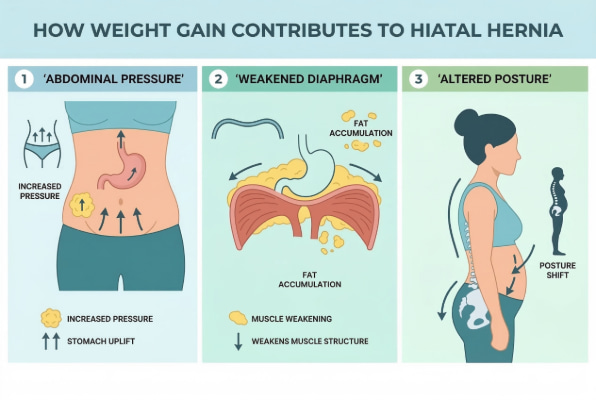
Gaining weight, particularly in the midsection, can significantly influence the development or progression of a hiatal hernia. That said, hiatal hernias typically don’t trigger weight gain. Rather, they often develop as a consequence of carrying excess body weight.
Several weight-related factors illustrate the connection between body weight and hernia severity.
Elevated Pressure Within the Abdomen
Carrying extra weight, especially around the belly, raises pressure inside the abdominal cavity. This heightened intra-abdominal pressure can force the stomach upward through the hiatus. This may trigger new hiatal hernias or aggravate existing ones. Think of it like how increased pressure in a tire causes it to bulge at vulnerable spots. The National Institute of Diabetes and Digestive and Kidney Diseases notes that obesity is a significant risk factor for this condition.
Compromised Diaphragm Strength
Weight gain often leads to fat accumulation around the abdominal organs and within the abdominal wall itself. This additional body fat can compromise diaphragm muscle integrity, making it easier for stomach portions to herniate. Understanding this connection is essential when exploring heartburn treatment options.
Altered Body Posture
Carrying excess weight can shift a person’s posture, resulting in a forward pelvic tilt and greater spinal curvature. These postural shifts can elevate abdominal pressure and contribute to stomach herniation.
Many individuals also ask, “Does a hiatal hernia lead to bloating?” Given the digestive discomfort that hernias often cause, bloating is quite common with this condition. This proves especially true when a rolling hernia develops. Rolling hernias happen when the stomach portion pushing into the hiatus becomes twisted or squeezed by the diaphragm. For more detailed information, Harvard Health provides comprehensive guidance on this topic.

Signs and Potential Complications
Hiatal hernia symptoms can vary from minimal to intense, depending on the hernia’s size and its impact on nearby tissues. Typical symptoms include:
- Heartburn
- Acid reflux
- Chest discomfort
- Trouble swallowing
- Breathing difficulties
In more serious situations, particularly with paraesophageal hernias, complications may arise such as:
- Stomach strangulation, which can block blood flow and cause tissue death
- Intense acid reflux resulting in esophagitis (esophageal inflammation)
- Ongoing anemia from gradual bleeding at the hernia location
Some patients may also experience silent reflux or LPR, which can occur without typical heartburn symptoms. According to the NHS, these complications require prompt medical attention.
Preventing and Controlling Hiatal Hernias Through Weight Management
Since a solid link exists between weight gain and hiatal hernias, keeping body weight in check is crucial for both prevention and treatment of this condition. Effective strategies for managing body weight and minimizing hiatal hernia severity include:
Following a Nutritious Eating Plan
Embracing a balanced diet packed with fruits, vegetables, whole grains, and lean proteins can support healthy weight maintenance. Steering clear of foods that spark acid reflux (like spicy dishes, high-fat meals, and excessive citrus) can also help ease or control hiatal hernia symptoms. Healthline offers helpful dietary guidelines for managing this condition.
Staying Physically Active
Consistent physical activity helps burn calories and shed body fat. Core-strengthening exercises, in particular, can effectively support the diaphragm and lower the chances of hernia development. MedlinePlus recommends low-impact exercises that don’t increase abdominal pressure.
Practicing Portion Control
Large meals can spike abdominal pressure, frequently intensifying hiatal hernia symptoms. Consuming smaller, more frequent meals can help maintain more stable abdominal pressure levels.
Enrolling in Weight Loss Programs
For those battling obesity and finding it challenging to shed pounds, a structured program might be beneficial. Weight loss programs offering medical oversight, dietary planning, and therapeutic support can prove highly effective. Tampa Bay Reflux Institute offers incisionless weight loss procedures that can help patients achieve their goals safely. These programs deliver customized guidance to help individuals reach and sustain a healthy weight.
Implementing Lifestyle Adjustments
A few straightforward lifestyle modifications may help diminish hiatal hernia symptoms. These include raising the head of your bed and avoiding lying down immediately after meals. Steering clear of overly restrictive clothing is another practical step for managing hiatal hernias. For additional information, the NCBI provides evidence-based recommendations.
Surgical Options for Hiatal Hernias
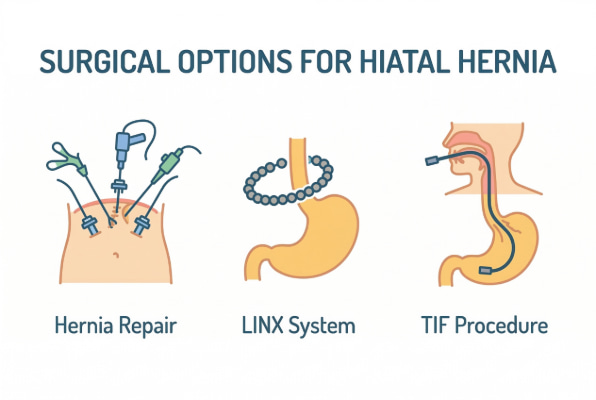
Sometimes, lifestyle modifications and weight management prove insufficient for controlling a hiatal hernia. In these instances, surgical treatment may become necessary. Hiatal hernia surgery generally involves repositioning the stomach back into the abdominal cavity and repairing the hiatus. Following this procedure, patients carrying excess weight may continue pursuing healthy weight loss. Consulting with the best hiatal hernia doctors in Tampa can help determine the right approach.
Dr. Grandhige specializes in advanced procedures including fundoplication surgery, the LINX Reflux Management System, and TIF/EsophyX procedures. These minimally invasive techniques offer effective relief for patients with persistent symptoms.
Bariatric procedures, such as gastric bypass or sleeve gastrectomy, might also be considered for patients with obesity. This approach allows medical professionals to tackle both the hernia and the underlying weight concerns simultaneously. Patients with related conditions like gastroparesis or achalasia may require specialized treatment plans.
Does a Hiatal Hernia Actually Cause Weight Gain?
The relationship between weight gain and hiatal hernias is both evident and meaningful. Excess body weight, particularly around the midsection, raises the likelihood of developing and worsening hiatal hernias, not the reverse. Controlling weight through balanced nutrition and consistent exercise can play a vital role in preventing and alleviating hiatal hernia symptoms.
If you’re dealing with significant obesity or complications stemming from a hiatal hernia, surgical solutions may offer relief and enhance your overall well-being. Understanding and addressing whether hiatal hernias contribute to weight gain is essential for effectively preventing and treating this condition. Visit our blog for more helpful resources on digestive health.

Expert Hiatal Hernia Treatment in Tampa
If you’re experiencing symptoms of a hiatal hernia or struggling with persistent acid reflux, seeking specialized care is essential for effective treatment. At Tampa Bay Reflux Institute, Dr. Grandhige offers advanced surgical solutions tailored to your unique condition. As a nationally recognized expert in reflux management, Dr. Grandhige performs cutting-edge procedures including robotic fundoplications, the LINX Reflux Management System, and Transoral Incisionless Fundoplication (TIF/EsophyX®). With extensive experience of over 600 fundoplications, 600 LINX procedures, and 200 TIF procedures, Dr. Grandhige develops individualized treatment strategies based on each patient’s specific symptoms and anatomical needs. The institute also offers incisionless weight loss procedures to help address the underlying factors contributing to hiatal hernias. Don’t let acid reflux and hiatal hernia symptoms control your life. Contact us today to schedule an appointment and take the first step toward lasting relief.
Conclusion
The relationship between weight gain and hiatal hernias is clear: excess body weight, particularly around the midsection, increases the risk of developing and worsening hiatal hernias rather than the other way around. Elevated abdominal pressure, weakened diaphragm muscles, and altered posture from carrying extra weight all contribute to pushing the stomach through the hiatus. The good news is that proactive weight management through balanced nutrition, regular exercise, and lifestyle modifications can significantly help prevent and alleviate hiatal hernia symptoms. For those struggling with obesity or severe hernia complications, surgical interventions including bariatric procedures offer effective solutions that address both concerns simultaneously. Taking control of your weight is one of the most impactful steps you can take toward managing or preventing this condition.
FAQs
Can a hiatal hernia cause me to gain weight?
No, hiatal hernias do not cause weight gain. Instead, excess weight is a contributing factor that can lead to the development or worsening of a hiatal hernia.
Does a hiatal hernia cause bloating?
Yes, bloating is a common symptom of hiatal hernias due to digestive discomfort. This is especially true with rolling hernias where the stomach becomes twisted or compressed.
What are the main symptoms of a hiatal hernia?
Common symptoms include heartburn, acid reflux, chest discomfort, difficulty swallowing, and breathing difficulties. Severity depends on the hernia’s size and its effect on surrounding tissues.
Can losing weight help with my hiatal hernia symptoms?
Yes, weight loss can significantly reduce abdominal pressure and alleviate symptoms. A balanced diet and regular exercise are key strategies for managing this condition.
When is surgery needed for a hiatal hernia?
Surgery is considered when lifestyle changes and weight management fail to control symptoms. It involves repositioning the stomach and repairing the hiatus, sometimes combined with bariatric procedures for obese patients.


An endoscopy cannot tell you if you have reflux. It can only tell you if you have complications of GERD.
If you are unhappy with your reflux symptoms, come in and we can discuss testing and treatments that can accurately diagnose your problem.
#reflux #gerd #hiatalhernia #gastroparesis #linx

CALL US AT 813-922-2920
www.tampareflux.com
If you have a hiatal hernia and fit one of these categories, you should know your options.
Dr. Grandhige is an expert in his field and performs 200 of these surgeries a year. He is the only surgeon in the Tampa Bay Area who offers all surgical options - LINX, Fundoplications, TIF and will be one of 20 surgeons in America introducing the latest procedure RefluxStop in 2026.
We accept most insurances but will verify yours before you come in. These procedures are considered medically necessary and covered by your insurance. You can expect to pay your in-network deductibles and nothing else.
#hiatalhernia #reflux #GERD #LINX #refluxstop
What causes reflux ?
1. Weak lower esophageal sphincter
2. Hiatal hernia
3. Flattening of the Angle of His
4. Poor esophageal motility
5. Gastroparesis (slow stomach)
NOT increased acid production
Don’t let GERD get in the way of living your life. Request your appointment with us today on the link below.
.
.
.
.
https://tampareflux.com/contact-us/
Anyone can be victim to GERD and though weight loss can help reduce GERD symptoms. Many athletes with high impact workouts may continue to have these symptoms. This may be a symptom of a hiatal hernia or other issue. We are more then happy to assist you in finding your solution, just click the link below.
.
.
.
https://tampareflux.com/contact-us/
##healthylifestyle #workout #athletereflux #PPIs #heartburn #LINX #fundoplication #TIF #GERD#tampaheartburn #linx #TIF #fundoplication #tampabayreflux #GERD #acidreflux #acidrefluxsurgery #stopreflux
#nonsurgicalweightloss #ESG #gastricballoon #weightlossjourney #vsg #vsgjourney #spatz3 #orbera #orberaballoon #grandhige #DrG
#tampabayrefluxinstitute #guthealth #roboticsurgery
Heartburn may seem like an annoyance. But if you find yourself having symptoms on a daily basis, it may be time to to talk to Dr. Grandhige as it could be a symptom of something worse.
.
.
.
#chronicheartburn #gerdsymptoms #heartburnrelief #reflux #PPIs #heartburn #LINX #fundoplication #TIF #GERD#tampaheartburn #linx #TIF #fundoplication #tampabayreflux #GERD #acidreflux #acidrefluxsurgery #stopreflux
#nonsurgicalweightloss #ESG #gastricballoon #weightlossjourney #vsg #vsgjourney #spatz3 #orbera #orberaballoon #grandhige #DrG
#tampabayrefluxinstitute #guthealth #roboticsurgery
If you are tired of avoiding your favorite foods or taking daily medications, we can help.
We are the Tampa experts in reflux ! With years of experience and thousands of patients treated successfully, we offer all FDA approved anti-reflux procedures.
Call 813-922-2920 to schedule your appointment
All major insurances accepted.
Not all patients need surgical intervention. Many patients are living a heartburn free life with their PPIs. However 40% of patients taking PPIs are not getting the relief they need. If you are one of those, you have options! Come in and find out more.
.
.
.
.
#letushelpyou #medsnotworking #reflux #PPIs #heartburn #LINX #fundoplication #TIF #GERD#tampaheartburn #linx #TIF #fundoplication #tampabayreflux #GERD #acidreflux #acidrefluxsurgery #stopreflux
#nonsurgicalweightloss #ESG #gastricballoon #weightlossjourney #vsg #vsgjourney #spatz3 #orbera #orberaballoon #grandhige #DrG
#tampabayrefluxinstitute #guthealth #roboticsurgery
#heartburn #stopreflux #hiatalherniarepair #severeheartburn #reflux #tampabayreflux #acidrefluxsurgery #tampaheartburn #GERD #PPIs #achalasia #LINX #TIF #tampareflux #fundoplication #stomach #digestivehealth #ESG #obesity #overweight #weightlossjourney #gastricballoon


