

Written By: Jeffrey Atlas, Health Content Writer
Medically Reviewed By: Dr. Gopal Grandhige, MD, FACS, Board-Certified Surgeon
Last Reviewed: June 25, 2026
Here’s the short answer most websites dance around. Diverticulitis and acid reflux are not the same problem, and one does not cause the other. They sit in different parts of your gut. Diverticulitis hits the colon, way down low. Acid reflux happens up top, where your stomach meets your esophagus. But they show up together more often than you’d expect, and the reason matters.
I’m a reflux surgeon. I’ve spent years treating the upper end of this picture, and I’ll be straight with you: most people who land in my office worrying about “everything being connected” actually have two separate things going on that share a few troublemakers. Bad diet. Extra weight. A body that sits too much. Sort those out and both conditions usually calm down.
Diverticulitis and acid reflux are two separate digestive conditions that often appear together because they share risk factors like obesity, low fiber intake, and a sedentary lifestyle. Diverticulitis inflames small pouches in the colon. Acid reflux pushes stomach acid up into the esophagus. Neither directly causes the other, but a flare in one can make the other feel worse.
That paragraph is the whole article in a nutshell. Everything below is the why and the what-to-do.
What Is Diverticulitis?
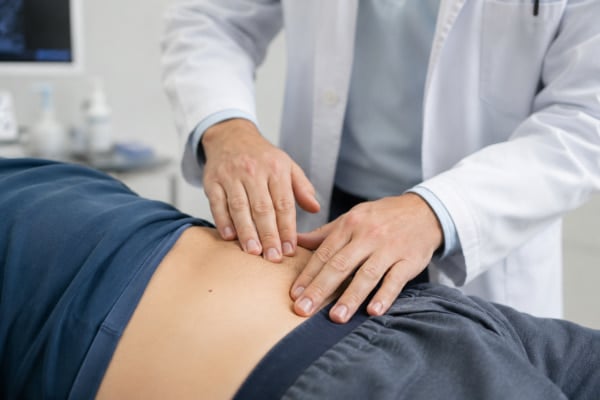
Diverticulitis is inflammation or infection of small pouches called diverticula that bulge out from the wall of your colon. Those pouches are incredibly common. By age 60, close to half of all adults have them, and most people never feel a thing.
The pouches themselves are called diverticulosis. Harmless, usually. Silent. You could have dozens and never know.
The trouble starts when one tears or gets infected. That’s diverticulitis, and it announces itself. Pain in the lower left belly. Fever. Maybe nausea, maybe a change in how often you’re going. It’s not subtle.
What Are the Symptoms of Diverticulitis?
Diverticulitis tends to cause pain low on the left side of your abdomen, often with fever and bloating. Bowel habits shift too: some people get constipated, others get diarrhea.
Watch for these:
- Pain in the lower left abdomen (the classic sign)
- Fever and chills
- Bloating or a too-full feeling
- Nausea, sometimes vomiting
- Constipation or diarrhea
- Blood in the stool
Symptoms vary a lot person to person. Some folks get knocked flat. Others barely notice. If yours stick around or get worse, see a doctor. Diverticulitis can turn into an abscess or a perforation, and those are emergencies.

What Is Acid Reflux?
Acid reflux happens when stomach acid flows backward into your esophagus, the tube running from your throat to your stomach. The muscle that’s supposed to keep acid down, the lower esophageal sphincter, gets lazy or weak and lets it slip past.
When this happens more than twice a week, doctors call it GERD. GERD affects an estimated 10 to 20 percent of adults in Western countries, so you’re in a big crowd.
And here’s something the diverticulitis-focused articles miss. Not all reflux burns. Plenty of my patients never get classic heartburn at all. They get a chronic cough, a hoarse voice, a lump-in-the-throat feeling, or the sense that food won’t go down right. That’s often silent reflux, and it gets missed for years because nobody’s chest is on fire.
What Are the Symptoms of Acid Reflux?
Acid reflux usually shows up as heartburn, but it has a whole range of less obvious signs. Here’s what to look for:
- Heartburn: a burning in the chest, worse after eating or lying down
- Regurgitation: a sour or acidic taste creeping up your throat
- Trouble swallowing, or food feeling stuck
- A cough that won’t quit, often worse at night
- Hoarseness or a raspy voice
Notice how some of these (nausea, that vague upper-belly discomfort) can blur with diverticulitis. That overlap is exactly why people get confused about which condition is doing what.
Is There a Connection Between Diverticulitis and Acid Reflux?
Yes, but it’s an indirect one. The two conditions don’t cause each other. They travel together because they share the same root causes and because a flare in one can crank up the discomfort of the other.
Think of it less like a chain and (actually, let me reframe that) more like two weeds growing from the same bad soil. Pull back to look at the soil and you see the real story.
The shared risk factors. Obesity, a low-fiber diet, not moving enough, and ongoing inflammation feed both conditions. Carrying extra weight around your middle raises pressure inside your belly, which pushes stomach acid up. That same weight and that same inactive lifestyle also raise your diverticulitis risk. One bad pattern, two problems.
How a diverticulitis flare can worsen reflux. When your colon’s inflamed, your whole midsection bloats and pressure climbs. That pressure presses on your stomach and can shove acid upward. So a colon problem ends up making your throat burn. The diverticulitis didn’t cause the reflux, but it sure made it louder.
The medication angle most people ignore. This one’s underrated. Diverticulitis often gets treated with antibiotics, and sometimes people reach for NSAIDs like ibuprofen for the pain. Both can irritate your stomach lining and stir up reflux symptoms. So the treatment for one condition can trigger the other. If you started a diverticulitis course and suddenly your reflux flared, that’s worth mentioning to your doctor.
Here’s where I’ll push back on the internet’s favorite framing. A lot of articles imply that if you “fix” your diverticulitis, your reflux will melt away. That’s mostly not how it works. If you’ve got real, ongoing reflux, it’s its own condition and it needs its own treatment. Treating the colon won’t repair a weak esophageal valve.
| Diverticulitis Symptoms | Acid Reflux Symptoms |
| Lower-left abdominal pain | Heartburn |
| Changes in bowel habits | Regurgitation |
| Fever and chills | Trouble swallowing |
| Nausea and vomiting | Chronic cough |
| Bloating | Hoarseness |
How Do You Manage Both at the Same Time?
Managing both conditions together means tackling the shared causes first, then treating each problem on its own terms. The tricky part is that some advice for one can backfire on the other, so you have to be smart about timing.
This is where the standard “eat more fiber” advice gets people in trouble.
The Fiber Problem Nobody Explains Right
For long-term colon health, fiber is your friend. A high-fiber diet keeps things moving, softens stool, and lowers the pressure that aggravates those colon pouches. Aim for 25 to 35 grams of fiber daily, increasing slowly so you don’t bloat. Research suggests a low-fiber, high-red-meat diet raises your diverticulitis risk, while high-fiber eating and less red meat lowers it.
But during an active diverticulitis flare, you do the opposite. Fiber needs to drop temporarily. Depending on how bad the flare is, that means clear liquids or a low-fiber diet to let your colon rest, then a slow return to high fiber once you’ve recovered.
So the rule is: low fiber when you’re flaring, high fiber the rest of the time. The original advice to just “stay high-fiber” can make an active flare worse. Get this timing right and you avoid a lot of pain.
Watch the Foods That Hit Both
Some foods stir up reflux specifically. The big offenders are well documented. Fatty and fried foods linger in your stomach and make acid more likely to leak up. Spicy foods, citrus, tomato sauces, and vinegar can crank up the burn. Chocolate, caffeine, onions, peppermint, fizzy drinks, and alcohol tend to make things worse too.
The annoying overlap: fatty and spicy foods irritate diverticulitis too. So cutting fried food and heavy, greasy meals does double duty. That’s the easy win. Start there.
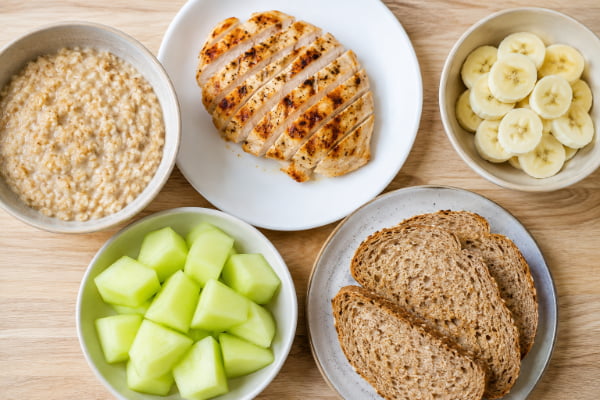
For reflux, lean toward non-citrus fruits like bananas, melons, and apples, plus lean grilled or baked meats, oatmeal, whole-grain bread, and brown rice. Several of those (the oatmeal, the whole grains) also build the fiber your colon wants once you’re past a flare.
Lifestyle Moves That Help Both
These aren’t glamorous, but they work. I’ve watched them work for years.
- Lose extra weight if you’re carrying it. This is the single highest-leverage move. Less belly pressure means less reflux, and a healthier weight lowers diverticulitis risk too.
- Eat smaller meals, more often. A stuffed stomach pushes acid up. Smaller portions ease the load on your whole gut.
- Don’t lie down after eating. Wait two to three hours. Gravity is free medicine for reflux.
- Raise the head of your bed 6 to 8 inches. Keeps acid down while you sleep. Wedge pillows work too.
- Quit smoking and ease off alcohol. Both irritate your gut top to bottom and worsen both conditions.
- Move your body. Even a daily walk helps your colon stay regular and supports weight control.
Hydration matters too, but with a catch. Drink plenty of water through the day to keep fiber working and digestion smooth. If reflux is your main issue, go easy on big gulps during meals, since a full, sloshing stomach can make reflux worse.

When Reflux Needs More Than Diet
Here’s the part I care about most, because it’s where I see people wait too long.
Diet and lifestyle fix mild reflux. For a lot of people, that’s the whole answer. But if you’re popping acid reducers every day for months and still burning, that’s not a win. That’s a signal.
Long-term reliance on these medications isn’t a cure. It manages symptoms while the underlying problem (often a weak valve or a hiatal hernia) sits there unaddressed. And ignored reflux isn’t harmless. Over years it can damage the esophagus and raise the risk of precancerous changes. I’ve seen what delayed treatment does, and it’s a lot harder to fix late.
If that’s you, a real reflux evaluation is worth it. Proper testing shows exactly what’s failing and whether a procedure could fix the mechanics instead of just muffling the symptoms. At Tampa Bay Reflux Institute, that’s the whole focus, helping people eliminate reflux and GERD at the source rather than medicating it forever. Dr. Gopal Grandhige is a board-certified surgeon who handles exactly these cases, and getting evaluated early beats waiting until there’s damage to undo.
Diverticulitis and acid reflux will keep getting tangled together in people’s minds. Now you know the truth: separate conditions, shared causes, different fixes. Sort the lifestyle basics, time your fiber right, and if your reflux won’t quit, get it looked at properly before it costs you more.
FAQs
Can diverticulitis cause acid reflux?
No, diverticulitis does not directly cause acid reflux. They affect different parts of the digestive tract. But a diverticulitis flare causes bloating and raises pressure in your abdomen, which can push stomach acid upward and make reflux feel worse. The medications used to treat diverticulitis, like antibiotics and NSAIDs, can also irritate your stomach and trigger reflux symptoms.
Are diverticulitis and acid reflux related?
They’re related only through shared risk factors, not through direct cause and effect. Obesity, a low-fiber diet, inactivity, and inflammation all raise your risk for both. That’s why the two conditions often show up in the same person. Around 10 to 20 percent of adults in Western countries deal with reflux, and many of them also carry the lifestyle factors that lead to diverticulitis.
What foods should I avoid if I have both diverticulitis and acid reflux?
Fatty and fried foods are the worst offenders because they aggravate both conditions. For reflux specifically, also limit citrus, tomato-based sauces, chocolate, caffeine, spicy foods, alcohol, and carbonated drinks. The good news is that cutting greasy and spicy food helps both problems at once, so that’s the place to start.
Should I eat high fiber if I have diverticulitis and acid reflux?
It depends on timing. For long-term colon health you want 25 to 35 grams of fiber a day, increased gradually. But during an active diverticulitis flare, you switch to a low-fiber or clear-liquid diet to let your colon rest, then build fiber back up after you recover. Eating high fiber during a flare can make it worse.
Can acid reflux make diverticulitis worse?
Not directly, but the two can feed off each other through shared inflammation and the dietary habits that trigger both. The real takeaway is that each condition needs its own treatment. Managing your reflux won’t heal your colon, and managing your colon won’t repair a weak esophageal valve.
When should I see a doctor about acid reflux?
See a specialist if you’ve been taking acid reducers daily for several months and still have symptoms, or if you have trouble swallowing, chronic cough, or hoarseness. Persistent reflux can damage the esophagus over time and raise the risk of precancerous changes. Early evaluation catches problems while they’re still easy to fix.
What’s the difference between diverticulosis and diverticulitis?
Diverticulosis means you have small pouches in your colon wall, which is extremely common and usually causes no symptoms. By age 60, nearly half of adults have them. Diverticulitis is when one of those pouches becomes inflamed or infected, causing pain, fever, and bowel changes. Diverticulosis is the quiet state; diverticulitis is the flare.


An endoscopy cannot tell you if you have reflux. It can only tell you if you have complications of GERD.
If you are unhappy with your reflux symptoms, come in and we can discuss testing and treatments that can accurately diagnose your problem.
#reflux #gerd #hiatalhernia #gastroparesis #linx

CALL US AT 813-922-2920
www.tampareflux.com
If you have a hiatal hernia and fit one of these categories, you should know your options.
Dr. Grandhige is an expert in his field and performs 200 of these surgeries a year. He is the only surgeon in the Tampa Bay Area who offers all surgical options - LINX, Fundoplications, TIF and will be one of 20 surgeons in America introducing the latest procedure RefluxStop in 2026.
We accept most insurances but will verify yours before you come in. These procedures are considered medically necessary and covered by your insurance. You can expect to pay your in-network deductibles and nothing else.
#hiatalhernia #reflux #GERD #LINX #refluxstop
What causes reflux ?
1. Weak lower esophageal sphincter
2. Hiatal hernia
3. Flattening of the Angle of His
4. Poor esophageal motility
5. Gastroparesis (slow stomach)
NOT increased acid production
Don’t let GERD get in the way of living your life. Request your appointment with us today on the link below.
.
.
.
.
https://tampareflux.com/contact-us/
Anyone can be victim to GERD and though weight loss can help reduce GERD symptoms. Many athletes with high impact workouts may continue to have these symptoms. This may be a symptom of a hiatal hernia or other issue. We are more then happy to assist you in finding your solution, just click the link below.
.
.
.
https://tampareflux.com/contact-us/
##healthylifestyle #workout #athletereflux #PPIs #heartburn #LINX #fundoplication #TIF #GERD#tampaheartburn #linx #TIF #fundoplication #tampabayreflux #GERD #acidreflux #acidrefluxsurgery #stopreflux
#nonsurgicalweightloss #ESG #gastricballoon #weightlossjourney #vsg #vsgjourney #spatz3 #orbera #orberaballoon #grandhige #DrG
#tampabayrefluxinstitute #guthealth #roboticsurgery
Heartburn may seem like an annoyance. But if you find yourself having symptoms on a daily basis, it may be time to to talk to Dr. Grandhige as it could be a symptom of something worse.
.
.
.
#chronicheartburn #gerdsymptoms #heartburnrelief #reflux #PPIs #heartburn #LINX #fundoplication #TIF #GERD#tampaheartburn #linx #TIF #fundoplication #tampabayreflux #GERD #acidreflux #acidrefluxsurgery #stopreflux
#nonsurgicalweightloss #ESG #gastricballoon #weightlossjourney #vsg #vsgjourney #spatz3 #orbera #orberaballoon #grandhige #DrG
#tampabayrefluxinstitute #guthealth #roboticsurgery
If you are tired of avoiding your favorite foods or taking daily medications, we can help.
We are the Tampa experts in reflux ! With years of experience and thousands of patients treated successfully, we offer all FDA approved anti-reflux procedures.
Call 813-922-2920 to schedule your appointment
All major insurances accepted.
Not all patients need surgical intervention. Many patients are living a heartburn free life with their PPIs. However 40% of patients taking PPIs are not getting the relief they need. If you are one of those, you have options! Come in and find out more.
.
.
.
.
#letushelpyou #medsnotworking #reflux #PPIs #heartburn #LINX #fundoplication #TIF #GERD#tampaheartburn #linx #TIF #fundoplication #tampabayreflux #GERD #acidreflux #acidrefluxsurgery #stopreflux
#nonsurgicalweightloss #ESG #gastricballoon #weightlossjourney #vsg #vsgjourney #spatz3 #orbera #orberaballoon #grandhige #DrG
#tampabayrefluxinstitute #guthealth #roboticsurgery
#heartburn #stopreflux #hiatalherniarepair #severeheartburn #reflux #tampabayreflux #acidrefluxsurgery #tampaheartburn #GERD #PPIs #achalasia #LINX #TIF #tampareflux #fundoplication #stomach #digestivehealth #ESG #obesity #overweight #weightlossjourney #gastricballoon


