
Written By: Jeffrey Atlas, Health Content Writer
Medically Reviewed By: Dr. Gopal Grandhige, MD, FACS, Board-Certified Surgeon
Last Reviewed: June 3, 2026
Citric acid and acid reflux are tied at the hip for most patients I see. If you have GERD, LPR, or chronic heartburn, foods and drinks loaded with citric acid will probably make your symptoms worse. Not always. Not for everyone. But often enough that I tell almost every reflux patient at Tampa Bay Reflux Institute to audit what’s in their cart before they audit anything else.
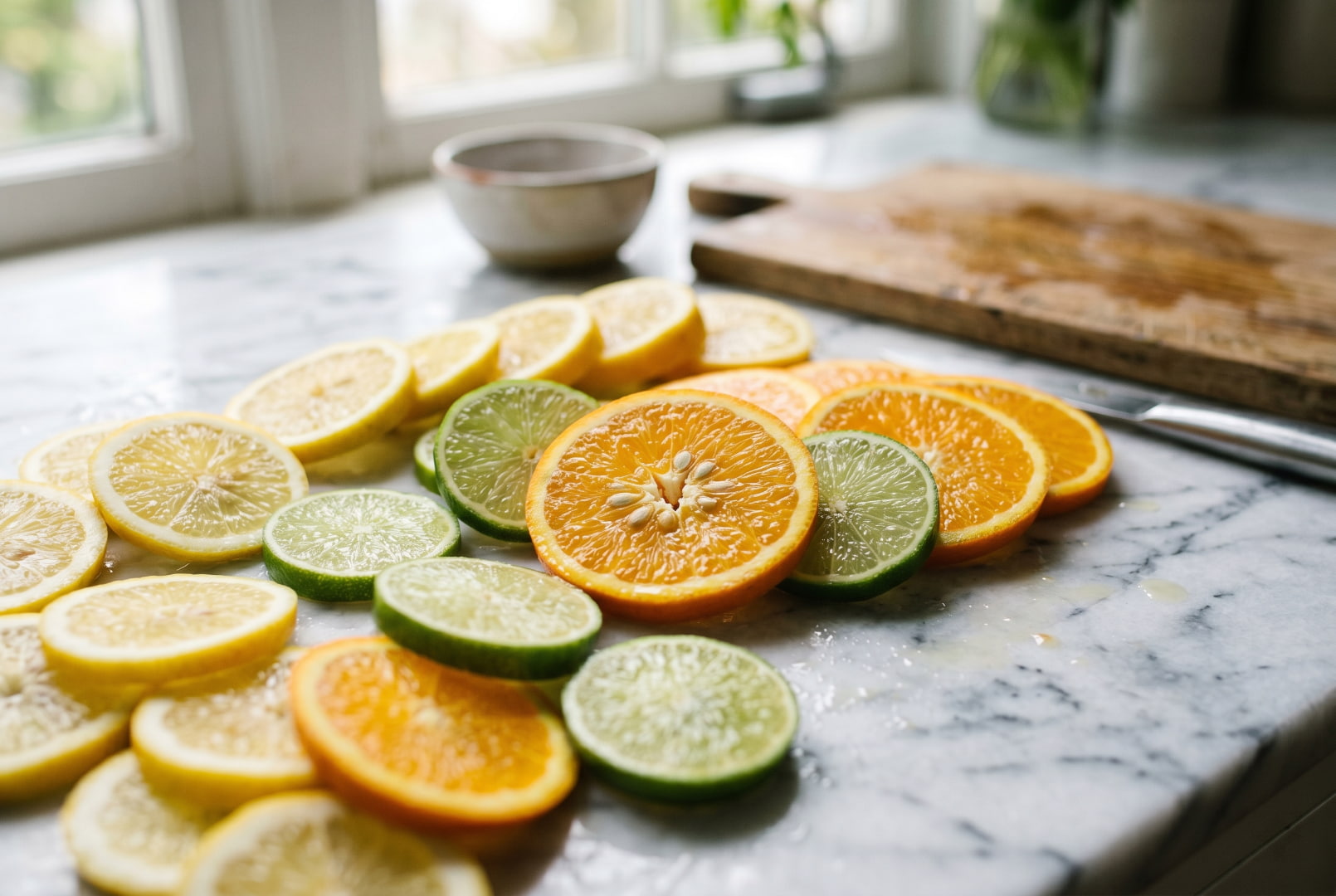
Here’s the part most articles skip. The citric acid in a fresh orange is not the same problem as the citric acid stamped on the side of a soda can. One is mild, bundled with fiber and water. The other is concentrated, dumped into a drink that’s already carbonated and acidic. The damage profile is different. The advice should be too.
What Is Citric Acid, and Why Does It Matter for Reflux?
Citric acid is a weak organic acid. It shows up naturally in citrus fruits, and a manufactured version is added to roughly half the processed food aisle as a preservative and flavor booster.
Citric acid is a naturally occurring weak acid found in citrus fruits like lemons, oranges, limes, and grapefruit. A manufactured form, made by fermenting sugars with the mold Aspergillus niger, is added to sodas, candies, sauces, canned goods, and supplements. For people with acid reflux or GERD, both forms can trigger or worsen symptoms because they lower stomach pH and may irritate an already inflamed esophagus. That’s the short version. The longer version is more interesting.
Global production runs over 2 million tons per year. Almost none of it gets squeezed out of a lemon. According to the FDA’s food additive guidance, citric acid is classified as Generally Recognized As Safe (GRAS), which is why it can be added to almost anything without a special disclosure beyond the ingredient label. Read the back of a “natural” lemonade. Then read a sports drink. Same compound, different costume.
Is Citric Acid Bad for Acid Reflux?
Yes, for most people with GERD or LPR. Citric acid lowers the pH of stomach contents, and if those contents wash back up, the esophagus takes the hit.
Your stomach is built to handle acid. The esophagus isn’t. When the lower esophageal sphincter (the LES) is weak or relaxes at the wrong time, acidic stomach contents move backward. That’s reflux. Daily citrus intake has been linked to a higher risk of GERD symptoms in peer-reviewed reviews of dietary risk factors.
I’ve watched this play out hundreds of times in clinic. A patient swears they “eat clean.” Then we pull the food log. Lemon water every morning. Vinaigrette on the lunch salad. A “vitamin C boost” drink in the afternoon. Three acid sources before dinner. They’re not eating clean. They’re eating acidic.
LPR, also called silent reflux, is the version where most patients don’t even feel heartburn. They get throat clearing, chronic cough, hoarseness, post-nasal drip. Citric acid hits this group hard because the larynx has even less tolerance for acid than the esophagus does. And here’s the kicker: PPIs often don’t fix it, because LPR involves non-acid and weakly acidic reflux too.
Manufactured Citric Acid vs. The Real Stuff
Roughly 99% of the citric acid in your pantry was never inside a fruit. It’s made commercially by feeding sugars to Aspergillus niger (a fungus, sometimes called black mold) and then purifying the result into a white crystalline powder. Cheap. Shelf-stable. Tasteless on its own.
This matters for one reason. The citric acid in a fresh-squeezed orange comes with fiber, water, vitamin C, and antioxidants. The citric acid in a flavored seltzer comes with carbonation (which distends the stomach and pushes on the LES) and zero buffering.
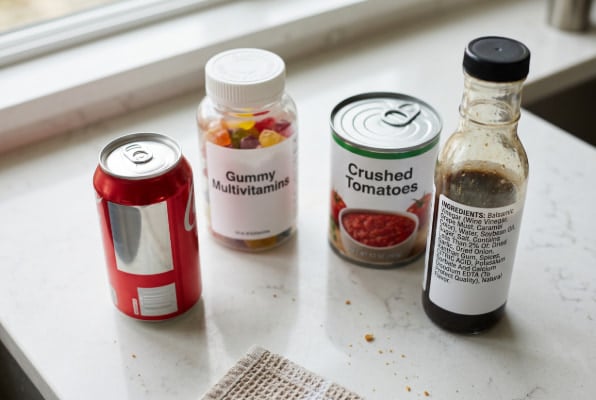
Time for a contrarian take. Most reflux articles tell you to “avoid citrus.” Fine. But they don’t mention that the bigger volume offender for most patients is processed food and drink with added citric acid. You can stop eating oranges and still be flooding your esophagus through soda, candy, salad dressing, and gummy vitamins.
Common sources of added citric acid:
- Soft drinks and flavored seltzers
- Hard candy and gummies
- Canned tomatoes, soups, and sauces
- Bottled salad dressings
- Frozen fruit products
- Powdered drink mixes
- Many gummy and chewable supplements
- Some prescription and over-the-counter liquid medications
If your reflux flares and you can’t figure out why, this list is where I’d start.
What Foods Naturally Contain Citric Acid?
Citrus fruits are the obvious ones. Some berries and tropical fruits carry smaller amounts.
Higher citric acid (typical triggers):
- Lemons
- Limes
- Oranges
- Grapefruit
- Tangerines and mandarins
- Pineapple
Lower citric acid (sometimes tolerated in small portions):
- Strawberries
- Raspberries
- Cranberries
- Cherries
Tolerance is personal. Some patients can eat half a cup of strawberries without trouble and react badly to a single orange slice. The only way to know your line is to track what you eat and how you feel two to four hours later.
What About Tomatoes and Malic Acid?
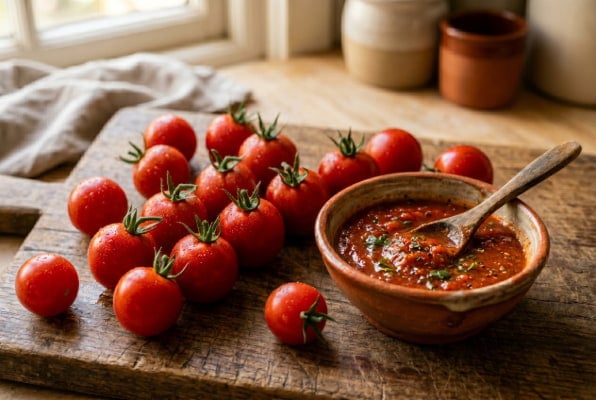
Tomatoes are a top-five reflux trigger. They pack citric acid, malic acid, and a fair share of natural sugar that ferments fast in the gut. Cooked tomatoes can be worse than raw, because reducing a sauce concentrates the acid.
Malic acid is another weak organic acid found in apples, grapes, pears, cherries, and some vegetables. It’s milder than citric acid. On its own, it’s rarely the problem.
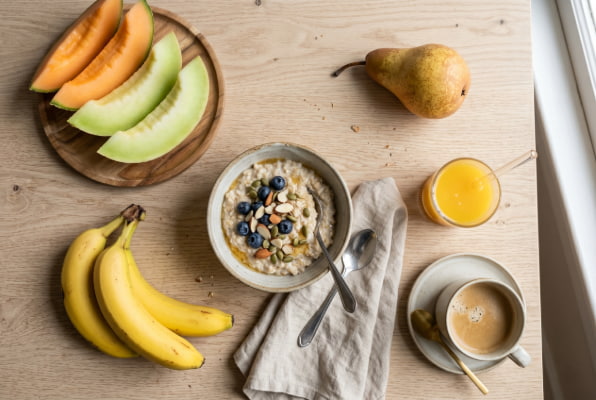
Now, the framing I see copy-pasted across most GERD blogs lumps apples and bananas in with malic-acid foods to avoid. That’s lazy. Harvard Health lists bananas, melons, apples, and pears as non-citrus fruits that are typically safe for GERD patients. Our own clinical write-up on whether apples cause acid reflux notes that while tart green varieties like Granny Smith can bother sensitive stomachs, sweeter varieties like Fuji and Gala are usually fine.
So no, you don’t need to fear malic acid the way you fear citric acid. You do need to be honest about what you’re stacking. Three malic-acid foods plus a glass of wine plus a late dinner is a different equation than one apple at lunch.
Citric Acid and Acid Reflux: Foods to Limit vs. Eat Freely
Here’s the practical table I wish more patients had on their fridge.
| Limit or Avoid | Generally Safe Swap |
| Orange juice, lemonade | Filtered water, weak herbal tea (not peppermint) |
| Tomato sauce, ketchup | Pesto, olive oil and herbs |
| Citrus fruits | Bananas, melons, papaya |
| Soda and flavored seltzers | Still water, weak ginger tea |
| Sour candy | A small piece of dark chocolate (test your tolerance) |
| Vinaigrette dressings | Olive oil with fresh herbs |
| Gummy vitamins | Tablet or capsule alternatives |
| Canned soups with citric acid | Homemade broth-based soups |
This isn’t a forever list. It’s a flare-up list. When symptoms are calm, most patients can reintroduce small amounts and find their own ceiling.
Can You Ever Eat Acidic Foods With GERD?
Yes, with caveats. Severity matters. Timing matters. Volume matters.
Three rules that help patients I work with most often:
- Don’t eat acidic foods on an empty stomach. Buffer them with something neutral first.
- Don’t combine multiple acid sources in one meal. Tomato, citrus, vinegar, and wine in the same sitting is asking for trouble.
- Don’t eat anything acidic within three hours of lying down. The ACG’s clinical guidelines on GERD specifically flag late eating as one of the strongest modifiable risk factors.
Actually, let me correct that last point. Three hours is the minimum. For severe reflux patients, four hours is a better target. Worth saying out loud.

When Diet Isn’t Enough: The Mechanical Side of Reflux
This is where most articles stop. I’m not going to.
About 20% of US adults have GERD, and a significant share remain on PPIs for years despite known long-term concerns: kidney issues, bone fractures, certain infections, and questions about progression to Barrett’s esophagus. Roughly 7% of GERD patients develop Barrett’s, which raises esophageal cancer risk. That’s not a number to ignore.
Here’s what I see most often: patients spend years cycling through stricter and stricter diets, then stronger and stronger acid suppressants. They never get the structural workup. And reflux, in most chronic cases, is a mechanical problem first. A weak LES. A hiatal hernia pulling the stomach above the diaphragm. Delayed gastric emptying that lets food and acid sit longer than they should.
Diet helps. Diet rarely fixes any of that.
If you’ve been on a PPI for more than a year and you’re still managing your meals like you’re walking on glass, that’s a sign to get evaluated by a foregut specialist. Objective testing (pH studies off medication, manometry, sometimes EndoFLIP) tells you whether the problem is acid exposure, motility, or both. Without that workup, surgery is a guess.
At Tampa Bay Reflux Institute, Dr. Gopal Grandhige is a board-certified surgeon focused specifically on foregut disease. We help patients get off long-term acid suppression by fixing the mechanical cause when one exists. Options include LINX magnetic sphincter augmentation, transoral incisionless fundoplication (TIF), and traditional fundoplication for larger hernias. The right choice depends on your anatomy, your reflux pattern, and your goals, not a brochure.
Five-year data on LINX shows GERD health-related quality of life scores stay improved in 83 to 89% of patients. TIF 2.0 keeps roughly three-quarters of patients off or on reduced PPIs through six years in published cohorts. These aren’t perfect procedures. Nothing is. But for the right patient with the right workup, they beat another decade on omeprazole.
What to Ask Before You Have Reflux Surgery
If you’re at the point of considering a procedure, the questions you ask matter as much as the procedure itself. A few that I’d want answered if I were the patient:
- How many anti-reflux procedures does the surgeon do per year?
- What’s their personal reoperation rate?
- Was a full workup done (pH study, manometry, upper endoscopy)?
- Why was this specific procedure chosen over the alternatives?
- What does follow-up look like at one year, five years, ten years?
A high-volume foregut surgeon should be able to answer all of those without flinching.
Citric acid is one piece of the reflux puzzle. It’s not the whole puzzle. Get it out of the chaos of your daily diet, and you’ll get a clearer signal on what’s actually driving your symptoms. If the signal still says “reflux every day,” it’s time to look at the machinery.
FAQs
Is citric acid bad for acid reflux?
For most people with GERD or LPR, yes. Citric acid lowers the pH of stomach contents and can irritate an inflamed esophagus when reflux occurs. Reviews of dietary risk factors have linked daily citrus intake to a higher risk of GERD symptoms. Tolerance varies, so a food and symptom journal kept for two weeks is the most reliable way to find your personal line.
What foods have hidden citric acid?
Manufactured citric acid is added to sodas, flavored seltzers, candy, canned tomatoes, salad dressings, frozen meals, powdered drink mixes, and many gummy supplements. About 99% of commercial citric acid is produced through fungal fermentation rather than extracted from fruit. Global production now exceeds 2 million tons per year. Reading ingredient labels is the only way to spot it.
Does citric acid make LPR or silent reflux worse?
Often, yes. LPR involves non-acid and weakly acidic reflux reaching the throat and larynx, which has less tolerance for acid than the esophagus does. Many LPR patients report flares from sodas and electrolyte drinks high in citric acid, even when they’re on a PPI. For PPI-refractory LPR, a structural workup is usually a better next step than another diet.
Can I eat apples if I have GERD?
For most people, yes. Apples have a pH between 3.3 and 4.0 and produce an alkalizing effect after digestion. Sweet varieties like Fuji and Gala are usually well tolerated. Tart green apples like Granny Smith carry more malic acid and may bother sensitive stomachs.
Does citric acid in supplements cause heartburn?
It can. Gummy vitamins, chewable supplements, and effervescent tablets often contain citric acid as a stabilizer or flavor agent. If you take supplements daily and notice morning reflux, switching to a tablet or capsule version is a low-cost test worth running for two weeks.
How do I know if my GERD needs surgery instead of more diet changes?
The standard threshold is PPI-refractory symptoms: meaningful reflux despite six months on maximum medical therapy. Objective pH testing off medication and esophageal manometry should confirm the diagnosis before any surgical decision. About 20% of US adults have GERD, and many stay on PPIs for years without ever getting that structural workup.
What’s the difference between LINX, TIF, and fundoplication?
LINX is a small magnetic ring placed around the LES to keep it closed between swallows. TIF is an incisionless endoscopic procedure that rebuilds the valve from inside the stomach. Fundoplication wraps part of the stomach around the lower esophagus and is the most durable option for larger hiatal hernias. Five-year LINX data shows quality-of-life success in 83 to 89% of patients in published cohorts. Choice depends on anatomy, hernia size, and reflux pattern.


An endoscopy cannot tell you if you have reflux. It can only tell you if you have complications of GERD.
If you are unhappy with your reflux symptoms, come in and we can discuss testing and treatments that can accurately diagnose your problem.
#reflux #gerd #hiatalhernia #gastroparesis #linx

CALL US AT 813-922-2920
www.tampareflux.com
If you have a hiatal hernia and fit one of these categories, you should know your options.
Dr. Grandhige is an expert in his field and performs 200 of these surgeries a year. He is the only surgeon in the Tampa Bay Area who offers all surgical options - LINX, Fundoplications, TIF and will be one of 20 surgeons in America introducing the latest procedure RefluxStop in 2026.
We accept most insurances but will verify yours before you come in. These procedures are considered medically necessary and covered by your insurance. You can expect to pay your in-network deductibles and nothing else.
#hiatalhernia #reflux #GERD #LINX #refluxstop
What causes reflux ?
1. Weak lower esophageal sphincter
2. Hiatal hernia
3. Flattening of the Angle of His
4. Poor esophageal motility
5. Gastroparesis (slow stomach)
NOT increased acid production
Don’t let GERD get in the way of living your life. Request your appointment with us today on the link below.
.
.
.
.
https://tampareflux.com/contact-us/
Anyone can be victim to GERD and though weight loss can help reduce GERD symptoms. Many athletes with high impact workouts may continue to have these symptoms. This may be a symptom of a hiatal hernia or other issue. We are more then happy to assist you in finding your solution, just click the link below.
.
.
.
https://tampareflux.com/contact-us/
##healthylifestyle #workout #athletereflux #PPIs #heartburn #LINX #fundoplication #TIF #GERD#tampaheartburn #linx #TIF #fundoplication #tampabayreflux #GERD #acidreflux #acidrefluxsurgery #stopreflux
#nonsurgicalweightloss #ESG #gastricballoon #weightlossjourney #vsg #vsgjourney #spatz3 #orbera #orberaballoon #grandhige #DrG
#tampabayrefluxinstitute #guthealth #roboticsurgery
Heartburn may seem like an annoyance. But if you find yourself having symptoms on a daily basis, it may be time to to talk to Dr. Grandhige as it could be a symptom of something worse.
.
.
.
#chronicheartburn #gerdsymptoms #heartburnrelief #reflux #PPIs #heartburn #LINX #fundoplication #TIF #GERD#tampaheartburn #linx #TIF #fundoplication #tampabayreflux #GERD #acidreflux #acidrefluxsurgery #stopreflux
#nonsurgicalweightloss #ESG #gastricballoon #weightlossjourney #vsg #vsgjourney #spatz3 #orbera #orberaballoon #grandhige #DrG
#tampabayrefluxinstitute #guthealth #roboticsurgery
If you are tired of avoiding your favorite foods or taking daily medications, we can help.
We are the Tampa experts in reflux ! With years of experience and thousands of patients treated successfully, we offer all FDA approved anti-reflux procedures.
Call 813-922-2920 to schedule your appointment
All major insurances accepted.
Not all patients need surgical intervention. Many patients are living a heartburn free life with their PPIs. However 40% of patients taking PPIs are not getting the relief they need. If you are one of those, you have options! Come in and find out more.
.
.
.
.
#letushelpyou #medsnotworking #reflux #PPIs #heartburn #LINX #fundoplication #TIF #GERD#tampaheartburn #linx #TIF #fundoplication #tampabayreflux #GERD #acidreflux #acidrefluxsurgery #stopreflux
#nonsurgicalweightloss #ESG #gastricballoon #weightlossjourney #vsg #vsgjourney #spatz3 #orbera #orberaballoon #grandhige #DrG
#tampabayrefluxinstitute #guthealth #roboticsurgery
#heartburn #stopreflux #hiatalherniarepair #severeheartburn #reflux #tampabayreflux #acidrefluxsurgery #tampaheartburn #GERD #PPIs #achalasia #LINX #TIF #tampareflux #fundoplication #stomach #digestivehealth #ESG #obesity #overweight #weightlossjourney #gastricballoon


