

Written By: Dr. Ahmad Saad, Health Content Writer
Medically Reviewed By: Dr. Gopal Grandhige, MD, FACS, Board-Certified Surgeon
Last Reviewed: January 21, 2026
Yes, skipping meals can trigger heartburn. When you skip meals, your stomach continues producing hydrochloric acid in anticipation of food. Without anything to digest, this acid accumulates in your empty stomach, leading to irritation and allowing acid to travel upward into the esophagus, causing that characteristic burning sensation behind your breastbone.
Quick Answer Summary
- Skipping meals causes acid buildup because your body prepares for digestion on a predictable schedule
- Empty stomach heartburn is real and affects people who go extended periods without eating
- 20% of Americans have GERD (gastroesophageal reflux disease), which causes frequent heartburn
- Prevention strategy: Eat moderate portions at regular intervals throughout the day to keep acid levels balanced
This article explains the science behind hunger-induced heartburn, how meal timing affects acid reflux, practical strategies for managing symptoms, when to seek medical advice, and treatment options for GERD.
How Your Eating Patterns Influence Heartburn
Research indicates that your eating behaviors may play a role in when GERD symptoms manifest. Studies point to consuming large portions, eating close to bedtime, and inconsistent meal timing as potential risk factors for triggering GERD symptoms.
Researchers have also identified certain lifestyle choices, such as tobacco use and insufficient exercise, as contributors to GERD symptoms. Furthermore, numerous studies indicate that specific foods and beverages can act as heartburn triggers.
A 2019 analysis reinforces that particular dietary items may elevate your chances of experiencing GERD symptoms. These items consist of:
- Acidic foods and beverages
- Fizzy drinks
- Coffee
- Alcoholic beverages
- Chocolate
- Mint products
- Spicy cuisine
- High-fat and high-carbohydrate meals
The analysis also revealed that specific eating patterns, such as nighttime eating or consuming large, calorie-rich meals, may boost stomach acid levels and cause stomach expansion, leading to GERD symptoms like heartburn.
On the flip side, when someone goes without food for extended periods, stomach acid can accumulate as the body prepares to digest the upcoming meal. This buildup may trigger hunger discomfort and lead to acid reflux symptoms, including heartburn.
The Science Behind Hunger-Induced Heartburn
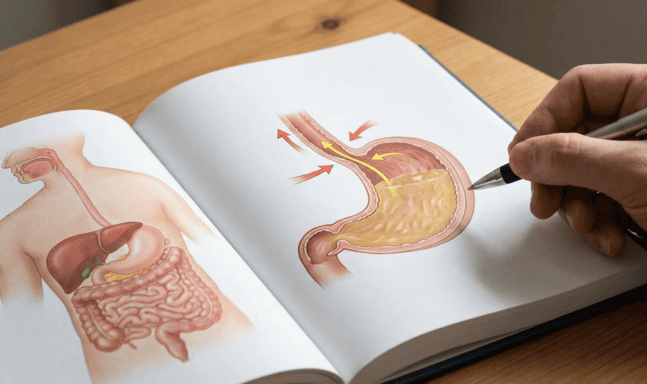
When you skip meals, your stomach doesn’t stop producing acid. It actually ramps up production in anticipation of food. This biological response is your body’s way of preparing for digestion, but without food to process, that acid has nowhere to go. The accumulation of gastric juices in an empty stomach can lead to irritation and create the perfect conditions for acid to travel upward into the esophagus. This explains why many people experience that burning sensation or discomfort when they’ve gone too long without eating, even though conventional wisdom might suggest an empty stomach would produce less acid-related problems.
The stomach produces hydrochloric acid continuously as part of its normal digestive function. This acid serves multiple purposes, including breaking down proteins, activating digestive enzymes, and destroying harmful bacteria that may enter through food. Your body operates on a predictable rhythm, anticipating meal times based on your established patterns. When you skip a meal your body expects, acid production continues regardless, leaving you vulnerable to the uncomfortable effects of excess stomach acid with nothing to neutralize it. Conditions like silent reflux can also be affected by irregular eating patterns.
Breaking the Cycle: Regular Eating for Acid Control
Maintaining a consistent eating schedule is one of the most practical ways to prevent heartburn episodes. Instead of waiting until you’re extremely hungry, which triggers maximum acid production, aim to eat moderate portions at regular intervals throughout the day. This approach keeps your stomach’s acid levels balanced and ensures there’s always food present to absorb excess acid. Think of it as maintaining equilibrium in your digestive system rather than forcing it through extreme cycles of emptiness and fullness, both of which can trigger uncomfortable symptoms.
Consider adopting a structured meal plan that includes three moderate meals with healthy snacks in between if needed. This steady approach prevents the dramatic spikes in acid production that occur when you skip meals and then overeat later to compensate. Many people find that eating smaller, more frequent meals throughout the day not only reduces heartburn but also helps maintain stable energy levels and prevents the intense hunger that can lead to poor food choices. For those with gastroparesis, regular small meals are particularly important.

The Connection Between Meal Timing and Nighttime Heartburn
The timing of your meals plays a crucial role in managing heartburn symptoms, particularly in the evening hours. When you skip meals during the day, you’re more likely to eat a larger dinner or snack late at night, which creates a perfect storm for nighttime heartburn. Lying down with a full stomach makes it easier for acid to flow backward into the esophagus since gravity is no longer helping keep stomach contents where they belong.
Planning your last meal at least three hours before bedtime gives your stomach adequate time to begin digesting food and reduces the volume of stomach contents that could potentially reflux while you sleep. If you’ve skipped meals earlier in the day and find yourself hungry before bed, opt for a light, easily digestible snack rather than a heavy meal. Foods like bananas, oatmeal, or whole grain toast can satisfy hunger without overwhelming your digestive system. Issues like hiatal hernias can make nighttime reflux even more problematic.
Understanding GERD Symptoms
Beyond heartburn, individuals with GERD might also encounter these symptoms:
- Regurgitation, tasting stomach acid or food as stomach contents rise through the esophagus into the throat or mouth
- Nausea
- Chest discomfort
- Trouble swallowing
- Chronic coughing or voice hoarseness
- Painful swallowing
- Laryngitis
- Dental enamel erosion
Recognizing these symptoms is important because gastroesophageal reflux disease can affect more than just your digestive comfort. The chronic exposure of your esophagus, throat, and mouth to stomach acid can lead to complications over time, including damage to the esophageal lining and increased risk of developing more serious conditions if left untreated. Swallowing difficulties may also indicate conditions like achalasia.
Strategies for Heartburn Relief
These approaches may help alleviate your heartburn:
- Using over-the-counter remedies like antacids
- Refraining from eating within 3 hours of bedtime
- Raising the head portion of your bed or adding extra pillows to elevate your head during sleep
- Consulting with a physician about restricting certain trigger foods and beverages for heartburn, including acidic items, chocolate, caffeine-containing products, and spicy dishes
Additionally, keeping a food diary can help you identify personal trigger foods and eating patterns that worsen your symptoms. Everyone’s digestive system responds differently, and what causes heartburn and acid reflux for one person might not affect another. Tracking your meals, timing, and symptoms can provide valuable insights for both you and your healthcare provider.
Staying hydrated throughout the day is another simple yet effective strategy. Water helps dilute stomach acid and supports proper digestion. However, avoid drinking large quantities of liquid immediately before or during meals, as this can contribute to stomach distension and increase reflux risk. For more detailed information, visit MedlinePlus heartburn resources.
Treatment Options for GERD
Multiple treatment approaches exist for individuals managing GERD. Healthcare providers may suggest various treatments based on symptom severity and individual circumstances. Available treatment options include:
Lifestyle modifications such as weight reduction for those with excess weight or obesity, smoking cessation, and dietary and eating habit adjustments. For patients seeking weight management support, incisionless weight loss procedures may be considered.
Medication options including over-the-counter or prescription drugs such as antacids and acid reducers, proton pump inhibitors, and H2 blockers.
Surgical interventions, including fundoplication procedures or bariatric operations like gastric banding for cases that don’t respond to other treatments. Advanced options like the LINX Reflux Management System and TIF (transoral incisionless fundoplication) offer minimally invasive alternatives for patients seeking long-term reflux relief.

When to Seek Medical Advice
You should consult a healthcare provider if you suspect you’re dealing with GERD or if your GERD symptoms, such as persistent heartburn, don’t respond to treatment.
Furthermore, seek medical attention if you experience:
- Repeated vomiting episodes
- Painful swallowing
- Decreased appetite
- Swallowing difficulties
- Chest pain
- Bloody stools
- Blood in vomit
Only a healthcare professional can definitively confirm whether you have GERD or another condition with comparable symptoms through proper diagnosis. Don’t hesitate to reach out to your doctor if heartburn is affecting your quality of life or if you’re relying on over-the-counter medications more than twice a week to manage symptoms. Finding the best hiatal hernia doctors in Tampa can make a significant difference in your treatment outcomes. Tampa Reflux specialists provide comprehensive digestive health care, and you can learn more about their expert team and approach to treating heartburn and abdominal issues.
Conclusion
Understanding the relationship between your eating patterns and heartburn is essential for managing GERD symptoms effectively. Skipping meals can indeed trigger heartburn because your stomach continues producing acid in anticipation of food, and without anything to digest, this acid can irritate your stomach lining and flow back into your esophagus. By maintaining a consistent eating schedule with moderate portions throughout the day, avoiding late-night meals, and identifying your personal trigger foods, you can significantly reduce heartburn episodes and improve your overall digestive health. Remember that while occasional heartburn is common, persistent symptoms warrant a conversation with your healthcare provider to rule out GERD and explore appropriate treatment options tailored to your specific needs. For more information about digestive health conditions and treatments, visit the Tampa Reflux blog or schedule a consultation with a specialist.
FAQs
Can I get heartburn even if I haven’t eaten anything?
Yes, heartburn can occur on an empty stomach because your body continues producing acid in preparation for meals. Without food present to absorb this acid, it can accumulate and cause irritation or reflux into your esophagus.
How long should I wait between my last meal and bedtime?
You should wait at least three hours after eating before lying down or going to bed. This gives your stomach adequate time to digest food and reduces the risk of acid flowing backward while you sleep.
Are there any foods that can help prevent heartburn?
Foods like bananas, oatmeal, whole grain toast, and other low-acid, easily digestible options can help manage heartburn. Maintaining regular meals with these gentler foods helps keep stomach acid levels balanced throughout the day.
How often should I eat to prevent hunger-induced heartburn?
Aim for three moderate meals with healthy snacks in between if needed to maintain consistent eating patterns. This approach prevents dramatic spikes in acid production that occur when you skip meals and helps keep your digestive system balanced.
When should I see a doctor about my heartburn?
Consult a healthcare provider if you experience heartburn more than twice a week, if over-the-counter medications aren’t providing relief, or if you have additional symptoms like difficulty swallowing, chest pain, or blood in vomit or stools. These could indicate GERD or other serious conditions requiring medical attention.


An endoscopy cannot tell you if you have reflux. It can only tell you if you have complications of GERD.
If you are unhappy with your reflux symptoms, come in and we can discuss testing and treatments that can accurately diagnose your problem.
#reflux #gerd #hiatalhernia #gastroparesis #linx

CALL US AT 813-922-2920
www.tampareflux.com
If you have a hiatal hernia and fit one of these categories, you should know your options.
Dr. Grandhige is an expert in his field and performs 200 of these surgeries a year. He is the only surgeon in the Tampa Bay Area who offers all surgical options - LINX, Fundoplications, TIF and will be one of 20 surgeons in America introducing the latest procedure RefluxStop in 2026.
We accept most insurances but will verify yours before you come in. These procedures are considered medically necessary and covered by your insurance. You can expect to pay your in-network deductibles and nothing else.
#hiatalhernia #reflux #GERD #LINX #refluxstop
What causes reflux ?
1. Weak lower esophageal sphincter
2. Hiatal hernia
3. Flattening of the Angle of His
4. Poor esophageal motility
5. Gastroparesis (slow stomach)
NOT increased acid production
Don’t let GERD get in the way of living your life. Request your appointment with us today on the link below.
.
.
.
.
https://tampareflux.com/contact-us/
Anyone can be victim to GERD and though weight loss can help reduce GERD symptoms. Many athletes with high impact workouts may continue to have these symptoms. This may be a symptom of a hiatal hernia or other issue. We are more then happy to assist you in finding your solution, just click the link below.
.
.
.
https://tampareflux.com/contact-us/
##healthylifestyle #workout #athletereflux #PPIs #heartburn #LINX #fundoplication #TIF #GERD#tampaheartburn #linx #TIF #fundoplication #tampabayreflux #GERD #acidreflux #acidrefluxsurgery #stopreflux
#nonsurgicalweightloss #ESG #gastricballoon #weightlossjourney #vsg #vsgjourney #spatz3 #orbera #orberaballoon #grandhige #DrG
#tampabayrefluxinstitute #guthealth #roboticsurgery
Heartburn may seem like an annoyance. But if you find yourself having symptoms on a daily basis, it may be time to to talk to Dr. Grandhige as it could be a symptom of something worse.
.
.
.
#chronicheartburn #gerdsymptoms #heartburnrelief #reflux #PPIs #heartburn #LINX #fundoplication #TIF #GERD#tampaheartburn #linx #TIF #fundoplication #tampabayreflux #GERD #acidreflux #acidrefluxsurgery #stopreflux
#nonsurgicalweightloss #ESG #gastricballoon #weightlossjourney #vsg #vsgjourney #spatz3 #orbera #orberaballoon #grandhige #DrG
#tampabayrefluxinstitute #guthealth #roboticsurgery
If you are tired of avoiding your favorite foods or taking daily medications, we can help.
We are the Tampa experts in reflux ! With years of experience and thousands of patients treated successfully, we offer all FDA approved anti-reflux procedures.
Call 813-922-2920 to schedule your appointment
All major insurances accepted.
Not all patients need surgical intervention. Many patients are living a heartburn free life with their PPIs. However 40% of patients taking PPIs are not getting the relief they need. If you are one of those, you have options! Come in and find out more.
.
.
.
.
#letushelpyou #medsnotworking #reflux #PPIs #heartburn #LINX #fundoplication #TIF #GERD#tampaheartburn #linx #TIF #fundoplication #tampabayreflux #GERD #acidreflux #acidrefluxsurgery #stopreflux
#nonsurgicalweightloss #ESG #gastricballoon #weightlossjourney #vsg #vsgjourney #spatz3 #orbera #orberaballoon #grandhige #DrG
#tampabayrefluxinstitute #guthealth #roboticsurgery
#heartburn #stopreflux #hiatalherniarepair #severeheartburn #reflux #tampabayreflux #acidrefluxsurgery #tampaheartburn #GERD #PPIs #achalasia #LINX #TIF #tampareflux #fundoplication #stomach #digestivehealth #ESG #obesity #overweight #weightlossjourney #gastricballoon


