

Written By: Dr. Ahmad Saad, Health Content Writer
Medically Reviewed By: Dr. Gopal Grandhige, MD, FACS, Board-Certified Surgeon
Last Reviewed: January 14, 2026
Can hiatal hernias cause ulcers? Yes, hiatal hernias can directly cause esophageal ulcers (called Cameron ulcers or Cameron lesions) when stomach acid repeatedly damages the esophageal lining due to gastroesophageal reflux.
What’s the difference between hiatal hernias and ulcers? A hiatal hernia occurs when part of the stomach pushes through the diaphragm muscle into the chest cavity, while ulcers are open sores in the digestive tract lining. Hiatal hernias cause acid reflux that can lead to esophageal ulcers, meaning these conditions are related, one can cause the other.
Key facts about hiatal hernias and ulcers:
- Hiatal hernia types: Two main types exist, sliding hernias (most common) and paraesophageal hernias (more severe symptoms)
- Common symptoms: Heartburn, chest pain, difficulty swallowing, belching, and fullness in the chest
- Risk factors: More common in overweight individuals, elderly populations, and those with chronic coughing or constipation
- Ulcer formation: Continuous acid exposure from hiatal hernias damages the esophagus, creating ulcers that can bleed and cause iron-deficiency anemia
- Treatment options: Range from medications and lifestyle changes to minimally invasive or open surgery, depending on severity
- Serious complications without treatment: Barrett’s Esophagus, chronic bleeding, anemia, respiratory problems, and increased cancer risk
When to see a doctor: Seek medical attention if you experience persistent heartburn, difficulty swallowing, chest pain, unexplained abdominal discomfort, or signs of bleeding (dark stools, fatigue from anemia).
Both conditions respond well to treatment when diagnosed early, with many patients finding relief through proper medical management and, when necessary, surgical intervention.
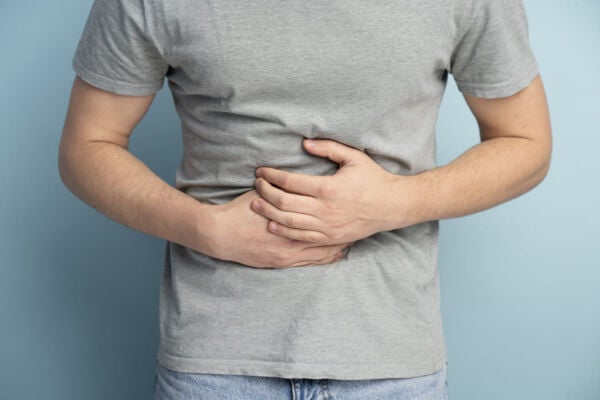
Understanding Hiatal Hernias
The diaphragm functions as a substantial, wall-to-wall muscle (extending from one side of the abdominal/thoracic cavities to the opposite side) with high elasticity that divides the upper portion (thoracic cavity) of the human torso from the lower section (abdominal cavity).
This muscle serves multiple purposes, with two primary functions being:
Separating the vital chest organs above (heart, lungs, esophagus, and others) from the abdominal organs below (intestines, kidneys, bladder, pancreas, liver, and others); and
Assisting with respiration by expanding the lungs to intake air each time it undergoes contraction.
The muscle creates an opening (the hiatus) allowing the esophagus to reach the stomach, enabling food passage from the mouth downward. When any weakening develops in this muscle around the hiatus, a portion of the stomach may push abnormally through the diaphragm into the thoracic cavity, resulting in what’s termed a “stomach hernia.”
Notably, hiatal hernias exist in two varieties: a paraesophageal type and a “sliding” type. While the sliding type occurs more frequently than the paraesophageal, the latter can produce more serious symptoms; however, both types may lead to gastroesophageal reflux disease, commonly known as GERD.
Factors such as congenital hiatus enlargement, elevated stomach pressure, constipation, persistent coughing, prior surgeries and injuries, existing diseases, heavy lifting, and vomiting can all contribute to hernia development. Though anyone can develop a hiatal hernia, they appear more frequently in overweight individuals and elderly populations.
Recognizing Hiatal Hernia Symptoms
Frequently, individuals remain unaware of having a hiatal hernia due to minimal or only slight symptoms. Such hernias are often detected during medical imaging or examinations conducted for unrelated (or potentially related) conditions. Detection may occur through endoscopy or medical imaging techniques (such as chest X-rays).
However, as hernias increase in size or severity, these symptoms may emerge:
- Belching
- Heartburn
- Abdominal discomfort or pain
- Difficulty swallowing
- Sensation of “fullness” in the chest area
- Nausea
- Respiratory difficulties or asthma
- Esophageal ulcers (caused by highly corrosive acidic fluids abnormally forced upward into the esophagus)
- Bleeding (typically from ulcers that may rupture)
- Chest pain resembling a heart attack, meaning it can be severe, ongoing, and chronic

Effects of Hernias and GERD on Your Esophagus
When a hiatal hernia worsens or remains untreated (perhaps because it hasn’t been discovered or diagnosed yet), one dangerous possibility is that stomach acid may cause substantial damage to the esophageal lining. Progressively, erosive esophagitis (severe esophageal irritation) may develop, initially causing minor symptoms and possibly some swallowing difficulty or discomfort during swallowing.
Over time, as the condition deteriorates, a hiatal hernia patient (combined with other contributing elements, such as excessive stomach acid production and the bacterium H. pylori frequently present in these cases) may experience dangerous complications like Barrett’s Esophagus, heartburn, belching/gas, scarring, and ulcers.
Regarding these “ulcers,” they must be differentiated from peptic ulcers, which typically develop along the stomach lining or the initial intestinal segment (duodenum). The ulcer types under discussion here, however, appear higher in the digestive tract, specifically, the esophagus; additionally, these ulcers may be described using various terminologies or classifications. Three distinct terms include hiatal hernia ulcers, erosions or Cameron ulcers, and discrete esophageal ulcers.
What’s crucial to remember about these ulcers is that they result directly from continuous acid damage to the esophagus and, without treating the underlying conditions, serious long-term complications may follow, including bleeding leading to iron-deficiency anemia, respiratory difficulties, severe coughing, sleep apnea, and cancer.
The key point is that hiatal hernias can cause ulcers. In most instances, however, medication and surgery can restore normal function, including reducing and potentially eliminating stomach acid reflux into the esophagus. Once achieved, treatment focuses on helping the esophagus heal properly.
Unfortunately, existing damage may also necessitate surgical intervention; alternatively, medications, lifestyle modifications, and dietary adjustments may be prescribed that can promote esophageal healing over time. The affected esophagus, particularly if subjected to stomach acid exposure for extended periods (before diagnosis), may not heal completely and could even progress to permanent or treatment-resistant conditions like Barrett’s Esophagus and, more seriously, malignant tumors (cancer).
Since ulcers that hiatal hernias can contribute to or facilitate can be extremely dangerous with far-reaching permanent consequences, they must be taken seriously and actively investigated whenever a hiatal hernia is diagnosed.
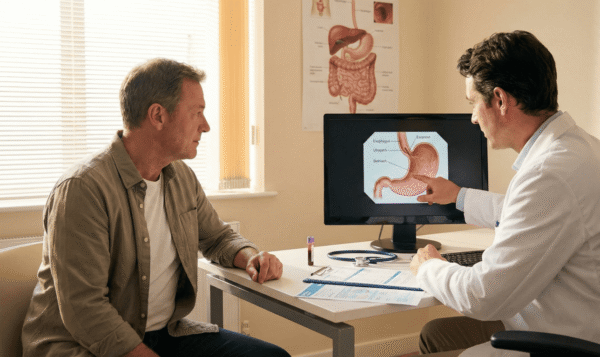
Additional Critical Facts to Remember
When a patient receives a diagnosis of chronic upper GI bleeding and/or iron-deficiency anemia, Cameron lesions may exist if a hiatal hernia or GERD are also present.
Individuals with esophageal ulcers may simultaneously experience frequently associated conditions, including acid-peptic disorders, reflux esophagitis, ischemia, mechanical trauma, respiratory disorders (such as sleep apnea, chronic coughing, etc.), iron-deficient anemia, and acid mucosal injury.
Hiatal hernias along with their numerous complications and concurrent conditions can become life-threatening when symptoms and consequences aren’t adequately addressed, ideally through surgical intervention.
However, the same applies, regrettably, to serious diseases such as obesity, hypertension, cancer, cardiovascular disease, and others. For the record, both these digestive conditions deserve serious attention and, when pursuing long-term health, both should be handled proactively and, once diagnosed, assertively.

Why Select Tampa Bay Reflux Institute?
We stay dedicated to offering our patients innovative, safe options beyond open surgery. Nevertheless, situations exist where open surgery is necessary, and minimally invasive surgery isn’t feasible. In such circumstances, our board-certified surgeons stand ready to conduct conventional surgery and deliver the compassionate, high-quality, personalized care every patient deserves.
OUR SURGEONS MAINTAIN NO DIRECT OR INDIRECT HOSPITAL AFFILIATIONS. Consequently, we can suggest the optimal location for your surgery. Our sole focus is resolving your health issue in the safest and most convenient manner. Any surgeon employed by a hospital must follow administrative policies mandated by that institution, which can impact your care. These surgeons may face pressure to utilize techniques, consultants, or diagnostic tests benefiting the hospital system rather than serving the patient’s best interests.
Our surgeons continuously maintain their abilities and knowledge. This happens through staying current with the newest surgical techniques and technological advances in our specialty. Whether conducting open surgery, advanced fundoplication procedures, or robot-assisted surgery, our expert surgeons execute complex and delicate operations with exceptional precision.
If you require surgical treatment for any conditions or diseases mentioned above, including achalasia, gastroparesis, or if you’re interested in weight loss solutions, reach out to our team today at 813.922.2920 to arrange an initial consultation with one of our Board-Certified Surgeons. We serve Tampa and the nearby area with pride.
Conclusion
Hiatal hernias and ulcers are serious digestive conditions that require prompt medical attention and proper management to prevent life-threatening complications. While hiatal hernias can lead to esophageal ulcers through chronic acid exposure, both conditions respond well to treatment when diagnosed early and managed with the appropriate combination of medications, lifestyle modifications, and surgical interventions when necessary. Understanding the relationship between these conditions and recognizing their symptoms empowers patients to seek timely medical care, potentially avoiding severe complications such as Barrett’s Esophagus, chronic bleeding, iron-deficiency anemia, and even cancer. If you’re experiencing symptoms like persistent heartburn, difficulty swallowing, chest pain, or unexplained abdominal discomfort, consulting with a qualified reflux specialist can help determine the underlying cause and establish an effective treatment plan tailored to your specific needs. Learn more about the LINX system and innovative procedures like the TIF procedure, explore our informative blog, discover TIF with EsophyX treatment, or listen to this comprehensive podcast on diagnosis and treatment for more information.
FAQs
Can a hiatal hernia directly cause ulcers?
Yes, hiatal hernias can cause esophageal ulcers when stomach acid repeatedly damages the esophageal lining. These ulcers, sometimes called Cameron ulcers, develop from continuous acid exposure in the esophagus.
What are the most common symptoms of a hiatal hernia?
Common symptoms include heartburn, belching, chest pain, difficulty swallowing, and a feeling of fullness in the chest. However, many people have no symptoms and discover their hernia during unrelated medical examinations.
Are hiatal hernias always treated with surgery?
No, treatment depends on severity and may include medications, lifestyle changes, and dietary modifications. Surgery is typically reserved for larger hernias, severe symptoms, or when conservative treatments fail.
How serious are esophageal ulcers caused by hiatal hernias?
Esophageal ulcers can be very serious if left untreated, potentially leading to bleeding, anemia, Barrett’s Esophagus, and cancer. Early diagnosis and treatment are essential to prevent these dangerous complications.
Who is most at risk for developing a hiatal hernia?
Overweight individuals and elderly populations are at higher risk for hiatal hernias. Other risk factors include chronic coughing, constipation, heavy lifting, and conditions that increase abdominal pressure.


An endoscopy cannot tell you if you have reflux. It can only tell you if you have complications of GERD.
If you are unhappy with your reflux symptoms, come in and we can discuss testing and treatments that can accurately diagnose your problem.
#reflux #gerd #hiatalhernia #gastroparesis #linx

CALL US AT 813-922-2920
www.tampareflux.com
If you have a hiatal hernia and fit one of these categories, you should know your options.
Dr. Grandhige is an expert in his field and performs 200 of these surgeries a year. He is the only surgeon in the Tampa Bay Area who offers all surgical options - LINX, Fundoplications, TIF and will be one of 20 surgeons in America introducing the latest procedure RefluxStop in 2026.
We accept most insurances but will verify yours before you come in. These procedures are considered medically necessary and covered by your insurance. You can expect to pay your in-network deductibles and nothing else.
#hiatalhernia #reflux #GERD #LINX #refluxstop
What causes reflux ?
1. Weak lower esophageal sphincter
2. Hiatal hernia
3. Flattening of the Angle of His
4. Poor esophageal motility
5. Gastroparesis (slow stomach)
NOT increased acid production
Don’t let GERD get in the way of living your life. Request your appointment with us today on the link below.
.
.
.
.
https://tampareflux.com/contact-us/
Anyone can be victim to GERD and though weight loss can help reduce GERD symptoms. Many athletes with high impact workouts may continue to have these symptoms. This may be a symptom of a hiatal hernia or other issue. We are more then happy to assist you in finding your solution, just click the link below.
.
.
.
https://tampareflux.com/contact-us/
##healthylifestyle #workout #athletereflux #PPIs #heartburn #LINX #fundoplication #TIF #GERD#tampaheartburn #linx #TIF #fundoplication #tampabayreflux #GERD #acidreflux #acidrefluxsurgery #stopreflux
#nonsurgicalweightloss #ESG #gastricballoon #weightlossjourney #vsg #vsgjourney #spatz3 #orbera #orberaballoon #grandhige #DrG
#tampabayrefluxinstitute #guthealth #roboticsurgery
Heartburn may seem like an annoyance. But if you find yourself having symptoms on a daily basis, it may be time to to talk to Dr. Grandhige as it could be a symptom of something worse.
.
.
.
#chronicheartburn #gerdsymptoms #heartburnrelief #reflux #PPIs #heartburn #LINX #fundoplication #TIF #GERD#tampaheartburn #linx #TIF #fundoplication #tampabayreflux #GERD #acidreflux #acidrefluxsurgery #stopreflux
#nonsurgicalweightloss #ESG #gastricballoon #weightlossjourney #vsg #vsgjourney #spatz3 #orbera #orberaballoon #grandhige #DrG
#tampabayrefluxinstitute #guthealth #roboticsurgery
If you are tired of avoiding your favorite foods or taking daily medications, we can help.
We are the Tampa experts in reflux ! With years of experience and thousands of patients treated successfully, we offer all FDA approved anti-reflux procedures.
Call 813-922-2920 to schedule your appointment
All major insurances accepted.
Not all patients need surgical intervention. Many patients are living a heartburn free life with their PPIs. However 40% of patients taking PPIs are not getting the relief they need. If you are one of those, you have options! Come in and find out more.
.
.
.
.
#letushelpyou #medsnotworking #reflux #PPIs #heartburn #LINX #fundoplication #TIF #GERD#tampaheartburn #linx #TIF #fundoplication #tampabayreflux #GERD #acidreflux #acidrefluxsurgery #stopreflux
#nonsurgicalweightloss #ESG #gastricballoon #weightlossjourney #vsg #vsgjourney #spatz3 #orbera #orberaballoon #grandhige #DrG
#tampabayrefluxinstitute #guthealth #roboticsurgery
#heartburn #stopreflux #hiatalherniarepair #severeheartburn #reflux #tampabayreflux #acidrefluxsurgery #tampaheartburn #GERD #PPIs #achalasia #LINX #TIF #tampareflux #fundoplication #stomach #digestivehealth #ESG #obesity #overweight #weightlossjourney #gastricballoon


