
Written By: Jeffrey Atlas, Health Content Writer
Medically Reviewed By: Dr. Gopal Grandhige, MD, FACS, Board-Certified Surgeon
Last Reviewed: March 3, 2026
Yes, gastroparesis and IBS can occur together. Research shows approximately 44% of people with gastroparesis-like symptoms also have IBS, and individuals with both IBS and indigestion face a higher risk of developing gastroparesis. These conditions share symptoms like bloating, nausea, and abdominal discomfort, though they affect different parts of the digestive system. Gastroparesis delays stomach emptying while IBS impacts bowel function. Managing both conditions requires balancing conflicting dietary needs: gastroparesis typically calls for low fiber, while constipation-predominant IBS often benefits from more fiber. Treatment involves personalized dietary strategies, smaller frequent meals, lifestyle modifications, and working closely with healthcare providers.
The Link Between These Two Conditions
Research from 2018 demonstrates a strong connection between IBS and gastroparesis, indicating that individuals who have both IBS and indigestion face a higher likelihood of developing gastroparesis.
Interestingly, those with IBS alone (without indigestion) typically showed normal stomach emptying rates. Delayed stomach emptying appeared more frequently only when indigestion accompanied IBS.
Studies estimate that between 23% and 87% of IBS patients also experience functional indigestion, which is indigestion without an identifiable cause. Similarly, roughly 13% to 87% of people dealing with indigestion also meet the criteria for IBS.
How Often Do Both Conditions Overlap?
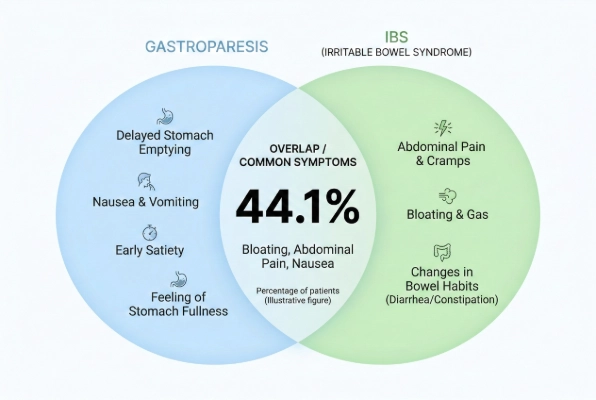
The 2018 research found that approximately 6% of gastroparesis patients may simultaneously have IBS.
More recent data from 2022 suggests that around 44.1% of individuals experiencing gastroparesis-like symptoms (GPLS) may also have IBS, broken down by subtype:
- Constipation-predominant IBS: 14.8% overlap with GPLS
- Diarrhea-predominant IBS: 10.1% overlap with GPLS
- Mixed-type IBS: 18.0% overlap with GPLS
- Unspecified IBS: 1.3% overlap with GPLS
What Causes These Conditions?
While the precise origins of both gastroparesis and IBS remain somewhat unclear, these conditions appear to share certain characteristics and contributing factors.
Research from clinical studies indicates that gastroparesis patients frequently exhibit overlapping IBS symptoms and show a greater tendency toward slow transit constipation. Nausea is another symptom common to both disorders.
Mental health challenges like depression and anxiety, along with histories of early-life physical or sexual trauma, may play a role in IBS development.
Similarly, mental health conditions occur at elevated rates among patients with gastroparesis, with 62% of those with unexplained gastroparesis reporting past physical or sexual abuse.
Recognizing the Symptoms
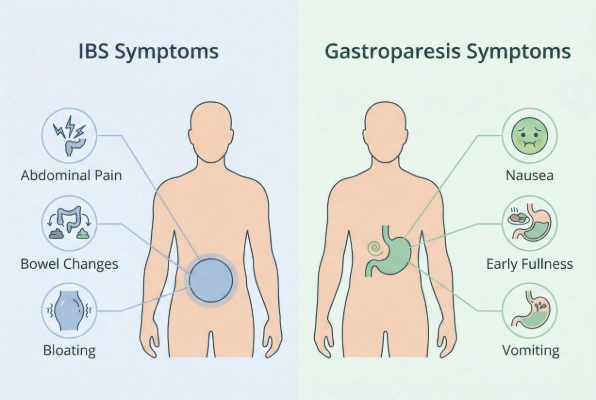
IBS typically presents with:
- Abdominal discomfort
- Altered bowel habits (constipation, diarrhea, or alternating between both)
- Bloating
- Sensation of incomplete evacuation
- Whitish mucus in stools
Common gastroparesis symptoms include:
- Upper abdominal discomfort
- Reduced appetite
- Early satiety
- Prolonged fullness after meals
- Bloating
- Nausea
- Vomiting
- Burping
- Heartburn
Diagnostic Approaches
For Gastroparesis
Healthcare providers may utilize several diagnostic tools:
- Comprehensive medical history review, including current medications, supplements, and surgical history
- Physical examination focusing on the abdomen and checking for nutritional deficiencies or dehydration
- Laboratory analysis of blood and urine to identify other potential conditions
- Upper GI endoscopy to visually inspect the digestive tract
- Imaging studies such as abdominal ultrasound to detect any obstructions
- Gastric emptying tests, including nuclear medicine scans, breath tests, or wireless motility capsules that track how quickly food leaves the stomach
For IBS
Diagnosis typically involves reviewing medical history and symptoms, performing abdominal examinations, conducting blood work, analyzing stool samples, and potentially ordering additional tests like endoscopy, colonoscopy, or breath testing to exclude other conditions.
Treatment Options
Managing Gastroparesis
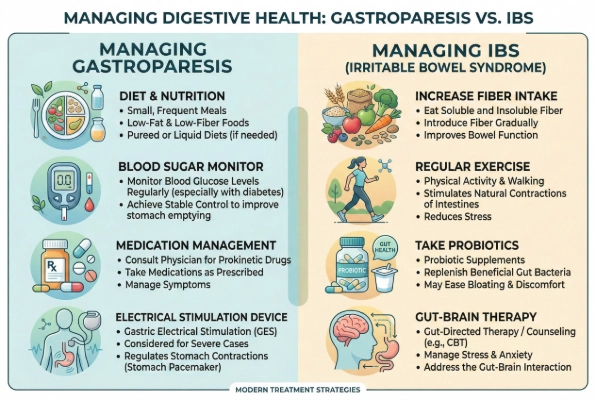
Treatment approaches vary based on symptom severity and underlying causes, and may include dietary modifications to ensure adequate nutrition and hydration, blood sugar management for diabetic patients, medications that enhance stomach motility, anti-nausea medications, and in some cases, feeding tubes to guarantee sufficient caloric intake.
Gastric electrical stimulation, which delivers mild electrical impulses to the stomach, can help reduce nausea and vomiting in certain patients. Prokinetic agents such as metoclopramide and erythromycin are commonly prescribed to increase stomach contractions and promote gastric emptying. For patients who do not respond to medication, newer interventions like gastric peroral endoscopic pyloromyotomy (G-POEM) have shown promise in improving both symptoms and gastric emptying rates.
Managing IBS
Treatment strategies may encompass dietary adjustments (increased fiber, gluten avoidance, or low FODMAP eating), lifestyle modifications (regular exercise, improved sleep, stress reduction), targeted medications, probiotic supplementation, and psychological therapies including relaxation techniques, hypnotherapy, or cognitive behavioral therapy. Smooth muscle relaxants can help relieve intestinal cramping, while antidiarrheal medications or laxatives may be prescribed depending on whether diarrhea or constipation is the predominant symptom. Research shows that cognitive behavioral therapy can help 60% to 80% of IBS patients see symptom improvement with consistent practice over eight to twelve weeks.
Navigating Diet When You Have Both Conditions
Managing your diet becomes particularly challenging when gastroparesis and IBS occur together, as these conditions have conflicting dietary recommendations. Dietary guidelines for gastroparesis typically require low fiber intake since fiber delays gastric emptying and can potentially cause stomach blockages. However, IBS, especially the constipation-predominant type, often benefits from increased fiber intake to help regulate bowel movements.
The key is finding a personalized balance that works for your body. Eating smaller, more frequent meals throughout the day (four to six times) rather than two or three large meals can benefit both conditions by reducing stomach distention and allowing food to pass through more quickly. When symptoms flare up, transitioning to a liquid-based diet including broths, smoothies, and diluted juices may provide relief since liquids empty from the stomach faster than solids.
Keeping a detailed food diary can help you identify personal triggers, as what aggravates one person may be perfectly tolerable for another. Working with a registered dietitian who understands both conditions is highly recommended to develop a customized eating plan that meets your nutritional needs while minimizing symptoms.

Can These Conditions Be Prevented?
Unfortunately, there’s no known way to prevent gastroparesis when it has no identifiable cause. However, preventing or effectively managing diabetes may help avoid the nerve damage that can lead to impaired gastric motility.
For IBS, making strategic dietary and lifestyle changes can help prevent flare-ups or keep symptoms under control.
Research indicates that maintaining blood sugar levels within target ranges, both before and after meals, may help reduce gastroparesis complications, as elevated blood sugar directly interferes with normal stomach emptying. Additionally, alcohol consumption should be avoided since it can impair gastric emptying, and regular exercise has been shown to increase stomach emptying rates in healthy individuals.
Staying properly hydrated is crucial since gastroparesis increases the risk of dehydration. It’s advisable to consume most fluids one to two hours before or after meals to minimize nausea and vomiting. Chewing food thoroughly until it reaches an applesauce-like consistency helps the body process and digest food more efficiently, allowing it to empty from the stomach faster.
For IBS specifically, lifestyle modifications including regular physical activity and stress reduction techniques are frequently effective in minimizing symptoms. A survey involving 666 IBS patients revealed that dietary modification, patient education, and exercise were the most commonly used interventions, with patients reporting greater expected benefits from these approaches than from pharmaceutical treatments.
Conclusion
Living with both gastroparesis and IBS presents unique challenges, but understanding the connection between these conditions is the first step toward effective management. Research shows a strong link between IBS and gastroparesis, with individuals who have both IBS and indigestion facing a higher likelihood of developing gastroparesis. While there’s no one-size-fits-all approach, working closely with our digestive health specialists to develop personalized dietary strategies, lifestyle modifications, and appropriate medical treatments can significantly improve quality of life. The key is patience and persistence. Finding what works for your body may take time, but meaningful symptom relief is achievable.
If you’re experiencing symptoms of gastroparesis, IBS, or related digestive conditions like acid reflux disease, hiatal hernias, or silent reflux, seeking expert guidance is essential. Tampa Bay’s reflux experts offer comprehensive evaluation and treatment options, including advanced procedures like anti-reflux surgery, the LINX procedure, and transoral incisionless fundoplication for qualifying patients. For those also struggling with weight management, non-surgical weight loss options may provide additional benefits. Schedule a consultation today, or visit our health resources blog for more information on gastroparesis causes and treatment and related conditions like achalasia. Our top hiatal hernia surgeons in Tampa are here to help you find relief.
FAQs
How common is it to have both gastroparesis and IBS?
Research suggests that approximately 44% of people with gastroparesis-like symptoms may also have IBS. The overlap varies depending on the IBS subtype, with mixed-type IBS showing the highest co-occurrence.
What symptoms do gastroparesis and IBS share?
Both conditions commonly cause bloating and nausea. Abdominal discomfort is also a hallmark symptom present in each disorder.
Why is diet management difficult when you have both conditions?
These conditions have conflicting dietary needs. Gastroparesis requires low fiber while constipation-predominant IBS often benefits from increased fiber. Finding a personalized balance through smaller, frequent meals and working with a dietitian is essential.
Can gastroparesis be prevented?
There’s no known way to prevent gastroparesis when it has no identifiable cause. However, effectively managing diabetes may help prevent the nerve damage that can lead to this condition.
What lifestyle changes help manage both conditions?
Regular physical activity, stress reduction, and dietary modifications are frequently effective for minimizing symptoms. Staying hydrated, avoiding alcohol, and chewing food thoroughly also support better digestion.


An endoscopy cannot tell you if you have reflux. It can only tell you if you have complications of GERD.
If you are unhappy with your reflux symptoms, come in and we can discuss testing and treatments that can accurately diagnose your problem.
#reflux #gerd #hiatalhernia #gastroparesis #linx

CALL US AT 813-922-2920
www.tampareflux.com
If you have a hiatal hernia and fit one of these categories, you should know your options.
Dr. Grandhige is an expert in his field and performs 200 of these surgeries a year. He is the only surgeon in the Tampa Bay Area who offers all surgical options - LINX, Fundoplications, TIF and will be one of 20 surgeons in America introducing the latest procedure RefluxStop in 2026.
We accept most insurances but will verify yours before you come in. These procedures are considered medically necessary and covered by your insurance. You can expect to pay your in-network deductibles and nothing else.
#hiatalhernia #reflux #GERD #LINX #refluxstop
What causes reflux ?
1. Weak lower esophageal sphincter
2. Hiatal hernia
3. Flattening of the Angle of His
4. Poor esophageal motility
5. Gastroparesis (slow stomach)
NOT increased acid production
Don’t let GERD get in the way of living your life. Request your appointment with us today on the link below.
.
.
.
.
https://tampareflux.com/contact-us/
Anyone can be victim to GERD and though weight loss can help reduce GERD symptoms. Many athletes with high impact workouts may continue to have these symptoms. This may be a symptom of a hiatal hernia or other issue. We are more then happy to assist you in finding your solution, just click the link below.
.
.
.
https://tampareflux.com/contact-us/
##healthylifestyle #workout #athletereflux #PPIs #heartburn #LINX #fundoplication #TIF #GERD#tampaheartburn #linx #TIF #fundoplication #tampabayreflux #GERD #acidreflux #acidrefluxsurgery #stopreflux
#nonsurgicalweightloss #ESG #gastricballoon #weightlossjourney #vsg #vsgjourney #spatz3 #orbera #orberaballoon #grandhige #DrG
#tampabayrefluxinstitute #guthealth #roboticsurgery
Heartburn may seem like an annoyance. But if you find yourself having symptoms on a daily basis, it may be time to to talk to Dr. Grandhige as it could be a symptom of something worse.
.
.
.
#chronicheartburn #gerdsymptoms #heartburnrelief #reflux #PPIs #heartburn #LINX #fundoplication #TIF #GERD#tampaheartburn #linx #TIF #fundoplication #tampabayreflux #GERD #acidreflux #acidrefluxsurgery #stopreflux
#nonsurgicalweightloss #ESG #gastricballoon #weightlossjourney #vsg #vsgjourney #spatz3 #orbera #orberaballoon #grandhige #DrG
#tampabayrefluxinstitute #guthealth #roboticsurgery
If you are tired of avoiding your favorite foods or taking daily medications, we can help.
We are the Tampa experts in reflux ! With years of experience and thousands of patients treated successfully, we offer all FDA approved anti-reflux procedures.
Call 813-922-2920 to schedule your appointment
All major insurances accepted.
Not all patients need surgical intervention. Many patients are living a heartburn free life with their PPIs. However 40% of patients taking PPIs are not getting the relief they need. If you are one of those, you have options! Come in and find out more.
.
.
.
.
#letushelpyou #medsnotworking #reflux #PPIs #heartburn #LINX #fundoplication #TIF #GERD#tampaheartburn #linx #TIF #fundoplication #tampabayreflux #GERD #acidreflux #acidrefluxsurgery #stopreflux
#nonsurgicalweightloss #ESG #gastricballoon #weightlossjourney #vsg #vsgjourney #spatz3 #orbera #orberaballoon #grandhige #DrG
#tampabayrefluxinstitute #guthealth #roboticsurgery
#heartburn #stopreflux #hiatalherniarepair #severeheartburn #reflux #tampabayreflux #acidrefluxsurgery #tampaheartburn #GERD #PPIs #achalasia #LINX #TIF #tampareflux #fundoplication #stomach #digestivehealth #ESG #obesity #overweight #weightlossjourney #gastricballoon


