

Written By: Dr. Ahmad Saad, Health Content Writer
Medically Reviewed By: Dr. Gopal Grandhige, MD, FACS, Board-Certified Surgeon
Last Reviewed: January 20, 2026
Yes, both diet and stress directly trigger acid reflux. Dietary factors cause reflux through three mechanisms: foods with high acid content (citrus, tomatoes) add surplus acidity, fatty foods stimulate excessive acid production that persists for hours, and certain items (chocolate, caffeine, alcohol, mint) relax the lower esophageal sphincter (LES) allowing stomach acid to flow backward. Eating patterns matter equally, large portions stretch the stomach and increase acid production, consuming food within three hours of bedtime allows gravity to promote acid backflow, and eating rapidly causes air swallowing and inadequate chewing that elevate stomach pressure.
Stress triggers reflux both directly and indirectly. Direct effects occur when stress hormones disrupt the gut-brain axis, altering digestive motility, acid production patterns, and LES function. Indirect pathways involve stress-related behaviors: rushed eating, meal skipping followed by overeating, and increased consumption of alcohol, cigarettes, and fatty comfort foods that worsen symptoms.
The most effective management approach combines dietary modifications with stress reduction. Wait at least three hours after eating before lying down, consume smaller frequent meals instead of large portions, eat slowly while chewing thoroughly, avoid high-acid and high-fat foods, and limit LES-relaxing substances. Managing stress through healthy coping mechanisms rather than alcohol, smoking, or comfort eating breaks the cycle of worsening symptoms.

Diet’s Role in Acid Reflux
The digestive acid responsible for burning sensations exists whenever you consume food or beverages. Typically, this acid remains contained within your stomach, performing its digestive function. However, consuming excessive amounts, eating rapidly, or selecting particular foods can trigger burning sensations and digestive acid symptoms. Your dietary choices play a fundamental role in either supporting or compromising your digestive comfort throughout the day
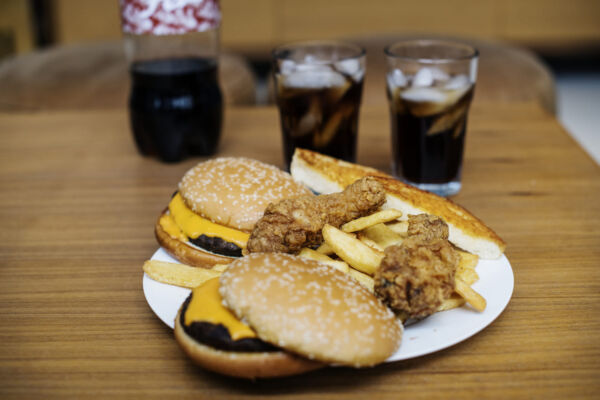
Three Mechanisms by Which Diet Triggers Burning Sensations
Certain foods contribute to burning sensations through three distinct mechanisms that work independently or in combination to create discomfort.
Elevated Acid Levels
Foods with naturally high acid content provide your digestive system with additional acidity from the start. This surplus acid can trigger burning symptoms. Items with elevated acidity that may lead to digestive discomfort include citrus produce and their juices, along with tomatoes and tomato-based items. Even seemingly healthy choices like orange juice at breakfast or pasta sauce at dinner can contribute to increased acid levels in your digestive system. The cumulative effect of consuming multiple acidic foods throughout the day can overwhelm your body’s natural buffering systems, leading to more pronounced heartburn symptoms.
Triggering Excessive Acid Creation
Although all meals stimulate digestive acid creation, specific foods and drinks promote digestive discomfort by triggering excessive acid production. Fatty foods rank as the primary culprit. These include fried items, rich desserts, full-fat dairy products, and fatty cuts of meat. When you consume these foods, your stomach responds by producing additional acid to break down the complex fat molecules. This overproduction can persist for several hours after eating, creating a prolonged window of vulnerability to burning sensations. Spicy foods can also stimulate excess acid production, though individual tolerance varies significantly from person to person. Understanding these GERD triggers is essential for effective symptom management.
Compromising or Loosening the LES
Certain foods work to compromise the lower esophageal sphincter (LES). This muscular ring, positioned at the esophagus’s base, prevents food and acids from flowing backward from the stomach. Items that may compromise or loosen this protective barrier include chocolate and caffeine-containing drinks like coffee, tea, and cola. Consuming alcohol, particularly in large quantities, can also compromise the LES, triggering burning sensations and related digestive acid symptoms. Peppermint and spearmint, despite their reputation for soothing digestive issues, can actually relax the LES and worsen acid reflux symptoms in susceptible individuals.

Dietary Patterns That Trigger Burning Sensations
Beyond specific foods, your eating patterns, timing, and portion sizes can also trigger burning sensations. How you eat can be just as important as what you eat when it comes to managing digestive comfort.
Consuming Excessive Portions
Consuming excessive portions can trigger digestive acid symptoms. Consider this straightforward formula before your next large meal: Increased food intake can result in increased digestive acid production. Additionally, excessive digestive acid heightens the likelihood that some will enter your esophagus and trigger burning symptoms. Large meals also physically stretch your stomach, which can put pressure on the LES and compromise its ability to seal properly. This mechanical effect, combined with increased acid production, creates a perfect storm for reflux episodes. In some cases, this pressure can also contribute to hiatal hernias, which further worsen reflux symptoms.
Consuming Food Near Bedtime
Consuming food late at night can trigger burning sensations. In reality, even consuming a reasonable portion of a low-acid item might cause problems. This occurs because reclining during sleep allows even typical amounts of digestive acid to succumb to gravity and enter your esophagus. Health professionals generally recommend finishing your last meal at least three hours before bedtime to allow adequate digestion time. If you must eat closer to bedtime, consider elevating the head of your bed or sleeping on an incline to reduce the gravitational effects that promote acid backflow. Many patients seeking heartburn treatment report that dietary timing plays a crucial role in their symptom management.
Poor Eating Techniques
Consuming food rapidly and failing to chew thoroughly may also trigger burning symptoms and digestive acid discomfort. When you eat quickly, you tend to swallow more air, which can increase stomach pressure and promote reflux. Inadequate chewing means larger food particles enter your stomach, requiring more acid and more time to break down properly. Taking time to eat mindfully, chewing each bite thoroughly, and pausing between bites can significantly improve digestive comfort. For those experiencing difficulty swallowing alongside reflux, achalasia may be a condition worth discussing with your physician.
The Impact of Meal Composition
The combination of foods you eat during a single meal can influence your reflux symptoms more than individual ingredients alone. Pairing high-fat foods with acidic items, for example, creates a compounding effect that may be more problematic than consuming either type alone. Learning to balance your meals with adequate fiber from vegetables and whole grains can help buffer stomach acid and promote more efficient digestion. Additionally, including lean proteins and complex carbohydrates provides sustained energy without overwhelming your digestive system. Those experiencing silent reflux may find that meal composition matters even more, as symptoms can be less obvious yet equally damaging. Weight management through incisionless weight loss procedures can also significantly reduce reflux symptoms for many patients.

Stress and Burning Sensations
Stress can trigger burning sensations through both direct and indirect pathways. The connection between your mental state and digestive health is more profound than many people realize, operating through complex biological mechanisms that influence your entire gastrointestinal system.
Disrupting Neural Signals and Chemical Messengers
Optimal digestive wellness relies on your body’s neural signals and chemical messengers operating correctly. Regrettably, stress can disrupt these signals. The outcome can be digestive acid discomfort and additional digestive wellness issues like loose stools and stomach pain. Your gut contains millions of nerve cells that communicate constantly with your brain through what scientists call the gut-brain axis. When stress hormones like cortisol flood your system, they interfere with this delicate communication network, altering digestive motility, changing acid production patterns, and even affecting the LES’s ability to function properly. Research from Johns Hopkins Medicine confirms this mind-gut connection in gastroesophageal reflux disease. Additional information on understanding heartburn basics can help you recognize how stress impacts your symptoms.
Indirect Pathways to Burning Sensations
Stress triggers burning sensations through various indirect pathways. Consider the habits that accompany stressful periods, like rushed eating. When you’re stressed, you’re more likely to skip meals and then overeat later, consume meals while distracted or working, and choose convenience foods that may be higher in fat and acid. These behavioral changes compound the direct physiological effects of stress on your digestive system. The NHS provides guidance on managing both lifestyle factors and stress-related triggers.
Stress can also promote habits that more directly trigger burning symptoms. Many people, for instance, attempt to manage stress by increasing alcohol consumption, smoking more frequently, or consuming additional servings of fatty comfort meals. These coping mechanisms, while temporarily satisfying, often worsen reflux symptoms and create a cycle of discomfort that further increases stress levels. Breaking this cycle requires addressing both the underlying stress and the compensatory behaviors that emerge in response to it. For those with conditions like gastroparesis, stress management becomes even more critical as delayed stomach emptying compounds reflux issues.
Conclusion
Managing acid reflux effectively requires a comprehensive approach that addresses both dietary choices and stress management. By understanding how specific foods affect your digestive system, whether through elevated acid content, excessive acid production, or LES compromise, you can make informed decisions that reduce the frequency and severity of uncomfortable episodes. Equally important is recognizing the powerful connection between your mental state and digestive health, as stress influences your body through both direct physiological pathways and indirect behavioral changes.
For persistent or severe symptoms, consulting with specialists in reflux treatment can provide access to advanced treatment options. Procedures like fundoplication surgery, the LINX reflux management system, or TIF with EsophyX may offer relief when lifestyle modifications alone are insufficient. Additionally, resources from the American College of Gastroenterology and Harvard Health provide evidence-based information on managing reflux. The American Gastroenterological Association and MedlinePlus also offer comprehensive patient education resources. You can learn more about our approach to treating digestive disorders, explore our educational blog for additional insights, visit our homepage to discover all our services, or contact us to schedule a consultation with our team.
FAQs
What foods should I avoid if I have acid reflux?
Avoid high-acid foods like citrus and tomatoes, fatty foods including fried items and rich desserts, and items that relax the LES such as chocolate, caffeine, alcohol, and mint. Individual triggers vary, so track your symptoms to identify your specific problem foods.
How long should I wait after eating before lying down?
Wait at least three hours after your last meal before lying down or going to bed. This allows adequate time for digestion and reduces the likelihood of acid flowing back into your esophagus due to gravity.
Can stress directly cause acid reflux?
Yes, stress disrupts the neural signals and chemical messengers that regulate digestion, potentially altering acid production and LES function. Stress also indirectly contributes through behaviors like rushed eating, skipping meals, and consuming comfort foods.
Are small, frequent meals better than three large meals?
Yes, smaller portions reduce the amount of acid your stomach produces and decrease pressure on the LES. Large meals stretch your stomach and increase the likelihood of acid entering your esophagus.
Does eating quickly make acid reflux worse?
Yes, eating rapidly causes you to swallow more air and leave food poorly chewed, both of which increase stomach pressure and acid production. Eating slowly and chewing thoroughly significantly improves digestive comfort and reduces reflux symptoms.


An endoscopy cannot tell you if you have reflux. It can only tell you if you have complications of GERD.
If you are unhappy with your reflux symptoms, come in and we can discuss testing and treatments that can accurately diagnose your problem.
#reflux #gerd #hiatalhernia #gastroparesis #linx

CALL US AT 813-922-2920
www.tampareflux.com
If you have a hiatal hernia and fit one of these categories, you should know your options.
Dr. Grandhige is an expert in his field and performs 200 of these surgeries a year. He is the only surgeon in the Tampa Bay Area who offers all surgical options - LINX, Fundoplications, TIF and will be one of 20 surgeons in America introducing the latest procedure RefluxStop in 2026.
We accept most insurances but will verify yours before you come in. These procedures are considered medically necessary and covered by your insurance. You can expect to pay your in-network deductibles and nothing else.
#hiatalhernia #reflux #GERD #LINX #refluxstop
What causes reflux ?
1. Weak lower esophageal sphincter
2. Hiatal hernia
3. Flattening of the Angle of His
4. Poor esophageal motility
5. Gastroparesis (slow stomach)
NOT increased acid production
Don’t let GERD get in the way of living your life. Request your appointment with us today on the link below.
.
.
.
.
https://tampareflux.com/contact-us/
Anyone can be victim to GERD and though weight loss can help reduce GERD symptoms. Many athletes with high impact workouts may continue to have these symptoms. This may be a symptom of a hiatal hernia or other issue. We are more then happy to assist you in finding your solution, just click the link below.
.
.
.
https://tampareflux.com/contact-us/
##healthylifestyle #workout #athletereflux #PPIs #heartburn #LINX #fundoplication #TIF #GERD#tampaheartburn #linx #TIF #fundoplication #tampabayreflux #GERD #acidreflux #acidrefluxsurgery #stopreflux
#nonsurgicalweightloss #ESG #gastricballoon #weightlossjourney #vsg #vsgjourney #spatz3 #orbera #orberaballoon #grandhige #DrG
#tampabayrefluxinstitute #guthealth #roboticsurgery
Heartburn may seem like an annoyance. But if you find yourself having symptoms on a daily basis, it may be time to to talk to Dr. Grandhige as it could be a symptom of something worse.
.
.
.
#chronicheartburn #gerdsymptoms #heartburnrelief #reflux #PPIs #heartburn #LINX #fundoplication #TIF #GERD#tampaheartburn #linx #TIF #fundoplication #tampabayreflux #GERD #acidreflux #acidrefluxsurgery #stopreflux
#nonsurgicalweightloss #ESG #gastricballoon #weightlossjourney #vsg #vsgjourney #spatz3 #orbera #orberaballoon #grandhige #DrG
#tampabayrefluxinstitute #guthealth #roboticsurgery
If you are tired of avoiding your favorite foods or taking daily medications, we can help.
We are the Tampa experts in reflux ! With years of experience and thousands of patients treated successfully, we offer all FDA approved anti-reflux procedures.
Call 813-922-2920 to schedule your appointment
All major insurances accepted.
Not all patients need surgical intervention. Many patients are living a heartburn free life with their PPIs. However 40% of patients taking PPIs are not getting the relief they need. If you are one of those, you have options! Come in and find out more.
.
.
.
.
#letushelpyou #medsnotworking #reflux #PPIs #heartburn #LINX #fundoplication #TIF #GERD#tampaheartburn #linx #TIF #fundoplication #tampabayreflux #GERD #acidreflux #acidrefluxsurgery #stopreflux
#nonsurgicalweightloss #ESG #gastricballoon #weightlossjourney #vsg #vsgjourney #spatz3 #orbera #orberaballoon #grandhige #DrG
#tampabayrefluxinstitute #guthealth #roboticsurgery
#heartburn #stopreflux #hiatalherniarepair #severeheartburn #reflux #tampabayreflux #acidrefluxsurgery #tampaheartburn #GERD #PPIs #achalasia #LINX #TIF #tampareflux #fundoplication #stomach #digestivehealth #ESG #obesity #overweight #weightlossjourney #gastricballoon


