
Written By: Jeffrey Atlas, Health Content Writer
Medically Reviewed By: Dr. Gopal Grandhige, MD, FACS, Board-Certified Surgeon
Last Reviewed: April 7, 2026
Yes, crackers can help with acid reflux. Their dry, starchy texture absorbs excess stomach acid, reducing the likelihood of acid flowing back into the esophagus. Chewing crackers also stimulates saliva production, and saliva contains bicarbonate, a natural antacid that helps neutralize stomach acidity. For best results, choose whole grain or whole wheat crackers (which are higher in fiber and digest more slowly) and avoid varieties high in fat or heavy seasonings, which can worsen symptoms. Eat crackers between meals rather than immediately before or after eating to allow them to create a protective layer in your stomach.
Getting to Know Acid Reflux: Origins and Warning Signs
Acid reflux represents a widespread digestive issue affecting millions globally. It develops when stomach acid travels backward into the esophagus, triggering irritation and discomfort. Let’s examine the origins and warning signs of acid reflux more closely.
Defining Acid Reflux
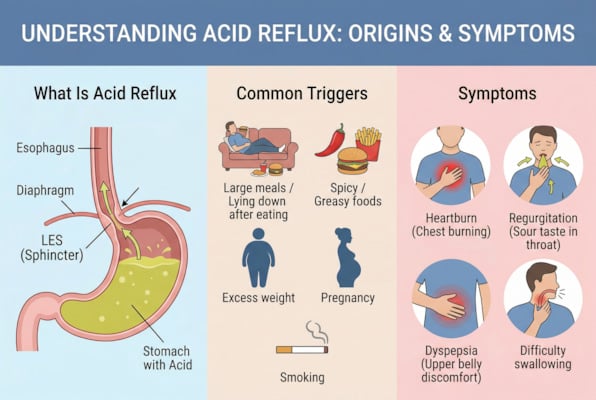
At its foundation, acid reflux is a digestive condition marked by stomach acid backing up into the esophagus. The esophagus, the passage connecting your mouth to your stomach, isn’t designed to withstand the harsh nature of stomach acid. When this acid reaches the esophagus, it irritates the lining and produces the unpleasant symptoms linked to gastroesophageal reflux disease.
Acid reflux might happen occasionally or develop into an ongoing condition. Pinpointing the root causes is essential for effective management and treatment.
Typical Triggers of Acid Reflux
Multiple factors can play a role in acid reflux development. By recognizing these triggers, people can implement lifestyle adjustments to decrease how often and how severely symptoms occur.
- Consuming oversized meals or reclining right after eating: Having a big meal or lying down immediately afterward raises the likelihood of acid reflux. The stomach requires time for proper digestion, and lying flat makes it easier for acid to flow back into the esophagus.
- Eating trigger foods like spicy or greasy items: Certain foods can spark acid reflux symptoms in sensitive people. Spicy dishes, greasy foods, citrus fruits, and fizzy drinks are notorious for boosting stomach acid production and loosening the lower esophageal sphincter (LES), which normally keeps acid contained in the stomach.
- Carrying excess weight: Extra pounds can create pressure on the abdominal area, causing stomach displacement and promoting acid reflux. Plus, fatty tissue generates certain hormones that can relax the LES, making it simpler for acid to escape into the esophagus. For those struggling with weight-related reflux, incisionless weight loss procedures may offer a solution.
- Being pregnant: Hormonal shifts during pregnancy can loosen the LES, resulting in acid reflux. The expanding uterus also presses against the stomach, worsening the situation.
- Using tobacco: Smoking undermines the LES while ramping up stomach acid production. It also compromises esophageal function, reducing its ability to clear acid effectively.
Identifying Acid Reflux Symptoms
Acid reflux presents differently from person to person, though several common symptoms of heartburn exist:
- Heartburn: A burning feeling in the chest that frequently appears after eating or when lying down.
- Regurgitation: Sour or bitter-tasting acid rising into the throat, often paired with the sensation of fluid or food returning to the mouth.
- Dyspepsia: Overall discomfort or aching in the upper belly, commonly described as fullness or bloating.
- Swallowing difficulties: A feeling of food becoming lodged in the throat, sometimes accompanied by pain or a choking sensation.
Keep in mind that not everyone with acid reflux experiences every symptom. Some individuals might notice just one or two, while others encounter a mix. If you think you have acid reflux, seeking a reflux specialist in Tampa for proper diagnosis and treatment is wise.
How Diet Influences Acid Reflux Management
Acid reflux, sometimes called gastroesophageal reflux disease (GERD), develops when stomach acid reverses course into the esophagus, producing discomfort and a burning feeling. While medications can offer relief, making dietary adjustments is vital for effective acid reflux management. By steering clear of trigger foods and incorporating items that calm the digestive system, individuals can minimize symptom occurrence and boost their overall wellness.
Foods to Steer Clear of with Acid Reflux
A key approach to managing acid reflux involves avoiding trigger foods that can worsen the condition. According to Cleveland Clinic’s heartburn overview, restricting or eliminating certain foods entirely can lower your chances of experiencing uncomfortable symptoms. Here are some foods to watch out for:
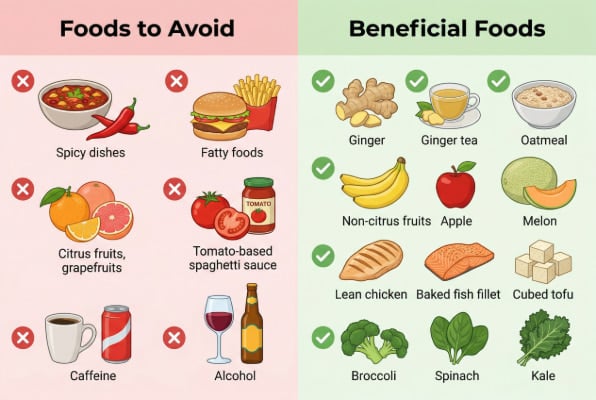
- Spicy dishes: Chili peppers, hot sauces, and fiery seasonings can aggravate the esophagus and set off acid reflux symptoms. It’s wise to skip these heat-packed delights.
- Fatty foods: Deep-fried items, full-fat dairy, and fatty meat cuts can relax the lower esophageal sphincter (LES), permitting stomach acid to travel back into the esophagus. Choosing leaner alternatives can help ward off reflux episodes.
- Citrus fruits and their juices: Oranges, lemons, grapefruits, and their juices pack high acidity levels and can intensify acid reflux symptoms. Selecting non-citrus options is recommended.
- Tomatoes and tomato-based items: Tomato sauces, ketchup, and marinades carry high acidity, making them potential acid reflux triggers. Seeking alternative condiments is a smart move.
- Caffeine and alcoholic beverages: Coffee, tea, carbonated drinks, and alcohol can relax the LES while increasing stomach acid production, bringing on reflux symptoms. Herbal teas and alcohol-free alternatives offer better choices.
Beneficial Foods for Acid Reflux
Avoiding trigger foods matters greatly, but incorporating foods that soothe the digestive system is equally important. The Hopkins Medicine GERD diet guide recommends these items in your diet to deliver relief and lessen acid reflux symptom intensity:
- Ginger: Celebrated for its anti-inflammatory qualities, ginger can help decrease esophageal inflammation and ease acid reflux symptoms. Adding ginger to dishes or sipping ginger tea can prove helpful.
- Oatmeal: Rich in fiber, oatmeal can soak up excess stomach acid and deliver a calming effect on the digestive system. Plain oatmeal without added sweeteners or toppings works best.
- Non-citrus fruits: Bananas, apples, and melons treat the stomach gently and can help balance stomach acid. These fruits make excellent selections for those with acid reflux.
- Lean proteins: Chicken, turkey, fish, and tofu serve as outstanding lean protein sources that won’t trigger acid reflux symptoms. These options supply essential nutrients without overtaxing the digestive system.
- Vegetables: Broccoli, cauliflower, spinach, and kale contain low acidity and high fiber, making them perfect for individuals with acid reflux. These veggies support healthy digestion and can help ease symptoms.
By paying attention to food choices and making thoughtful dietary decisions, individuals can effectively handle acid reflux and enhance their quality of life. Consulting with a healthcare professional or registered dietitian for customized advice and direction is important.
The Link Between Crackers and Acid Reflux
Acid reflux, also known as GERD, occurs when stomach acid flows backward into the esophagus, creating a burning sensation in the chest and throat. While uncomfortable and painful, various methods exist to manage and ease the symptoms. One such approach involves adding crackers to your diet.
How Crackers Provide Relief
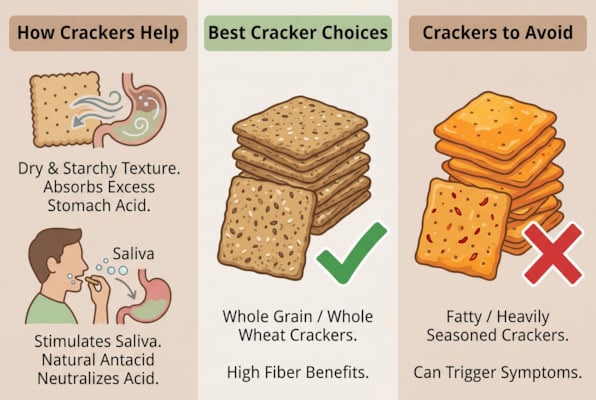
When dealing with acid reflux, crackers can offer relief through several mechanisms. First, crackers are dry and starchy, enabling them to absorb extra stomach acid and soak up liquid in the stomach, decreasing the chances of acid reflux episodes. The dry texture works like a sponge, effectively soaking up acidic contents and preventing their upward journey into the esophagus.
Furthermore, chewing crackers stimulates saliva production, which can help neutralize stomach acid and relieve symptoms. Saliva contains bicarbonate, a natural antacid that can lower stomach acidity and provide temporary relief from acid reflux discomfort. So next time you feel that burn, grab some crackers and give your salivary glands some exercise!
Top Cracker Choices for Acid Reflux
Not every cracker works equally well for managing acid reflux. Choose whole grain or whole wheat varieties, as they contain more fiber and have a lower glycemic index. These crackers digest more gradually, preventing blood sugar spikes that might trigger acid reflux symptoms. Additionally, the fiber in whole grain crackers can help regulate digestion and promote gut health.
Steer clear of crackers loaded with fat or heavy seasonings, as these can aggravate symptoms rather than providing relief. Fatty foods can relax the lower esophageal sphincter (LES), the muscle barrier between stomach and esophagus, allowing stomach acid to travel upward. Moreover, heavily seasoned crackers might contain ingredients that irritate the esophagus and spark acid reflux symptoms.
It’s worth noting that while crackers can help ease acid reflux symptoms, they aren’t a cure. If you regularly experience acid reflux, consulting Tampa Reflux to identify underlying causes and create a comprehensive treatment strategy is recommended.
Adding Crackers to Your Acid Reflux Eating Plan
Optimal Timing and Methods for Eating Crackers
Timing plays a crucial role when incorporating crackers into your acid reflux eating plan. Consuming them between meals or as snacks works better than eating them right before or after meals. This allows crackers to create a protective layer in the stomach, blocking acid from traveling back up into the esophagus. Eating smaller, more frequent meals and combining crackers with other reflux-friendly foods can boost their effectiveness even further.
Complementary Foods to Enjoy with Crackers
While crackers are perfectly fine alone, combining them with a balanced meal can amplify their acid reflux relief benefits. Try pairing crackers with low-fat dairy options like yogurt or cottage cheese for added protein. Alternatively, topping crackers with sliced lean meats or avocado provides extra nutrients and creates a satisfying snack.
Additional Lifestyle Modifications for Acid Reflux Management
Why Regular Physical Activity Matters
Beyond dietary changes, consistent exercise can also help manage acid reflux. Physical activity helps maintain a healthy weight, which reduces stomach pressure and lowers the risk of acid reflux episodes. According to Stanford Healthcare’s GERD resources, targeting at least 30 minutes of moderate exercise on most days can provide significant benefits.
How Stress Affects Acid Reflux
Stress is well-documented to worsen various health conditions, acid reflux included. Discovering stress management approaches that suit you, whether practicing mindfulness, doing deep breathing exercises, or pursuing hobbies, can help reduce acid reflux symptom frequency and severity. Those experiencing silent reflux or LPR may find stress management particularly beneficial.
Why Quality Sleep Matters
Adequate sleep is essential for overall health and can also minimize acid reflux symptoms. During sleep, your body lies horizontally, which can help prevent stomach acid from rising into the esophagus. The NHS guide on heartburn and acid reflux recommends 7-8 hours of quality rest nightly, and consider slightly elevating your bed’s head to further support digestion and reduce acid reflux episodes.

When to Seek Medical Treatment
While dietary modifications like eating crackers can help manage mild symptoms, persistent acid reflux may indicate a more serious condition requiring medical intervention. A hiatal hernia is a common underlying cause that top hiatal hernia doctors in Tampa can diagnose and treat effectively.
For patients with chronic GERD, several surgical options exist. Fundoplication surgery has long been considered the gold standard, while newer alternatives like the LINX Reflux Management System offer minimally invasive solutions. The TIF procedure with EsophyX represents another incisionless option that many patients prefer.
Some individuals may also suffer from related conditions such as achalasia or gastroparesis, which require specialized diagnosis and treatment. For those dealing with abdominal hernia and heartburn treatment, a comprehensive evaluation is essential.
According to UCLA Health’s acid reflux treatment center, seeking treatment early can prevent complications and improve long-term outcomes. The Cedars-Sinai GERD health library emphasizes that untreated reflux can lead to esophageal damage over time.
To learn more about treatment options, visit our reflux blog or contact us today to schedule a consultation. For additional information on heartburn basics and treatment, MedlinePlus offers comprehensive patient resources.
Conclusion
Managing acid reflux doesn’t always require complex solutions, sometimes relief can be found in simple, everyday foods like crackers. Their dry, starchy nature helps absorb excess stomach acid, while the act of chewing stimulates saliva production to naturally neutralize acidity. For best results, opt for whole grain or whole wheat varieties and avoid those high in fat or heavy seasonings. Remember that while crackers can be a helpful addition to your acid reflux management strategy, they work best when combined with other lifestyle modifications such as regular exercise, stress management, and quality sleep. If symptoms persist, consulting a healthcare professional remains essential for developing a comprehensive treatment plan tailored to your needs.
FAQs
Why do crackers help with acid reflux?
Crackers are dry and starchy, allowing them to absorb excess stomach acid and prevent it from traveling back into the esophagus. Chewing them also stimulates saliva production, which contains natural bicarbonate that helps neutralize stomach acidity.
What type of crackers are best for acid reflux?
Whole grain or whole wheat crackers are ideal because they contain more fiber and have a lower glycemic index. Avoid crackers that are high in fat or heavily seasoned, as these can worsen symptoms.
When is the best time to eat crackers for acid reflux relief?
Eat crackers between meals or as snacks rather than immediately before or after eating. This allows them to create a protective layer in your stomach and work more effectively.
Can crackers cure acid reflux?
No, crackers can help ease symptoms but are not a cure for acid reflux. If you experience regular symptoms, consult a healthcare professional to identify underlying causes and develop a proper treatment plan.
What foods pair well with crackers for acid reflux management?
Low-fat dairy options like yogurt or cottage cheese make excellent pairings for added protein. You can also top crackers with sliced lean meats or avocado for extra nutrients and a more satisfying snack.


An endoscopy cannot tell you if you have reflux. It can only tell you if you have complications of GERD.
If you are unhappy with your reflux symptoms, come in and we can discuss testing and treatments that can accurately diagnose your problem.
#reflux #gerd #hiatalhernia #gastroparesis #linx

CALL US AT 813-922-2920
www.tampareflux.com
If you have a hiatal hernia and fit one of these categories, you should know your options.
Dr. Grandhige is an expert in his field and performs 200 of these surgeries a year. He is the only surgeon in the Tampa Bay Area who offers all surgical options - LINX, Fundoplications, TIF and will be one of 20 surgeons in America introducing the latest procedure RefluxStop in 2026.
We accept most insurances but will verify yours before you come in. These procedures are considered medically necessary and covered by your insurance. You can expect to pay your in-network deductibles and nothing else.
#hiatalhernia #reflux #GERD #LINX #refluxstop
What causes reflux ?
1. Weak lower esophageal sphincter
2. Hiatal hernia
3. Flattening of the Angle of His
4. Poor esophageal motility
5. Gastroparesis (slow stomach)
NOT increased acid production
Don’t let GERD get in the way of living your life. Request your appointment with us today on the link below.
.
.
.
.
https://tampareflux.com/contact-us/
Anyone can be victim to GERD and though weight loss can help reduce GERD symptoms. Many athletes with high impact workouts may continue to have these symptoms. This may be a symptom of a hiatal hernia or other issue. We are more then happy to assist you in finding your solution, just click the link below.
.
.
.
https://tampareflux.com/contact-us/
##healthylifestyle #workout #athletereflux #PPIs #heartburn #LINX #fundoplication #TIF #GERD#tampaheartburn #linx #TIF #fundoplication #tampabayreflux #GERD #acidreflux #acidrefluxsurgery #stopreflux
#nonsurgicalweightloss #ESG #gastricballoon #weightlossjourney #vsg #vsgjourney #spatz3 #orbera #orberaballoon #grandhige #DrG
#tampabayrefluxinstitute #guthealth #roboticsurgery
Heartburn may seem like an annoyance. But if you find yourself having symptoms on a daily basis, it may be time to to talk to Dr. Grandhige as it could be a symptom of something worse.
.
.
.
#chronicheartburn #gerdsymptoms #heartburnrelief #reflux #PPIs #heartburn #LINX #fundoplication #TIF #GERD#tampaheartburn #linx #TIF #fundoplication #tampabayreflux #GERD #acidreflux #acidrefluxsurgery #stopreflux
#nonsurgicalweightloss #ESG #gastricballoon #weightlossjourney #vsg #vsgjourney #spatz3 #orbera #orberaballoon #grandhige #DrG
#tampabayrefluxinstitute #guthealth #roboticsurgery
If you are tired of avoiding your favorite foods or taking daily medications, we can help.
We are the Tampa experts in reflux ! With years of experience and thousands of patients treated successfully, we offer all FDA approved anti-reflux procedures.
Call 813-922-2920 to schedule your appointment
All major insurances accepted.
Not all patients need surgical intervention. Many patients are living a heartburn free life with their PPIs. However 40% of patients taking PPIs are not getting the relief they need. If you are one of those, you have options! Come in and find out more.
.
.
.
.
#letushelpyou #medsnotworking #reflux #PPIs #heartburn #LINX #fundoplication #TIF #GERD#tampaheartburn #linx #TIF #fundoplication #tampabayreflux #GERD #acidreflux #acidrefluxsurgery #stopreflux
#nonsurgicalweightloss #ESG #gastricballoon #weightlossjourney #vsg #vsgjourney #spatz3 #orbera #orberaballoon #grandhige #DrG
#tampabayrefluxinstitute #guthealth #roboticsurgery
#heartburn #stopreflux #hiatalherniarepair #severeheartburn #reflux #tampabayreflux #acidrefluxsurgery #tampaheartburn #GERD #PPIs #achalasia #LINX #TIF #tampareflux #fundoplication #stomach #digestivehealth #ESG #obesity #overweight #weightlossjourney #gastricballoon


