

Written By: Jeffrey Atlas, Health Content Writer
Medically Reviewed By: Dr. Gopal Grandhige, MD, FACS, Board-Certified Surgeon
Last Reviewed: March 12, 2026
Yes, when your stomach pushes through the diaphragm (hiatal hernia), it can press on the vagus nerve, which regulates your heartbeat. This pressure triggers sensations of racing, fluttering, or pounding in your chest.
The connection happens because the vagus nerve runs near where hiatal hernias occur. When the displaced stomach irritates this nerve, it disrupts normal heart rhythm signals, causing palpitations that often accompany digestive symptoms like heartburn and acid reflux.
Most hiatal hernia-related palpitations aren’t dangerous and improve with treatment. This guide covers why this happens, how doctors diagnose both conditions, and what treatment options, from lifestyle changes to surgery, can help resolve your symptoms.
Getting to Know Hiatal Hernia
A hiatal hernia develops when the stomach migrates upward through the diaphragm into the chest cavity. This condition can produce uncomfortable symptoms, making it crucial to understand its varieties and treatment approaches.
Defining Hiatal Hernia
A hiatal hernia occurs when the stomach protrudes through the diaphragm, the muscular wall separating your chest from your abdomen.
The Two Main Types
Hiatal hernias fall into two primary categories: sliding and paraesophageal.
Sliding Hernia: Both the stomach and the upper section of the esophagus move upward into the chest area.
Paraesophageal Hernia: A portion of the stomach shifts up alongside the esophagus. This type carries the risk of restricting blood flow, making it a serious medical concern.
Identifying which type you have is essential for determining appropriate treatment. Options range from lifestyle modifications and medications to surgical intervention for hiatal hernia for severe cases.
Recognizing the Symptoms of Hiatal Hernia
Hiatal hernia symptoms vary from mild discomfort to intense pain and can significantly affect daily living. Recognizing these warning signs enables earlier diagnosis and more effective care.
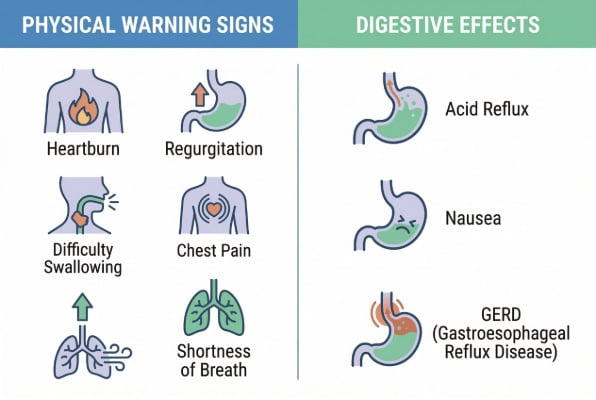
Physical Warning Signs
Individuals with hiatal hernia commonly experience:
- Heartburn
- Food or liquid coming back up (regurgitation)
- Trouble swallowing
- Chest or stomach pain
- Breathing difficulties
Effects on Your Digestive System
The digestive impact can be substantial for those living with hiatal hernia. Symptoms may lead to ongoing digestive complications, including:
- Persistent acid reflux
- Nausea and vomiting
- Gastroesophageal reflux disease (GERD)
Additionally, hiatal hernia can be associated with heart palpitations. This connection may increase anxiety and complicate treatment approaches.
| Symptom | What It Feels Like | How It Affects You |
| Heartburn | Burning sensation in the chest, often worse after meals | Creates discomfort and can interfere with daily activities |
| Chest Pain | Sharp or pressure-like pain behind the breastbone | Can be concerning and mimic cardiac problems |
| Regurgitation | Food or sour liquid returning from the stomach | Disrupts meals and social situations |
| Swallowing Problems | Difficulty getting food or drinks down (dysphagia) | May result in weight loss and nutritional deficiencies |
| Heart Palpitations | Irregular heartbeat sensations like fluttering or pounding | Raises concerns about cardiac health and worsens anxiety |
Understanding hiatal hernia symptoms and their severity is vital. The potential link to heart palpitations can make diagnosis and treatment more complex.
Heart Palpitations Explained
Sensing your heart racing, fluttering, or thumping is relatively common. However, frequent or intense episodes can be frightening.
What Exactly Are Heart Palpitations?
Heart palpitations bring sudden awareness to your heartbeat. You might feel like your heart is racing or skipping beats. While they’re often harmless, understanding their origins matters.
Why Heart Palpitations Happen
Numerous factors can trigger rapid heartbeats. These include stress, anxiety, excessive caffeine consumption, dehydration, and vigorous exercise. Hormonal shifts, such as those during pregnancy, can also contribute.
Medical conditions like hyperthyroidism or cardiac arrhythmias may be responsible as well. Seeking appropriate medical evaluation to address these underlying issues is crucial.
Managing heart palpitations involves practicing relaxation techniques, maintaining a balanced diet, staying well-hydrated, and limiting caffeine and alcohol intake. If palpitations persist, consulting a healthcare provider helps rule out serious conditions.
What Triggers Hiatal Hernia?
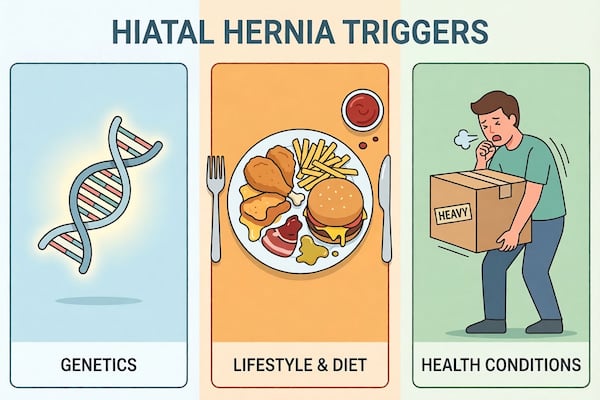
Understanding hiatal hernia causes involves examining genetic predisposition, lifestyle habits, and other health factors. According to Cleveland Clinic’s hiatal hernia research, this knowledge aids in effective treatment.
Genetics play a significant role. If hiatal hernias run in your family, you may have an increased risk. This could relate to inherited differences in how connective tissues function.
Lifestyle choices matter considerably. Large, high-fat meals can overfill your stomach, potentially pushing it into an abnormal position and causing hiatal hernia.
Certain health conditions can also initiate hiatal hernias. Chronic coughing, frequent heavy lifting, or forceful vomiting weakens the stomach’s protective barrier, allowing it to migrate through the diaphragm opening.
In summary, hiatal hernias may develop from:
- Inherited genetic factors
- Poor dietary and lifestyle choices
- Associated health conditions
Comprehending these root causes is essential. It guides us toward the most effective coping strategies and treatments for improved quality of life.
The Connection Between Hiatal Hernia and Heart Palpitations
Hiatal hernia and heart palpitations share a relationship rooted in our body’s internal mechanisms. Many people experience both conditions simultaneously, suggesting they may influence each other.
How They’re Physically Linked
The connection between hiatal hernia and heart palpitations operates through several pathways. The displaced stomach can exert pressure on surrounding structures, potentially causing irregular heartbeats. This explains why these two symptoms frequently occur together. For patients also experiencing silent reflux or LPR, the combination can be particularly challenging to diagnose.
The Vagus Nerve’s Role
The vagus nerve serves as a critical player in this connection. It helps regulate your heartbeat. When a hiatal hernia creates pressure on this nerve, heart palpitations can result. This detail is valuable for both healthcare providers and patients, enabling more comprehensive treatment of both conditions.
Understanding vagus nerve involvement opens doors to better care approaches for individuals experiencing these issues, ultimately improving treatment outcomes and overall well-being. The National Library of Medicine’s clinical overview provides additional insights into this mechanism.
Getting a Proper Diagnosis
Accurately diagnosing hiatal hernia or heart palpitations is fundamental. It enables the development of genuinely effective treatment plans and ensures better patient outcomes.
Medical Testing and Evaluation
Diagnosing hiatal hernias and heart palpitations requires various tests. These assessments identify the problems and gauge their severity, allowing doctors to provide targeted treatments. Common tests include:
Endoscopy: A procedure using a flexible tube with a camera to examine the esophagus and stomach for hiatal hernia indicators.
Manometry: Measures esophageal pressure to identify abnormalities in muscle function. This test is also crucial when evaluating conditions like achalasia.
Electrocardiogram (EKG): Records the heart’s electrical activity to uncover underlying causes of palpitations.
Why Accurate Diagnosis Matters
Correctly identifying hiatal hernia symptoms and heart palpitation causes through appropriate testing is crucial. It ensures patients receive proper care. Precise diagnosis allows treatments to address both digestive and cardiac issues simultaneously. This thorough approach minimizes complications and enhances quality of life. Working with the best hiatal hernia doctors in Tampa ensures you receive comprehensive evaluation.
Treatment Options for Hiatal Hernia
Managing a hiatal hernia typically involves lifestyle adjustments and possibly medication. Understanding these options helps you handle symptoms more effectively.
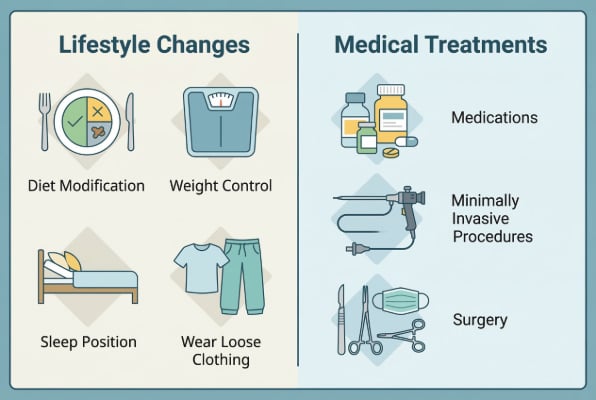
Lifestyle Modifications
Adjusting daily habits plays a major role in hiatal hernia treatment. According to Hopkins Medicine’s hernia guidelines, these changes help reduce symptoms and prevent the condition from worsening:
Dietary Changes: Eat smaller portions and avoid heartburn triggers like spicy and fatty foods.
Weight Control: Maintaining a healthy weight through proper nutrition and exercise reduces stomach pressure. For patients struggling with weight management, incisionless weight loss procedures may offer additional support.
Elevating Your Head: Raising the head of your bed prevents stomach acid from rising during sleep.
Wearing Loose Clothing: Comfortable, loose-fitting clothes reduce abdominal pressure.
Medical Treatments
More severe cases may require medical intervention:
Medications: Doctors may prescribe antacids, H2 blockers, or proton pump inhibitors to reduce stomach acid and relieve symptoms.
Endoscopic Procedures: Minimally invasive techniques like TIF with EsophyX can repair the hernia without major incisions.
Surgery: Operations such as Nissen fundoplication may be necessary when other treatments prove ineffective.
| Treatment Approach | Description | Benefits | Drawbacks |
| Dietary Changes | Smaller meals, avoiding trigger foods | Simple to implement, effective symptom relief | Requires ongoing commitment and dietary vigilance |
| Medications | Antacids and acid-reducing drugs | Provides fast relief | Potential side effects, may not offer permanent solution |
| Surgery | Nissen fundoplication and similar procedures | Long-lasting solution with high success rates | Most invasive option with associated risks |
Managing and Treating Heart Palpitations
Heart palpitations can cause concern, but effective management strategies exist. Here are approaches for both immediate relief and long-term control.
Quick Relief Methods
When experiencing heart palpitations, these techniques offer rapid help:
- Practice deep breathing exercises to stabilize your heart rhythm
- Splash cold water on your face to stimulate a nerve that calms the heart
- Take a gentle walk
- Perform the Valsalva maneuver: pinch your nose closed, keep your mouth shut, and exhale forcefully
Strategies for Long-Term Control
Sustained relief requires lifestyle and health habit changes:
- Consume plenty of fruits, vegetables, and whole grains
- Stay active with walking, swimming, or yoga
- Manage stress through relaxation techniques and adequate sleep
- Avoid triggers including caffeine, nicotine, and certain medications
- Maintain regular doctor visits to monitor heart health and treatment progress
Combining immediate relief techniques with long-term strategies provides comprehensive management of heart palpitations. As Harvard Health notes, addressing the underlying hernia often resolves associated cardiac symptoms.

When Does Hiatal Hernia Require Surgery?
Many people with hiatal hernia find relief through lifestyle changes and medication. However, surgery becomes necessary in certain situations, specifically when symptoms are severe, persistent, and unresponsive to conservative treatments. If someone experiences significant pain, difficulty swallowing, or heartburn leading to complications like esophagitis, surgical intervention may be required. The NIDDK’s digestive health resources outline when surgical consideration becomes appropriate.
The decision to pursue hiatal hernia surgery depends on multiple factors. Physicians evaluate hernia severity, symptom presentation, overall patient health, and whether previous treatments have succeeded. Consulting with the team at Tampa Reflux about the need for surgery is essential.
Understanding available surgical options is equally important. Minimally invasive procedures, such as laparoscopic surgery, are frequently preferred. They offer faster recovery and reduced post-operative discomfort. The LINX Reflux Management System represents another innovative option that provides effective relief with minimal invasiveness. These surgeries repair the hernia and reinforce the diaphragm.
For patients experiencing both hiatal hernia and abdominal hernia with heartburn, a comprehensive surgical approach may address multiple concerns simultaneously. Healthline’s comprehensive guide provides patient-friendly explanations of surgical outcomes. Additionally, the NHS hiatus hernia page offers guidance on recovery expectations.
Anyone considering surgery should thoroughly understand both the benefits and potential risks to make a well-informed decision with their doctor’s guidance. Patients with delayed stomach emptying should also be evaluated for gastroparesis, as this condition can influence surgical planning.
Conclusion
The relationship between hiatal hernia and heart palpitations, while sometimes alarming, is a well-documented medical connection that stems from the stomach’s displacement and its effect on the vagus nerve. Understanding this link empowers you to work more effectively with your healthcare provider to address both conditions simultaneously. Whether through lifestyle modifications like dietary changes and weight management, medications to reduce acid production, or surgical intervention for severe cases, effective treatment options exist. WebMD’s digestive disorder resources and MedlinePlus hiatal hernia information offer additional patient education materials worth reviewing.
The key is obtaining an accurate diagnosis through proper testing, then developing a comprehensive treatment plan tailored to your specific situation. Visit the Tampa Reflux blog for more educational resources on managing digestive conditions. With the right approach, most people can successfully manage both hiatal hernia and associated heart palpitations, significantly improving their quality of life. If you’re ready to explore your treatment options, contact us today to schedule a consultation. Learn more about our comprehensive reflux treatment services at Tampa Reflux.
FAQs
Can a hiatal hernia directly cause heart palpitations?
Yes, a hiatal hernia can trigger heart palpitations when the displaced stomach puts pressure on the vagus nerve, which helps regulate heart rhythm. This physical connection explains why many people experience both conditions together.
Are heart palpitations from a hiatal hernia dangerous?
In most cases, palpitations caused by hiatal hernia are not dangerous and resolve when the hernia is properly treated. However, you should always consult a doctor to rule out underlying cardiac conditions.
What lifestyle changes help both hiatal hernia and heart palpitations?
Eating smaller meals, avoiding caffeine and alcohol, managing stress, and maintaining a healthy weight can improve both conditions. Sleeping with your head elevated and wearing loose clothing also helps reduce symptoms.
When should I see a doctor about hiatal hernia and palpitations?
Seek medical attention if you experience severe chest pain, difficulty breathing, persistent vomiting, or palpitations that don’t improve with rest. These symptoms may indicate complications requiring immediate evaluation.
Will treating my hiatal hernia stop my heart palpitations?
Many patients find their palpitations decrease or disappear once their hiatal hernia is effectively managed through lifestyle changes, medication, or surgery. However, results vary depending on whether other factors are contributing to your palpitations.


An endoscopy cannot tell you if you have reflux. It can only tell you if you have complications of GERD.
If you are unhappy with your reflux symptoms, come in and we can discuss testing and treatments that can accurately diagnose your problem.
#reflux #gerd #hiatalhernia #gastroparesis #linx

CALL US AT 813-922-2920
www.tampareflux.com
If you have a hiatal hernia and fit one of these categories, you should know your options.
Dr. Grandhige is an expert in his field and performs 200 of these surgeries a year. He is the only surgeon in the Tampa Bay Area who offers all surgical options - LINX, Fundoplications, TIF and will be one of 20 surgeons in America introducing the latest procedure RefluxStop in 2026.
We accept most insurances but will verify yours before you come in. These procedures are considered medically necessary and covered by your insurance. You can expect to pay your in-network deductibles and nothing else.
#hiatalhernia #reflux #GERD #LINX #refluxstop
What causes reflux ?
1. Weak lower esophageal sphincter
2. Hiatal hernia
3. Flattening of the Angle of His
4. Poor esophageal motility
5. Gastroparesis (slow stomach)
NOT increased acid production
Don’t let GERD get in the way of living your life. Request your appointment with us today on the link below.
.
.
.
.
https://tampareflux.com/contact-us/
Anyone can be victim to GERD and though weight loss can help reduce GERD symptoms. Many athletes with high impact workouts may continue to have these symptoms. This may be a symptom of a hiatal hernia or other issue. We are more then happy to assist you in finding your solution, just click the link below.
.
.
.
https://tampareflux.com/contact-us/
##healthylifestyle #workout #athletereflux #PPIs #heartburn #LINX #fundoplication #TIF #GERD#tampaheartburn #linx #TIF #fundoplication #tampabayreflux #GERD #acidreflux #acidrefluxsurgery #stopreflux
#nonsurgicalweightloss #ESG #gastricballoon #weightlossjourney #vsg #vsgjourney #spatz3 #orbera #orberaballoon #grandhige #DrG
#tampabayrefluxinstitute #guthealth #roboticsurgery
Heartburn may seem like an annoyance. But if you find yourself having symptoms on a daily basis, it may be time to to talk to Dr. Grandhige as it could be a symptom of something worse.
.
.
.
#chronicheartburn #gerdsymptoms #heartburnrelief #reflux #PPIs #heartburn #LINX #fundoplication #TIF #GERD#tampaheartburn #linx #TIF #fundoplication #tampabayreflux #GERD #acidreflux #acidrefluxsurgery #stopreflux
#nonsurgicalweightloss #ESG #gastricballoon #weightlossjourney #vsg #vsgjourney #spatz3 #orbera #orberaballoon #grandhige #DrG
#tampabayrefluxinstitute #guthealth #roboticsurgery
If you are tired of avoiding your favorite foods or taking daily medications, we can help.
We are the Tampa experts in reflux ! With years of experience and thousands of patients treated successfully, we offer all FDA approved anti-reflux procedures.
Call 813-922-2920 to schedule your appointment
All major insurances accepted.
Not all patients need surgical intervention. Many patients are living a heartburn free life with their PPIs. However 40% of patients taking PPIs are not getting the relief they need. If you are one of those, you have options! Come in and find out more.
.
.
.
.
#letushelpyou #medsnotworking #reflux #PPIs #heartburn #LINX #fundoplication #TIF #GERD#tampaheartburn #linx #TIF #fundoplication #tampabayreflux #GERD #acidreflux #acidrefluxsurgery #stopreflux
#nonsurgicalweightloss #ESG #gastricballoon #weightlossjourney #vsg #vsgjourney #spatz3 #orbera #orberaballoon #grandhige #DrG
#tampabayrefluxinstitute #guthealth #roboticsurgery
#heartburn #stopreflux #hiatalherniarepair #severeheartburn #reflux #tampabayreflux #acidrefluxsurgery #tampaheartburn #GERD #PPIs #achalasia #LINX #TIF #tampareflux #fundoplication #stomach #digestivehealth #ESG #obesity #overweight #weightlossjourney #gastricballoon


