
Written By: Jeffrey Atlas, Health Content Writer
Medically Reviewed By: Dr. Gopal Grandhige, MD, FACS, Board-Certified Surgeon
Last Reviewed: April 22, 2026
The 9 most common heartburn triggers are fatty and fried foods, peppermint, citrus juices, chocolate, spicy foods, raw onions, alcohol, coffee, and carbonated drinks. These foods worsen heartburn mainly by relaxing the lower esophageal sphincter (LES), the muscle that keeps stomach acid from rising into the esophagus, or by increasing acid production.
Heartburn is the burning chest discomfort that defines gastroesophageal reflux disease (GERD), a condition affecting roughly 27.8% of U.S. adults. While triggers vary from person to person, identifying which foods set off your symptoms is one of the most effective ways to reduce flare-ups.
Below, we break down how each food affects your body and what you can do beyond diet to keep heartburn under control.
What Exactly Is Heartburn?
Heartburn stands out as the leading symptom of GERD, a digestive condition that impacts as many as 27.8% of adults in the United States.
GERD occurs when stomach contents push backward into the esophagus, producing symptoms such as:
- heartburn
- burping
- chest discomfort
- a sour or acidic taste caused by regurgitation
Under normal circumstances, stomach acid is prevented from reaching the esophagus thanks to a protective barrier called the lower esophageal sphincter (LES). This circular muscle typically remains shut and only opens during swallowing or burping. A weakened or overly relaxed LES is just one of several potential triggers for GERD.
Additional factors that may raise your chances of developing GERD include:
- slow stomach emptying, which can be linked to gastroparesis
- hiatal hernia
- carrying excess weight
- being older than 50
- heavy alcohol consumption
- smoking cigarettes
- pregnancy
- having a musculoskeletal condition
- using certain medications such as benzodiazepines, NSAIDs, or antidepressants
Managing GERD focuses on controlling its symptoms, heartburn included. Lifestyle adjustments are regarded as the foundation of GERD management, although many people also rely on additional treatments like medication. The American College of Gastroenterology (ACG) currently doesn’t advise individuals with GERD to cut specific foods entirely from their diets. That said, many healthcare providers still suggest that people managing GERD and heartburn steer clear of particular foods and drinks. Some patients also experience silent reflux (LPR), which can present without the classic burning sensation.
If heartburn is a regular struggle, identifying and avoiding certain trigger foods may help you take control of your symptoms. Here are 9 foods that might be causing your heartburn.
1. Fatty and Greasy Foods
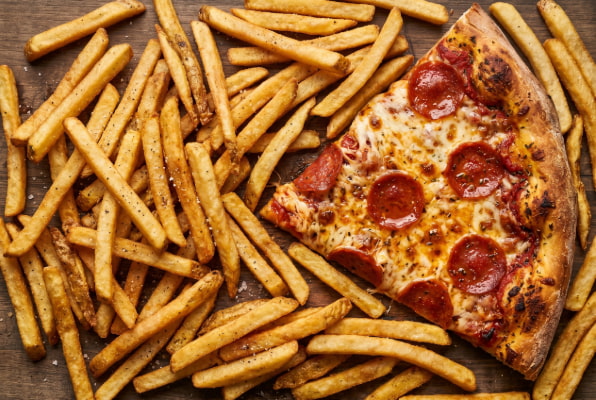
Foods loaded with fat are known heartburn triggers, particularly greasy favorites like french fries and pizza. Scientists are still uncovering exactly how fat contributes to GERD symptoms, but fatty foods appear to intensify heartburn by prompting your body to produce substances that irritate the lining of your esophagus. Among these are bile salts, which exist in the stomach, and cholecystokinin (CCK), a hormone in your bloodstream that can loosen the LES and trigger acid reflux.
One study involving people with GERD discovered that over half of the 85 participants who identified food triggers pointed to high fat fried foods as a cause of their GERD symptoms, including heartburn. Additionally, once participants eliminated trigger foods for 2 weeks, the proportion who reported heartburn fell from 93% down to 44%. Keep in mind that researchers are still investigating which specific fats worsen GERD symptoms, though fried and oily foods appear to pack the biggest punch. For patients struggling with weight-related reflux, incisionless weight loss procedures may offer long-term relief.
2. Peppermint and Spearmint
Mint varieties like peppermint and spearmint are frequently believed to calm digestive discomfort. However, evidence indicates these mints may actually provoke heartburn. Research shows that peppermint lowers LES pressure, which can set off heartburn episodes.
While mint has the potential to trigger GERD symptoms, it tends to affect only a small percentage of those with GERD. If you notice heartburn flaring up after consuming mint-containing products, consider removing them from your diet to check if your symptoms improve.
3. Citrus-Based Drinks
Sipping on citrus juices may set off heartburn symptoms. Orange and grapefruit juices are frequently cited as culprits behind GERD symptoms like heartburn. Still, the exact mechanism behind how citrus juices spark heartburn remains unclear. Even so, many individuals living with GERD steer clear of them to minimize heartburn flare-ups.
4. Chocolate Treats
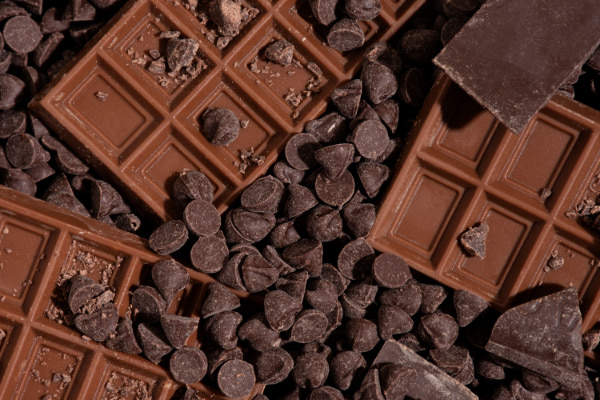
Chocolate is yet another notorious heartburn trigger. Components found in chocolate, including cacao and caffeine, can loosen the LES and boost the esophagus’s contact with acid. Plenty of people notice heartburn symptoms after indulging in chocolate, and research has demonstrated that chocolate can lower LES pressure. Even so, it’s uncertain whether cutting chocolate out completely leads to better heartburn outcomes for everyone. If you discover that chocolate brings on or intensifies your heartburn, consider removing it from your meals. For persistent cases, the LINX Reflux Management System provides a modern surgical solution.
5. Hot and Spicy Dishes
Spicy dishes have a well-known reputation for setting off heartburn. Yet, the exact way they trigger heartburn isn’t entirely clear. However, one study of individuals with GERD discovered that chili capsules boosted gastric accommodation, the process where the upper stomach expands in response to a meal. Studies have found that individuals with GERD typically exhibit a heightened gastric accommodation reflex. This correlates with greater relaxation of the LES, potentially leading to heartburn.
The same study also revealed that chili capsules led to stronger burning sensations in the stomach and more intense heartburn among GERD sufferers, compared to those given a placebo. Another study involving 4,633 Iranian adults revealed that consuming large amounts of spicy foods was linked with a higher risk of heartburn in men, although the same association wasn’t found in women. Additionally, spicy ingredients can aggravate an already inflamed esophagus, potentially making heartburn symptoms worse. If you suspect that spicy foods are behind your heartburn, try cutting them from your diet. In rare cases, chronic symptoms may signal conditions like achalasia that require specialist evaluation.
6. Raw Onions
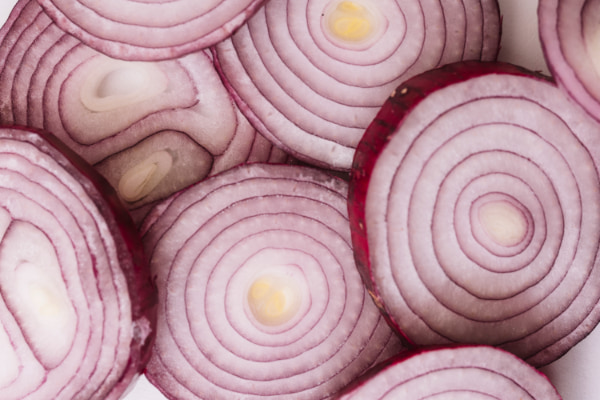
Onions, particularly when raw, rank as a frequent heartburn trigger. Similar to other items on this list, onions provoke heartburn symptoms in many GERD sufferers. However, the exact reason onions trigger or worsen heartburn remains unclear.
In a study dating back to the 1990s, individuals experiencing heartburn ate a regular hamburger one day, and the next day they consumed an identical hamburger topped with onions. The onion-topped burger made heartburn symptoms notably worse compared to the plain version. Still, additional research is required to establish whether every person with heartburn should think about cutting out or limiting their onion consumption.
Additionally, onions pack plenty of FODMAPs (fermentable oligosaccharides, disaccharides, monosaccharides, and polyols), a group of small indigestible carbohydrates known to cause digestive upset in certain individuals. For those sensitive to FODMAPs, these compounds can trigger heartburn.
7. Alcoholic Drinks
Drinking alcohol in moderate to heavy amounts can intensify GERD symptoms, heartburn included. This happens because alcohol loosens the LES, potentially letting stomach acid slip up into the esophagus and spark heartburn. Additionally, studies reveal that alcohol consumption ranks as a risk factor for GERD. A review covering 29 studies discovered that people drinking alcohol more than 5 times or days per week were over twice as likely to develop GERD compared to those who rarely or never drank. Exploring surgical options like fundoplication may be worthwhile for severe, treatment-resistant reflux.
8. Coffee and Other Caffeinated Drinks
Certain individuals may notice heartburn after drinking coffee or other caffeinated drinks. The reason is that caffeine has been found to loosen the lower esophageal sphincter, which may heighten the chances of acid reflux and heartburn. Additionally, coffee may ramp up gastric acid production, potentially making heartburn worse.
While coffee can trigger heartburn for some, not every study has confirmed a connection between coffee and acid reflux symptoms. A study involving 1,837 participants, where 25% had GERD, failed to identify a meaningful link between coffee drinking and GERD symptoms. Although the evidence is mixed, if coffee doesn’t cause you any trouble, there’s no reason to give it up. Conversely, if coffee triggers reflux and heartburn for you, cutting back or avoiding it altogether is the best approach. The TIF procedure with EsophyX is another incisionless option patients may consider.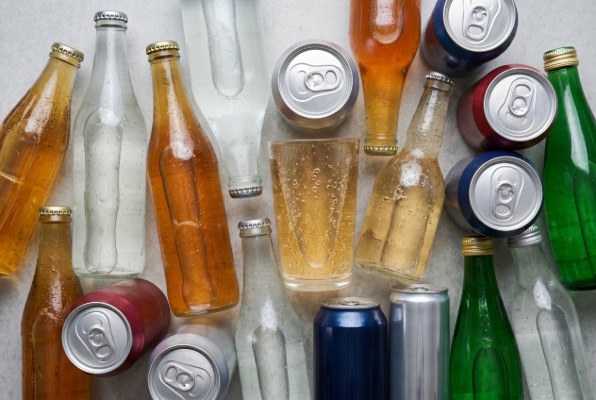
9. Soft Drinks and Fizzy Beverages
A lot of people report getting heartburn after gulping down sodas and fizzy drinks. Research indicates these beverages can loosen the esophageal sphincter and intensify stomach acid acidity, both of which are risk factors for heartburn. In reality, soft drink consumption is viewed as a significant driver of nighttime heartburn, commonly referred to as nocturnal heartburn.
Some research has linked consuming soft drinks to intensified symptoms in GERD sufferers. For instance, an older study revealed that people drinking carbonated beverages faced a 69% higher likelihood of experiencing reflux symptoms such as heartburn. If soda or other fizzy drinks bring on heartburn for you, cutting back or eliminating carbonated beverages entirely is the way to go. Patients dealing with related conditions may benefit from abdominal hernia and heartburn treatment tailored to their diagnosis.
More Strategies to Keep Heartburn Under Control
Beyond cutting trigger foods from your plate, several other strategies can help you keep heartburn in check:
- Maintain a healthy body weight. Obesity has been tied to GERD. Shedding pounds and keeping a healthy weight may ease GERD symptoms, heartburn included.
- Consider a lower carb diet. Research suggests that adopting a lower carb eating plan may help ease GERD symptoms. Cutting back on refined carbs and added sugars alone may also provide relief.
- Skip lying down after eating. Healthcare providers commonly suggest that GERD sufferers finish eating at least 3 hours before hitting the sack. Reclining shortly after meals can make GERD symptoms such as heartburn worse.
- Adopt a Mediterranean-style diet. The Mediterranean diet, loaded with fiber-rich choices like legumes and vegetables along with healthy fats from olive oil and fish, may assist in controlling GERD symptoms.
- Stay physically active. One review noted that engaging in 30 minutes of exercise 3 times weekly was tied to a lower risk of GERD.
- Raise your head while sleeping. Propping up your upper body in bed may ease GERD symptoms and enhance your sleep quality.
Plenty of additional strategies exist for improving and controlling GERD symptoms. If heartburn is a persistent issue, working with a healthcare provider to build a tailored treatment plan is the smartest move. Many patients in Florida seek out the best hiatal hernia doctors in Tampa, FL for advanced, specialized care.
Conclusion
Heartburn doesn’t have to be a constant disruption to your daily life. While the foods outlined in this article, ranging from fatty and fried dishes to chocolate, citrus, spicy meals, onions, alcohol, caffeine, and carbonated drinks, are common culprits, triggers can vary significantly from person to person. The key is paying close attention to how your body responds after meals and identifying which specific foods set off your symptoms.
Keep in mind that managing heartburn effectively goes beyond just avoiding certain foods. Combining dietary awareness with healthy lifestyle habits, such as maintaining a balanced weight, staying active, eating earlier in the evening, and elevating your head during sleep, can make a meaningful difference. For more expert insights, visit the Tampa Bay Reflux Institute blog or explore our full range of reflux care services. If heartburn continues to be a recurring problem despite your efforts, don’t hesitate to contact us to create a personalized treatment plan suited to your needs.
FAQs
How long does heartburn typically last after eating a trigger food?
Heartburn usually lasts anywhere from a few minutes to several hours after consuming a trigger food. The duration often depends on the type and amount of food eaten, as well as individual sensitivity.
Can drinking water help relieve heartburn symptoms?
Yes, sipping water can help wash stomach acid back down into the stomach and provide temporary relief. However, drinking excessive amounts at once may actually worsen symptoms by putting pressure on the LES.
Is heartburn the same as acid reflux?
No, acid reflux is the condition where stomach acid flows back into the esophagus, while heartburn is the burning sensation caused by it. In short, heartburn is a symptom of acid reflux, not the condition itself.
Are there any foods that can actually help soothe heartburn?
Foods like bananas, oatmeal, ginger, leafy greens, and non-citrus fruits are generally gentle on the digestive system. These options may help neutralize stomach acid and reduce the likelihood of flare-ups.
When should I see a doctor about my heartburn?
You should consult a healthcare provider if heartburn occurs more than twice a week or doesn’t improve with lifestyle changes and over-the-counter medications. Persistent symptoms may indicate GERD or other conditions that require proper medical evaluation.


An endoscopy cannot tell you if you have reflux. It can only tell you if you have complications of GERD.
If you are unhappy with your reflux symptoms, come in and we can discuss testing and treatments that can accurately diagnose your problem.
#reflux #gerd #hiatalhernia #gastroparesis #linx

CALL US AT 813-922-2920
www.tampareflux.com
If you have a hiatal hernia and fit one of these categories, you should know your options.
Dr. Grandhige is an expert in his field and performs 200 of these surgeries a year. He is the only surgeon in the Tampa Bay Area who offers all surgical options - LINX, Fundoplications, TIF and will be one of 20 surgeons in America introducing the latest procedure RefluxStop in 2026.
We accept most insurances but will verify yours before you come in. These procedures are considered medically necessary and covered by your insurance. You can expect to pay your in-network deductibles and nothing else.
#hiatalhernia #reflux #GERD #LINX #refluxstop
What causes reflux ?
1. Weak lower esophageal sphincter
2. Hiatal hernia
3. Flattening of the Angle of His
4. Poor esophageal motility
5. Gastroparesis (slow stomach)
NOT increased acid production
Don’t let GERD get in the way of living your life. Request your appointment with us today on the link below.
.
.
.
.
https://tampareflux.com/contact-us/
Anyone can be victim to GERD and though weight loss can help reduce GERD symptoms. Many athletes with high impact workouts may continue to have these symptoms. This may be a symptom of a hiatal hernia or other issue. We are more then happy to assist you in finding your solution, just click the link below.
.
.
.
https://tampareflux.com/contact-us/
##healthylifestyle #workout #athletereflux #PPIs #heartburn #LINX #fundoplication #TIF #GERD#tampaheartburn #linx #TIF #fundoplication #tampabayreflux #GERD #acidreflux #acidrefluxsurgery #stopreflux
#nonsurgicalweightloss #ESG #gastricballoon #weightlossjourney #vsg #vsgjourney #spatz3 #orbera #orberaballoon #grandhige #DrG
#tampabayrefluxinstitute #guthealth #roboticsurgery
Heartburn may seem like an annoyance. But if you find yourself having symptoms on a daily basis, it may be time to to talk to Dr. Grandhige as it could be a symptom of something worse.
.
.
.
#chronicheartburn #gerdsymptoms #heartburnrelief #reflux #PPIs #heartburn #LINX #fundoplication #TIF #GERD#tampaheartburn #linx #TIF #fundoplication #tampabayreflux #GERD #acidreflux #acidrefluxsurgery #stopreflux
#nonsurgicalweightloss #ESG #gastricballoon #weightlossjourney #vsg #vsgjourney #spatz3 #orbera #orberaballoon #grandhige #DrG
#tampabayrefluxinstitute #guthealth #roboticsurgery
If you are tired of avoiding your favorite foods or taking daily medications, we can help.
We are the Tampa experts in reflux ! With years of experience and thousands of patients treated successfully, we offer all FDA approved anti-reflux procedures.
Call 813-922-2920 to schedule your appointment
All major insurances accepted.
Not all patients need surgical intervention. Many patients are living a heartburn free life with their PPIs. However 40% of patients taking PPIs are not getting the relief they need. If you are one of those, you have options! Come in and find out more.
.
.
.
.
#letushelpyou #medsnotworking #reflux #PPIs #heartburn #LINX #fundoplication #TIF #GERD#tampaheartburn #linx #TIF #fundoplication #tampabayreflux #GERD #acidreflux #acidrefluxsurgery #stopreflux
#nonsurgicalweightloss #ESG #gastricballoon #weightlossjourney #vsg #vsgjourney #spatz3 #orbera #orberaballoon #grandhige #DrG
#tampabayrefluxinstitute #guthealth #roboticsurgery
#heartburn #stopreflux #hiatalherniarepair #severeheartburn #reflux #tampabayreflux #acidrefluxsurgery #tampaheartburn #GERD #PPIs #achalasia #LINX #TIF #tampareflux #fundoplication #stomach #digestivehealth #ESG #obesity #overweight #weightlossjourney #gastricballoon


