

Written By: Jeffrey Atlas, Health Content Writer
Medically Reviewed By: Dr. Gopal Grandhige, MD, FACS, Board-Certified Surgeon
Last Reviewed: April 26, 2026
A hiatal hernia occurs when part of the stomach pushes up through the diaphragm opening, often causing acid reflux, heartburn, and chest discomfort. While natural remedies cannot physically close the diaphragmatic opening, they can significantly reduce symptoms and improve daily comfort when applied consistently.
The most effective natural remedies for hiatal hernia relief include eating smaller meals, elevating the head of the bed by 6 to 8 inches, avoiding trigger foods like caffeine and fried items, practicing diaphragmatic breathing, gentle self-massage, soothing supplements like DGL and slippery elm, low-impact yoga, and stress management. Together, these approaches target the mechanical, dietary, and nervous system factors that drive symptoms.
This guide explains exactly how each remedy works, who it helps most, and the safest way to apply it, so you can build a long-term management plan that actually fits your lifestyle.
1. Portion Control, Meal Timing, and How You Eat
Lowering the pressure inside your abdomen is by far the most powerful natural tactic for keeping hiatal hernia symptoms in check.
Oversized meals expand the stomach, force it upward against the diaphragm, and trigger reflux. Eating smaller portions more often eases that upward push and helps food move through the stomach more efficiently. People dealing with overlapping conditions like GERD often see the biggest improvements once portions come down.
Recommended habits
- Switch from 2 or 3 big meals to 4 to 6 lighter ones
- Finish eating no less than 2 to 3 hours before bedtime
- Take your time and chew each bite well
- Steer clear of bending forward right after eating
This method tackles the mechanical cause of reflux head-on instead of simply masking the acid.

2. Raising the Head of Your Bed at Night
Gravity has a huge influence on how severe reflux becomes. Sleeping flat lets stomach contents travel upward through the hiatal opening with ease.
Lifting the head of the bed by 6 to 8 inches keeps acid where it belongs and cuts down on overnight reflux flare-ups, an approach widely supported by Mayo Clinic guidance on managing hernia-related reflux.
What actually works
- Bed risers placed beneath the headboard legs
- A wedge-shaped foam pillow that lifts the upper body
- Resting on your left side to limit acid exposure
Piling up regular pillows isn’t nearly as helpful since it kinks the neck rather than raising the entire torso.
3. Diet Tweaks That Cut Down on Reflux Triggers
What you eat impacts hiatal hernia symptoms in three key ways: how much acid your stomach produces, how quickly it empties, and how much gas builds up. For people with co-occurring silent reflux (LPR), these dietary shifts often matter even more because acid exposure can damage the throat and airway without classic heartburn warning signs.
Foods that frequently aggravate symptoms
- Greasy and deep-fried dishes
- Chocolate and cocoa-based products
- Coffee, caffeinated drinks, and fizzy beverages
- Alcoholic drinks
- Citrus fruits and tomato-heavy sauces
- Onions, garlic, mint, and heavily spiced foods
Foods that tend to sit better
- Lean protein sources such as fish, poultry, and eggs
- Non-acidic fruits like bananas and melons
- Vegetables that have been cooked
- Whole grains and oatmeal
- Reduced-fat dairy or plant-based substitutes
Try not to gulp down lots of fluid while eating. It’s better to drink between meals so your stomach doesn’t get stretched out. The Cleveland Clinic similarly emphasizes that small dietary adjustments often produce noticeable symptom relief within weeks.

4. Belly Breathing and Gentle Posture Work
The diaphragm pulls double duty as both a breathing muscle and structural support for the esophagus. Shallow chest-only breathing throws off diaphragm coordination and adds strain to the hiatus.
Diaphragmatic breathing helps reset healthy pressure dynamics and reinforces esophageal stability. This connection between breathing and motility is also seen in conditions like achalasia, where esophageal coordination is compromised.
Simple belly breathing routine
- Settle into a comfortable seated or lying position
- Rest one hand on your chest and the other on your stomach
- Draw air slowly in through your nose, letting the belly expand outward
- Release the breath softly through your mouth
- Keep at it for 5 to 10 minutes each day
This practice is particularly useful during symptom flare-ups and right before bed. Research indexed in the National Library of Medicine supports diaphragmatic training as an adjunct therapy for reflux symptoms.
5. Self-Massage and Hands-On Methods
Pressing gently downward on the upper abdomen may briefly help guide the stomach back to its place beneath the diaphragm.
Step-by-step approach
- Lie flat on your back in a relaxed posture
- Find the spot just under your rib cage
- Press lightly downward in the direction of your belly button
- Continue breathing slowly and massaging for 3 to 5 minutes
Don’t apply heavy pressure. The technique should never trigger pain or lightheadedness, and anyone with known complications should skip it altogether. According to Johns Hopkins Medicine, patients with larger paraesophageal hernias should always check with a specialist before attempting any manual technique.
6. Natural Tissue-Soothing Aids and Supplements
Certain supplements can shield the esophagus or aid digestion. They can also be helpful for those managing gastroparesis, where delayed stomach emptying compounds reflux pressure.
Choices backed by some evidence
- Alginates create a protective gel layer floating atop stomach contents and are especially useful for reflux
- Deglycyrrhizinated licorice (DGL) helps protect mucous membranes without bumping up blood pressure
- Slippery elm and marshmallow root carry mucilage that soothes inflamed tissue
- Ginger aids digestion and calms gastric irritation
Apple cider vinegar calls for caution. It can intensify symptoms for many users and shouldn’t be taken if the esophagus is inflamed. Resources like MedlinePlus provide additional context on which supplements are considered safe alongside standard hernia care.
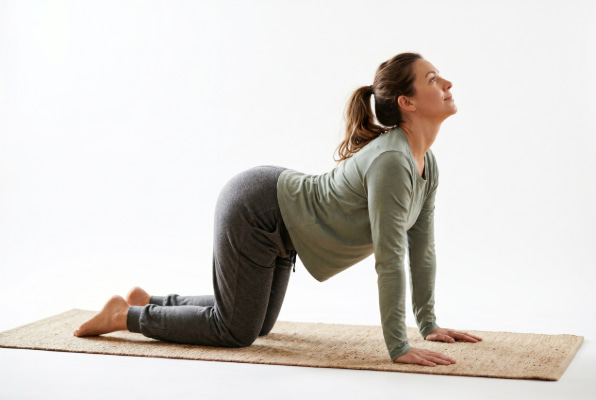
7. Yoga, Stretching, and Mindful Movement
Easy movement boosts digestion and supports good posture, but some exercises can backfire.
Generally beneficial
- Easy-paced walking
- Cat-cow flows
- Seated spinal twists and bends
- Restorative-style yoga
Often problematic
- Deep backward bends
- Vigorous core training
- Upside-down poses
- Heavy strength training
Anything that sharply spikes pressure inside the abdomen can flare up symptoms. The SAGES surgical guidelines note that intra-abdominal pressure is one of the strongest contributors to hernia progression, making movement choices a meaningful part of long-term care.
8. Lowering Stress and Calming the Nervous System
Stress changes the way you breathe, digest, and hold tension in your muscles. Long-term stress can fuel reflux even when your diet and posture are dialed in. A peer-reviewed study published on PubMed Central outlines how chronic stress directly influences esophageal sensitivity and reflux frequency.
Helpful approaches include:
- Mindfulness-based meditation
- Easy-going yoga sessions
- Slow, controlled breathing
- Getting enough quality sleep
- Cutting back on rushed or distracted eating
Managing stress won’t cure a hiatal hernia, but it can noticeably bring down how often symptoms show up. Reading practical insights on the Tampa Bay Reflux Institute blog can help you stay current on emerging stress-and-digestion research.
Understanding What a Hiatal Hernia Is and Why It Causes Symptoms
The diaphragm divides the chest from the abdominal cavity. The esophagus runs through a passage known as the hiatus before joining up with the stomach.
When that passage stretches or loses strength, a section of the stomach can slide upward. This throws off the lower esophageal sphincter and lets acid splash back into the esophagus. A clear breakdown of this anatomy is offered by Harvard Health, which explains why even small structural changes can create big symptoms.
Symptoms tend to spike:
- Following meals
- While bending forward
- When lying flat
- In stressful periods
What Natural Remedies Can and Can’t Achieve
Natural remedies are able to:
- Cut down on how often reflux occurs
- Lessen how intense symptoms feel
- Boost digestive function
- Reinforce diaphragm coordination
Natural remedies cannot:
- Seal the diaphragmatic opening
- Permanently move the stomach back into place
- Eliminate all risk of complications
Knowing where the line is leads to better results and keeps frustration at bay. When lifestyle measures stop being enough, procedures such as fundoplication surgery, the LINX Reflux Management System, or the TIF (EsophyX) procedure may be discussed with a specialist.
Habits to Steer Clear of With a Hiatal Hernia
Some routines are almost guaranteed to make symptoms worse:
- Snug belts or restrictive waistbands
- Lifting heavy items shortly after eating
- Reclining flat after meals
- Eating past the point of fullness
- Carbonated drinks
Cutting out these triggers often brings quicker relief than piling on supplements. For patients whose weight contributes to reflux pressure, options like incisionless weight loss procedures can also be part of a broader treatment conversation.

When to Get Medical Help
Reach out for medical attention right away if you notice:
- Intense or ongoing chest pain
- Trouble swallowing that keeps getting worse
- Throwing up blood or passing dark, tarry stools
- Being unable to pass gas or have a bowel movement
- Sudden, intense pain in the abdomen
These warning signs could point to an obstruction, strangulation, or another serious issue. WebMD provides a useful overview of the red-flag symptoms that warrant urgent evaluation. If you are local to Florida, the top hiatal hernia doctors in Tampa, FL can perform comprehensive diagnostic workups.
Building a Long-Term Management Plan
Sustainable symptom control comes from blending:
- Steady eating routines
- Smart sleep positioning
- Easy, regular movement
- Stress management practices
- Tracking how your symptoms change
Plenty of people keep a strong quality of life through these measures alone, while others may eventually need medication or a surgical consultation. Learning more about the team at Tampa Bay Reflux Institute can help you understand which specialists treat complex hernia and reflux cases. For those also navigating abdominal hernia and heartburn treatment, an integrated care plan often produces the best long-term outcomes.
Conclusion
Living with a hiatal hernia doesn’t have to mean a life dominated by discomfort or constant medication. While natural remedies can’t physically repair the diaphragmatic opening, they offer a meaningful, sustainable way to keep symptoms in check and improve your overall quality of life. The most effective approach combines several strategies at once: mindful eating habits, smart sleep positioning, gentle movement, stress reduction, and supportive supplements when appropriate.
The key is consistency. Small, daily adjustments to how you eat, breathe, move, and rest tend to deliver far better long-term results than any single quick fix. Pay attention to your body, track which triggers affect you most, and don’t hesitate to contact a reflux specialist if symptoms worsen or warning signs appear. With the right blend of awareness and lifestyle changes, most people can manage a hiatal hernia comfortably and confidently for the long haul. To explore additional treatment options and educational resources, visit Tampa Bay Reflux Institute.
FAQs
Can a hiatal hernia heal on its own naturally?
A hiatal hernia cannot fully heal on its own since the diaphragmatic opening doesn’t close without medical intervention. However, symptoms can be significantly reduced or even eliminated through consistent lifestyle and dietary changes.
What is the best sleeping position for a hiatal hernia?
Sleeping on your left side with the head of the bed elevated 6 to 8 inches is considered the most effective position. This combination uses gravity to keep stomach acid down and reduces nighttime reflux episodes.
Is drinking water good for a hiatal hernia?
Yes, water is generally helpful as it aids digestion and can wash acid back down the esophagus. Just avoid drinking large amounts during meals, as this can stretch the stomach and worsen symptoms.
Can stress really make a hiatal hernia worse?
Absolutely, since stress alters breathing patterns, slows digestion, and increases muscle tension around the diaphragm. Managing stress through meditation, breathing exercises, and quality sleep can noticeably reduce symptom flare-ups.
When should I consider surgery for a hiatal hernia?
Surgery is typically considered when symptoms remain severe despite lifestyle changes and medication, or if complications like obstruction or strangulation occur. Always consult a gastroenterologist to evaluate whether surgical intervention is necessary for your specific case.


An endoscopy cannot tell you if you have reflux. It can only tell you if you have complications of GERD.
If you are unhappy with your reflux symptoms, come in and we can discuss testing and treatments that can accurately diagnose your problem.
#reflux #gerd #hiatalhernia #gastroparesis #linx

CALL US AT 813-922-2920
www.tampareflux.com
If you have a hiatal hernia and fit one of these categories, you should know your options.
Dr. Grandhige is an expert in his field and performs 200 of these surgeries a year. He is the only surgeon in the Tampa Bay Area who offers all surgical options - LINX, Fundoplications, TIF and will be one of 20 surgeons in America introducing the latest procedure RefluxStop in 2026.
We accept most insurances but will verify yours before you come in. These procedures are considered medically necessary and covered by your insurance. You can expect to pay your in-network deductibles and nothing else.
#hiatalhernia #reflux #GERD #LINX #refluxstop
What causes reflux ?
1. Weak lower esophageal sphincter
2. Hiatal hernia
3. Flattening of the Angle of His
4. Poor esophageal motility
5. Gastroparesis (slow stomach)
NOT increased acid production
Don’t let GERD get in the way of living your life. Request your appointment with us today on the link below.
.
.
.
.
https://tampareflux.com/contact-us/
Anyone can be victim to GERD and though weight loss can help reduce GERD symptoms. Many athletes with high impact workouts may continue to have these symptoms. This may be a symptom of a hiatal hernia or other issue. We are more then happy to assist you in finding your solution, just click the link below.
.
.
.
https://tampareflux.com/contact-us/
##healthylifestyle #workout #athletereflux #PPIs #heartburn #LINX #fundoplication #TIF #GERD#tampaheartburn #linx #TIF #fundoplication #tampabayreflux #GERD #acidreflux #acidrefluxsurgery #stopreflux
#nonsurgicalweightloss #ESG #gastricballoon #weightlossjourney #vsg #vsgjourney #spatz3 #orbera #orberaballoon #grandhige #DrG
#tampabayrefluxinstitute #guthealth #roboticsurgery
Heartburn may seem like an annoyance. But if you find yourself having symptoms on a daily basis, it may be time to to talk to Dr. Grandhige as it could be a symptom of something worse.
.
.
.
#chronicheartburn #gerdsymptoms #heartburnrelief #reflux #PPIs #heartburn #LINX #fundoplication #TIF #GERD#tampaheartburn #linx #TIF #fundoplication #tampabayreflux #GERD #acidreflux #acidrefluxsurgery #stopreflux
#nonsurgicalweightloss #ESG #gastricballoon #weightlossjourney #vsg #vsgjourney #spatz3 #orbera #orberaballoon #grandhige #DrG
#tampabayrefluxinstitute #guthealth #roboticsurgery
If you are tired of avoiding your favorite foods or taking daily medications, we can help.
We are the Tampa experts in reflux ! With years of experience and thousands of patients treated successfully, we offer all FDA approved anti-reflux procedures.
Call 813-922-2920 to schedule your appointment
All major insurances accepted.
Not all patients need surgical intervention. Many patients are living a heartburn free life with their PPIs. However 40% of patients taking PPIs are not getting the relief they need. If you are one of those, you have options! Come in and find out more.
.
.
.
.
#letushelpyou #medsnotworking #reflux #PPIs #heartburn #LINX #fundoplication #TIF #GERD#tampaheartburn #linx #TIF #fundoplication #tampabayreflux #GERD #acidreflux #acidrefluxsurgery #stopreflux
#nonsurgicalweightloss #ESG #gastricballoon #weightlossjourney #vsg #vsgjourney #spatz3 #orbera #orberaballoon #grandhige #DrG
#tampabayrefluxinstitute #guthealth #roboticsurgery
#heartburn #stopreflux #hiatalherniarepair #severeheartburn #reflux #tampabayreflux #acidrefluxsurgery #tampaheartburn #GERD #PPIs #achalasia #LINX #TIF #tampareflux #fundoplication #stomach #digestivehealth #ESG #obesity #overweight #weightlossjourney #gastricballoon


