

Written By: Jeffrey Atlas, Health Content Writer
Medically Reviewed By: Dr. Gopal Grandhige, MD, FACS, Board-Certified Surgeon
Last Reviewed: February 17, 2026
Gastroparesis is a digestive condition where the stomach empties food too slowly due to vagus nerve dysfunction, causing nausea, vomiting, bloating, and early satiety.
The most effective dietary strategies for managing gastroparesis include:
- Eat smaller, more frequent meals (4–6 daily) to reduce stomach distension
- Choose soft, easily digestible foods like smoothies, soups, pureed vegetables, and yogurt
- Chew thoroughly until food reaches an applesauce-like consistency
- Stay upright for 1–2 hours after eating to prevent nausea and reflux
- Take a light walk after meals to stimulate gastric motility
- Focus on soluble fiber (bananas, oatmeal, cooked vegetables) rather than raw or insoluble fiber
- Avoid fried foods, alcohol, tobacco, and carbonated drinks, which slow gastric emptying
- Maintain tight blood sugar control if diabetic, as hyperglycemia worsens symptoms
1. Chew Food Thoroughly Until It Reaches an Applesauce-Like Consistency
Patients should focus on complete mechanical breakdown of food before swallowing. This thorough mastication reduces the workload on the stomach and facilitates more efficient gastric processing, ultimately accelerating emptying times and reducing symptom burden.
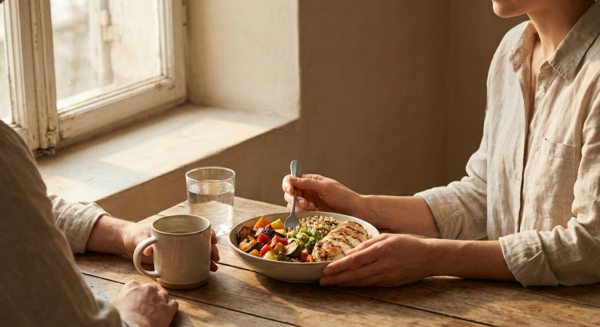
Eat Slowly and Mindfully in a Relaxed Environment
Consuming meals in a calm, seated position while minimizing distractions promotes optimal digestive function. Rushed eating and multitasking during meals, such as working while eating lunch, can impair gastric motility and exacerbate symptoms.
Understanding the Gut-Brain Connection in Gastroparesis Management
The relationship between mental health and gastroparesis symptoms is bidirectional, meaning stress and anxiety can worsen digestive function while chronic symptoms can trigger psychological distress. Research indicates that gastroparesis symptoms are adversely associated with increased anxiety and depression, with rates of psychopathology in gastroparesis cohorts ranging between 21.8% to 50%. The brain has a direct effect on the stomach and intestines, and a troubled intestine can send signals to the brain, just as a troubled brain can send signals to the gut. When it comes to the digestive system, stress can significantly alter its function by slowing down or speeding up digestion, causing inflammation in the gut, and even changing the composition of gut bacteria. Incorporating stress-reduction techniques such as mindfulness meditation, deep breathing exercises, and gentle yoga may help calm the nervous system and reduce symptom flare-ups. Studies have found that depression and gastric function improved in patients who received psychological intervention. Patients experiencing persistent anxiety or depression alongside their gastroparesis symptoms should consider working with mental health professionals as part of their comprehensive treatment plan.
3. Maintain Upright Posture for One to Two Hours After Eating
Remaining seated or standing following meals significantly reduces the risk of postprandial nausea and vomiting. Lying down shortly after eating allows gastric contents to pool and can trigger uncomfortable silent reflux symptoms.

4. Engage in Light Walking One to Two Hours After Meals
Gentle ambulatory activity following food consumption stimulates gastrointestinal motility and promotes gastric emptying. However, patients should avoid high-intensity exercise immediately after meals, as vigorous activity can divert blood flow away from the digestive system and hinder the digestive process.
5. Prioritize Soft, Easily Digestible Foods
The gastric emptying rate is significantly influenced by food consistency. Patients generally tolerate mashed, pureed, liquid, and semi-liquid foods more effectively than solid alternatives. Smoothies, soups, broths, and yogurt represent excellent dietary options. A practical guideline for food selection: if a food can be easily divided using only a fork, it is likely appropriate for consumption.
6. Modify Fiber Type and Texture Based on Tolerance
Insoluble fiber, found in raw vegetables, fruit skins, popcorn, and whole nuts, requires considerable digestive effort and can exacerbate symptoms when consumed in its natural state. Cooking or blending these foods enhances digestibility and promotes faster gastric transit. Practical examples include leafy greens blended into smoothies, vegetables pureed into soups, and nut butters substituted for whole nuts. Soluble fiber sources, including bananas, sweet potatoes, oatmeal, and applesauce, are generally better tolerated. Maintaining adequate fiber intake remains clinically important for preventing constipation, which can compound gastroparesis symptoms. In cases of severe delayed emptying, a predominantly liquid or blended diet may become medically necessary.
7. Consider Strategic Meal Timing Throughout the Day
Many patients report that symptoms intensify as the day progresses due to cumulative gastric retention. A modified meal pattern, consuming solid foods at breakfast, semi-solid options at lunch, and liquid-based meals in the evening, may provide symptomatic relief. Social gatherings can be shifted to morning hours, or patients may consider meeting friends for coffee or walks rather than substantial evening dinners.
8. Consume Smaller, More Frequent Meals Throughout the Day
Eating four to six smaller meals and snacks daily, rather than three large meals, reduces gastric distension and allows more efficient digestion. Early satiety is a hallmark symptom of gastroparesis, making this approach particularly beneficial for maintaining adequate nutritional intake. For patients experiencing unintentional weight loss, malnutrition, or elevated caloric requirements, high-protein, calorie-dense smoothies serve as an effective nutritional supplement.
9. Maintain Tight Glycemic Control If Diabetic
Hyperglycemia, even transient episodes, can significantly delay gastric emptying. For patients with diabetes-related gastroparesis, maintaining optimal blood sugar levels through close collaboration with their healthcare team is essential for effective symptom management and disease control.
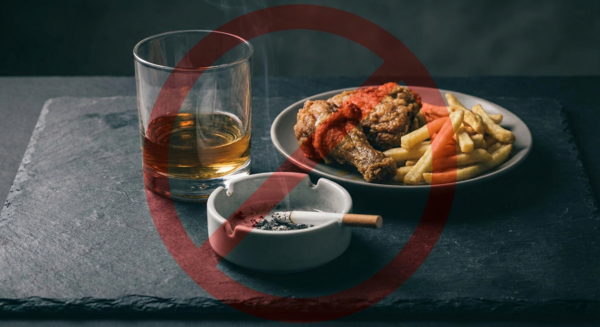
10. Limit or Eliminate Alcohol, Tobacco, and Fried Foods
These substances impair gastric motility and frequently trigger symptom flares. Deep-fried and greasy foods are particularly problematic as they substantially delay stomach emptying. Minimizing or eliminating these items from the diet often yields meaningful symptomatic improvement. Patients experiencing persistent symptoms should contact a specialist for personalized guidance.
11. Avoid Carbonated Beverages
The gaseous content of sparkling drinks causes gastric distension, which can precipitate or worsen gastroparesis symptoms. Patients should choose still beverages as their primary fluid sources to minimize this effect.
12. Maintain Adequate Hydration with Strategic Fluid Timing
Gastroparesis patients face elevated dehydration risk, particularly those experiencing frequent vomiting. Consuming the majority of daily fluids one to two hours before or after meals, rather than during, helps minimize nausea and vomiting episodes. Patients who vomit regularly should prioritize potassium-rich fluids such as coconut water to prevent hypokalemia, a potentially serious electrolyte imbalance.
13. Undergo Comprehensive Nutritional Assessment to Address Deficiencies
Delayed stomach emptying can impair nutrient absorption and dietary intake, leading to deficiencies in iron, vitamin B12, vitamin D, and other essential micronutrients. A thorough nutritional evaluation, including detailed dietary history and laboratory testing, is recommended for all patients. Registered dietitians can provide invaluable guidance in identifying and correcting these nutritional gaps.
14. Transition Supplements to Liquid, Chewable, or Crushable Formulations
Traditional tablet supplements may be poorly tolerated or inadequately absorbed in gastroparesis patients. Switching to alternative formulations often improves bioavailability and tolerability. Patients should consult their physician, pharmacist, or registered dietitian to identify appropriate supplement options tailored to their individual needs.

15. Consider a Low-Fat Diet If Other Interventions Prove Insufficient
Dietary fat can slow gastric emptying rates. However, most patients maintain tolerance for fats in liquid form, such as extra-virgin olive oil, avocado oil, and flaxseed oil. These sources provide essential fatty acids and calorie-dense nutrition that help prevent unintentional weight loss, a common and concerning complication in gastroparesis patients. A structured low-fat dietary approach should be implemented when other strategies fail to provide adequate symptom relief.
Conclusion
Managing gastroparesis effectively requires a comprehensive approach that combines dietary modifications with thoughtful lifestyle adjustments. By implementing strategies such as eating smaller, more frequent meals, choosing easily digestible foods, maintaining proper posture after eating, and staying adequately hydrated, patients can significantly reduce symptom severity and improve their overall quality of life. While these evidence-based recommendations provide a strong foundation for symptom management, individual responses vary considerably, and what works well for one patient may not suit another. Working closely with a healthcare team, including gastroenterologists and registered dietitians, allows for personalized treatment plans that address each patient’s unique needs and nutritional requirements. With patience, careful attention to dietary choices, and consistent application of these strategies, many patients find meaningful relief and regain control over their digestive health.
Patients with co-existing conditions such as hiatal hernias or achalasia may require additional treatment approaches. For those who do not respond to conservative management, surgical options including fundoplication procedures or the LINX Reflux Management System may be considered for associated reflux symptoms. Other minimally invasive options such as TIF EsophyX and incisionless procedures are also available for appropriate candidates. For comprehensive information on delayed gastric emptying, patients are encouraged to explore our blog resources or consult with the best hiatal hernia doctors in Tampa who also specialize in heartburn treatment.
FAQs
What is the most important dietary change for gastroparesis?
Eating smaller, more frequent meals throughout the day reduces stomach distension and allows for more efficient digestion. This approach helps manage early satiety while maintaining adequate nutritional intake.
Can I still eat fiber if I have gastroparesis?
Yes, but focus on soluble fiber sources like bananas, oatmeal, and cooked vegetables rather than raw or insoluble fiber. Blending or cooking fiber-rich foods makes them much easier to digest.
Why should I avoid lying down after meals?
Remaining upright for one to two hours after eating prevents gastric contents from pooling and reduces the risk of nausea, vomiting, and reflux. Gentle walking during this time can also help stimulate gastric motility.
Are liquid supplements better than pills for gastroparesis patients?
Liquid, chewable, or crushable supplements are generally better absorbed and tolerated than traditional tablets. Consult your healthcare provider to identify the best formulations for your specific needs.
How does blood sugar affect gastroparesis symptoms?
High blood sugar levels can significantly slow gastric emptying, worsening symptoms even temporarily. Diabetic patients should work closely with their healthcare team to maintain tight glycemic control.


An endoscopy cannot tell you if you have reflux. It can only tell you if you have complications of GERD.
If you are unhappy with your reflux symptoms, come in and we can discuss testing and treatments that can accurately diagnose your problem.
#reflux #gerd #hiatalhernia #gastroparesis #linx

CALL US AT 813-922-2920
www.tampareflux.com
If you have a hiatal hernia and fit one of these categories, you should know your options.
Dr. Grandhige is an expert in his field and performs 200 of these surgeries a year. He is the only surgeon in the Tampa Bay Area who offers all surgical options - LINX, Fundoplications, TIF and will be one of 20 surgeons in America introducing the latest procedure RefluxStop in 2026.
We accept most insurances but will verify yours before you come in. These procedures are considered medically necessary and covered by your insurance. You can expect to pay your in-network deductibles and nothing else.
#hiatalhernia #reflux #GERD #LINX #refluxstop
What causes reflux ?
1. Weak lower esophageal sphincter
2. Hiatal hernia
3. Flattening of the Angle of His
4. Poor esophageal motility
5. Gastroparesis (slow stomach)
NOT increased acid production
Don’t let GERD get in the way of living your life. Request your appointment with us today on the link below.
.
.
.
.
https://tampareflux.com/contact-us/
Anyone can be victim to GERD and though weight loss can help reduce GERD symptoms. Many athletes with high impact workouts may continue to have these symptoms. This may be a symptom of a hiatal hernia or other issue. We are more then happy to assist you in finding your solution, just click the link below.
.
.
.
https://tampareflux.com/contact-us/
##healthylifestyle #workout #athletereflux #PPIs #heartburn #LINX #fundoplication #TIF #GERD#tampaheartburn #linx #TIF #fundoplication #tampabayreflux #GERD #acidreflux #acidrefluxsurgery #stopreflux
#nonsurgicalweightloss #ESG #gastricballoon #weightlossjourney #vsg #vsgjourney #spatz3 #orbera #orberaballoon #grandhige #DrG
#tampabayrefluxinstitute #guthealth #roboticsurgery
Heartburn may seem like an annoyance. But if you find yourself having symptoms on a daily basis, it may be time to to talk to Dr. Grandhige as it could be a symptom of something worse.
.
.
.
#chronicheartburn #gerdsymptoms #heartburnrelief #reflux #PPIs #heartburn #LINX #fundoplication #TIF #GERD#tampaheartburn #linx #TIF #fundoplication #tampabayreflux #GERD #acidreflux #acidrefluxsurgery #stopreflux
#nonsurgicalweightloss #ESG #gastricballoon #weightlossjourney #vsg #vsgjourney #spatz3 #orbera #orberaballoon #grandhige #DrG
#tampabayrefluxinstitute #guthealth #roboticsurgery
If you are tired of avoiding your favorite foods or taking daily medications, we can help.
We are the Tampa experts in reflux ! With years of experience and thousands of patients treated successfully, we offer all FDA approved anti-reflux procedures.
Call 813-922-2920 to schedule your appointment
All major insurances accepted.
Not all patients need surgical intervention. Many patients are living a heartburn free life with their PPIs. However 40% of patients taking PPIs are not getting the relief they need. If you are one of those, you have options! Come in and find out more.
.
.
.
.
#letushelpyou #medsnotworking #reflux #PPIs #heartburn #LINX #fundoplication #TIF #GERD#tampaheartburn #linx #TIF #fundoplication #tampabayreflux #GERD #acidreflux #acidrefluxsurgery #stopreflux
#nonsurgicalweightloss #ESG #gastricballoon #weightlossjourney #vsg #vsgjourney #spatz3 #orbera #orberaballoon #grandhige #DrG
#tampabayrefluxinstitute #guthealth #roboticsurgery
#heartburn #stopreflux #hiatalherniarepair #severeheartburn #reflux #tampabayreflux #acidrefluxsurgery #tampaheartburn #GERD #PPIs #achalasia #LINX #TIF #tampareflux #fundoplication #stomach #digestivehealth #ESG #obesity #overweight #weightlossjourney #gastricballoon


