

Written By: Jeffrey Atlas, Health Content Writer
Medically Reviewed By: Dr. Gopal Grandhige, MD, FACS, Board-Certified Surgeon
Last Reviewed: February 21, 2026
Gastroparesis is a condition where the stomach empties food more slowly than normal, causing symptoms like early fullness, persistent nausea, vomiting, undigested food, bloating, and unpredictable blood sugar levels in diabetics. Treatment focuses on three core strategies: eating smaller, more frequent meals with soft, low-fat, low-fiber foods; using medications like prokinetics and antiemetics when needed; and coordinating meal timing with blood sugar management. Most patients see improvement within two to four weeks when following a consistent plan. While gastroparesis is typically chronic and not curable, it can be effectively managed, allowing most people to significantly reduce symptoms and improve quality of life with the right dietary modifications, medication timing, and lifestyle adjustments like brief walks after eating.
Understanding Gastroparesis and Its Impact on Daily Life
Gastroparesis occurs when the stomach empties its contents more slowly than normal. Rather than passing food into the small intestine at the expected rate, the stomach retains it, causing the stomach walls to stretch. This triggers nausea and creates that uncomfortably full sensation after eating just a small amount. Contributing factors include diabetes that has persisted for years, nerve damage following viral infections, medications that reduce stomach motility, connective tissue conditions, and changes from previous surgeries. Many individuals also experience overlapping digestive issues such as acid reflux or constipation that intensify their symptoms.
Recognizing Gastroparesis Symptoms That Require Attention
The telltale signs of gastroparesis include feeling satisfied too early during meals, ongoing nausea, throwing up food that hasn’t been digested, abdominal bloating, upper stomach discomfort, inconsistent appetite, and unexpected weight fluctuations. People with diabetes frequently notice dramatic blood sugar variations, particularly after eating, because nutrients enter the intestine at unpredictable intervals. Warning signs that warrant immediate medical evaluation include frequent dehydration episodes, inability to retain fluids, vomiting material that resembles coffee grounds or contains blood, intense abdominal pain, or unplanned weight loss. If these occur, we expedite your care at Tampa Bay Reflux Institute and safeguard your nutrition while stabilizing symptoms.
Confirming Your Diagnosis
The diagnostic process begins with a thorough medical history and physical examination, followed by tests that actually measure stomach emptying rather than relying solely on symptom descriptions.
Gastric emptying scan: You’ll consume a standardized meal containing imaging markers that allow tracking of how rapidly food exits your stomach. Proper preparation and timing are essential for accurate results.
Upper endoscopy when necessary: If symptoms suggest an obstruction, ulcers, or food accumulation, direct visualization of the esophagus and stomach can rule out physical blockages.
Comprehensive bloodwork: Testing for electrolyte balance, thyroid function, blood glucose and A1c levels, plus nutritional indicators like iron, B-12, folate, and vitamin D provides a complete picture.
When test results confirm delayed emptying alongside matching symptoms, the diagnosis is gastroparesis, and treatment planning can begin immediately.
Why a Systematic Approach Outperforms Random Attempts
Gastroparesis treatment succeeds by tackling the two core issues, sluggish motility and inappropriate meal choices, without causing malnutrition or randomly adding supplements. An effective plan includes three components:
- Nutrition your body can process consistently
- Medications and interventions that enhance emptying and ease symptoms
- Daily habits and blood sugar timing that maintain momentum
This layered strategy helps symptoms diminish and prevents them from returning when life gets hectic.

12 Proven Methods for Easier Eating and Better Comfort
1. Reduce Meal Size and Eat More Often
Large portions work against sluggish stomachs. Target four to six smaller meals or snacks distributed throughout your day. Smaller amounts minimize stomach stretching and nausea, making treatment significantly more successful.
2. Select Textures Your Stomach Can Process
Tender, soft, or pureed foods move through faster than dense, fiber-heavy dishes. Soups, stews, yogurt, oatmeal, eggs, tender fish, thoroughly cooked vegetables, and smoothies typically navigate the digestive tract more smoothly than raw salads and tough meats. This adjustment isn’t permanent. It’s simply a practical starting point while motility improves.
3. Prioritize Low-Fat Options Initially, Then Customize
Dietary fat decreases gastric emptying speed. During the early phase, favor cooking techniques that use less fat such as baking, poaching, and pressure cooking, and apply fats sparingly as finishing touches rather than cooking bases. As symptoms improve, you can gradually reintroduce healthy fats for adequate calories and satisfaction.
4. Limit Insoluble Fiber
Tough outer layers, dense raw greens, and large quantities of nuts or seeds tend to linger in the stomach. Begin with gentler, soluble-type fibers like ripe bananas, oatmeal, skinless potatoes, well-cooked carrots and squash, then experiment with small amounts of crunchier options later.
5. Include Liquids to Assist Solid Food Movement
Liquids empty from the stomach more quickly than solids. Accompany solid foods with water or warm beverages, and rely on blended soups or smoothies for nutrition during difficult days. Many people find that drinking something warm 15 to 20 minutes before eating helps prepare the stomach.
6. Coordinate Blood Sugar and Insulin Timing with Reality
For insulin users, dosing schedules need adjustment to match delayed nutrient absorption, often involving split doses or shifting rapid-acting insulin to when food actually leaves the stomach. This represents a fundamental element of managing gastroparesis in diabetics and reduces the risk of post-meal blood sugar crashes followed by delayed spikes.
7. Take a Walk After Eating
A 10 to 15 minute stroll promotes stomach emptying and alleviates pressure. It also helps stabilize blood glucose. If nausea prevents outdoor walks, gentle movement around your home works too.
8. Evaluate Medications That Slow Gastric Function
Opioids, certain anticholinergic drugs, GLP-1 receptor agonists, and high-dose tricyclic antidepressants can impair stomach emptying. Never discontinue prescriptions independently. Instead, bring your complete medication list to your appointment at Tampa Bay Reflux Institute so adjustments can be made safely in coordination with all your healthcare providers.
9. Use Anti-Nausea and Motility Medications Properly
Appropriately timed antiemetics can interrupt a difficult day’s cycle, and prokinetic agents can accelerate emptying in suitable candidates. At Tampa Bay Reflux Institute, we individualize choices, dosages, and timing to maximize benefits while minimizing unwanted effects.
10. Maintain Hydration and Electrolyte Balance
Slow-moving stomachs lead to rapid dehydration. Keep a water bottle handy, use oral rehydration solutions when vomiting increases, and monitor urine color as a quick hydration indicator. Staying well-hydrated enhances every other aspect of treatment.
11. Create a Reliable Grocery List
Stock your kitchen with high-value, easily digestible staples: eggs, Greek yogurt, cottage cheese, flaky fish, chicken for shredding, soft tofu, broth, peeled potatoes, white rice, ripe bananas, applesauce, cooked carrots and zucchini, oatmeal, cream of wheat, and smooth nut butters. Having confidence in your pantry reduces mealtime anxiety.
12. Document Your Successful Meals
When a meal agrees with your stomach, record it. A brief collection of breakfasts, lunches, and dinners your body tolerates transforms “What am I supposed to eat?” into “I’ve got reliable options.” Consistency becomes your secret weapon in managing gastroparesis.
Medication Options: When and How They’re Used
Treatment doesn’t necessarily mean permanent medication dependence, but strategic prescriptions can produce significant improvements, especially while nutritional habits stabilize.
Prokinetic agents: These stimulate stomach contractions, potentially shortening emptying time and decreasing nausea. Selection depends on individual history, with monitoring for side effects and rotation or pulsing as needed.
Anti-nausea medications: For breakthrough nausea or vomiting, scheduled short courses or as-needed dosing helps maintain food and medication intake.
Pain management: Routine opioid use is avoided since it worsens motility. Gentler alternatives combined with heating pads and breathing techniques can reduce pain without slowing the stomach.
At our specialized clinic, we provide clear timing instructions on when to take prokinetics relative to meals, how to layer antiemetics, and when to reassess, so your plan never feels uncertain.
Procedures and Advanced Interventions
If endoscopy reveals retained food or bezoars (hardened masses), debris removal and possible dilation of a narrowed pylorus may be performed. In carefully selected situations, procedures that relax the pyloric muscle, whether endoscopic or surgical, can enhance outflow. These options are considered individually after nutrition, medications, and blood sugar control have been optimized. Patients with coexisting conditions like hiatal hernias may require additional evaluation. At Tampa Bay Reflux Institute, we review candidacy, expected outcomes, and follow-up requirements before any decisions are made.

Maintaining Proper Nutrition
A softer, lower-fat, lower-fiber approach shouldn’t create nutritional deficiencies. Protein intake stays adequate through eggs, tolerated dairy, fish, tofu, collagen or whey powder added to smoothies, and tender meats. For calorie-dense options during tough days, smoothies combining yogurt or lactose-free milk with banana, oats, and nut butter often work well. Lactose-free or plant-based alternatives substitute easily if dairy causes problems. For patients who also need incisionless weight loss procedures, we coordinate nutritional planning to address both conditions. We check iron, B-12, folate, and vitamin D levels and address deficiencies thoughtfully, preferably through food when possible and supplements when necessary.
Managing Diabetes Alongside Gastroparesis
Unpredictable gastric emptying causes blood sugar swings. We coordinate meal timing, carbohydrate amounts, and insulin dosing with your endocrinology team. Smaller, more frequent meals paired with adjusted insulin reduces extreme fluctuations. Continuous glucose monitoring, when available, reveals real-time stomach behavior. Within a few weeks, patterns emerge and confidence builds.
A Two-Week Quick-Start Guide
Days 1–3: Establish Stability
- Transition to four to six small meals daily
- Opt for soft textures and low-fat cooking; pair liquids with solids
- Begin two 10 to 15 minute post-meal walks
- For insulin users, note post-meal spikes for timing adjustments
- Implement anti-nausea protocols to keep meals down
Days 4–7: Personalize Your Approach
- Keep meals that work; eliminate those that don’t
- Review all medications with us; remove gastric “brakes” when appropriate
- Add a prokinetic if symptoms continue; set phone alarms for timing
- Follow a hydration schedule; use oral rehydration during vomiting episodes
Days 8–10: Build Strength
- Recheck electrolytes and glucose patterns; refine dosing schedules
- Introduce gentle protein boosters (powders in smoothies, soft fish at dinner)
- Test small portions of tolerated fats to maintain adequate calories
Days 11–14: Plan and Protect
- If symptoms remain elevated, schedule a gastric emptying study and consider endoscopy
- Create your “good day” meal plan and shopping list
- Book your follow-up appointment through our contact page and select a nearby clinic from our locations directory
Navigating Restaurants, Travel, and Hectic Schedules
Look for menu items featuring soft preparations: soups, stews, baked fish, rice bowls with tender proteins, omelets, and cooked vegetables. Request sauces separately and postpone large raw salads initially. For flights or road trips, pack yogurt pouches, applesauce, bananas, protein shakes, instant oatmeal cups, and saltines. If mornings prove difficult, shift calories later: a late-morning smoothie, light lunch, afternoon mini-meal, and early dinner often works better than three conventional meals.
Common Mistakes and How to Avoid Them
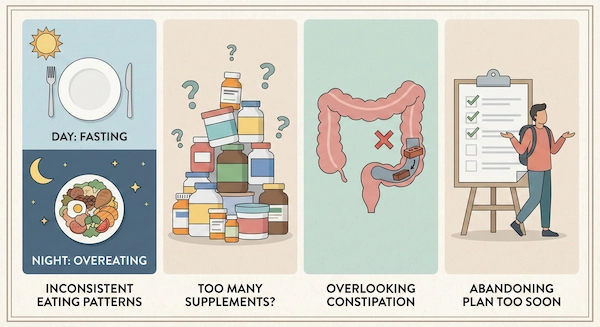
Fasting all day then overeating at night: This triggers nausea and reflux. Maintain the small-meal rhythm.
Chasing every symptom with new supplements: Additional bottles rarely provide additional relief. Keep your approach streamlined.
Overlooking constipation: A sluggish colon worsens stomach emptying; we’ll incorporate a gentle bowel management plan when necessary.
Abandoning the plan prematurely: Consistent improvement typically takes a couple of weeks. Track your successes and replicate them.
Tracking Progress: Recognizing Improvement
Signs of success include fewer vomiting incidents, longer nausea-free periods, more predictable hunger signals, better hydration status, steadier blood glucose, and tolerance for a broader food variety. Testing may show improved emptying on gastric scans and better nutritional bloodwork. When progress plateaus, we adjust the variables such as meal size, texture, fat content, medication timing, and physical activity until momentum returns.
Conclusion
Living with gastroparesis presents daily challenges, but effective management is absolutely achievable with the right combination of dietary modifications, medication strategies, and lifestyle adjustments. By implementing these 12 proven methods, from eating smaller, more frequent meals to choosing stomach-friendly textures and coordinating insulin timing, you can significantly reduce symptoms like nausea, bloating, and unpredictable blood sugar fluctuations. Remember that progress takes time and consistency; tracking your successful meals and maintaining open communication with your healthcare team accelerates your path to relief. For those also dealing with silent reflux or other esophageal motility disorders like achalasia, comprehensive care addressing all conditions simultaneously yields the best outcomes.
At Tampa Bay Reflux Institute, we’re committed to guiding you through every step of your delayed stomach emptying journey, ensuring you regain control over your digestive health and quality of life. Our team of top GI specialists in Tampa offers advanced treatment options including surgical interventions like fundoplication surgery and the LINX Reflux Management System for patients with concurrent GERD. We also provide TIF procedures using EsophyX and comprehensive abdominal hernia and heartburn treatment when needed. Don’t let gastroparesis dictate your daily routine. Take action today and discover how much better you can feel with a personalized treatment plan designed specifically for your needs. Visit our health blog for more resources on digestive health conditions and clinical treatment guidelines, or explore comprehensive gastroparesis information from trusted medical resources.
FAQs
What foods should I avoid with gastroparesis?
Avoid high-fat foods, raw vegetables, tough meats, and high-fiber items like nuts and seeds since these slow stomach emptying. Stick to soft, well-cooked, low-fat options that your stomach can process more easily.
How long does it take for gastroparesis treatment to work?
Most patients begin noticing improvements within two to four weeks of following a consistent treatment plan. However, significant progress depends on adhering to dietary changes, medication schedules, and lifestyle modifications.
Can gastroparesis be cured completely?
Gastroparesis is typically a chronic condition that can be effectively managed but not always permanently cured. With proper treatment, many patients experience substantial symptom relief and improved quality of life.
Is gastroparesis dangerous if left untreated?
Untreated gastroparesis can lead to severe dehydration, malnutrition, blood sugar complications, and bezoar formation. Seeking prompt medical attention prevents these complications and protects your overall health.
When should I see a specialist for gastroparesis?
Schedule an appointment if you experience persistent nausea, vomiting undigested food, significant weight loss, or difficulty managing blood sugar levels. Early intervention at Tampa Bay Reflux Institute ensures faster diagnosis and more effective treatment outcomes.


An endoscopy cannot tell you if you have reflux. It can only tell you if you have complications of GERD.
If you are unhappy with your reflux symptoms, come in and we can discuss testing and treatments that can accurately diagnose your problem.
#reflux #gerd #hiatalhernia #gastroparesis #linx

CALL US AT 813-922-2920
www.tampareflux.com
If you have a hiatal hernia and fit one of these categories, you should know your options.
Dr. Grandhige is an expert in his field and performs 200 of these surgeries a year. He is the only surgeon in the Tampa Bay Area who offers all surgical options - LINX, Fundoplications, TIF and will be one of 20 surgeons in America introducing the latest procedure RefluxStop in 2026.
We accept most insurances but will verify yours before you come in. These procedures are considered medically necessary and covered by your insurance. You can expect to pay your in-network deductibles and nothing else.
#hiatalhernia #reflux #GERD #LINX #refluxstop
What causes reflux ?
1. Weak lower esophageal sphincter
2. Hiatal hernia
3. Flattening of the Angle of His
4. Poor esophageal motility
5. Gastroparesis (slow stomach)
NOT increased acid production
Don’t let GERD get in the way of living your life. Request your appointment with us today on the link below.
.
.
.
.
https://tampareflux.com/contact-us/
Anyone can be victim to GERD and though weight loss can help reduce GERD symptoms. Many athletes with high impact workouts may continue to have these symptoms. This may be a symptom of a hiatal hernia or other issue. We are more then happy to assist you in finding your solution, just click the link below.
.
.
.
https://tampareflux.com/contact-us/
##healthylifestyle #workout #athletereflux #PPIs #heartburn #LINX #fundoplication #TIF #GERD#tampaheartburn #linx #TIF #fundoplication #tampabayreflux #GERD #acidreflux #acidrefluxsurgery #stopreflux
#nonsurgicalweightloss #ESG #gastricballoon #weightlossjourney #vsg #vsgjourney #spatz3 #orbera #orberaballoon #grandhige #DrG
#tampabayrefluxinstitute #guthealth #roboticsurgery
Heartburn may seem like an annoyance. But if you find yourself having symptoms on a daily basis, it may be time to to talk to Dr. Grandhige as it could be a symptom of something worse.
.
.
.
#chronicheartburn #gerdsymptoms #heartburnrelief #reflux #PPIs #heartburn #LINX #fundoplication #TIF #GERD#tampaheartburn #linx #TIF #fundoplication #tampabayreflux #GERD #acidreflux #acidrefluxsurgery #stopreflux
#nonsurgicalweightloss #ESG #gastricballoon #weightlossjourney #vsg #vsgjourney #spatz3 #orbera #orberaballoon #grandhige #DrG
#tampabayrefluxinstitute #guthealth #roboticsurgery
If you are tired of avoiding your favorite foods or taking daily medications, we can help.
We are the Tampa experts in reflux ! With years of experience and thousands of patients treated successfully, we offer all FDA approved anti-reflux procedures.
Call 813-922-2920 to schedule your appointment
All major insurances accepted.
Not all patients need surgical intervention. Many patients are living a heartburn free life with their PPIs. However 40% of patients taking PPIs are not getting the relief they need. If you are one of those, you have options! Come in and find out more.
.
.
.
.
#letushelpyou #medsnotworking #reflux #PPIs #heartburn #LINX #fundoplication #TIF #GERD#tampaheartburn #linx #TIF #fundoplication #tampabayreflux #GERD #acidreflux #acidrefluxsurgery #stopreflux
#nonsurgicalweightloss #ESG #gastricballoon #weightlossjourney #vsg #vsgjourney #spatz3 #orbera #orberaballoon #grandhige #DrG
#tampabayrefluxinstitute #guthealth #roboticsurgery
#heartburn #stopreflux #hiatalherniarepair #severeheartburn #reflux #tampabayreflux #acidrefluxsurgery #tampaheartburn #GERD #PPIs #achalasia #LINX #TIF #tampareflux #fundoplication #stomach #digestivehealth #ESG #obesity #overweight #weightlossjourney #gastricballoon


