
If gastroparesis medications have stopped working, the next real option is a procedure that targets the pylorus, the muscular valve at the stomach’s exit. Dr. Gopal Grandhige is one of only a handful of surgeons in the Tampa Bay area who performs endoscopic pyloromyotomy (G-POEM/POP) for gastroparesis, and St. Petersburg patients are a regular part of his practice. He confirms gastroparesis with objective testing first, then matches treatment to what the testing actually shows.
Tampa Bay Reflux Institute is in South Tampa at 1315 South Howard Avenue, Suite 101, a short drive across the bay from St. Pete. To start, you can schedule a consultation or call 813.922.2920.
Where St. Petersburg Patients Go for Advanced Gastroparesis Care
St. Petersburg sits across the bay from one of the few foregut-focused surgical practices in the region. Most gastroparesis care in Pinellas and Hillsborough is medical management handled by a general gastroenterologist: diet changes and prokinetic drugs. That helps some people. When it stops working, the question becomes who locally can offer a procedure, and that list is short.
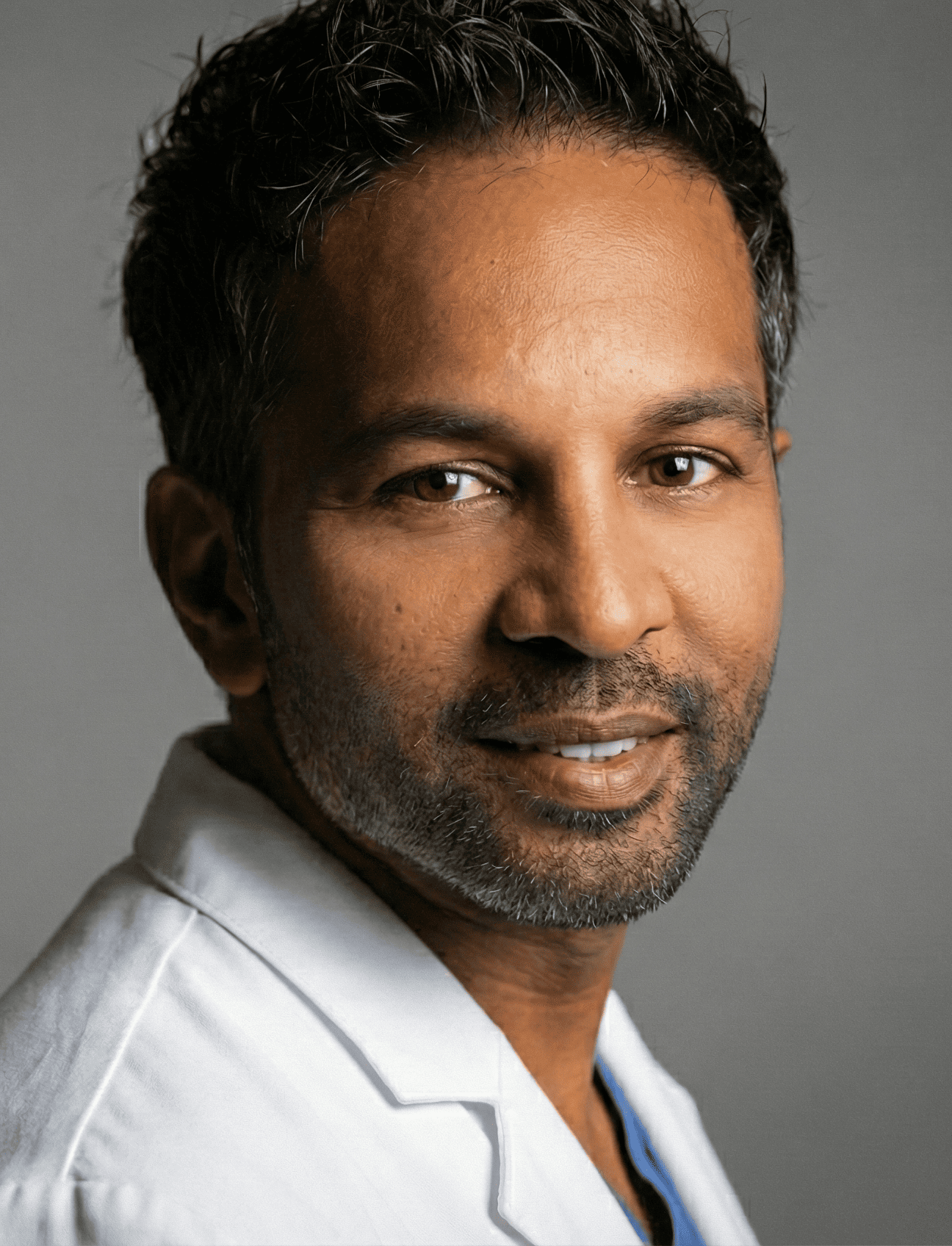
Dr. Grandhige built Tampa Bay Reflux Institute around benign diseases of the esophagus, stomach, and diaphragm, including gastroparesis. He performs endoscopic pyloromyotomy (also called G-POEM or POP), an incision-free procedure done through the mouth that divides the pyloric muscle to ease stomach emptying. On his own account he is one of only a handful of physicians performing it in Tampa Bay. For St. Pete patients, that means the procedure is roughly 20 to 30 minutes away rather than a flight to a national center.
This page is specifically for people in St. Petersburg and the surrounding Pinellas communities who have already tried the basics and want to know what comes next. For the full clinical overview of the condition, see the main gastroparesis treatment page.
What Gastroparesis Is, in Plain Terms
Gastroparesis means the stomach empties too slowly even though nothing is physically blocking it. The stomach muscle that should push food forward is sluggish or uncoordinated, so food sits too long. That is what drives the nausea, bloating, early fullness, and vomiting of undigested food hours after eating.
It often has no clear cause. In some people it follows diabetes, prior surgery, or nerve injury, and certain medications (opioid pain relievers, some antidepressants, some blood pressure and allergy drugs) slow emptying and can make existing gastroparesis worse. Because these symptoms overlap with reflux, rumination, and functional dyspepsia, the first job is to confirm gastroparesis rather than assume it.
How Dr. Grandhige Confirms Gastroparesis Before Any Treatment
Treatment decisions start with proving the diagnosis, not guessing from symptoms. The most useful test is a gastric emptying study, and Dr. Grandhige reviews it personally before your visit when it already exists.
Who Is a Candidate for G-POEM, and Who Is Not
Endoscopic pyloromyotomy helps most when objective testing confirms that pyloric dysfunction is driving delayed emptying and your symptoms correlate with those findings. It is not a fit for everyone.
- A reasonable candidate: confirmed delayed gastric emptying, symptoms that track with the testing, and inadequate relief from diet and medication.
- Better served by another step first: severe malnutrition or weight loss, where stabilizing nutrition comes before any definitive procedure.
- Often not reflux or gastroparesis at all: symptoms actually caused by rumination, functional dyspepsia, or a motility disorder like achalasia, which need different treatment.
Telling these apart is exactly why the testing comes first. Operating on the wrong diagnosis is how patients end up disappointed, and avoiding that is part of the job.

Why a Foregut Specialist, Not a Generalist
Gastroparesis decisions improve with focus and volume in foregut disease, not occasional exposure. Dr. Grandhige has practiced foregut surgery in Tampa Bay since 2009 and treats the esophagus, stomach, and diaphragm almost exclusively.
His verifiable background:
- Gopal Grandhige, MD — board-certified general surgeon; Founder and Medical Director, Tampa Bay Reflux Institute.
- Training: biology at Johns Hopkins University, medical degree at the University of Michigan, general surgery residency and fellowships in foregut/minimally invasive surgery and in burn/critical care at Yale–New Haven Hospital.
- Memberships: Founding Member of the American Foregut Society, member of SAGES, and Fellow of the American College of Surgeons (FACS).
- Procedure volume across foregut surgery: more than 600 fundoplications, more than 600 LINX procedures, and more than 200 TIF procedures.
You can verify board certification through the American Board of Surgery and the American College of Surgeons directory, and active licensure through the Florida Department of Health license lookup. For background on the procedure itself, the American Gastroenterological Association is an authoritative reference.
Many St. Pete patients also come for related foregut problems that travel with gastroparesis, such as severe reflux or a hiatal hernia. Where it is safe and appropriate, addressing more than one issue together avoids repeat surgeries. You can read more about his approach on the about the practice page or browse the patient education blog.
FAQS
Start With a Clear Diagnosis
You do not have to keep guessing why eating has become so hard. If medications have stopped working, there are real procedural options, and the first step is confirming what is actually going on. Dr. Grandhige will review your testing, explain what it shows in plain language, and tell you honestly which symptoms a procedure is likely to improve and which it will not.
Tampa Bay Reflux Institute, 1315 South Howard Avenue, Suite 101, Tampa, FL 33606. Phone 813.922.2920. Serving St. Petersburg and the greater Tampa Bay area. Schedule a consultation.


An endoscopy cannot tell you if you have reflux. It can only tell you if you have complications of GERD.
If you are unhappy with your reflux symptoms, come in and we can discuss testing and treatments that can accurately diagnose your problem.
#reflux #gerd #hiatalhernia #gastroparesis #linx


CALL US AT 813-922-2920
www.tampareflux.com
If you have a hiatal hernia and fit one of these categories, you should know your options.
Dr. Grandhige is an expert in his field and performs 200 of these surgeries a year. He is the only surgeon in the Tampa Bay Area who offers all surgical options - LINX, Fundoplications, TIF and will be one of 20 surgeons in America introducing the latest procedure RefluxStop in 2026.
We accept most insurances but will verify yours before you come in. These procedures are considered medically necessary and covered by your insurance. You can expect to pay your in-network deductibles and nothing else.
#hiatalhernia #reflux #GERD #LINX #refluxstop

What causes reflux ?
1. Weak lower esophageal sphincter
2. Hiatal hernia
3. Flattening of the Angle of His
4. Poor esophageal motility
5. Gastroparesis (slow stomach)
NOT increased acid production


Don’t let GERD get in the way of living your life. Request your appointment with us today on the link below.
.
.
.
.
https://tampareflux.com/contact-us/

Anyone can be victim to GERD and though weight loss can help reduce GERD symptoms. Many athletes with high impact workouts may continue to have these symptoms. This may be a symptom of a hiatal hernia or other issue. We are more then happy to assist you in finding your solution, just click the link below.
.
.
.
https://tampareflux.com/contact-us/
##healthylifestyle #workout #athletereflux #PPIs #heartburn #LINX #fundoplication #TIF #GERD#tampaheartburn #linx #TIF #fundoplication #tampabayreflux #GERD #acidreflux #acidrefluxsurgery #stopreflux
#nonsurgicalweightloss #ESG #gastricballoon #weightlossjourney #vsg #vsgjourney #spatz3 #orbera #orberaballoon #grandhige #DrG
#tampabayrefluxinstitute #guthealth #roboticsurgery

Heartburn may seem like an annoyance. But if you find yourself having symptoms on a daily basis, it may be time to to talk to Dr. Grandhige as it could be a symptom of something worse.
.
.
.
#chronicheartburn #gerdsymptoms #heartburnrelief #reflux #PPIs #heartburn #LINX #fundoplication #TIF #GERD#tampaheartburn #linx #TIF #fundoplication #tampabayreflux #GERD #acidreflux #acidrefluxsurgery #stopreflux
#nonsurgicalweightloss #ESG #gastricballoon #weightlossjourney #vsg #vsgjourney #spatz3 #orbera #orberaballoon #grandhige #DrG
#tampabayrefluxinstitute #guthealth #roboticsurgery

If you are tired of avoiding your favorite foods or taking daily medications, we can help.
We are the Tampa experts in reflux ! With years of experience and thousands of patients treated successfully, we offer all FDA approved anti-reflux procedures.
Call 813-922-2920 to schedule your appointment
All major insurances accepted.

Not all patients need surgical intervention. Many patients are living a heartburn free life with their PPIs. However 40% of patients taking PPIs are not getting the relief they need. If you are one of those, you have options! Come in and find out more.
.
.
.
.
#letushelpyou #medsnotworking #reflux #PPIs #heartburn #LINX #fundoplication #TIF #GERD#tampaheartburn #linx #TIF #fundoplication #tampabayreflux #GERD #acidreflux #acidrefluxsurgery #stopreflux
#nonsurgicalweightloss #ESG #gastricballoon #weightlossjourney #vsg #vsgjourney #spatz3 #orbera #orberaballoon #grandhige #DrG
#tampabayrefluxinstitute #guthealth #roboticsurgery

#heartburn #stopreflux #hiatalherniarepair #severeheartburn #reflux #tampabayreflux #acidrefluxsurgery #tampaheartburn #GERD #PPIs #achalasia #LINX #TIF #tampareflux #fundoplication #stomach #digestivehealth #ESG #obesity #overweight #weightlossjourney #gastricballoon
