Welcome to Tampa Bay Reflux Institute, where Dr. Gopal Grandhige has been providing specialized care for gastroparesis and complex foregut conditions since 2009. If you are struggling with nausea, bloating, early satiety, or persistent vomiting, you deserve answers that go beyond medication management. Our practice focuses exclusively on benign diseases of the esophagus, stomach, and diaphragm, which means every evaluation is thorough, every diagnosis is objective, and every treatment recommendation is tailored to your unique anatomy and physiology.
Unlike general surgeons or gastroenterologists who manage gastroparesis occasionally, Dr. Grandhige has built a regional referral center based on one principle: understanding why symptoms occur before deciding how to treat them. Gastroparesis is not a one size fits all diagnosis. Some patients benefit from endoscopic pyloromyotomy, a minimally invasive procedure that targets the pylorus to improve gastric emptying. Others require a different approach entirely. Our role is to determine which path makes sense for you, not to push every patient toward surgery.
Patients travel to our South Tampa office from across Florida and beyond because they want a foregut specialist who takes the time to explain their condition clearly, reviews all prior testing personally, and offers honest guidance about whether surgical intervention is appropriate. You will never feel rushed, pressured, or dismissed. Our goal is clarity first, treatment second.
What Is Gastroparesis and How Does It Affect Your Life
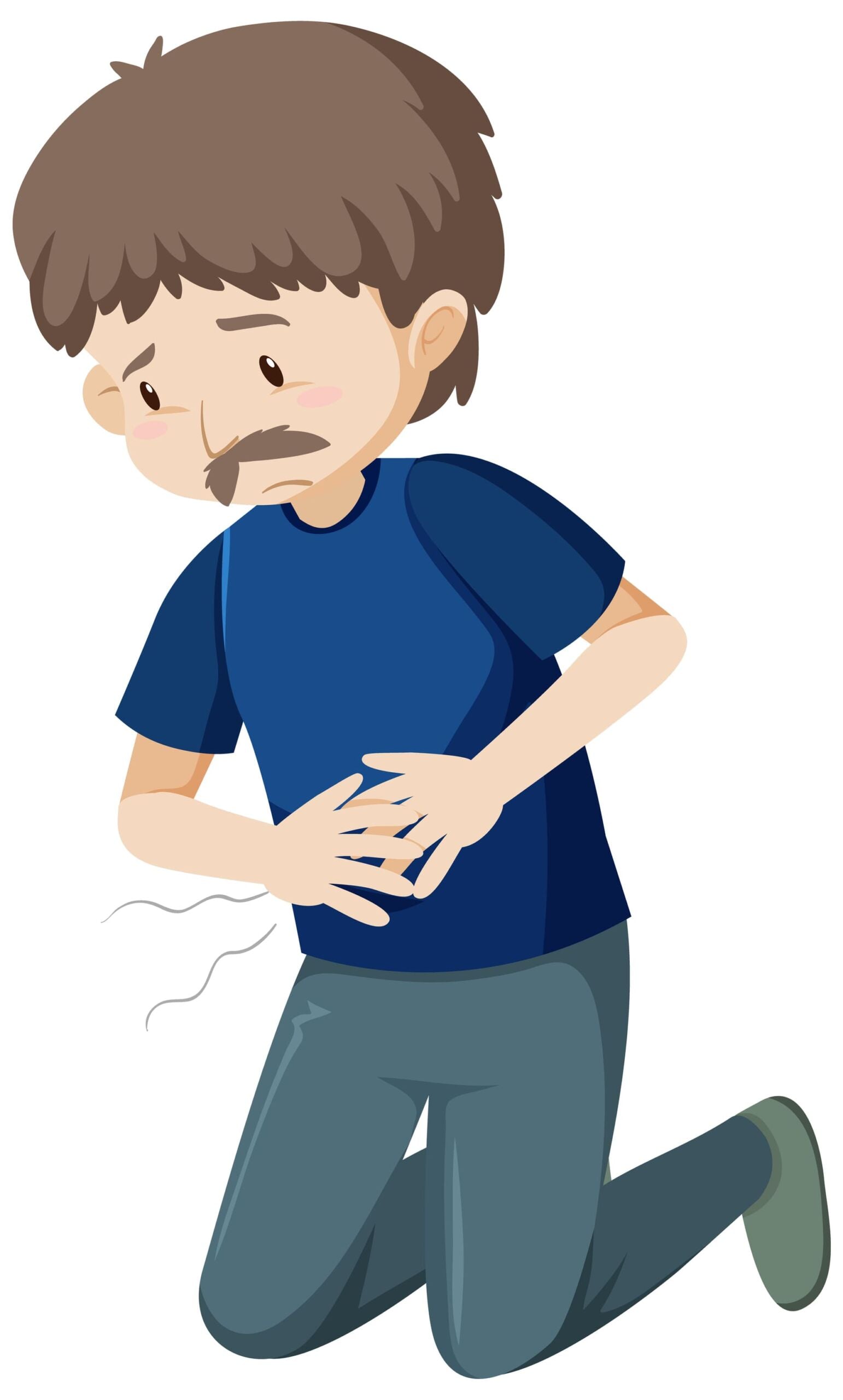
Gastroparesis is a condition in which the stomach takes too long to empty its contents into the small intestine. This delayed gastric emptying occurs because the stomach muscles do not contract properly, leading to a wide range of symptoms that can significantly disrupt daily life. Many patients describe feeling full after only a few bites of food, experiencing nausea that persists throughout the day, or dealing with unpredictable vomiting that makes social situations and work nearly impossible.
The causes of gastroparesis vary. Some cases develop after viral infections, others are linked to diabetes, and some arise without any clear trigger. What remains consistent is the impact on quality of life. Patients often lose weight unintentionally, struggle to maintain adequate nutrition, and feel exhausted from the constant discomfort. Sleep is disrupted, energy levels plummet, and many patients cycle through multiple medications without meaningful improvement.
Traditional treatments focus on dietary modifications and medications that attempt to stimulate stomach contractions. While these approaches help some patients, they often fall short when the underlying problem is mechanical. If the pylorus, the muscular valve at the outlet of the stomach, is too tight or fails to relax properly, food cannot exit the stomach efficiently no matter how many medications are prescribed.
This is where endoscopic pyloromyotomy becomes relevant. This procedure, performed through an endoscope passed through the mouth, divides the pyloric muscle to reduce resistance and allow the stomach to empty more effectively. It does not involve external incisions, does not require lengthy hospital stays, and targets the specific mechanical problem contributing to delayed emptying. Not every patient with gastroparesis needs this procedure, but for carefully selected individuals, it can provide meaningful symptom relief when other treatments have failed.
At Tampa Bay Reflux Institute, we begin by confirming the diagnosis with objective testing. Gastroparesis should never be assumed based on symptoms alone. We use gastric emptying studies, endoscopy, and when appropriate, additional physiologic testing to understand exactly what is happening in your stomach. Only then can we determine whether endoscopic pyloromyotomy, dietary management, medication adjustment, or another approach is most likely to help.
Our Proven Process for Evaluating and Treating Gastroparesis
The process of diagnosing and treating gastroparesis at Tampa Bay Reflux Institute follows a structured, patient centered approach designed to eliminate guesswork and ensure every recommendation is grounded in objective evidence. From your first phone call to our office, you will experience a level of coordination and clarity that many patients say they have never encountered before in their years of seeking answers.
Before you ever walk into the consultation, Dr. Grandhige personally reviews all available records. This includes prior endoscopies, gastric emptying studies, imaging, manometry results, and notes from gastroenterologists, primary care physicians, and other specialists. This preparation allows the consultation to focus on education and decision making rather than playing catch up on your history. Patients consistently tell us this attention to detail makes them feel truly heard for the first time.
During the consultation, we take a detailed symptom history and explain gastroparesis using visual diagrams and images. Many patients arrive believing their symptoms are entirely in their head or that nothing can help. We correct these misconceptions in plain language and explain which symptoms are very likely related to delayed gastric emptying and which may have other causes. It is common for patients to experience overlapping conditions, such as GERD or esophageal motility disorders, and sorting through this complexity is central to our work.
If testing has not been completed, we coordinate gastric emptying studies and endoscopy efficiently, often consolidating appointments to minimize travel and time away from work. Once results are available, we schedule a second visit to review findings together. This two visit structure allows time for thoughtful interpretation rather than rushed decisions. For patients who arrive with complete testing already done, a single consultation is often sufficient to discuss options and move forward.
When endoscopic pyloromyotomy is appropriate, the procedure itself is performed at HCA South Tampa Hospital under general anesthesia. The procedure typically takes 45 to 60 minutes. Because it is endoscopic, there are no abdominal incisions, and most patients go home the same day. Recovery involves a structured diet progression over several weeks, starting with liquids and advancing gradually to solid foods as the pylorus heals and gastric emptying improves.
What sets our process apart is what happens after the procedure. You are not handed off to unfamiliar providers. Dr. Grandhige’s dedicated physician assistant, who was present during your surgery, remains available for questions and concerns. Our office staff, many of whom have been with the practice for over a decade, understand gastroparesis deeply and can address common recovery questions promptly. If you need to reach Dr. Grandhige directly, he is accessible after hours when appropriate. This continuity of care significantly reduces anxiety and improves outcomes.
Ready to Find Relief?
If you have been told that nothing more can be done for your gastroparesis, or if you are tired of managing symptoms without addressing the underlying problem, it may be time for a second opinion. Tampa Bay Reflux Institute offers the specialized expertise and objective testing needed to determine whether surgical intervention could help. Contact us today to schedule a consultation and take the first step toward better digestive health.
Why Choose Tampa Bay Reflux Institute for Gastroparesis Treatment
Choosing where to seek treatment for gastroparesis is one of the most important decisions you will make, because outcomes depend far more on accurate diagnosis and patient selection than on the technical procedure itself. Tampa Bay Reflux Institute has earned the trust of patients and referring physicians across Florida by prioritizing education, honesty, and long term results over volume or convenience.
Dr. Grandhige is a board certified general surgeon with fellowship training in foregut surgery and minimally invasive techniques from Yale New Haven Hospital. He is a founding member of the American Foregut Society, a fellow of the American College of Surgeons, and a member of the Society of American Gastrointestinal and Endoscopic Surgeons. These credentials matter, but what matters more is how those credentials translate into daily practice. Dr. Grandhige has been performing foregut surgery exclusively since 2009, which means he has seen thousands of patients with gastroparesis, reflux, achalasia, and related conditions. This volume creates pattern recognition that occasional surgeons simply cannot replicate.
One of the defining characteristics of our practice is restraint. Many patients come to us expecting surgery and leave with reassurance that their symptoms do not warrant surgical intervention. This happens frequently, and it is intentional. We do not operate on patients unless surgery is clearly indicated and likely to help. This conservative approach protects patients from unnecessary procedures and explains why our outcomes are consistently strong when we do recommend surgery. Referring physicians tell us they trust our judgment precisely because they know we will not overtreat their patients.
Another key difference is continuity. From consultation through surgery and into long term follow up, you work with the same team. There are no handoffs to rotating residents, no fragmented care across multiple locations, and no confusion about who to contact when questions arise. Dr. Grandhige operates exclusively at HCA South Tampa Hospital with a dedicated operating room team that performs these procedures routinely. His physician assistant is present in every case and remains involved in postoperative care. This consistency translates directly into better communication, fewer complications, and smoother recovery.
Patients also appreciate our accessibility. Office staff respond promptly during business hours, and Dr. Grandhige or his physician assistant are available after hours for urgent concerns. This level of support is rare in modern healthcare, but we believe it is essential when patients are recovering from procedures that affect such a fundamental aspect of daily life as eating and digestion.
Finally, our practice is built on transparency. We explain which symptoms are likely to improve, which may improve partially, and which are unlikely to change. We discuss risks honestly, set realistic expectations, and never oversell outcomes. When patients understand their condition and their options clearly, they make better decisions and report higher satisfaction regardless of the path they choose.

Success Stories and Patient Outcomes
The majority of patients who come to Tampa Bay Reflux Institute for gastroparesis evaluation have been struggling for years. Many have seen multiple specialists, tried numerous medications, and altered their diets extensively without meaningful relief. What they often tell us after treatment is that the most valuable part of the process was finally understanding what was happening in their body and why previous treatments had not worked.
One common patient profile involves someone with persistent nausea, early satiety, and bloating who has been told their gastric emptying study shows mild delay but not enough to warrant intervention. These patients are often kept on prokinetic medications indefinitely or told to eat smaller meals, even though symptoms continue to worsen. When objective testing at our practice reveals a tight or dysfunctional pylorus contributing to delayed emptying, endoscopic pyloromyotomy can provide the mechanical correction that medication cannot achieve. Patients frequently report that within weeks of the procedure, they can eat more comfortably, nausea decreases significantly, and energy levels improve as nutrition stabilizes.
Another recurring theme involves patients whose gastroparesis overlaps with reflux disease. These individuals may have been treated for reflux alone without recognizing that delayed gastric emptying was contributing to ongoing symptoms. By addressing both components, either simultaneously or in stages, we are able to achieve more complete symptom resolution than addressing one problem in isolation.
It is important to emphasize that not every patient with gastroparesis benefits from surgery, and we are very explicit about this during consultation. Some patients have predominantly nerve related gastroparesis that responds better to medical management, dietary modification, or other non surgical interventions. Our role is to identify the subset of patients for whom endoscopic pyloromyotomy makes sense based on anatomy, physiology, and symptom correlation with testing. When used appropriately, outcomes are strong. When used indiscriminately, outcomes are unpredictable.
Patients consistently highlight several aspects of their experience in reviews and testimonials. They appreciate that consultations are thorough and unhurried, that Dr. Grandhige takes time to draw diagrams and explain complex concepts in plain language, and that they never felt pressured into a decision. Many patients also mention that even when surgery was not recommended, they left feeling relieved to have clarity about their diagnosis and next steps. This educational approach builds trust and explains why so many patients are willing to travel significant distances to seek care at Tampa Bay Reflux Institute.
Serving Patients Throughout Tampa, FL and Beyond
Tampa Bay Reflux Institute is conveniently located at 1315 South Howard Avenue in the heart of South Tampa, in a yellow brick building next to Sally O’Neill’s Pizza. Parking is available directly behind the restaurant, making access easy for patients traveling from surrounding neighborhoods like Hyde Park, Palma Ceia, Bayshore, Westchase, Carrollwood, Brandon, and Riverview. Our location is easily accessible from major corridors including Interstate 275, Dale Mabry Highway, and Bayshore Boulevard, allowing patients from across the Tampa Bay area to reach us efficiently.
While our office is based in Tampa, we routinely see patients from St. Petersburg, Clearwater, Sarasota, Orlando, Naples, Fort Myers, Jacksonville, and other cities across Florida. Patients travel to our practice because they want a foregut specialist who focuses exclusively on conditions like gastroparesis, reflux, hiatal hernias, and achalasia rather than a general surgeon who performs these procedures occasionally. We are experienced in coordinating care for out of town patients, consolidating testing and visits to minimize travel burden while maintaining the thorough evaluation that complex foregut disease requires.
In recent years, we have also received inquiries from patients across the United States and internationally who are seeking expert opinions on gastroparesis treatment options. For these patients, we offer comprehensive record review and consultation services, often providing clarity about whether endoscopic pyloromyotomy or other surgical approaches are appropriate based on their specific anatomy and testing. Even when surgery is not pursued locally, patients frequently express gratitude for the education and direction we provide.
Tampa is a vibrant and growing community, and we are proud to serve as a regional referral center for foregut disease. Whether you live minutes away or are traveling from another state, you will receive the same level of personalized, expert care. Our team understands the logistical challenges of seeking specialized treatment and works intentionally to make the process as smooth as possible from scheduling through recovery.
FAQS
Take the Next Step Toward Better Digestive Health
Living with gastroparesis means living with uncertainty. You never know when nausea will strike, whether you will be able to eat comfortably, or how your body will respond to the simplest meal. This unpredictability affects not just your physical health but your mental well being, your relationships, and your ability to work and enjoy life. You deserve more than symptom management. You deserve clarity about what is causing your symptoms and a thoughtful evaluation of whether surgical treatment could provide meaningful relief.
Tampa Bay Reflux Institute was founded on the belief that patients benefit most when their care is guided by objective testing, honest communication, and deep expertise in foregut disease. Dr. Grandhige and his team have been helping patients with gastroparesis, reflux, and related conditions since 2009, building a reputation for thorough evaluation, conservative recommendations, and strong outcomes when surgery is appropriate. Whether you are seeking a second opinion or pursuing treatment for the first time, you will receive the same level of personalized attention and respect.
The first step is simple. Contact our office to schedule a consultation. Bring your prior testing, your questions, and your concerns. We will review everything carefully, explain your diagnosis in plain language, and discuss all reasonable options including both surgical and non surgical approaches. You will leave with clarity, not confusion. If gastroparesis bypass surgery in Tampa, FL is appropriate for you, we will explain exactly why and what to expect. If it is not, we will guide you toward the most appropriate next steps.
You have lived with these symptoms long enough. It is time to find answers. Explore our comprehensive resources on fundoplication procedures, LINX therapy, TIF options, silent reflux treatment, incisionless weight loss procedures, and read more on our educational blog. Learn more about gastroparesis symptoms and causes from trusted medical resources.