
Written By: Dr. Ahmad Saad, Health Content Writer
Medically Reviewed By: Dr. Gopal Grandhige, MD, FACS, Board-Certified Surgeon
Last Reviewed: January 15, 2026
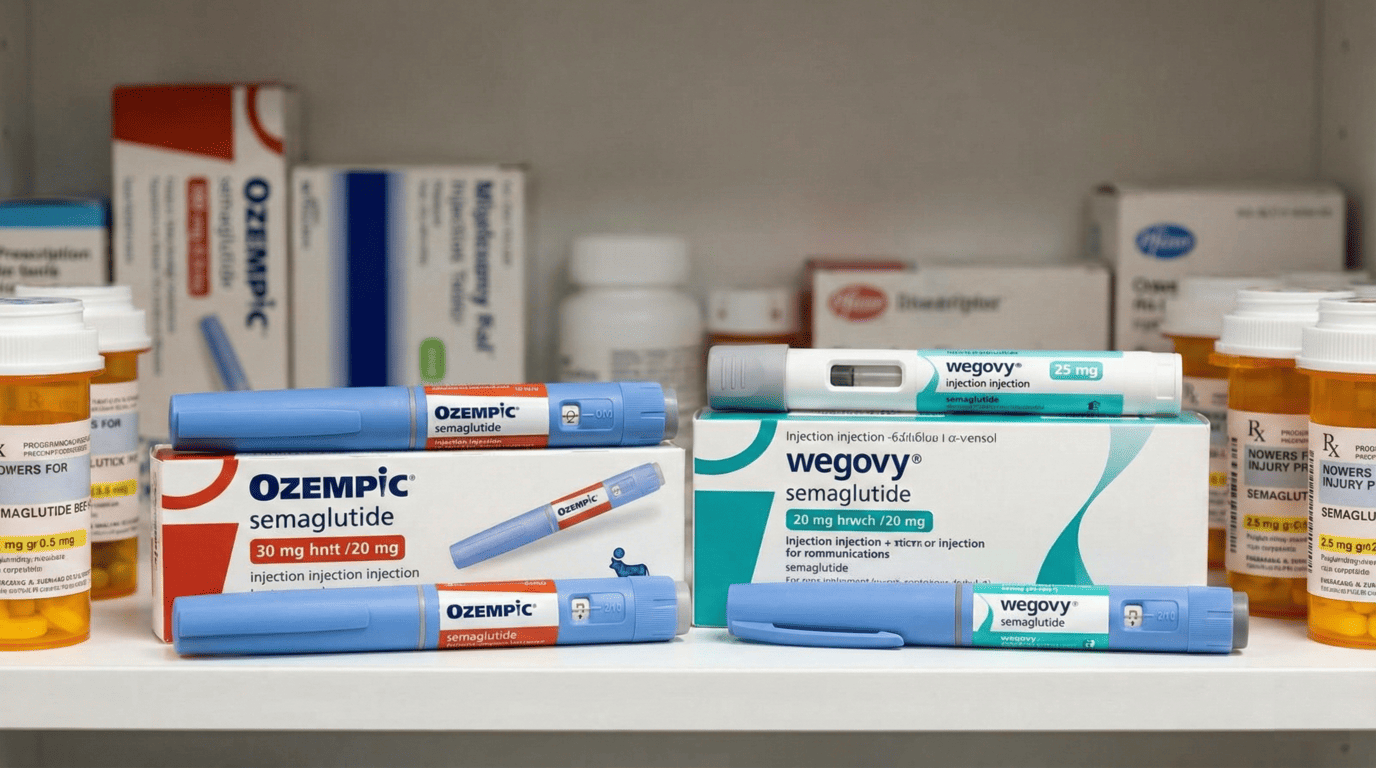
GLP-1 medications like Wegovy and Ozempic can cause gastroparesis, a condition where the stomach takes abnormally long to empty its contents. Gastroparesis affects some users of these diabetes and weight-loss drugs, causing symptoms including nausea, vomiting, early fullness, bloating, and reduced appetite.
Key facts about GLP-1-related gastroparesis:
How it happens: GLP-1 drugs slow gastric emptying as part of their mechanism, but this effect becomes excessive in some people
Who’s at risk: Those with pre-existing digestive disorders, prior gastric surgery, long-standing diabetes, or elderly patients face higher risk
Timeline: Symptoms can appear at any point during treatment, especially during dose increases
Reversibility: Most cases improve after dose reduction or medication discontinuation, with recovery taking days to several months
Management options: Dietary changes (smaller, low-fat meals), slower dose escalation, supportive medications, or temporary drug cessation
Seek immediate medical attention for severe vomiting, dehydration signs, intense abdominal pain, or blood in vomit or stool. Early recognition through symptom tracking helps healthcare providers distinguish between normal adjustment effects and true gastroparesis, enabling timely intervention while preserving treatment benefits.

What Does Gastroparesis Mean?
This stomach disorder represents a gastrointestinal condition where the stomach requires an unusually extended period to discharge its contents. This condition can trigger numerous uncomfortable symptoms, such as:
- Queasiness
- Throwing up
- Premature fullness after consuming minimal food
- Stomach bloating or discomfort
- Reduced appetite
- Acid reflux
- Extended sensation of fullness following meals
The severity of these symptoms varies from minor to intense, and they may substantially interfere with everyday activities in certain situations.
Understanding How Your Digestive System Normally Functions
To fully appreciate the impact of gastroparesis, it helps to understand how digestion typically works. Under normal circumstances, the stomach acts as a temporary storage and processing facility for food. Strong muscular contractions break down food particles and gradually release them into the small intestine at a controlled rate. This process, called gastric emptying, usually takes between two to four hours for a standard meal.
When gastroparesis develops, the stomach muscles don’t contract with their usual strength or coordination. This disruption means food sits in the stomach much longer than it should, leading to the accumulation of undigested material and the uncomfortable symptoms associated with this condition.
What’s the Connection Between GLP-1 Drugs and This Condition?
GLP-1 receptor agonists replicate a naturally occurring hormone that assists in controlling blood glucose levels and hunger signals. Among their mechanisms is reducing the speed at which food progresses from the stomach into the small intestines. This mechanism enables individuals to maintain fullness for extended periods and minimizes post-meal blood sugar elevation. Nevertheless, some people experience an exaggerated version of this delayed gastric emptying, resulting in symptoms of gastroparesis.
Although this condition doesn’t affect every GLP-1 user, recognizing the warning signs remains critical. Should you be using these medications and observe persistent or worsening digestive problems, reach out to your healthcare provider without delay.

Risk Factors and Who Should Be More Cautious
Certain individuals may face higher risks of developing gastroparesis while taking GLP-1 medications. People with pre-existing digestive disorders, a history of gastric surgery, or those already experiencing mild digestive symptoms should discuss these concerns with their healthcare provider before starting treatment. Additionally, individuals with long-standing diabetes may already have some degree of diabetic gastroparesis, which could be worsened by GLP-1 medications.
Age can also play a role, as older adults may experience more pronounced digestive side effects. Women appear to be more susceptible to gastroparesis in general, though the exact reasons for this gender difference remain under investigation. Your healthcare provider can assess your individual risk profile and determine whether the benefits of GLP-1 therapy outweigh potential risks in your specific case.
The Importance of Early Recognition and Documentation
One of the most valuable things you can do when starting GLP-1 medication is to keep a detailed symptom diary. Track what you eat, when you take your medication, and any digestive symptoms that occur. Note the timing, duration, and severity of symptoms. This information becomes invaluable for your healthcare provider in determining whether your symptoms represent normal adjustment to the medication or something more concerning like gastroparesis.
Many people experience mild digestive discomfort when first starting GLP-1 drugs, which typically improves over several weeks. However, symptoms that persist beyond the initial adjustment period, worsen over time, or significantly impact your quality of life warrant professional evaluation.
What Are Your Options If Gastroparesis Develops?
When your provider has concerns about gastroparesis, they might suggest diagnostic procedures to evaluate your stomach’s emptying function. Upon confirming gastroparesis, treatment options may encompass the following approaches:
- Consuming smaller portions with reduced fat content for improved digestion
- Decreasing the pace of GLP-1 dosage escalation
- Using medications that support digestive function and alleviate queasiness
- Temporarily halting or discontinuing the GLP-1 drug completely
Individual treatment responses differ, making collaboration with your healthcare team essential for identifying the optimal approach for your situation.
Dietary Modifications That Can Help
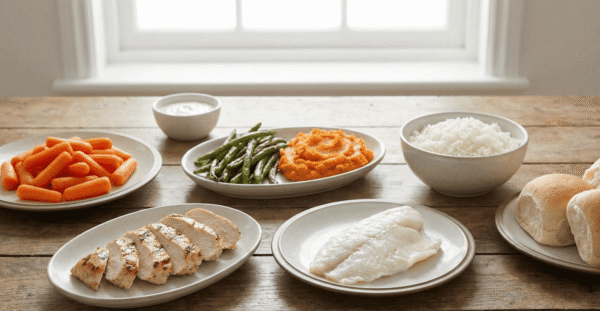
If you develop mild gastroparesis symptoms while taking GLP-1 medications, specific dietary adjustments can make a significant difference. Eating four to six small meals throughout the day rather than three large ones reduces the burden on your stomach. Choosing foods that are easier to digest, such as well-cooked vegetables, lean proteins, and refined grains, can help minimize symptoms.
Foods to limit or avoid include high-fiber items like raw vegetables and whole grains, fatty or fried foods that slow digestion further, and carbonated beverages that increase bloating. Liquids and pureed foods are often better tolerated than solid foods during symptomatic periods. Some patients find that nutritional supplement drinks can help maintain adequate nutrition when solid food intake becomes challenging.
Long-Term Outlook and Management Strategies
For most people who develop gastroparesis related to GLP-1 medications, the condition improves after dose adjustment or medication discontinuation. However, the timeline for recovery varies considerably between individuals. Some people notice improvement within days or weeks, while others may require several months for their stomach function to normalize completely.
Your healthcare team will work with you to balance the benefits of GLP-1 therapy against the impact of digestive symptoms. In some cases, switching to a different GLP-1 medication or adjusting the dosing schedule can allow you to continue treatment while minimizing gastroparesis symptoms. For individuals considering incisionless weight loss procedures, understanding these digestive considerations becomes even more important. The goal is always to optimize your overall health outcomes while maintaining an acceptable quality of life.

Warning Signs Requiring Immediate Medical Attention
Although minor symptoms may sometimes respond to dietary modifications and medication changes, severe manifestations necessitate prompt medical intervention. Seek emergency room or urgent care services if you encounter:
- Intense vomiting and diarrhea
- Dehydration indicators including lightheadedness, excessive thirst, reduced urination frequency, or concentrated urine
- Sudden onset of substantial abdominal pain
- Blood present in your bowel movements or vomit
Conclusion
GLP-1 medications offer valuable benefits for managing type 2 diabetes and achieving weight loss, but understanding their potential impact on digestive health is essential for safe and effective treatment. While gastroparesis represents a significant concern, being informed about the warning signs and maintaining open communication with your healthcare provider can help you address symptoms early and adjust your treatment plan as needed. By monitoring your body’s responses, keeping detailed symptom records, and implementing dietary modifications when necessary, you can work with your medical team to find the right balance between therapeutic benefits and quality of life.
If you’re experiencing persistent digestive symptoms, including gastroesophageal reflux disease or silent reflux, our specialists at Tampa Reflux Center provide comprehensive care for various digestive conditions. Whether you’re dealing with hiatal hernias, achalasia, or require surgical interventions like fundoplication procedures, LINX reflux management, or TIF with EsophyX, we’re here to help. Learn more about our team and the treatment approaches available for gastroparesis management. Remember that most cases of medication-related gastroparesis improve with proper management, and consulting with specialists can guide you through various options to ensure the best possible outcome for your individual situation. For additional information, explore clinical research on gastroparesis, recent studies on GLP-1 effects, and patient support resources at G-PACT, About Gastroparesis, and the ACG clinical guidelines. For more digestive health insights, visit our blog or contact us to schedule a consultation.
FAQs
Can gastroparesis from GLP-1 drugs be permanent?
For most people, gastroparesis symptoms improve after reducing the medication dose or stopping it entirely. Recovery timelines vary from days to several months, but complete resolution is common with appropriate management.
How soon after starting GLP-1 medication might gastroparesis symptoms appear?
Symptoms can develop at any point during treatment, though they’re often noticed during dose escalation periods. It’s important to distinguish between normal initial digestive adjustment and true gastroparesis, which typically involves persistent or worsening symptoms.
Can I continue taking GLP-1 drugs if I develop mild gastroparesis symptoms?
Many patients can continue treatment with dose adjustments, dietary modifications, or supportive medications to manage symptoms. Your healthcare provider will evaluate whether the benefits outweigh the risks in your specific case.
Are certain GLP-1 medications less likely to cause gastroparesis than others?
All GLP-1 drugs work by slowing gastric emptying to some degree, though individual responses vary. Some patients tolerate one medication better than another, so switching formulations may be an option if symptoms develop.
What’s the difference between normal digestive side effects and gastroparesis?
Normal side effects like mild nausea typically improve within a few weeks of starting treatment, while gastroparesis involves persistent symptoms that may worsen over time. Keeping a symptom diary helps your provider distinguish between the two.


An endoscopy cannot tell you if you have reflux. It can only tell you if you have complications of GERD.
If you are unhappy with your reflux symptoms, come in and we can discuss testing and treatments that can accurately diagnose your problem.
#reflux #gerd #hiatalhernia #gastroparesis #linx

CALL US AT 813-922-2920
www.tampareflux.com
If you have a hiatal hernia and fit one of these categories, you should know your options.
Dr. Grandhige is an expert in his field and performs 200 of these surgeries a year. He is the only surgeon in the Tampa Bay Area who offers all surgical options - LINX, Fundoplications, TIF and will be one of 20 surgeons in America introducing the latest procedure RefluxStop in 2026.
We accept most insurances but will verify yours before you come in. These procedures are considered medically necessary and covered by your insurance. You can expect to pay your in-network deductibles and nothing else.
#hiatalhernia #reflux #GERD #LINX #refluxstop
What causes reflux ?
1. Weak lower esophageal sphincter
2. Hiatal hernia
3. Flattening of the Angle of His
4. Poor esophageal motility
5. Gastroparesis (slow stomach)
NOT increased acid production
Don’t let GERD get in the way of living your life. Request your appointment with us today on the link below.
.
.
.
.
https://tampareflux.com/contact-us/
Anyone can be victim to GERD and though weight loss can help reduce GERD symptoms. Many athletes with high impact workouts may continue to have these symptoms. This may be a symptom of a hiatal hernia or other issue. We are more then happy to assist you in finding your solution, just click the link below.
.
.
.
https://tampareflux.com/contact-us/
##healthylifestyle #workout #athletereflux #PPIs #heartburn #LINX #fundoplication #TIF #GERD#tampaheartburn #linx #TIF #fundoplication #tampabayreflux #GERD #acidreflux #acidrefluxsurgery #stopreflux
#nonsurgicalweightloss #ESG #gastricballoon #weightlossjourney #vsg #vsgjourney #spatz3 #orbera #orberaballoon #grandhige #DrG
#tampabayrefluxinstitute #guthealth #roboticsurgery
Heartburn may seem like an annoyance. But if you find yourself having symptoms on a daily basis, it may be time to to talk to Dr. Grandhige as it could be a symptom of something worse.
.
.
.
#chronicheartburn #gerdsymptoms #heartburnrelief #reflux #PPIs #heartburn #LINX #fundoplication #TIF #GERD#tampaheartburn #linx #TIF #fundoplication #tampabayreflux #GERD #acidreflux #acidrefluxsurgery #stopreflux
#nonsurgicalweightloss #ESG #gastricballoon #weightlossjourney #vsg #vsgjourney #spatz3 #orbera #orberaballoon #grandhige #DrG
#tampabayrefluxinstitute #guthealth #roboticsurgery
If you are tired of avoiding your favorite foods or taking daily medications, we can help.
We are the Tampa experts in reflux ! With years of experience and thousands of patients treated successfully, we offer all FDA approved anti-reflux procedures.
Call 813-922-2920 to schedule your appointment
All major insurances accepted.
Not all patients need surgical intervention. Many patients are living a heartburn free life with their PPIs. However 40% of patients taking PPIs are not getting the relief they need. If you are one of those, you have options! Come in and find out more.
.
.
.
.
#letushelpyou #medsnotworking #reflux #PPIs #heartburn #LINX #fundoplication #TIF #GERD#tampaheartburn #linx #TIF #fundoplication #tampabayreflux #GERD #acidreflux #acidrefluxsurgery #stopreflux
#nonsurgicalweightloss #ESG #gastricballoon #weightlossjourney #vsg #vsgjourney #spatz3 #orbera #orberaballoon #grandhige #DrG
#tampabayrefluxinstitute #guthealth #roboticsurgery
#heartburn #stopreflux #hiatalherniarepair #severeheartburn #reflux #tampabayreflux #acidrefluxsurgery #tampaheartburn #GERD #PPIs #achalasia #LINX #TIF #tampareflux #fundoplication #stomach #digestivehealth #ESG #obesity #overweight #weightlossjourney #gastricballoon


