
Written By: Jeffrey Atlas, Health Content Writer
Medically Reviewed By: Dr. Gopal Grandhige, MD, FACS, Board-Certified Surgeon
Last Reviewed: August 5, 2026
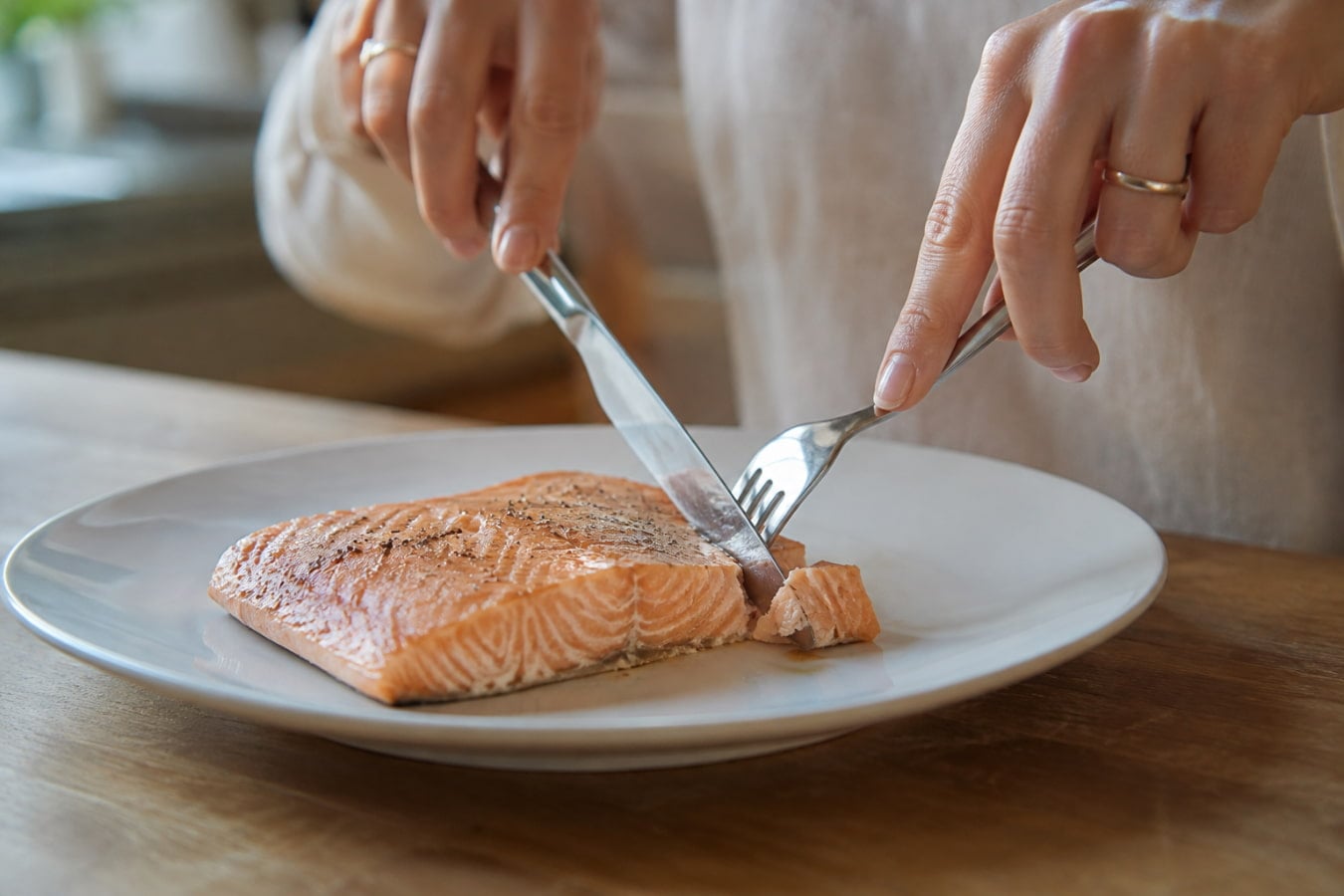
Eat solid food. Early, often, and on a clock.
That answer surprises almost every patient who walks into Tampa Bay Reflux Institute expecting a week of milkshakes. Your diet after LINX surgery isn’t about resting the esophagus. It’s about working it.
The diet after LINX surgery calls for small bites of solid food every one to two hours while you’re awake, starting the day after your procedure and continuing for at least six weeks. Frequent swallowing opens and closes the magnetic beads. That motion keeps healing scar tissue from locking the device into a fixed position and lowers your risk of long-term swallowing trouble.
Skip the schedule and your odds of needing a stretching procedure go up. Follow it and most people are eating close to normal by month three.
Why Does Eating Matter So Much After LINX Surgery?
Eating is the therapy. Every swallow pulls the titanium beads apart and lets them snap back, and that movement is what keeps the capsule of scar tissue forming around the device flexible instead of rigid.
This is where most patients get burned, and it isn’t their fault.
For thirty years the standard anti-reflux operation was a fundoplication, where the top of the stomach gets wrapped around the esophagus. Those patients spend a couple of weeks on semi-liquids while the wrap settles. That instruction sheet got handed down, photocopied, and pasted onto LINX recovery pages all over the internet. Copy it after LINX and you’re growing a stiff scar around a device that needs to move.
Researchers at a high-volume reflux center spelled out the difference: fundoplication patients take a semi-liquid diet for at least two weeks, while LINX patients are told to eat solids specifically to stop a restrictive fibrous capsule from building around the device.
One surgical group published what happened when they changed nothing about the operation and only changed the eating instructions. After they stopped doing early stretching procedures and put patients on a strict solid-food protocol built around constant device movement, their dilation rate dropped from 50% in 2014 to 30% in 2017.
Same surgery. Same device. Different diet.
I’ve watched this play out more times than I can count. Day four, swallowing feels tight, so someone switches to soup “just for a few days.” They show up at week six struggling with scrambled eggs. The soup caused it.
What Should You Expect Week by Week?
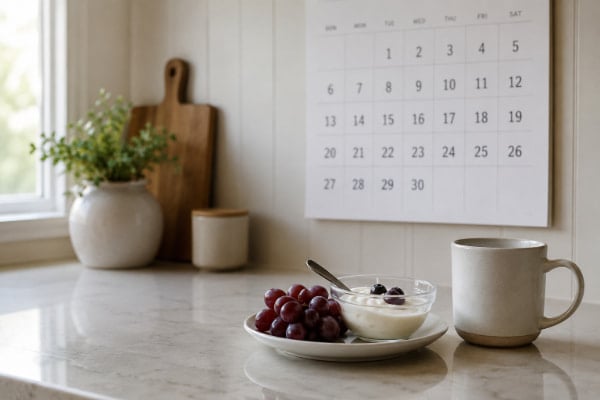
Weeks one and two feel easy. Weeks three through eight are the hard stretch. By week twelve, most people are eating normally again.
| Timeframe | What most people feel | What to eat |
| Day of surgery | Sore, tired, mild pressure | Soft foods only |
| Weeks 1 to 2 | Food goes down well, reflux is quiet | Regular texture, small bites, every 1 to 2 hours |
| Weeks 3 to 8 | Tightness, burping, chest twinges | Keep eating solids, do not retreat to liquids |
| Weeks 9 to 12 | Steady improvement | Normal meals, still chew thoroughly |
| Month 4 and beyond | Most restrictions gone | Whatever you tolerate |
Weeks 1 and 2: The Honeymoon Stage
Food goes down easily and the heartburn is gone. Patients call me thrilled.
That good feeling holds best if you didn’t need a hiatal hernia repair at the same time. If you did, expect a slower, achier start, because your surgeon also rebuilt the opening in your diaphragm.
Don’t let the easy weeks fool you into skipping snacks. The eating you do now is what buys you an easier week five.
Weeks 3 Through 8: When Swallowing Gets Harder
Scar tissue forms around the device between weeks three and eight, and swallowing gets noticeably tighter. You may burp more. You may get sharp chest pain that passes in seconds when the esophagus muscle spasms.
None of that means something went wrong. It means you’re healing on schedule.
Early swallowing difficulty after this operation has been reported in 43% to 83% of patients depending on the series, which is a wide spread and tells you how much technique and diet coaching vary between centers. The numbers for stretching procedures scatter just as widely. A nine-year series of 202 patients published in a National Library of Medicine journal reported dilation in 7.4% and device removal in 1.4%, while a review in Diseases of the Esophagus noted rates approaching 30% at one year in some cohorts.
That gap isn’t random. Lower numbers cluster at centers that coach the diet hard.
The Eating Schedule That Prevents Dilation
Five to seven small meals a day, or a small snack every one to two hours while you’re awake, for a minimum of six weeks.
A realistic day looks like this:
- 7:00 a.m. breakfast, small portion, chewed thoroughly
- 8:30 a.m. a few grapes or a piece of cheese
- 10:00 a.m. yogurt or applesauce
- 11:30 a.m. lunch
- 1:00 p.m. a small handful of trail mix
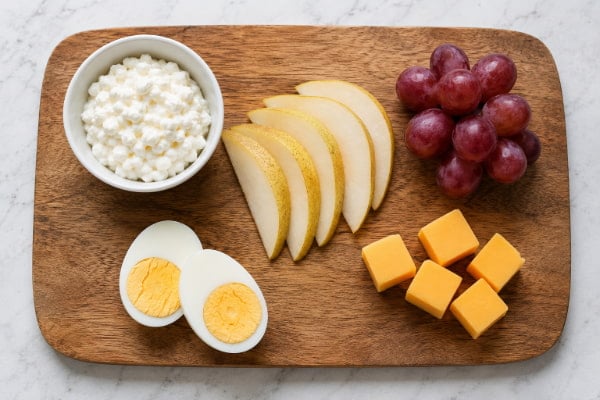
- 2:30 p.m. cottage cheese or a soft pear
- 4:00 p.m. a hard-boiled egg
- 6:00 p.m. dinner
- 8:00 p.m. one last small snack
Nine eating events. It feels absurd for about three days, then it becomes routine.
Actually, calling six weeks the finish line isn’t quite right. Six weeks is the floor. One center that placed 777 devices between 2013 and 2021 pushed patients to eat small portions of solid food every waking hour for the first two full months. If you’re still tight at week seven, keep going.
Set phone alarms. Patients who wing it forget the mid-afternoon snack, then the mid-morning one, and within ten days they’ve quietly drifted back to three meals a day.
What Does the Diet After LINX Surgery Actually Look Like?
Almost everything is back on the table starting the day after surgery, as long as the bites are small and you chew until the food is nearly liquid.
| Good bets in the first six weeks | Save these for later |
| Soft-cooked vegetables, slippery noodles | Dry crusty bread, bagels, doughy rolls |
| Whitefish, eggs, ground meat with sauce | Steak, boiled chicken breast |
| Yogurt, cottage cheese, applesauce, pudding | Plain rice and quinoa |
| Grapes, soft pears, banana in small pieces | Raw lettuce and leafy salad |
| Cheese, hummus, moist casseroles | Sandwiches and burgers eaten by hand |
Soft Foods Only on Surgery Day
For the first 24 hours, eat things you can squish between your fingers. Soft-cooked vegetables, slippery noodles, whitefish. That’s the whole list, and it’s a short list on purpose.
Rice, bread, chicken and lettuce all wait until tomorrow. They’re the four foods most likely to hang up on a freshly swollen esophagus.
Real Food and Small Bites From Day One
From day two onward, you’re eating regular-texture solid food. Half a teaspoon to a teaspoon per bite at first. Chew far past the point where it feels silly.
Wet beats dry every time. Steam the vegetables. Put gravy on the meat. Dip the cracker.
Most surgeons limit coffee and ask you to skip alcohol during the healing window, and I’d follow that instruction without arguing. Worth knowing, though: the 2022 American College of Gastroenterology guideline advises against routine blanket elimination of reflux trigger foods like caffeine, chocolate and alcohol for GERD generally, because the evidence behind those lists is thinner than the internet suggests. Your first six weeks are a different problem. That restriction is about protecting a mechanical repair, not about acid.

How Do You Prevent Swallowing Problems?
Posture, bite size, and warm liquid before you start. Those three habits prevent most of the trouble.
- Sit at a full 90 degrees to eat and drink
- Stay upright for 30 to 45 minutes after you finish
- Sip something warm before your first bite
- Start with half-teaspoon portions
- Chew each bite completely before swallowing
- Pause 30 to 60 seconds between bites
- Eat somewhere quiet, without a phone or a conversation
The warm liquid advice isn’t folklore. Investigators at a major cancer center studied 48 patients with esophageal motility problems and found that hot water swallows cut the force of esophageal contractions from 188 mm Hg to 125 mm Hg and shortened their duration from 11.8 seconds to 5.7 seconds. Twenty-eight of those 48 patients, roughly 58%, reported meaningful symptom relief and kept drinking hot liquids with meals afterward.
Cold does the reverse. Iced drinks weaken and slow contractions, which is exactly why an ice-cold soda hurts at week four.
I’m not covering pill swallowing, sleep positioning, or when to taper your reflux medication here. Those deserve their own conversation with your surgeon, and lumping them into a diet article makes people skim the part that actually matters.
When Food Feels Stuck
Stop. Don’t force it and don’t chase it with a big gulp of water.
Sit up straight, breathe, and take small sips of warm tea or broth. Nearly every episode clears on its own within a few minutes. Panic tightens the esophagus, which makes the sensation worse.
Dry bread products are the usual culprit. They absorb saliva, swell, and form a plug.
Liquids and the Rule Nobody Explains Properly
Six to eight cups of fluid a day, most of it between meals rather than during them. The rule that matters most is simple: don’t wash food down.
Many handouts cap you at 4 ounces with meals and 8 ounces with snacks. I’ll push back on the precision there. Those exact numbers trace back to post-op instructions written for a fundoplication and other stomach operations, where the concern is a rebuilt or smaller reservoir. LINX doesn’t change your stomach anatomy at all.
Ask Dr. Grandhige whether the strict caps apply to your case. For most LINX patients, the working rule is that solids and liquids don’t belong in the same mouthful, and a small warm sip is fine when something feels sticky.
While I’m at it, one more borrowed instruction deserves to go. Several LINX handouts tell you to eat dessert at the end of the meal “to help digestion.” That line comes from stomach surgery diets, where the point is avoiding dumping syndrome, a rush of sugar into the small intestine that triggers cramping, sweating and dizziness. LINX doesn’t reroute anything. The rule got copied over and the reason got left behind.
Cutting Down on Gas and Bloating
Stop swallowing air. That’s most of the battle, and four habits account for the bulk of it.
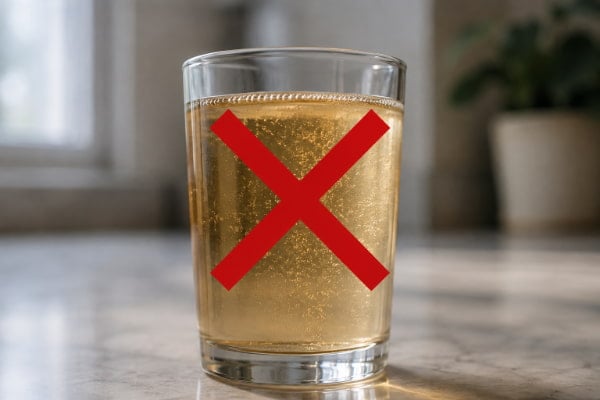
Skip straws. Skip gum. Don’t talk while you’re chewing. And leave carbonated drinks, beer included, alone for the first three to four weeks, then pour them into a glass and let them sit a minute before drinking. Cleveland Clinic lists straws, gum, hard candy, fizzy drinks and talking through meals as the main ways people swallow extra air without realizing it.
Certain foods ferment in the colon and produce gas on their own. The International Foundation for Gastrointestinal Disorders groups the usual gas-producing foods as beans and lentils, cruciferous vegetables like broccoli, cauliflower, cabbage and Brussels sprouts, onions, corn, peas, dairy for anyone lactose intolerant, and foods sweetened with sugar alcohols. Cooking those vegetables instead of eating them raw takes some of the edge off.
Bloating gets better, and the data on that is encouraging. A safety and effectiveness analysis published by the Society of American Gastrointestinal and Endoscopic Surgeons found bothersome gas and bloating in 52% of patients before the operation and 8.3% five years afterward.
Read that again. Most of these patients were more bloated before surgery than after it.
What Happens After Week 8?
You start getting your life back. Bread, steak and salad come back onto the table for most people between weeks eight and twelve, with the caveat that you’ll probably chew more carefully than you used to for the rest of your life.
Long-term numbers are strong. A 200-patient series with more than five years of follow-up, published in Annals of Surgery, found that 81.6% of patients had at least a 50% improvement in their reflux quality-of-life score, 90.4% were free of daily acid-suppressing medication, and swallowing difficulty persisted in 5%. Thirteen percent had the device removed over that span, most often for ongoing symptoms rather than any device failure.
Patients kept the ability to burp and vomit, which is the thing people miss most after a full fundoplication.
If swallowing hasn’t improved by week twelve, get evaluated instead of white-knuckling it. Persistent tightness sometimes points to a motility problem such as achalasia hiding underneath the reflux picture, and a stretching procedure done at the right time works well. In one published series, 48.3% of patients dilated after the eight-week mark had a complete response, compared with 21% of those dilated earlier.
If reflux itself creeps back, that’s a separate conversation about what’s actually driving your GERD symptoms, because it isn’t always acid.
The One Thing to Take Away
Your diet after LINX surgery is not a restriction list. It’s a rehab schedule with a six-week deadline, and the patients who treat it that way almost never end up in the endoscopy suite getting stretched.
Set the alarms. Eat the snack even when you don’t feel like it. Chew like you’re being graded. If swallowing gets harder in week four, that’s the surgery working, not failing, and the answer is more solid food rather than less.
Questions about your own diet after LINX surgery, or about how the LINX device works before you commit to it, belong with a surgeon who does this operation regularly. Dr. Gopal Grandhige is a board-certified surgeon, and Tampa Bay Reflux Institute helps patients across Tampa eliminate reflux and GERD for good. Reach our office when you’re ready to talk it through.
FAQs
What is the diet after LINX surgery?
The diet after LINX surgery starts with soft foods for the first 24 hours, then moves to regular-texture solid food from day two onward. Patients eat five to seven small meals a day, or a snack every one to two hours while awake, for at least six weeks. Frequent swallowing keeps the magnetic device moving so scar tissue doesn’t lock it in place.
How long does the diet after LINX surgery last?
The frequent-eating schedule runs a minimum of six weeks, and many surgeons extend it to eight or twelve. One center that placed 777 devices between 2013 and 2021 asked patients to eat small portions of solid food every waking hour for two full months. Normal eating usually returns between weeks eight and twelve.
Why does swallowing get worse around week three?
Scar tissue forms a capsule around the device between weeks three and eight, which narrows the passage temporarily. Early swallowing difficulty has been reported in 43% to 83% of patients after this operation. Eating more solid food during that window, not less, is what stretches the scar tissue and resolves it.
Can I drink coffee or alcohol after LINX surgery?
Most surgeons ask patients to limit caffeine and skip alcohol during the six-week healing window, and that instruction is about protecting a mechanical repair rather than controlling acid. The 2022 American College of Gastroenterology guideline actually advises against blanket elimination of trigger foods for GERD in general. Ask your own surgeon what applies to your recovery.
Will I need a dilation after LINX surgery?
Probably not, and your diet strongly influences the odds. Published dilation rates range from 7.4% in one nine-year series to nearly 30% at one year in others. One surgical group cut its own rate from 50% in 2014 to 30% in 2017 by putting patients on a strict early solid-food protocol without changing the operation itself.
Can I eat bread and steak again after LINX surgery?
Yes. Most patients bring crusty bread, steak and raw salad back between weeks eight and twelve, once the scar tissue has matured and stretched. Some people find dry bread stays mildly annoying long-term and handle it by moistening it or taking smaller bites.
Can I still burp and vomit with a LINX device?
Yes, and that’s one of the clearest advantages over a full stomach wrap. In a 200-patient series followed more than five years, patients retained the ability to burp and vomit when needed. Bothersome gas and bloating dropped from 52% before surgery to 8.3% at five years in a separate long-term analysis.


An endoscopy cannot tell you if you have reflux. It can only tell you if you have complications of GERD.
If you are unhappy with your reflux symptoms, come in and we can discuss testing and treatments that can accurately diagnose your problem.
#reflux #gerd #hiatalhernia #gastroparesis #linx

CALL US AT 813-922-2920
www.tampareflux.com
If you have a hiatal hernia and fit one of these categories, you should know your options.
Dr. Grandhige is an expert in his field and performs 200 of these surgeries a year. He is the only surgeon in the Tampa Bay Area who offers all surgical options - LINX, Fundoplications, TIF and will be one of 20 surgeons in America introducing the latest procedure RefluxStop in 2026.
We accept most insurances but will verify yours before you come in. These procedures are considered medically necessary and covered by your insurance. You can expect to pay your in-network deductibles and nothing else.
#hiatalhernia #reflux #GERD #LINX #refluxstop
What causes reflux ?
1. Weak lower esophageal sphincter
2. Hiatal hernia
3. Flattening of the Angle of His
4. Poor esophageal motility
5. Gastroparesis (slow stomach)
NOT increased acid production
Don’t let GERD get in the way of living your life. Request your appointment with us today on the link below.
.
.
.
.
https://tampareflux.com/contact-us/
Anyone can be victim to GERD and though weight loss can help reduce GERD symptoms. Many athletes with high impact workouts may continue to have these symptoms. This may be a symptom of a hiatal hernia or other issue. We are more then happy to assist you in finding your solution, just click the link below.
.
.
.
https://tampareflux.com/contact-us/
##healthylifestyle #workout #athletereflux #PPIs #heartburn #LINX #fundoplication #TIF #GERD#tampaheartburn #linx #TIF #fundoplication #tampabayreflux #GERD #acidreflux #acidrefluxsurgery #stopreflux
#nonsurgicalweightloss #ESG #gastricballoon #weightlossjourney #vsg #vsgjourney #spatz3 #orbera #orberaballoon #grandhige #DrG
#tampabayrefluxinstitute #guthealth #roboticsurgery
Heartburn may seem like an annoyance. But if you find yourself having symptoms on a daily basis, it may be time to to talk to Dr. Grandhige as it could be a symptom of something worse.
.
.
.
#chronicheartburn #gerdsymptoms #heartburnrelief #reflux #PPIs #heartburn #LINX #fundoplication #TIF #GERD#tampaheartburn #linx #TIF #fundoplication #tampabayreflux #GERD #acidreflux #acidrefluxsurgery #stopreflux
#nonsurgicalweightloss #ESG #gastricballoon #weightlossjourney #vsg #vsgjourney #spatz3 #orbera #orberaballoon #grandhige #DrG
#tampabayrefluxinstitute #guthealth #roboticsurgery
If you are tired of avoiding your favorite foods or taking daily medications, we can help.
We are the Tampa experts in reflux ! With years of experience and thousands of patients treated successfully, we offer all FDA approved anti-reflux procedures.
Call 813-922-2920 to schedule your appointment
All major insurances accepted.
Not all patients need surgical intervention. Many patients are living a heartburn free life with their PPIs. However 40% of patients taking PPIs are not getting the relief they need. If you are one of those, you have options! Come in and find out more.
.
.
.
.
#letushelpyou #medsnotworking #reflux #PPIs #heartburn #LINX #fundoplication #TIF #GERD#tampaheartburn #linx #TIF #fundoplication #tampabayreflux #GERD #acidreflux #acidrefluxsurgery #stopreflux
#nonsurgicalweightloss #ESG #gastricballoon #weightlossjourney #vsg #vsgjourney #spatz3 #orbera #orberaballoon #grandhige #DrG
#tampabayrefluxinstitute #guthealth #roboticsurgery
#heartburn #stopreflux #hiatalherniarepair #severeheartburn #reflux #tampabayreflux #acidrefluxsurgery #tampaheartburn #GERD #PPIs #achalasia #LINX #TIF #tampareflux #fundoplication #stomach #digestivehealth #ESG #obesity #overweight #weightlossjourney #gastricballoon


