
What endoscopic pyloromyotomy does
Endoscopic pyloromyotomy improves stomach emptying by cutting the pylorus, the ring of muscle between your stomach and small intestine, so food drains more freely into the intestine. Dr. Grandhige performs it with a flexible endoscope passed through the mouth. There are no incisions on your abdomen.
During the procedure, a small tunnel is made under the pyloric muscle with the endoscope, and the muscle is divided with an endoscopic knife. You may see it called POP (per-oral pyloromyotomy) or G-POEM. The two names describe minor technical variations of the same idea. Because everything is done internally, there are no abdominal wounds to heal.
This is increasingly used as an early procedural step for gastroparesis, not only as a last resort. It targets the mechanical bottleneck at the pylorus instead of just muting symptoms with medication. The practice’s main gastroparesis overview walks through the full treatment ladder in general terms; this page is written for patients coming from St. Petersburg.

Who is a candidate, and who isn’t
A procedure only makes sense once testing confirms your stomach is emptying too slowly and that the slow emptying is what’s actually causing your symptoms. That evidence comes from a gastric emptying study, the most useful test for gastroparesis. You eat a light meal tagged with a small amount of radioactive material, usually eggs and toast or oatmeal, and a scanner tracks how fast your stomach clears it over four hours.
An upper endoscopy doesn’t diagnose gastroparesis on its own, but it plays a role. If food is still sitting in your stomach after you’ve fasted for the test, that points toward delayed emptying and prompts a proper emptying study.
Here’s where Dr. Grandhige’s approach differs from a surgeon who operates on symptoms alone. He’s known across Tampa Bay for not operating unless the testing clearly supports it. Many patients arrive expecting a procedure and leave with a diagnosis, an explanation, and a non-surgical plan. Nausea, bloating, and fullness can also come from reflux, a hiatal hernia, silent reflux (LPR), or functional stomach disorders that a pyloromyotomy won’t fix. Confirming the cause first is what protects you from a procedure that can’t help you.
Why see a foregut specialist for gastroparesis
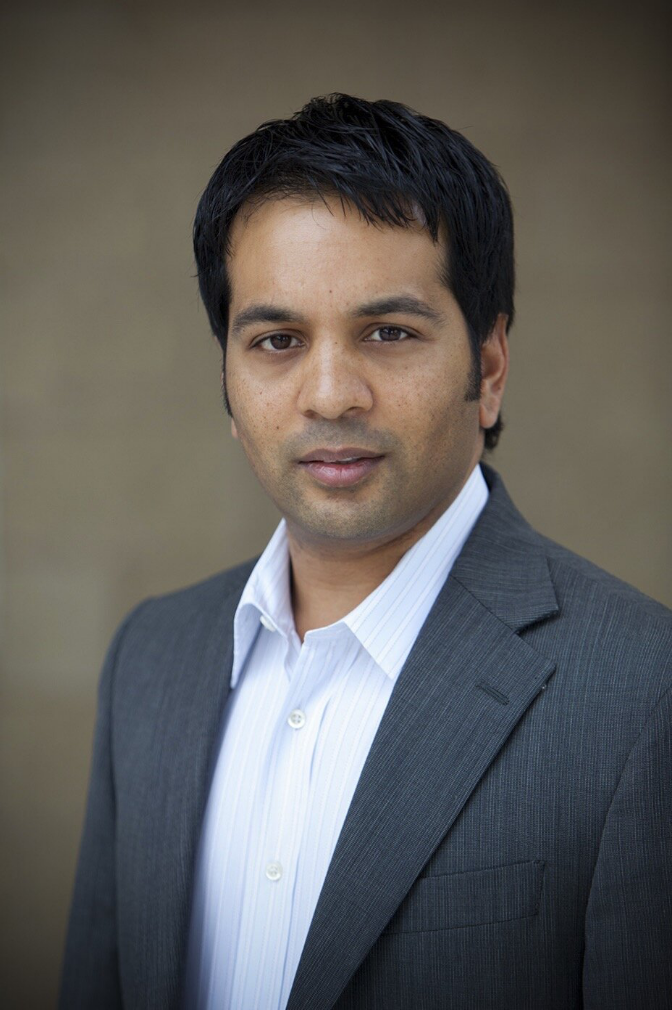
Gastroparesis sits inside foregut surgery, the care of the esophagus, diaphragm, and stomach. Dr. Grandhige has worked in that one area since 2009. He’s a board-certified general surgeon who completed fellowship training in foregut and minimally invasive surgery at Yale-New Haven Hospital. He’s a Fellow of the American College of Surgeons, a member of the Society of American Gastrointestinal and Endoscopic Surgeons (SAGES), and a founding member of the American Foregut Society. You can read more about his training and background if you want to check the details yourself.
That focus shows up in volume. He’s performed over 600 fundoplications, over 600 LINX procedures, and over 200 TIF procedures for reflux, and he’s one of only a handful of surgeons in Tampa Bay who performs the endoscopic pyloromyotomy for gastroparesis.
The setup around the procedure matters as much as the credential. He operates at a single hospital, HCA South Tampa, with the same team every time, so the equipment and the routine stay consistent. A physician assistant he employs assists on every case and knows your specific procedure and recovery, so you’re not handed to a stranger afterward. His office medical assistants have been with him for over a decade. And patients can reach him directly after hours when something comes up. For a chronic condition, that kind of access changes how recovery feels.
Getting care from St. Petersburg
St. Petersburg patients don’t need a local gastroparesis clinic to get specialist care. The office is a short drive across the bay in South Tampa, reachable over the Gandy Bridge or the Howard Frankland. For a condition this specific, most people in Pinellas are closer to a dedicated foregut specialist than they realize.
The office is at 1315 South Howard Avenue, Suite 101, in South Tampa. It’s the yellow brick building next to Sally O’Neill’s Pizza, and parking is behind the restaurant.
The team is used to patients coming from across the bay and across the state, so trips get planned around your time. Where a test can be done closer to you in St. Pete, they’ll arrange that instead of making you drive over for it, and they group the remaining studies so you’re not crossing the bay again and again. If you already have prior records, endoscopy reports, or a past gastric emptying study, you can send them to info@tampareflux.com before your visit so Dr. Grandhige reviews everything first. Any procedure itself is performed at HCA South Tampa.
What patients and referring doctors say
The most common thing patients say is that they finally understood what was happening to them. Across reviews, the themes repeat: they felt heard, their prior tests and notes were actually read, and they weren’t pushed toward surgery. Patients often mention the diagrams Dr. Grandhige draws to explain how the stomach and pylorus work.
Referring physicians tell the same story from the other side. Gastroenterologists, ENT doctors, and primary care providers keep sending patients because those patients come back informed and reassured, whether or not a procedure was done. That referral pattern, built over 16 years in Tampa Bay, is the practice’s real track record.
Gastroparesis questions we hear most
You’ve probably spent long enough not knowing why eating feels like this
A gastric emptying study and an honest evaluation can tell you whether it’s gastroparesis, whether a procedure would help, and what to do if it wouldn’t.


An endoscopy cannot tell you if you have reflux. It can only tell you if you have complications of GERD.
If you are unhappy with your reflux symptoms, come in and we can discuss testing and treatments that can accurately diagnose your problem.
#reflux #gerd #hiatalhernia #gastroparesis #linx


CALL US AT 813-922-2920
www.tampareflux.com
If you have a hiatal hernia and fit one of these categories, you should know your options.
Dr. Grandhige is an expert in his field and performs 200 of these surgeries a year. He is the only surgeon in the Tampa Bay Area who offers all surgical options - LINX, Fundoplications, TIF and will be one of 20 surgeons in America introducing the latest procedure RefluxStop in 2026.
We accept most insurances but will verify yours before you come in. These procedures are considered medically necessary and covered by your insurance. You can expect to pay your in-network deductibles and nothing else.
#hiatalhernia #reflux #GERD #LINX #refluxstop

What causes reflux ?
1. Weak lower esophageal sphincter
2. Hiatal hernia
3. Flattening of the Angle of His
4. Poor esophageal motility
5. Gastroparesis (slow stomach)
NOT increased acid production


Don’t let GERD get in the way of living your life. Request your appointment with us today on the link below.
.
.
.
.
https://tampareflux.com/contact-us/

Anyone can be victim to GERD and though weight loss can help reduce GERD symptoms. Many athletes with high impact workouts may continue to have these symptoms. This may be a symptom of a hiatal hernia or other issue. We are more then happy to assist you in finding your solution, just click the link below.
.
.
.
https://tampareflux.com/contact-us/
##healthylifestyle #workout #athletereflux #PPIs #heartburn #LINX #fundoplication #TIF #GERD#tampaheartburn #linx #TIF #fundoplication #tampabayreflux #GERD #acidreflux #acidrefluxsurgery #stopreflux
#nonsurgicalweightloss #ESG #gastricballoon #weightlossjourney #vsg #vsgjourney #spatz3 #orbera #orberaballoon #grandhige #DrG
#tampabayrefluxinstitute #guthealth #roboticsurgery

Heartburn may seem like an annoyance. But if you find yourself having symptoms on a daily basis, it may be time to to talk to Dr. Grandhige as it could be a symptom of something worse.
.
.
.
#chronicheartburn #gerdsymptoms #heartburnrelief #reflux #PPIs #heartburn #LINX #fundoplication #TIF #GERD#tampaheartburn #linx #TIF #fundoplication #tampabayreflux #GERD #acidreflux #acidrefluxsurgery #stopreflux
#nonsurgicalweightloss #ESG #gastricballoon #weightlossjourney #vsg #vsgjourney #spatz3 #orbera #orberaballoon #grandhige #DrG
#tampabayrefluxinstitute #guthealth #roboticsurgery

If you are tired of avoiding your favorite foods or taking daily medications, we can help.
We are the Tampa experts in reflux ! With years of experience and thousands of patients treated successfully, we offer all FDA approved anti-reflux procedures.
Call 813-922-2920 to schedule your appointment
All major insurances accepted.

Not all patients need surgical intervention. Many patients are living a heartburn free life with their PPIs. However 40% of patients taking PPIs are not getting the relief they need. If you are one of those, you have options! Come in and find out more.
.
.
.
.
#letushelpyou #medsnotworking #reflux #PPIs #heartburn #LINX #fundoplication #TIF #GERD#tampaheartburn #linx #TIF #fundoplication #tampabayreflux #GERD #acidreflux #acidrefluxsurgery #stopreflux
#nonsurgicalweightloss #ESG #gastricballoon #weightlossjourney #vsg #vsgjourney #spatz3 #orbera #orberaballoon #grandhige #DrG
#tampabayrefluxinstitute #guthealth #roboticsurgery

#heartburn #stopreflux #hiatalherniarepair #severeheartburn #reflux #tampabayreflux #acidrefluxsurgery #tampaheartburn #GERD #PPIs #achalasia #LINX #TIF #tampareflux #fundoplication #stomach #digestivehealth #ESG #obesity #overweight #weightlossjourney #gastricballoon
