

Written By: Jeffrey Atlas, Health Content Writer
Medically Reviewed By: Dr. Gopal Grandhige, MD, FACS, Board-Certified Surgeon
Last Reviewed: June 28, 2026
Short answer? Sort of, but not the way most people think. Spicy food gets blamed for heartburn constantly, and after years of seeing patients walk into our office convinced that one bowl of chili sent them to the ER, I’ll tell you what the research actually shows. Spicy food doesn’t usually create acid reflux from scratch. It amplifies what’s already happening underneath.
Here’s the citation-ready version. The link between spicy food and heartburn comes down to capsaicin, the compound that makes peppers hot. Capsaicin activates pain receptors (called TRPV1) in your esophagus, which makes existing acid feel worse. It doesn’t reliably weaken the valve at the top of your stomach or pump out more acid. So if you have reflux, spicy food turns up the volume. If you don’t, you’ll probably be fine.
Roughly one in five adults in Western countries deals with GERD on a regular basis, per data from the Korean GERD population studies and US epidemiology reports. And spicy food shows up on almost every trigger list, fairly or not.
What Actually Causes Heartburn?
Heartburn isn’t about your stomach. It’s about acid escaping where it doesn’t belong.
A muscle called the lower esophageal sphincter (LES) sits between your stomach and your esophagus. It opens to let food down and closes to keep stomach contents from coming back up. When that valve weakens or opens at the wrong time, stomach acid splashes into the esophagus. Your esophagus has no protective lining like your stomach does. So acid hitting it feels like fire.
That’s the burn.
Some people are also more sensitive than others. Two patients can reflux the same amount of acid, and one feels nothing while the other doubles over. That’s not in your head. It’s nerve sensitivity in the esophageal lining.
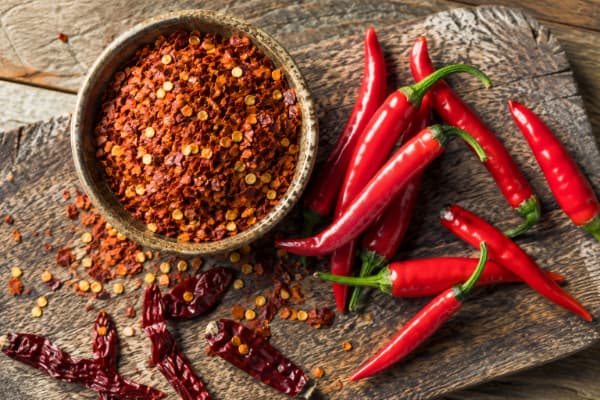
Why Does Spicy Food Get Blamed for Heartburn?
Because the burn feels familiar.
When capsaicin hits your mouth, it lights up the same pain receptors that respond to acid in your esophagus. A 2017 study from Korea University Guro Hospital looking at 126 GERD patients found that hot spicy stews, ramen, and fried foods were among the most frequent triggers reported. Over half of the patients flagged spicy stew specifically as a problem.
So patients connect the dots: ate spicy food, felt burning, must be the spice.
That’s not wrong. But it skips the middle step.
Capsaicin Doesn’t Add More Acid
This is where most blogs get it wrong. Capsaicin doesn’t reliably crank up acid production. It doesn’t consistently relax your LES the way fatty foods or alcohol do. Lab studies measuring stomach pH after a capsaicin meal have shown minimal change in actual acid levels.
What it does is light up pain receptors. So if even a small amount of acid reaches your esophagus, your brain processes it as a five-alarm fire.
Some People Tolerate It Just Fine
If you grew up eating Thai or Indian or Mexican food, you’ve probably noticed family members who eat ghost peppers without flinching. Their bodies adapted. There’s actual research on this. People who eat chili regularly show measurable desensitization to capsaicin’s burn. A 6-week Thai study on patients with non-erosive reflux disease (NERD) found that daily chili intake actually reduced heartburn symptoms after an initial flare-up period.
I’m not telling reflux patients to start eating habaneros. But the “spicy food causes heartburn” framing is too simple. The truth is messier and more individual.
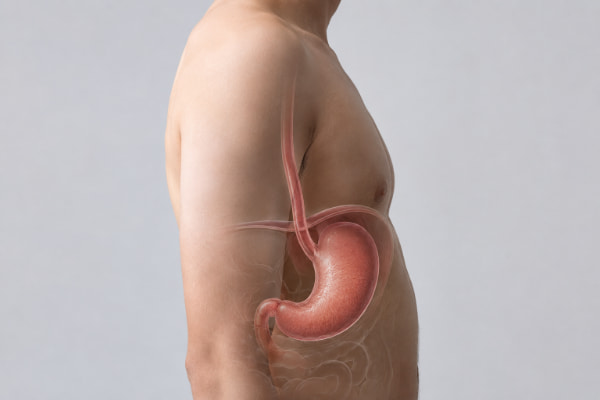
How Does Spicy Food Make Heartburn Worse?
It amplifies what’s already there.
Direct Irritation of the Esophagus
If your esophageal lining is already inflamed from reflux (and most patients with chronic heartburn have some level of inflammation), capsaicin makes that inflammation more painful. Imagine running hot sauce over a scraped knee. The wound isn’t bigger. It just hurts more.
Slower Stomach Emptying
Here’s a piece most articles skip. Capsaicin can slow down how fast your stomach empties into the small intestine. When food sits longer in the stomach, pressure builds. More pressure on the LES means more chances for acid to push past it. So spicy food can contribute to reflux events even when it doesn’t directly weaken the valve.
LES Effects? Probably Overstated
The popular claim that spicy food relaxes the LES is shakier than people think. Some studies show a modest effect. Most don’t. Compared to known LES-weakening culprits like alcohol, peppermint, and high-fat meals, capsaicin’s impact on the valve is minor and inconsistent.
Common Myths About Spicy Food and Reflux
Let’s clear out the noise.
“Spicy food gives everyone heartburn.” False. Most people without reflux can eat spicy food without symptoms. A US study referenced by BBC Science Focus on capsaicin and acid reflux found capsaicin triggered heartburn in 28 of 31 GERD patients but only 6 of 17 healthy controls.
“Cutting spice will solve your reflux.” Almost never the case. Spice is rarely the root cause. If you’re still eating large meals late at night while wearing tight pants, ditching the sriracha won’t save you.
“More burning means more acid.” Wrong. The intensity of burning correlates with nerve sensitivity, not acid volume. You can feel terrible from a small amount of reflux if your esophagus is inflamed and sensitized.
“Acid reflux always means too much acid.” Also wrong. Plenty of GERD patients have normal acid levels. The problem is where the acid ends up, not how much there is.
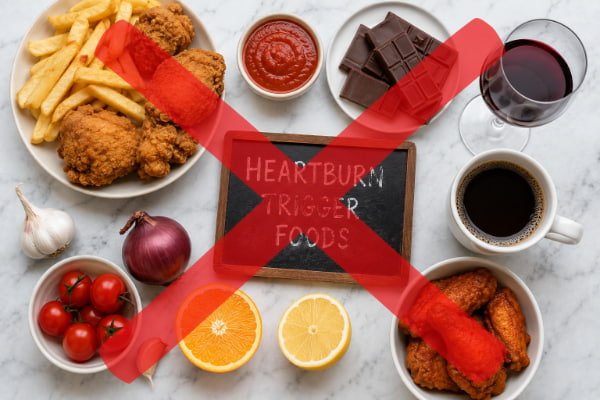
What Are the Real Heartburn Triggers?
Spicy food is usually a passenger, not the driver. The real culprits sit higher on the list.
Fatty and fried foods are at the top. They slow stomach emptying, which builds pressure on the LES. Harvard Health on GERD diet recommendations consistently flags fried foods as the most reliable trigger across studies.
Other big ones:
- Large meal portions
- Eating within 3 hours of bed
- Carbonated drinks
- Alcohol (especially red wine and beer)
- Chocolate (relaxes the LES via theobromine and methylxanthines)
- Peppermint (also relaxes the LES)
- Caffeine, in some people
- Citrus and tomato-based foods (acidic, directly irritating)
Body weight matters too. Extra abdominal weight pushes up on the stomach and forces acid through the LES. This is mechanical, not metabolic. Even losing 10 to 15 pounds can dramatically cut symptoms in patients carrying extra weight.
How Should You Manage Heartburn from Spicy Food?
Start with the obvious. If certain spicy meals consistently trigger you, back off. You don’t need to eat ghost peppers to live a full life. But don’t go on a bland-food crusade based on one bad korma.
Track Your Actual Triggers
Most patients overestimate spice as a trigger and underestimate meal size and timing. Keep a one-week food log. Note what you ate, when, and when symptoms hit. You’ll usually find a clearer pattern than “spicy food.”
Adjust Meal Timing
Stop eating 3 hours before bed. Lying down lets gravity work against you, and acid pools in the esophagus instead of draining back into the stomach. If nighttime reflux is the issue, elevate the head of your bed by 6 to 8 inches. Extra pillows aren’t enough because they bend your torso, which can increase abdominal pressure.
Don’t Eat to Stuffed
Smaller, more frequent meals beat three giant ones for almost every reflux patient. Big meals stretch the stomach, which mechanically pushes contents toward the LES.
Medication, When Needed
Antacids work for occasional flare-ups. H2 blockers (like famotidine) provide longer relief. PPIs (like omeprazole) suppress acid production over time but come with their own concerns when used long-term, including potential effects on bone density and kidney function. The American Gastroenterological Association supports PPI use when needed but emphasizes the lowest effective dose for the shortest duration.
If you’re on a PPI for more than 8 weeks without improvement, that’s a signal to get evaluated. PPI-refractory symptoms occur in roughly 40 to 55% of patients on long-term therapy, and that’s the population where we see the most diagnostic delays.

When Should You See a Specialist for Reflux?
If heartburn is happening more than twice a week, lasts longer than a few weeks, or wakes you up at night, stop self-medicating and get tested.
Long-term untreated reflux can lead to esophageal damage and complications including erosive esophagitis, strictures, and Barrett’s esophagus. Barrett’s affects roughly 1 to 2% of the general population but progresses to esophageal adenocarcinoma at a rate of about 0.12 to 0.5% per year. That’s not a number to ignore.
At Tampa Bay Reflux Institute, Dr. Gopal Grandhige is a board-certified surgeon who specializes in foregut conditions, including GERD, hiatal hernia repair and assessment, silent reflux (LPR) evaluation, and minimally invasive options like the LINX reflux management procedure and TIF (transoral incisionless fundoplication). Tampa Bay Reflux Institute helps you eliminate reflux and GERD with proper diagnostic workup before any treatment decision, including pH monitoring and esophageal manometry. The goal isn’t to suppress symptoms forever. It’s to figure out why you have them and fix it at the source.
If spicy food keeps showing up in your trigger journal, that’s worth a conversation. But the bigger question is what’s letting acid escape in the first place, and that’s where a real evaluation makes the difference.
FAQs
Does spicy food cause acid reflux in everyone?
No. Spicy food and heartburn are linked mainly in people who already have reflux sensitivity or existing GERD. A US study cited by BBC Science Focus found capsaicin triggered heartburn in roughly 90% of GERD patients but only about 35% of healthy people. Most people without underlying reflux tolerate spice well.
Can I eat spicy food if I have GERD?
Maybe. It depends on your individual tolerance. Some GERD patients flare badly after any spice, while others manage moderate amounts without issue. A 6-week NERD study from Thailand actually found that daily chili intake reduced symptoms over time through desensitization. Test it carefully, ideally not before bed, and track your reaction.
What’s the worst food trigger for heartburn?
Fatty and fried foods top the list for most reflux patients. They slow stomach emptying and build pressure on the LES valve. Spicy food, by contrast, mostly amplifies existing reflux rather than causing it directly. Chocolate, alcohol, peppermint, carbonated drinks, and large meals are also major triggers.
Why does spicy food burn going down if it doesn’t cause more acid?
Capsaicin activates TRPV1 pain receptors in your esophagus. Those are the same receptors that fire when acid touches the lining. So the brain interprets capsaicin’s effect as a burn, even when actual acid levels haven’t changed. It’s a sensory amplification, not chemistry.
How do I know if my heartburn is GERD or just an occasional thing?
Heartburn that happens more than twice a week, lasts longer than a few weeks, wakes you up at night, or doesn’t respond to over-the-counter antacids likely meets the threshold for GERD. About 1 in 5 adults in the US has GERD, and many go undiagnosed for years. Persistent symptoms warrant a workup, including possible pH monitoring or endoscopy.
Does drinking milk help with heartburn from spicy food?
Temporarily, sometimes. Milk can coat the esophagus briefly and dilute capsaicin. But the fat content can later trigger more reflux, especially whole milk. Cold water or a non-mint herbal tea works better for most people.
What if my heartburn doesn’t improve after avoiding spicy food?
Then spicy food wasn’t your main trigger. Look at meal size, timing, body weight, and other foods like fried items, chocolate, and alcohol. If symptoms persist despite lifestyle changes and PPIs, it’s time to see a reflux specialist for proper testing. Roughly 40 to 55% of patients have PPI-refractory symptoms, and that group needs a different approach.


An endoscopy cannot tell you if you have reflux. It can only tell you if you have complications of GERD.
If you are unhappy with your reflux symptoms, come in and we can discuss testing and treatments that can accurately diagnose your problem.
#reflux #gerd #hiatalhernia #gastroparesis #linx

CALL US AT 813-922-2920
www.tampareflux.com
If you have a hiatal hernia and fit one of these categories, you should know your options.
Dr. Grandhige is an expert in his field and performs 200 of these surgeries a year. He is the only surgeon in the Tampa Bay Area who offers all surgical options - LINX, Fundoplications, TIF and will be one of 20 surgeons in America introducing the latest procedure RefluxStop in 2026.
We accept most insurances but will verify yours before you come in. These procedures are considered medically necessary and covered by your insurance. You can expect to pay your in-network deductibles and nothing else.
#hiatalhernia #reflux #GERD #LINX #refluxstop
What causes reflux ?
1. Weak lower esophageal sphincter
2. Hiatal hernia
3. Flattening of the Angle of His
4. Poor esophageal motility
5. Gastroparesis (slow stomach)
NOT increased acid production
Don’t let GERD get in the way of living your life. Request your appointment with us today on the link below.
.
.
.
.
https://tampareflux.com/contact-us/
Anyone can be victim to GERD and though weight loss can help reduce GERD symptoms. Many athletes with high impact workouts may continue to have these symptoms. This may be a symptom of a hiatal hernia or other issue. We are more then happy to assist you in finding your solution, just click the link below.
.
.
.
https://tampareflux.com/contact-us/
##healthylifestyle #workout #athletereflux #PPIs #heartburn #LINX #fundoplication #TIF #GERD#tampaheartburn #linx #TIF #fundoplication #tampabayreflux #GERD #acidreflux #acidrefluxsurgery #stopreflux
#nonsurgicalweightloss #ESG #gastricballoon #weightlossjourney #vsg #vsgjourney #spatz3 #orbera #orberaballoon #grandhige #DrG
#tampabayrefluxinstitute #guthealth #roboticsurgery
Heartburn may seem like an annoyance. But if you find yourself having symptoms on a daily basis, it may be time to to talk to Dr. Grandhige as it could be a symptom of something worse.
.
.
.
#chronicheartburn #gerdsymptoms #heartburnrelief #reflux #PPIs #heartburn #LINX #fundoplication #TIF #GERD#tampaheartburn #linx #TIF #fundoplication #tampabayreflux #GERD #acidreflux #acidrefluxsurgery #stopreflux
#nonsurgicalweightloss #ESG #gastricballoon #weightlossjourney #vsg #vsgjourney #spatz3 #orbera #orberaballoon #grandhige #DrG
#tampabayrefluxinstitute #guthealth #roboticsurgery
If you are tired of avoiding your favorite foods or taking daily medications, we can help.
We are the Tampa experts in reflux ! With years of experience and thousands of patients treated successfully, we offer all FDA approved anti-reflux procedures.
Call 813-922-2920 to schedule your appointment
All major insurances accepted.
Not all patients need surgical intervention. Many patients are living a heartburn free life with their PPIs. However 40% of patients taking PPIs are not getting the relief they need. If you are one of those, you have options! Come in and find out more.
.
.
.
.
#letushelpyou #medsnotworking #reflux #PPIs #heartburn #LINX #fundoplication #TIF #GERD#tampaheartburn #linx #TIF #fundoplication #tampabayreflux #GERD #acidreflux #acidrefluxsurgery #stopreflux
#nonsurgicalweightloss #ESG #gastricballoon #weightlossjourney #vsg #vsgjourney #spatz3 #orbera #orberaballoon #grandhige #DrG
#tampabayrefluxinstitute #guthealth #roboticsurgery
#heartburn #stopreflux #hiatalherniarepair #severeheartburn #reflux #tampabayreflux #acidrefluxsurgery #tampaheartburn #GERD #PPIs #achalasia #LINX #TIF #tampareflux #fundoplication #stomach #digestivehealth #ESG #obesity #overweight #weightlossjourney #gastricballoon


