
Written By: Dr. Ahmad Saad, Health Content Writer
Medically Reviewed By: Dr. Gopal Grandhige, MD, FACS, Board-Certified Surgeon
Last Reviewed: May 18, 2026
Yes, you can take vitamin C if you have acid reflux. The form, dose, and timing matter more than whether you take it at all. Most people with reflux tolerate 500 mg or less of buffered vitamin C with food without issue. Standard ascorbic acid on an empty stomach is where things go sideways.
I’ve seen patients swear off vitamin C entirely after one bad reaction, and that’s almost always an overcorrection. The vitamin itself isn’t the problem in most cases. The delivery is.
About 1 in 5 Americans deals with GERD symptoms, and a big chunk of them take a daily multivitamin or immune supplement without realizing the formulation matters. Then heartburn shows up at 9pm and they blame the wrong thing.
This article covers what’s really happening when vitamin C and acid reflux collide, which forms are gentler on your esophagus, what dose ranges are safe, and when the burning isn’t actually about the supplement at all. If you’ve been told to avoid vitamin C entirely because of your reflux, that advice is outdated for most people.
What this article won’t do: replace a conversation with a reflux specialist if your symptoms are daily, severe, or getting worse. Heartburn more than twice a week is a sign something structural is going on, and no supplement tweak will fix that.
What Is Vitamin C and Why Does Your Body Need It?
Vitamin C, also called ascorbic acid, is a water-soluble nutrient your body can’t make on its own. You have to get it from food or supplements every day. It plays a role in collagen production, iron absorption from plant foods, immune function, and protecting cells from oxidative damage.
The recommended daily intake is 75 mg for adult women and 90 mg for adult men, according to the National Institutes of Health Office of Dietary Supplements. Smokers need an extra 35 mg per day.
That’s the floor. The ceiling is 2,000 mg per day for adults, which is the tolerable upper intake level. Push past that and you’re inviting GI trouble whether you have reflux or not.
Most people hit the RDA easily through diet alone. The “I need a 1,000 mg supplement every day” mindset is mostly a marketing artifact, not a nutritional necessity.
Can Vitamin C Trigger Acid Reflux?
It can, but not for the reason most people think. The pH of pure ascorbic acid sits around 2.4. Your stomach acid sits between 1.5 and 3.5. So vitamin C is acidic, but it’s not meaningfully more acidic than what’s already in there.
The real triggers are dose and delivery.
High doses dump a concentrated acidic load on an empty stomach. That can irritate the gastric lining and push acid up through a weak lower esophageal sphincter (LES). If your LES is the issue, and for most reflux patients it is, anything that increases pressure or volume in the stomach can make symptoms worse.
Here’s the contrarian piece most wellness sites won’t say: the supplement form often gets blamed when the real culprit is the binders, fillers, and gelatin capsules. Those break down slowly and sit in the stomach longer. The vitamin C itself is usually absorbed within 90 minutes. I’ve had patients switch from a gummy to a liquid and have their symptoms vanish entirely. Same dose, different vehicle.
Why Buffered Vitamin C Is Easier on Your Stomach
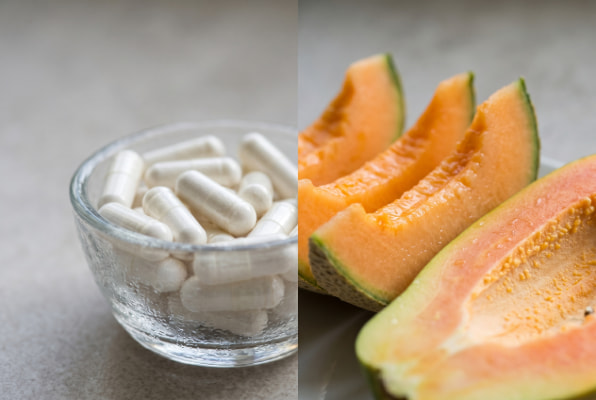
Buffered vitamin C binds ascorbic acid to a mineral, usually calcium, magnesium, or sodium. This neutralizes the acidity and brings the pH closer to neutral. For reflux patients, that small chemistry shift can be the difference between tolerating a supplement and dreading it.
Calcium ascorbate is the most common buffered form. It delivers vitamin C and a small dose of calcium without the acid bite.
Sodium ascorbate is another option, though anyone watching their sodium intake (heart patients, hypertensives) should pick a different version.
Vitamin C and GERD: What the Research Actually Shows
GERD is what happens when reflux becomes chronic. Stomach acid backs up into the esophagus often enough to damage tissue or disrupt your life. According to the National Institute of Diabetes and Digestive and Kidney Diseases, about 20% of U.S. adults have GERD.
So does vitamin C make GERD worse? The honest answer is: it depends entirely on what kind, how much, and when.
A few patterns I’ve seen across hundreds of patients at Tampa Bay Reflux Institute:
- Small doses of buffered vitamin C with breakfast rarely cause issues
- Effervescent tablets (the fizzy kind) tend to be worse because the carbonation distends the stomach
- Chewable tablets coat the esophagus on the way down, which can prolong any irritation
- Liposomal vitamin C is generally well tolerated because the lipid layer changes how it interacts with the gastric environment
Vitamin C might even help. Some research suggests its antioxidant role supports tissue repair, including in the esophagus where chronic acid exposure causes damage. That doesn’t mean vitamin C treats GERD. It means depriving yourself of an essential nutrient because of one bad reaction probably costs more than it saves.
What’s the Safest Way to Take Vitamin C With Acid Reflux?
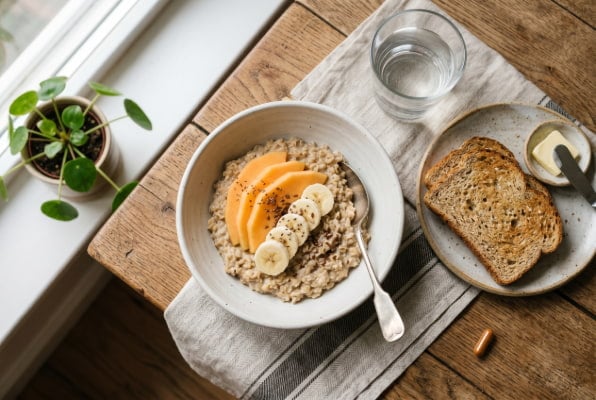
Take it with food. That single change resolves the issue for most people. Eating buffers stomach acid, slows gastric emptying, and dilutes the supplement so your stomach lining isn’t getting hit with a concentrated dose.
Beyond timing, three more variables matter:
Pick the right form. Buffered ascorbate or liposomal vitamin C are the gentler options. Skip standard ascorbic acid powder, chewables, and effervescent tablets if you’ve had reactions before.
Watch the dose. Stay under 500 mg per serving. If you want 1,000 mg total, split it into two 500 mg doses six hours apart. Megadosing 2,000+ mg “for immunity” isn’t doing what the marketing claims, and it’s almost guaranteed to flare reflux.
Stay upright. Don’t take any supplement, vitamin C included, within two hours of lying down. Gravity does half the work of keeping acid where it belongs.
Which Vitamin C Foods Are Actually Safe for Reflux?
Food sources beat supplements for most people. You get fiber, water, and other nutrients alongside the C, and the dose is naturally moderated. But not every “vitamin C food” is reflux-safe, and the ones you see recommended on wellness blogs are often wrong.
Here’s the real list, based on what we recommend at Tampa Bay Reflux Institute:
Reflux-safe vitamin C sources:
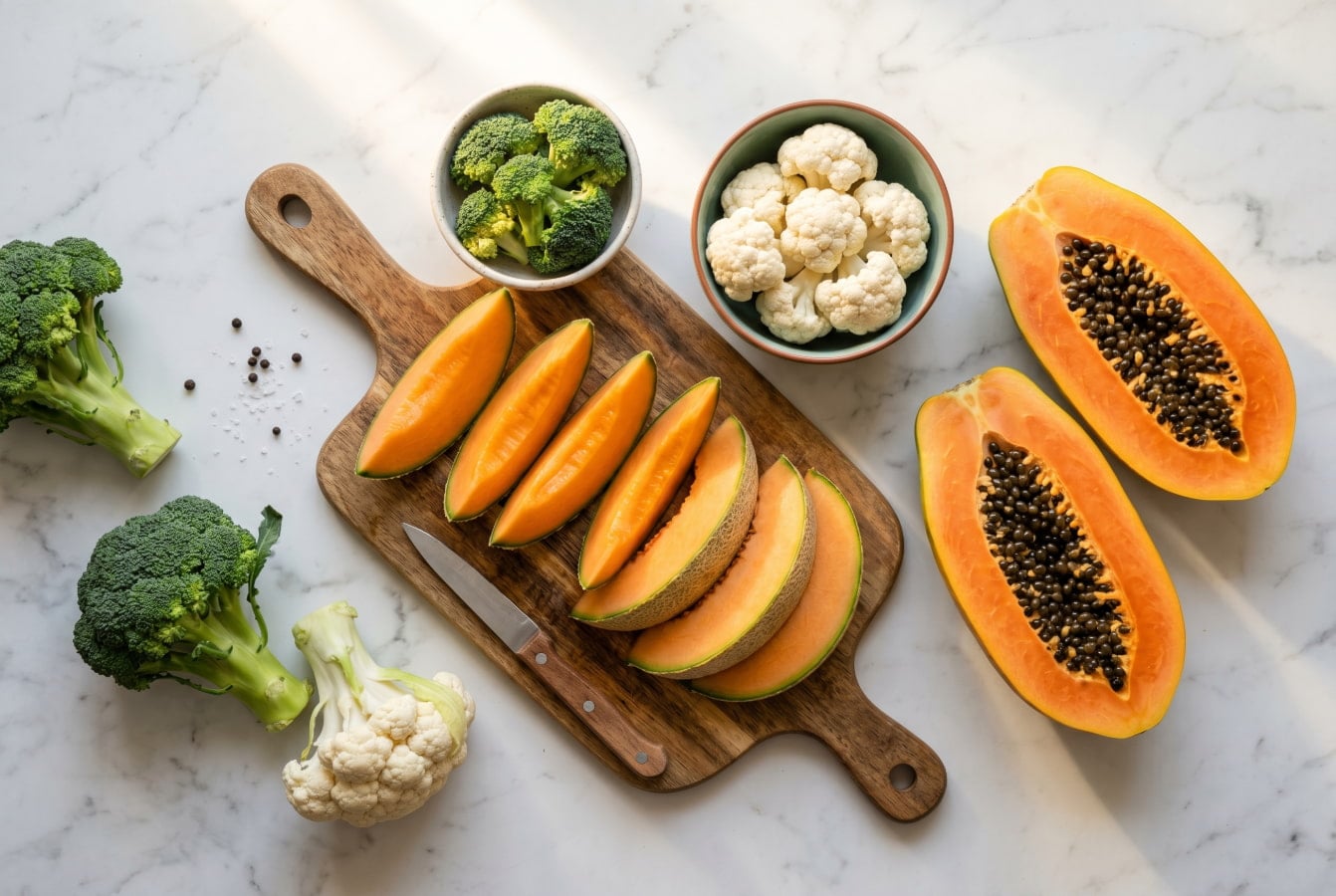
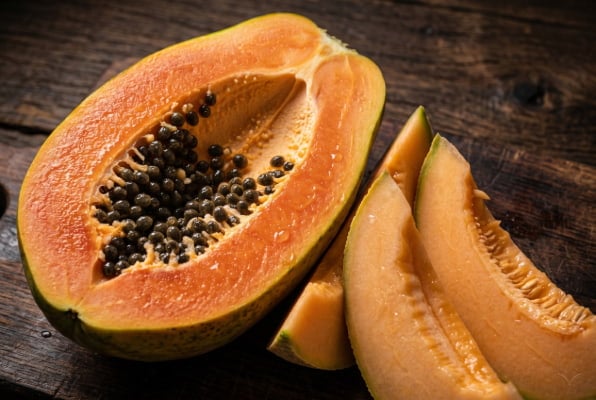
- Cantaloupe and honeydew melon. Alkaline, water-rich, and well-tolerated even in active flares. Cantaloupe gives you about 60 mg of vitamin C per cup.
- Papaya. Naturally low-acid (pH around 5.6) and contains papain, an enzyme that supports digestion. Almost universally tolerated, even by LPR patients.
- Broccoli. Low-acid, fiber-rich, and one of the most reflux-friendly vegetables you can eat. About 75 mg of vitamin C per cooked cup.
- Cauliflower. Alkaline, easy on the stomach, ~45 mg per cup.
- Brussels sprouts and cabbage. Both low-acid and reflux-friendly when cooked rather than raw.
- Sweet peppers (mild varieties, not chili or spicy). Worth trying but introduce slowly because bell peppers are triggers for about 25% of refluxers, with green peppers being more problematic than red or yellow.
The ones to be careful with:
- Strawberries and other berries. Strawberries are acidic and may potentially trigger reflux. Kiwis (technically berries) may or may not cause issues depending on your individual sensitivity. Test with a small serving first.
- Kiwi. Despite being a vitamin C powerhouse, kiwi has a pH around 3.1–3.9 and can trigger heartburn in sensitive patients, especially for LPR.
- Citrus (oranges, grapefruit, lemons) and tomatoes. Skip these. They’re the most common dietary triggers in reflux disease, full stop.
The smart play is to lean on cantaloupe, papaya, and cooked cruciferous vegetables. You can hit your full daily vitamin C target through these alone without going near anything risky.
If you’re working with Dr. Grandhige on managing your GERD long-term, dietary tweaks like this become part of the broader symptom control plan.
How Much Vitamin C Is Too Much If You Have Reflux?
| Dose Range | Reflux Risk | Notes |
| 75–200 mg/day | Very low | Easily met through diet alone |
| 200–500 mg/day | Low | Tolerable for most reflux patients with food |
| 500–1,000 mg/day | Moderate | Split doses, buffered form recommended |
| 1,000–2,000 mg/day | High | Often triggers symptoms even in non-GERD patients |
| 2,000+ mg/day | Very high | Above tolerable upper limit, GI distress likely |
The sweet spot for most adults is 200 to 500 mg daily if you supplement at all. Anything beyond 500 mg doesn’t add measurable health benefit for the general population. Your kidneys excrete the excess in urine.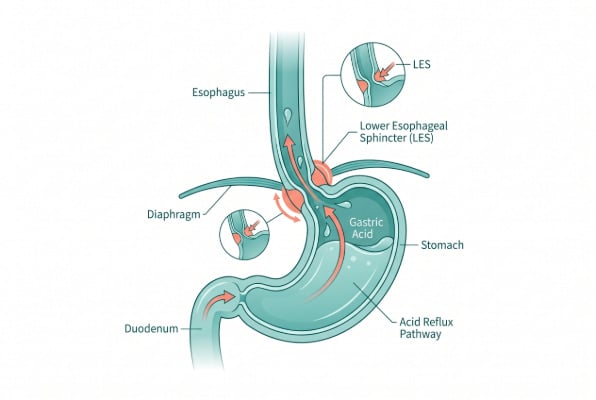
When Vitamin C Isn’t the Real Problem
Here’s where I have to push back on a lot of online advice. If you’re getting reflux every time you take vitamin C, the vitamin C isn’t the root cause. It’s the trigger. The root cause is a mechanical or functional issue in your stomach or esophagus.
A weak LES, a hiatal hernia, slow gastric emptying, or silent reflux (LPR) can all turn an innocent supplement into a problem. Same goes for foods, medications, and even drinking water too fast.
Cutting out vitamin C without addressing the underlying mechanism is treating a symptom. You’ll keep finding new triggers as you go, and the list will just get longer.
If you’re already on a daily PPI and still getting symptoms from supplements, that’s a sign your reflux isn’t being controlled by medication alone. Surgical options like LINX, TIF, or fundoplication restore the actual barrier between your stomach and esophagus. That’s a real fix, not a workaround.
Signs You Should See a Reflux Specialist
Some of these go beyond what supplement adjustments can solve:
- Heartburn more than twice a week
- Symptoms despite daily acid-blocking medication
- Trouble swallowing or food getting stuck
- Chronic cough, hoarseness, or throat clearing
- Waking up at night choking or coughing
- Dental erosion or chronic bad breath
- Unexplained chest pain (after cardiac causes are ruled out)
Dr. Gopal Grandhige has performed over 600 fundoplications, 600 LINX procedures, and 200 TIF procedures at Tampa Bay Reflux Institute. He’s a board-certified surgeon who only treats reflux. If your symptoms are slipping past lifestyle changes and medication, that’s the conversation to have.
The Bottom Line on Vitamin C and Acid Reflux
Vitamin C and acid reflux can coexist for almost everyone. Pick buffered or liposomal forms, take it with food, stay under 500 mg per dose, and prioritize reflux-safe whole foods like cantaloupe, papaya, and broccoli over megadose supplements. If reflux is hitting you no matter what you do, the supplement isn’t the issue. Your reflux is. Get that evaluated by someone who treats it for a living.
You can schedule an appointment with Tampa Bay Reflux Institute if your symptoms have outgrown lifestyle fixes.
FAQs
Can vitamin C cause acid reflux?
Vitamin C can trigger acid reflux symptoms, especially in unbuffered ascorbic acid form taken on an empty stomach or at doses above 1,000 mg. The acidity of vitamin C (pH around 2.4) sits close to stomach acid, so it doesn’t dramatically change gastric pH. The bigger issue is volume and concentration hitting an already-irritated lining.
Which form of vitamin C is best for acid reflux?
Buffered vitamin C, such as calcium ascorbate or sodium ascorbate, is the gentlest option for people with acid reflux. Liposomal vitamin C is another well-tolerated alternative because the lipid coating changes how the supplement interacts with the stomach lining. Avoid effervescent tablets and chewables if you’ve had reactions before.
How much vitamin C can I take if I have acid reflux?
Most reflux patients tolerate 200 to 500 mg of buffered vitamin C per day without symptoms, especially when taken with food. Above 500 mg per single dose, the risk of triggering heartburn climbs. The tolerable upper limit for all adults is 2,000 mg daily, and going near that ceiling almost always causes GI issues whether you have reflux or not.
What foods give me vitamin C without triggering reflux?
Cantaloupe, papaya, broccoli, and cauliflower are the safest vitamin C-rich foods for reflux patients. Cantaloupe and papaya are both alkaline or near-neutral and rarely trigger symptoms. Strawberries, kiwi, and bell peppers can work for some patients but trigger symptoms in others, so introduce them in small portions. Avoid citrus and tomatoes entirely.
Does vitamin C and acid reflux mean I should stop taking my supplements entirely?
No. Most people with acid reflux can take vitamin C safely by switching to a buffered form, taking it with food, and staying under 500 mg per dose. Stopping all vitamin C creates a deficiency risk without solving the underlying reflux issue. If supplements consistently trigger symptoms regardless of timing or form, the root cause is mechanical, not dietary.
Can vitamin C heal damage from acid reflux?
Vitamin C supports tissue repair and reduces oxidative stress, which may help the esophagus recover from chronic acid exposure. It’s not a treatment for GERD and won’t reverse Barrett’s esophagus or other structural damage. Pair adequate vitamin C intake with proper reflux management for the best outcome.
When should I see a doctor about acid reflux symptoms?
See a reflux specialist if you have heartburn more than twice weekly, symptoms despite daily acid-blocking medication, trouble swallowing, chronic cough, or wake up choking at night. These signs suggest a structural problem like a hiatal hernia or weak lower esophageal sphincter that no supplement adjustment will fix.


An endoscopy cannot tell you if you have reflux. It can only tell you if you have complications of GERD.
If you are unhappy with your reflux symptoms, come in and we can discuss testing and treatments that can accurately diagnose your problem.
#reflux #gerd #hiatalhernia #gastroparesis #linx

CALL US AT 813-922-2920
www.tampareflux.com
If you have a hiatal hernia and fit one of these categories, you should know your options.
Dr. Grandhige is an expert in his field and performs 200 of these surgeries a year. He is the only surgeon in the Tampa Bay Area who offers all surgical options - LINX, Fundoplications, TIF and will be one of 20 surgeons in America introducing the latest procedure RefluxStop in 2026.
We accept most insurances but will verify yours before you come in. These procedures are considered medically necessary and covered by your insurance. You can expect to pay your in-network deductibles and nothing else.
#hiatalhernia #reflux #GERD #LINX #refluxstop
What causes reflux ?
1. Weak lower esophageal sphincter
2. Hiatal hernia
3. Flattening of the Angle of His
4. Poor esophageal motility
5. Gastroparesis (slow stomach)
NOT increased acid production
Don’t let GERD get in the way of living your life. Request your appointment with us today on the link below.
.
.
.
.
https://tampareflux.com/contact-us/
Anyone can be victim to GERD and though weight loss can help reduce GERD symptoms. Many athletes with high impact workouts may continue to have these symptoms. This may be a symptom of a hiatal hernia or other issue. We are more then happy to assist you in finding your solution, just click the link below.
.
.
.
https://tampareflux.com/contact-us/
##healthylifestyle #workout #athletereflux #PPIs #heartburn #LINX #fundoplication #TIF #GERD#tampaheartburn #linx #TIF #fundoplication #tampabayreflux #GERD #acidreflux #acidrefluxsurgery #stopreflux
#nonsurgicalweightloss #ESG #gastricballoon #weightlossjourney #vsg #vsgjourney #spatz3 #orbera #orberaballoon #grandhige #DrG
#tampabayrefluxinstitute #guthealth #roboticsurgery
Heartburn may seem like an annoyance. But if you find yourself having symptoms on a daily basis, it may be time to to talk to Dr. Grandhige as it could be a symptom of something worse.
.
.
.
#chronicheartburn #gerdsymptoms #heartburnrelief #reflux #PPIs #heartburn #LINX #fundoplication #TIF #GERD#tampaheartburn #linx #TIF #fundoplication #tampabayreflux #GERD #acidreflux #acidrefluxsurgery #stopreflux
#nonsurgicalweightloss #ESG #gastricballoon #weightlossjourney #vsg #vsgjourney #spatz3 #orbera #orberaballoon #grandhige #DrG
#tampabayrefluxinstitute #guthealth #roboticsurgery
If you are tired of avoiding your favorite foods or taking daily medications, we can help.
We are the Tampa experts in reflux ! With years of experience and thousands of patients treated successfully, we offer all FDA approved anti-reflux procedures.
Call 813-922-2920 to schedule your appointment
All major insurances accepted.
Not all patients need surgical intervention. Many patients are living a heartburn free life with their PPIs. However 40% of patients taking PPIs are not getting the relief they need. If you are one of those, you have options! Come in and find out more.
.
.
.
.
#letushelpyou #medsnotworking #reflux #PPIs #heartburn #LINX #fundoplication #TIF #GERD#tampaheartburn #linx #TIF #fundoplication #tampabayreflux #GERD #acidreflux #acidrefluxsurgery #stopreflux
#nonsurgicalweightloss #ESG #gastricballoon #weightlossjourney #vsg #vsgjourney #spatz3 #orbera #orberaballoon #grandhige #DrG
#tampabayrefluxinstitute #guthealth #roboticsurgery
#heartburn #stopreflux #hiatalherniarepair #severeheartburn #reflux #tampabayreflux #acidrefluxsurgery #tampaheartburn #GERD #PPIs #achalasia #LINX #TIF #tampareflux #fundoplication #stomach #digestivehealth #ESG #obesity #overweight #weightlossjourney #gastricballoon


