
Written By: Dr. Ahmad Saad, Health Content Writer
Medically Reviewed By: Dr. Gopal Grandhige, MD, FACS, Board-Certified Surgeon
Last Reviewed: January 4, 2026
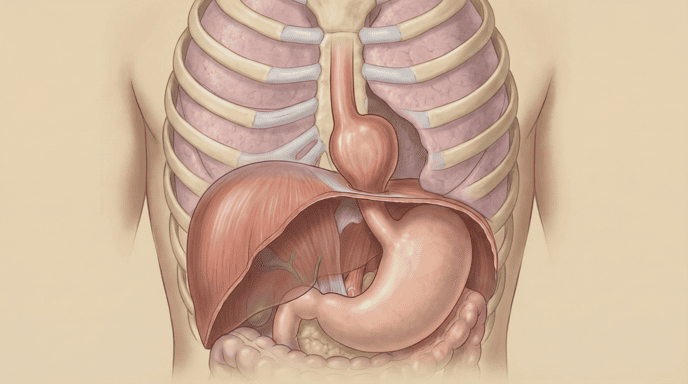
A hiatal hernia occurs when part of the stomach pushes upward through the hiatus, the natural opening in the diaphragm where the esophagus passes through to connect to the stomach. This condition develops when the hiatus enlarges, allowing stomach tissue to slide into the chest cavity. While many small hiatal hernias cause no symptoms, larger ones can lead to gastroesophageal reflux disease (GERD), causing heartburn, regurgitation, chest discomfort, and difficulty swallowing. Unlike other diaphragmatic hernias that result from trauma or congenital defects elsewhere in the diaphragm, hiatal hernias specifically involve the esophageal opening. At Tampa Bay Reflux Institute, our surgical specialists provide advanced diagnostic tools and minimally invasive treatment options for both diaphragmatic and hiatal hernias, ensuring personalized care and optimal outcomes for every patient.
Distinguishing Hiatal Hernias from Other Diaphragmatic Hernias
These hernia types both affect the diaphragm muscle. Located at the diaphragm’s center sits a naturally occurring passage through which the esophagus connects the mouth to the stomach. A hernia of the hiatus develops when this passage enlarges sufficiently for part of the stomach to move upward past the diaphragm. In certain cases, this opening permits just a small stomach section to slide through intermittently (referred to as a sliding hernia), whereas in other instances, the gap becomes substantial enough for the complete stomach (and occasionally additional organs) to migrate into the thoracic cavity.
Diaphragmatic hernias represent weak spots or gaps elsewhere along the diaphragm. These typically result from trauma, congenital abnormalities, or prior surgical procedures. Which organs protrude through these vulnerable areas depends upon where the hernia is located.
Risk factors for developing a hiatal hernia include age (most common in people over 50), obesity, pregnancy, smoking, and chronic coughing or straining during bowel movements. These factors increase pressure on the diaphragm or weaken its muscular tissue over time, making the hiatus more likely to enlarge. While you cannot always prevent a hiatal hernia, maintaining a healthy weight, avoiding heavy lifting with proper form, treating chronic cough, and managing conditions that cause frequent vomiting can help reduce your risk.

Recognizing Hiatal Hernia Symptoms
Numerous individuals experience zero symptoms from minor hiatal hernias. The primary symptoms connect to gastroesophageal reflux disease, which manifests as:
- Heartburn – a fiery feeling within the chest or throat area
- Regurgitation – stomach contents or fluids that unexpectedly rise back into the esophagus
- Chest discomfort – this sensation may frequently be mistaken for cardiac-related pain (angina)
- Swallowing difficulties – the sensation that food or beverages become lodged during the swallowing process
It’s crucial to understand that GERD doesn’t always indicate a hiatal hernia’s presence, and conversely, having this condition doesn’t guarantee GERD symptoms will occur.
While surgery offers definitive treatment for problematic hiatal hernias, many patients can manage mild to moderate symptoms through strategic lifestyle adjustments. Eating smaller, more frequent meals reduces stomach pressure and minimizes the likelihood of stomach contents pushing through the hiatus. Avoiding trigger foods such as caffeine, chocolate, spicy dishes, and acidic beverages can significantly decrease reflux episodes. Additionally, remaining upright for at least three hours after eating, elevating the head of your bed by 6-8 inches, and wearing loose-fitting clothing around the abdomen all help prevent stomach acid from moving upward through the enlarged hiatal opening. These conservative measures, combined with appropriate medications when necessary, can provide substantial relief while you and your physician determine whether surgical intervention is needed.
Potential Hiatal Hernia Complications
- Esophagitis – stomach acid backing up can irritate the esophageal tissue lining
- Esophageal stricture – persistent inflammation and scar tissue from acid exposure can create esophageal narrowing
- Barrett’s esophagus – ongoing esophageal inflammation may trigger cellular changes in the esophageal lining, a pre-malignant state
- Gastritis – acidic contents can inflame the stomach lining tissue within the herniated area
Gastric volvulus – an uncommon occurrence where the herniated stomach rotates or twists, creating stomach obstruction and potentially compromising stomach blood flow
Diagnosing a Hiatal Hernia
Multiple diagnostic procedures can detect a hiatal hernia, such as:
- Esophagram – A radiographic examination requiring you to consume contrast material while positioned before x-ray equipment to visualize the esophagus and stomach
- Upper endoscopy – While sedated, a bendable camera (endoscope) advances through the esophagus, stomach, and upper small intestine
- CT scan – An advanced radiographic technique capturing numerous images from various angles to generate highly detailed anatomical views
Advanced Imaging and Pre-Operative Assessment for Hiatal Hernia Patients
Before proceeding with surgical intervention, our team conducts a thorough pre-operative evaluation to map the precise anatomy of your hernia and assess your overall health status. This comprehensive assessment may include esophageal manometry to measure the strength and coordination of esophageal muscles, pH monitoring to document acid reflux patterns over a 24-hour period, and detailed imaging studies to determine hernia size and organ involvement. These diagnostic insights enable our surgeons to develop a personalized surgical strategy tailored to your unique anatomical characteristics and symptoms. Additionally, we evaluate any concurrent conditions such as obesity or chronic respiratory issues that may impact surgical planning or recovery. This meticulous preparation ensures optimal surgical outcomes and helps us anticipate potential challenges, allowing for the safest and most effective repair possible.

Determining When Surgery Becomes Necessary
Certain hiatal hernia patients remain symptom-free. Nevertheless, for those experiencing hernia-related symptoms, consulting an experienced surgeon makes sense in these situations:
- Your symptoms persist despite medication management
- The medications prescribed for symptom relief produce unwanted side effects
- Your BMI exceeds 35 and you wish to explore surgical options addressing both reflux and weight reduction
- You desire additional information about available repair procedures
The Hiatal Hernia Repair Procedure
Our specialized surgeons correct hiatal hernias through minimally invasive approaches utilizing laparoscopic or robotic surgical systems. Typically, the corrective surgery encompasses two components:
Repairing the hernia – This includes repositioning the stomach downward into the abdominal cavity and adjusting the diaphragmatic opening to the appropriate size for esophageal passage only.
Implementing an anti-reflux procedure – This surgical component is individualized based on multiple considerations, including esophageal muscle strength. It establishes a barrier or unidirectional valve mechanism between stomach and esophagus to facilitate normal swallowing while blocking acid movement from stomach to esophagus. Common approaches include fundoplication procedures, the LINX reflux management system, and transoral incisionless fundoplication.

Post-Surgical Recovery Expectations
The majority of patients remain hospitalized for one evening following surgery and receive discharge the subsequent day upon achieving discharge criteria. These benchmarks include satisfactory pain management and adequate fluid intake for hydration and nutritional needs.
Two primary post-operative limitations exist: avoiding strenuous lifting or intense physical activity and following dietary modifications. Following the procedure, anticipated swelling of the esophagus and stomach may temporarily impair swallowing ability. To minimize swallowing complications, patients begin with a liquid-only diet at home, progressing slowly toward normal food intake. This dietary transition typically requires 6-8 weeks post-surgery. Learn more about the TIF procedure and what to expect during your healing journey.
Should you or someone close to you be struggling with a problematic hiatal hernia, our hernia specialists stand ready to assist. Contact us at (813) 922-2920.
Conclusion
Living with a hiatal hernia doesn’t mean you have to endure constant discomfort or rely on medications indefinitely. At Tampa Bay Reflux Institute, our expert surgical team combines advanced treatment techniques with personalized care to provide lasting relief from hiatal hernia symptoms. From accurate diagnosis through comprehensive pre-operative assessment to successful repair and recovery, we guide you through every step of your treatment journey. Our commitment to excellence ensures that each patient receives individualized attention and the most appropriate surgical approach for their specific condition. If you’re experiencing persistent reflux symptoms, difficulty swallowing, or other hernia-related complications, don’t wait for your condition to worsen. Take the first step toward improved quality of life by scheduling a consultation with our specialists. Contact Tampa Bay Reflux Institute today at (813) 922-2920 to discuss your symptoms and explore your treatment options with a team dedicated to delivering exceptional outcomes and restoring your digestive health. For more information about digestive conditions we treat, visit our blog or learn about related conditions like silent reflux (LPR), achalasia, and gastroparesis. You can also listen to this comprehensive podcast on hiatal hernia for additional insights.
FAQs
Can a hiatal hernia heal on its own without surgery?
No, hiatal hernias do not heal naturally as they involve a structural defect in the diaphragm. However, small hernias with minimal symptoms can often be managed with lifestyle modifications and medications without requiring surgical intervention.
How long does hiatal hernia surgery take?
Most hiatal hernia repair procedures take approximately 2 to 3 hours to complete using minimally invasive techniques. The exact duration depends on the hernia’s size, complexity, and whether additional procedures like fundoplication are performed.
Will I be able to eat normally after hiatal hernia surgery?
Yes, most patients return to a normal diet within 6 to 8 weeks after surgery. You’ll progress gradually from liquids to soft foods and eventually to regular meals as swelling decreases and healing progresses.
What is the success rate of hiatal hernia repair?
Hiatal hernia repair has a high success rate, with 85-90% of patients experiencing significant symptom relief. Minimally invasive techniques have improved outcomes while reducing recovery time and surgical complications.
Can a hiatal hernia come back after surgery?
Hernia recurrence is possible but uncommon, occurring in approximately 5-10% of cases. Following post-operative guidelines, maintaining a healthy weight, and avoiding heavy lifting significantly reduce recurrence risk.


An endoscopy cannot tell you if you have reflux. It can only tell you if you have complications of GERD.
If you are unhappy with your reflux symptoms, come in and we can discuss testing and treatments that can accurately diagnose your problem.
#reflux #gerd #hiatalhernia #gastroparesis #linx

CALL US AT 813-922-2920
www.tampareflux.com
If you have a hiatal hernia and fit one of these categories, you should know your options.
Dr. Grandhige is an expert in his field and performs 200 of these surgeries a year. He is the only surgeon in the Tampa Bay Area who offers all surgical options - LINX, Fundoplications, TIF and will be one of 20 surgeons in America introducing the latest procedure RefluxStop in 2026.
We accept most insurances but will verify yours before you come in. These procedures are considered medically necessary and covered by your insurance. You can expect to pay your in-network deductibles and nothing else.
#hiatalhernia #reflux #GERD #LINX #refluxstop
What causes reflux ?
1. Weak lower esophageal sphincter
2. Hiatal hernia
3. Flattening of the Angle of His
4. Poor esophageal motility
5. Gastroparesis (slow stomach)
NOT increased acid production
Don’t let GERD get in the way of living your life. Request your appointment with us today on the link below.
.
.
.
.
https://tampareflux.com/contact-us/
Anyone can be victim to GERD and though weight loss can help reduce GERD symptoms. Many athletes with high impact workouts may continue to have these symptoms. This may be a symptom of a hiatal hernia or other issue. We are more then happy to assist you in finding your solution, just click the link below.
.
.
.
https://tampareflux.com/contact-us/
##healthylifestyle #workout #athletereflux #PPIs #heartburn #LINX #fundoplication #TIF #GERD#tampaheartburn #linx #TIF #fundoplication #tampabayreflux #GERD #acidreflux #acidrefluxsurgery #stopreflux
#nonsurgicalweightloss #ESG #gastricballoon #weightlossjourney #vsg #vsgjourney #spatz3 #orbera #orberaballoon #grandhige #DrG
#tampabayrefluxinstitute #guthealth #roboticsurgery
Heartburn may seem like an annoyance. But if you find yourself having symptoms on a daily basis, it may be time to to talk to Dr. Grandhige as it could be a symptom of something worse.
.
.
.
#chronicheartburn #gerdsymptoms #heartburnrelief #reflux #PPIs #heartburn #LINX #fundoplication #TIF #GERD#tampaheartburn #linx #TIF #fundoplication #tampabayreflux #GERD #acidreflux #acidrefluxsurgery #stopreflux
#nonsurgicalweightloss #ESG #gastricballoon #weightlossjourney #vsg #vsgjourney #spatz3 #orbera #orberaballoon #grandhige #DrG
#tampabayrefluxinstitute #guthealth #roboticsurgery
If you are tired of avoiding your favorite foods or taking daily medications, we can help.
We are the Tampa experts in reflux ! With years of experience and thousands of patients treated successfully, we offer all FDA approved anti-reflux procedures.
Call 813-922-2920 to schedule your appointment
All major insurances accepted.
Not all patients need surgical intervention. Many patients are living a heartburn free life with their PPIs. However 40% of patients taking PPIs are not getting the relief they need. If you are one of those, you have options! Come in and find out more.
.
.
.
.
#letushelpyou #medsnotworking #reflux #PPIs #heartburn #LINX #fundoplication #TIF #GERD#tampaheartburn #linx #TIF #fundoplication #tampabayreflux #GERD #acidreflux #acidrefluxsurgery #stopreflux
#nonsurgicalweightloss #ESG #gastricballoon #weightlossjourney #vsg #vsgjourney #spatz3 #orbera #orberaballoon #grandhige #DrG
#tampabayrefluxinstitute #guthealth #roboticsurgery
#heartburn #stopreflux #hiatalherniarepair #severeheartburn #reflux #tampabayreflux #acidrefluxsurgery #tampaheartburn #GERD #PPIs #achalasia #LINX #TIF #tampareflux #fundoplication #stomach #digestivehealth #ESG #obesity #overweight #weightlossjourney #gastricballoon


