

Written By: Dr. Ahmad Saad, Health Content Writer
Medically Reviewed By: Dr. Gopal Grandhige, MD, FACS, Board-Certified Surgeon
Last Reviewed: January 3, 2026
Gastroparesis is a digestive disorder that affects how quickly the stomach empties food into the small intestine. In this condition, the stomach muscles don’t contract properly, causing delayed gastric emptying and making food move through the digestive system much slower than normal. Approximately 4% of people experience gastroparesis, with diabetes being the most common cause, though nerve damage from surgery, certain medications, and unknown factors can also trigger this condition.
Common symptoms include persistent nausea, vomiting, feeling full after eating only small amounts of food, abdominal bloating, and stomach pain. Many people with gastroparesis also experience unintentional weight loss and difficulty maintaining proper nutrition due to these digestive challenges.
While gastroparesis is typically a chronic condition, it can be effectively managed through a combination of dietary modifications, medications, and medical procedures. Early diagnosis is crucial for preventing complications and improving quality of life. This comprehensive guide explores how gastroparesis is detected through various diagnostic methods and examines the full range of treatment options available to help patients manage their symptoms and maintain better digestive health.
Defining Gastroparesis
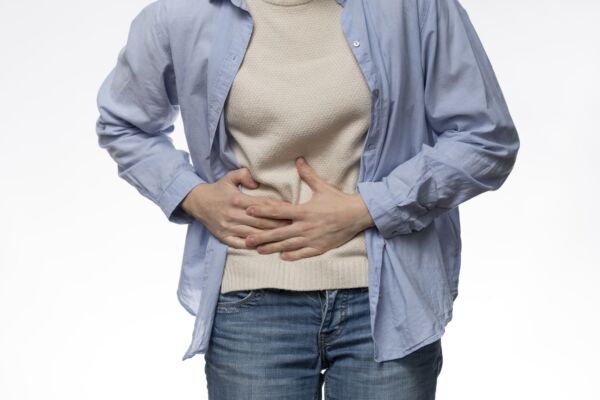
Gastroparesis, alternatively termed gastric stasis, is a digestive disorder characterized by prolonged food retention in the stomach beyond normal timeframes. Simply put, the stomach fails to discharge its contents at the expected rate. Medical professionals sometimes describe this as delayed gastric emptying.
Under normal circumstances, stomach muscles perform contractions that break down food into smaller particles, which then combine with digestive enzymes and acids to initiate the digestive process. Following this initial digestion, muscular contractions propel the processed food from the stomach into the small intestine. With gastroparesis, these stomach muscles malfunction, leading to inadequate food breakdown and sluggish emptying.
Diabetes mellitus stands as the leading cause of gastroparesis, as this disease compromises the nerves governing stomach muscle function. The condition may also develop from vagus nerve injury sustained during abdominal surgical procedures. Sometimes, gastroparesis emerges from nervous system responses triggered by conditions such as pancreatic inflammation or pancreatitis. Diseases like scleroderma are recognized for their capacity to impair stomach muscles and trigger gastroparesis.
Additional potential triggers include blood mineral disturbances involving calcium, magnesium, and potassium, thyroid disorders, and certain medications including opioids and specific antidepressant drugs. For some individuals, gastroparesis develops without an identifiable cause, a situation classified as idiopathic gastroparesis.
Diagnostic Approaches for Gastroparesis
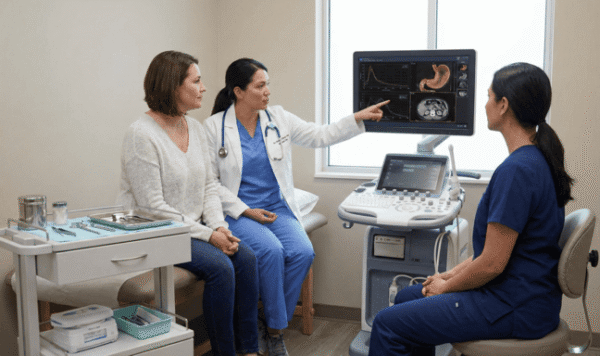
Healthcare providers initiate diagnosis by gathering information about your symptoms and past medical conditions. Physical assessments follow, including measurements of temperature, blood pressure, pulse, and evaluation for dehydration and nutritional deficiencies. Additionally, abdominal examination checks for sensitivity, abnormal sounds, and discomfort.
To assess the rate at which your stomach processes and empties food, physicians employ upper gastrointestinal (GI) endoscopy, laboratory testing, and diagnostic imaging. Our experienced team specializes in comprehensive diagnostic evaluations for gastroparesis and related digestive conditions.
Laboratory Testing
Medical professionals utilize blood and urine analysis to identify gastroparesis. Urine analysis reveals indicators of infection, fluid depletion, diabetes, or renal dysfunction. Blood analysis detects markers of inflammation, dehydration, poor nutrition, and infection. These tests also determine whether glucose levels fall within acceptable parameters.
Upper GI Endoscopy
This diagnostic technique enables visual inspection of the upper digestive pathway, including the stomach and duodenum, the initial section of the small intestine. The procedure employs an extended, flexible instrument equipped with a miniature camera. Upper GI endoscopy can additionally identify other disorders such as pyloric stenosis or peptic ulcer disease that present with symptoms resembling gastroparesis. Specialists in digestive disorders often use this procedure to differentiate between various gastrointestinal conditions.
Diagnostic Imaging
Imaging procedures reveal complications like intestinal blockage or stomach obstruction potentially responsible for your symptoms. Physicians typically conduct two imaging procedures: abdominal ultrasound and upper GI series.
Ultrasound Examination
Ultrasound technology uses high-frequency sound waves to generate images of internal organs. This method helps identify kidney or gallbladder issues that might explain your symptoms.
Upper GI Series
This diagnostic approach combines fluoroscopy, radiography, and a contrast medium called barium to visualize the upper digestive tract clearly. Barium enhances the gastrointestinal tract’s visibility on radiographic images. The procedure assists physicians in identifying the source of abdominal discomfort, nausea, and vomiting episodes. It also reveals esophageal varices, abnormal tissue growth including cancer, and additional stomach abnormalities. For patients experiencing upper digestive symptoms, understanding related conditions like GERD can provide valuable context.

Managing Gastroparesis
Gastroparesis often becomes a chronic condition with variable duration depending on its underlying cause. Management and control strategies include the following approaches. For comprehensive information about gastroparesis treatment options, patients can explore various evidence-based interventions.
Dietary Adjustments
Modifying eating patterns represents one of the most effective strategies for managing gastroparesis. Consider consuming smaller portions distributed across at least six daily meals rather than three larger ones. This approach prevents excessive stomach fullness by reducing the volume of food present at any given time.
Choose low-residue options like applesauce rather than consuming whole apples. Eliminate high-fiber items that resist digestion and high-fat selections that decelerate the digestive process. Fibrous produce such as broccoli and oranges may lead to bezoar formation.
Maintain adequate hydration by consuming approximately 34 to 51 ounces of water daily, along with additional liquids including soups, low-fat broths, fruit juices, and electrolyte beverages. Ensure proper intake of essential nutrients. A registered dietitian can identify nutritious options that digest easily.
Experts also advise remaining upright for two hours following meals. Gravitational force aids digestion while preventing food and stomach acid from moving back toward the throat. Light physical activity such as walking can be beneficial. Patients with related conditions like hiatal hernias may find similar dietary recommendations helpful.
Medications for Gastroparesis Management
While dietary modifications and medical procedures form the cornerstone of gastroparesis treatment, medications also play a crucial role in symptom control. Prokinetic agents help stimulate stomach muscle contractions to improve gastric emptying, though their use requires careful monitoring due to potential side effects. Antiemetic medications effectively reduce nausea and vomiting episodes, providing significant relief for many patients. Additionally, pain management medications may be prescribed to address abdominal discomfort, though healthcare providers typically avoid opioids since they can worsen gastric motility. Your physician will determine the most appropriate medication regimen based on your specific symptoms, underlying causes, and overall health status. It’s essential to maintain open communication with your healthcare team about medication effectiveness and any adverse reactions you experience.
Medical Procedures for Gastroparesis
Beyond dietary changes, physicians may suggest additional interventions such as gastric electrical stimulation. This treatment involves attaching electrodes to the stomach wall to trigger contractions. Another successful intervention is per-oral pyloromyotomy (POP), during which the physician incises the pylorus valve using an endoscopic instrument, facilitating stomach emptying. Botulinum toxin injections like Botox administered into the pylorus valve can relax the muscle tissue and maintain an open passage for improved stomach drainage.
Individuals managing diabetes must maintain stable blood sugar levels to prevent symptom escalation. Physicians may insert a jejunostomy tube or feeding tube through the abdominal wall into the small intestine. This tube delivers nutrients directly to the small intestine, bypassing the stomach and enabling faster nutrient absorption into the bloodstream. Research shows that nutritional support plays a critical role in managing severe gastroparesis cases.
Although surgery can contribute to gastroparesis development, medical professionals may recommend gastric bypass surgery for patients dealing with both diabetes and obesity. The procedure creates a small gastric pouch and connects it to the lower portion of the small intestine. This surgical intervention aims to restrict food intake capacity. For patients interested in incisionless weight loss procedures, various options are available that may help manage related conditions.
Severe gastroparesis cases may necessitate parenteral nutrition or intravenous feeding. This approach delivers nutrients directly into the bloodstream via a catheter inserted into a chest vein. Parenteral nutrition typically serves as a temporary gastroparesis treatment solution.
Patients who undergo surgical interventions for related digestive conditions should be aware that procedures like fundoplications and other reflux management options require careful consideration, as they can sometimes affect gastric emptying. Similarly, those considering the TIF procedure should discuss potential impacts on stomach function with their healthcare provider.
Conclusion
Gastroparesis is a manageable condition despite its chronic nature and the significant impact it can have on daily life. Through a combination of dietary modifications, medications, and medical procedures, most patients can achieve substantial symptom relief and improved quality of life. Early diagnosis plays a vital role in preventing complications and ensuring timely intervention, making it essential to consult healthcare providers when experiencing persistent digestive symptoms. While the condition may require ongoing management and lifestyle adjustments, advances in treatment options continue to offer hope for better outcomes. Working closely with your medical team, including gastroenterologists and registered dietitians, will help you develop a personalized treatment plan that addresses your specific needs and circumstances.
For additional support and resources, organizations like G-PACT and About Gastroparesis provide valuable information for patients living with gastroparesis. Understanding related conditions such as achalasia and silent reflux can also help you recognize interconnected digestive issues. For more information about gastroparesis and other digestive conditions, visit our blog or contact us to schedule a consultation.
FAQs
What are the most common symptoms of gastroparesis?
The primary symptoms include nausea, vomiting, feeling full quickly after eating, abdominal bloating, and upper abdominal pain. Many patients also experience heartburn, loss of appetite, and unintentional weight loss due to reduced food intake.
Can gastroparesis be cured completely?
Gastroparesis is typically a chronic condition that requires ongoing management rather than a complete cure. However, symptoms can be effectively controlled through proper treatment, and some cases may improve over time depending on the underlying cause.
How is gastroparesis different from acid reflux?
While both conditions can cause similar symptoms like nausea and discomfort, gastroparesis involves delayed stomach emptying due to muscle dysfunction. Acid reflux occurs when stomach acid flows back into the esophagus, which can happen independently of stomach emptying issues.
What foods should I avoid if I have gastroparesis?
Avoid high-fiber foods like raw vegetables and whole grains, fatty or fried foods, carbonated beverages, and alcohol. These items slow digestion and can worsen symptoms by remaining in the stomach longer than easily digestible options.
How long does it take for gastroparesis treatment to show results?
Treatment response varies by individual, but dietary changes may show improvement within a few weeks. Medications and medical procedures may take several weeks to months to demonstrate their full effectiveness, requiring patience and consistent follow-up care.


An endoscopy cannot tell you if you have reflux. It can only tell you if you have complications of GERD.
If you are unhappy with your reflux symptoms, come in and we can discuss testing and treatments that can accurately diagnose your problem.
#reflux #gerd #hiatalhernia #gastroparesis #linx

CALL US AT 813-922-2920
www.tampareflux.com
If you have a hiatal hernia and fit one of these categories, you should know your options.
Dr. Grandhige is an expert in his field and performs 200 of these surgeries a year. He is the only surgeon in the Tampa Bay Area who offers all surgical options - LINX, Fundoplications, TIF and will be one of 20 surgeons in America introducing the latest procedure RefluxStop in 2026.
We accept most insurances but will verify yours before you come in. These procedures are considered medically necessary and covered by your insurance. You can expect to pay your in-network deductibles and nothing else.
#hiatalhernia #reflux #GERD #LINX #refluxstop
What causes reflux ?
1. Weak lower esophageal sphincter
2. Hiatal hernia
3. Flattening of the Angle of His
4. Poor esophageal motility
5. Gastroparesis (slow stomach)
NOT increased acid production
Don’t let GERD get in the way of living your life. Request your appointment with us today on the link below.
.
.
.
.
https://tampareflux.com/contact-us/
Anyone can be victim to GERD and though weight loss can help reduce GERD symptoms. Many athletes with high impact workouts may continue to have these symptoms. This may be a symptom of a hiatal hernia or other issue. We are more then happy to assist you in finding your solution, just click the link below.
.
.
.
https://tampareflux.com/contact-us/
##healthylifestyle #workout #athletereflux #PPIs #heartburn #LINX #fundoplication #TIF #GERD#tampaheartburn #linx #TIF #fundoplication #tampabayreflux #GERD #acidreflux #acidrefluxsurgery #stopreflux
#nonsurgicalweightloss #ESG #gastricballoon #weightlossjourney #vsg #vsgjourney #spatz3 #orbera #orberaballoon #grandhige #DrG
#tampabayrefluxinstitute #guthealth #roboticsurgery
Heartburn may seem like an annoyance. But if you find yourself having symptoms on a daily basis, it may be time to to talk to Dr. Grandhige as it could be a symptom of something worse.
.
.
.
#chronicheartburn #gerdsymptoms #heartburnrelief #reflux #PPIs #heartburn #LINX #fundoplication #TIF #GERD#tampaheartburn #linx #TIF #fundoplication #tampabayreflux #GERD #acidreflux #acidrefluxsurgery #stopreflux
#nonsurgicalweightloss #ESG #gastricballoon #weightlossjourney #vsg #vsgjourney #spatz3 #orbera #orberaballoon #grandhige #DrG
#tampabayrefluxinstitute #guthealth #roboticsurgery
If you are tired of avoiding your favorite foods or taking daily medications, we can help.
We are the Tampa experts in reflux ! With years of experience and thousands of patients treated successfully, we offer all FDA approved anti-reflux procedures.
Call 813-922-2920 to schedule your appointment
All major insurances accepted.
Not all patients need surgical intervention. Many patients are living a heartburn free life with their PPIs. However 40% of patients taking PPIs are not getting the relief they need. If you are one of those, you have options! Come in and find out more.
.
.
.
.
#letushelpyou #medsnotworking #reflux #PPIs #heartburn #LINX #fundoplication #TIF #GERD#tampaheartburn #linx #TIF #fundoplication #tampabayreflux #GERD #acidreflux #acidrefluxsurgery #stopreflux
#nonsurgicalweightloss #ESG #gastricballoon #weightlossjourney #vsg #vsgjourney #spatz3 #orbera #orberaballoon #grandhige #DrG
#tampabayrefluxinstitute #guthealth #roboticsurgery
#heartburn #stopreflux #hiatalherniarepair #severeheartburn #reflux #tampabayreflux #acidrefluxsurgery #tampaheartburn #GERD #PPIs #achalasia #LINX #TIF #tampareflux #fundoplication #stomach #digestivehealth #ESG #obesity #overweight #weightlossjourney #gastricballoon


