
Written By: Dr. Ahmad Saad, Health Content Writer
Medically Reviewed By: Dr. Gopal Grandhige, MD, FACS, Board-Certified Surgeon
Last Reviewed: January 1, 2026
Coffee and tea are among the most commonly consumed beverages worldwide, but for individuals diagnosed with gastroesophageal reflux disease, these drinks may trigger or worsen acid reflux symptoms. GERD affects approximately 20% of American adults and occurs when stomach acid flows backward into the esophagus, causing heartburn and discomfort. Caffeine, a primary component in coffee and tea, has been identified as a potential trigger because it relaxes the lower esophageal sphincter (LES), the muscle that prevents stomach contents from moving upward. Research shows mixed results: a 2019 study found that women who consumed coffee, tea, and soda had increased GERD risk, while another 2019 study of male participants showed no correlation between these beverages and reflux symptoms. The American College of Gastroenterology lists caffeine among potential GERD triggers, though individual tolerance varies significantly. This article examines how coffee and tea affect GERD symptoms, compares caffeine content across different beverages, identifies common acid reflux triggers, and provides evidence-based lifestyle modifications to help manage heartburn effectively.

What is caffeine’s impact on GERD?
Caffeine, a primary ingredient in numerous coffee and tea varieties, has been recognized as a potential heartburn trigger for certain individuals. This compound may provoke GERD symptoms by relaxing the lower esophageal sphincter (LES).
Research from 2019 involving female participants revealed that consuming coffee, tea, and soda correlated with heightened GERD risk. Substituting these beverages with water demonstrated risk reduction.
Conversely, separate 2019 research focusing on male subjects showed no connection between coffee or tea consumption and reflux symptoms or erosive esophagitis (EE).
While research findings remain inconsistent, reducing your intake of caffeinated coffee and tea (along with soda) could help minimize typical symptoms if you experience acid reflux.
The American College of Gastroenterology advises steering clear of foods and medications that might activate GERD, listing caffeine among these triggers.
What role does coffee play in GERD?
Traditional coffee receives significant focus regarding caffeine restriction, which could offer additional health advantages. Standard caffeinated coffee has substantially higher caffeine levels compared to tea and soda.
Below, you’ll find caffeine measurements for common coffee varieties:
| Type of Coffee | Caffeine Amount |
| Regular black coffee, 8-ounce | 96mg |
| Instant black coffee, 8-ounce | 62mg |
| Espresso, 1-oz shot | 63mg |
| Cappuccino, 12-ounce | 130mg |
| Latte, 16-ounce | 173mg |
| Decaffeinated coffee | 2.4mg |
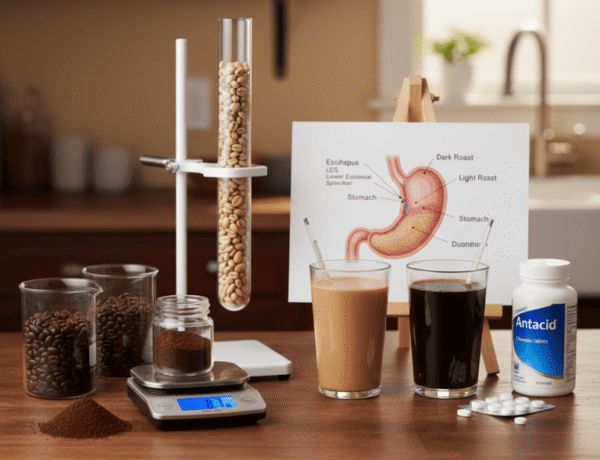
Roast levels also influence caffeine concentration. Darker roasts contain less caffeine per individual bean, while lighter roasts, frequently marketed as “breakfast blends,” typically pack the highest caffeine levels.
Consider choosing darker roast varieties if caffeine tends to worsen your symptoms. Keep in mind, though, that GERD symptoms triggered by coffee might stem from compounds beyond just caffeine. For instance, certain individuals discover that darker roasts carry higher acidity, potentially intensifying their discomfort.
Cold brew offers reduced caffeine levels and lower acidity, making it a potentially better option for individuals managing GERD or heartburn symptoms.
The Science Behind Coffee Roasts and GERD: Making Smarter Choices
While many GERD sufferers assume all coffee is equally problematic, understanding the nuances between roast types can help you make more informed decisions about your morning brew. The relationship between roast level and both caffeine content and acidity creates a complex equation for acid reflux management. Darker roasts contain less caffeine per bean due to the extended roasting process, which breaks down caffeine molecules, making them potentially gentler on your lower esophageal sphincter. However, this benefit comes with a caveat: the same roasting process that reduces caffeine can increase certain acidic compounds, creating a trade-off that affects individuals differently. Light roasts, often labeled as breakfast blends, pack the highest caffeine punch but may have lower overall acidity. This paradox means that switching from light to dark roast might reduce caffeine-triggered LES relaxation while potentially increasing acid-related irritation. For those determined to maintain their coffee habit despite GERD, experimenting with medium roasts might offer the best compromise, providing moderate caffeine levels with balanced acidity. Additionally, combining roast selection with brewing method adjustments, such as opting for cold brew preparation can further minimize both caffeine content and acidity, giving you multiple variables to manipulate in your quest for a GERD-friendly cup.

Tea’s Impact on GERD: What You Need to Know
Tea’s connection to GERD remains a topic of ongoing discussion. Beyond caffeine, tea contains numerous compounds that may influence digestive health.
Certain herbal teas without caffeine, particularly those with spearmint and peppermint ingredients, have been shown to trigger heartburn or worsen GERD in certain individuals.
This complexity makes it challenging to pinpoint whether caffeine or other tea compounds cause your acid reflux issues. Carefully examine ingredient lists and steer clear of mint-based herbs if they typically intensify your discomfort.
When examining caffeine levels, research from 2014 revealed these concentrations in different teas:
- oolong tea: 156 mg
- black tea: 184 mg
- white tea: 198 mg
- green tea: 297 mg
Brewing methods significantly influence the final beverage. Extended steeping times result in higher caffeine levels in your cup.
Managing GERD Triggers: Practical Steps
Research from 2023 indicates that 20% of American adults deal with GERD symptoms. Additionally, some individuals have silent reflux, referred to as esophageal disease, without noticeable symptoms.
Regardless of symptom presence, healthcare providers often recommend lifestyle modifications alongside medication to support esophageal health. These modifications may involve eliminating specific foods known to intensify symptoms.
Heartburn can be activated by particular foods in many individuals. Various substances may irritate the esophagus or compromise the lower esophageal sphincter (LES). When the lower esophageal sphincter weakens, stomach contents can flow backward, resulting in acid reflux. Common triggers encompass:
- alcohol
- caffeinated items, including coffee, soda, and tea
- chocolate
- citrus fruits
- garlic
- fatty foods
- onions
- peppermint and spearmint
- spicy foods
Consider reducing both coffee and tea intake if you experience GERD to determine whether symptoms decrease. Both beverages can cause LES relaxation. However, individual responses to foods and drinks vary significantly.
Maintaining a food journal helps identify which foods worsen reflux symptoms and which ones are well-tolerated.

Why Individual Testing Matters for GERD Management
Since everyone’s digestive system responds differently to various foods and beverages, what triggers severe symptoms in one person may cause no issues for another. This variation explains why some GERD sufferers can enjoy their morning coffee without problems, while others experience immediate discomfort. The most effective approach involves systematically testing your tolerance levels through careful observation and documentation. By paying attention to your body’s signals and noting patterns in your food diary, you can develop a personalized understanding of which drinks and foods work for your unique situation. This self-awareness empowers you to make informed dietary choices rather than unnecessarily restricting all potentially problematic items based solely on general guidelines.
Conclusion
Given the ongoing debate about caffeine’s role in reflux symptoms, GERD sufferers face uncertainty about whether to eliminate coffee or tea from their daily routine. The absence of scientific and medical agreement regarding these beverages’ effects on heartburn and acid reflux indicates that understanding your individual tolerance is most beneficial. Most professionals concur that lifestyle adjustments, including weight reduction if needed, raising your bed’s head by six inches, and avoiding food consumption within three hours before bedtime, can help minimize acid reflux and GERD symptoms. Though lifestyle modifications prove helpful, they may not fully address all symptoms, and over-the-counter or prescription treatments might be necessary to manage your heartburn effectively. Combining lifestyle adjustments with appropriate medications can enhance quality of life while reducing esophageal damage. Contact our specialists to receive personalized medical guidance tailored to your individual health needs.
Learn More: Tampa Reflux Center offers comprehensive care for digestive disorders. Discover our approach to treating reflux, explore related conditions like hiatal hernias, achalasia, and gastroparesis, or learn about surgical solutions including fundoplication procedures, the LINX system, and TIF with EsophyX. Visit our blog for more digestive health insights.
FAQs
Does decaf coffee trigger GERD symptoms?
Decaf coffee contains minimal caffeine (2.4mg per 8-ounce cup) but may still trigger symptoms due to other compounds and acidity levels. Individual tolerance varies, so monitor your body’s response when consuming decaf.
Which tea is safest for people with GERD?
Non-caffeinated herbal teas without mint ingredients are generally safer options for GERD sufferers. Avoid peppermint and spearmint varieties as they can relax the LES and worsen symptoms.
Can cold brew coffee help reduce GERD symptoms?
Cold brew typically has lower acidity and reduced caffeine levels compared to regular coffee, making it a potentially better choice. However, individual reactions vary, so test your tolerance carefully.
How long should I avoid coffee and tea to see improvement?
Most experts recommend eliminating potential triggers for at least 2-3 weeks to notice meaningful changes in symptoms. Keep a food diary during this period to track improvements accurately.
Is green tea worse for GERD than black tea?
Green tea contains significantly more caffeine (297mg) compared to black tea (184mg), which may increase GERD risk. The higher caffeine content can relax the LES more effectively, potentially worsening symptoms.


An endoscopy cannot tell you if you have reflux. It can only tell you if you have complications of GERD.
If you are unhappy with your reflux symptoms, come in and we can discuss testing and treatments that can accurately diagnose your problem.
#reflux #gerd #hiatalhernia #gastroparesis #linx

CALL US AT 813-922-2920
www.tampareflux.com
If you have a hiatal hernia and fit one of these categories, you should know your options.
Dr. Grandhige is an expert in his field and performs 200 of these surgeries a year. He is the only surgeon in the Tampa Bay Area who offers all surgical options - LINX, Fundoplications, TIF and will be one of 20 surgeons in America introducing the latest procedure RefluxStop in 2026.
We accept most insurances but will verify yours before you come in. These procedures are considered medically necessary and covered by your insurance. You can expect to pay your in-network deductibles and nothing else.
#hiatalhernia #reflux #GERD #LINX #refluxstop
What causes reflux ?
1. Weak lower esophageal sphincter
2. Hiatal hernia
3. Flattening of the Angle of His
4. Poor esophageal motility
5. Gastroparesis (slow stomach)
NOT increased acid production
Don’t let GERD get in the way of living your life. Request your appointment with us today on the link below.
.
.
.
.
https://tampareflux.com/contact-us/
Anyone can be victim to GERD and though weight loss can help reduce GERD symptoms. Many athletes with high impact workouts may continue to have these symptoms. This may be a symptom of a hiatal hernia or other issue. We are more then happy to assist you in finding your solution, just click the link below.
.
.
.
https://tampareflux.com/contact-us/
##healthylifestyle #workout #athletereflux #PPIs #heartburn #LINX #fundoplication #TIF #GERD#tampaheartburn #linx #TIF #fundoplication #tampabayreflux #GERD #acidreflux #acidrefluxsurgery #stopreflux
#nonsurgicalweightloss #ESG #gastricballoon #weightlossjourney #vsg #vsgjourney #spatz3 #orbera #orberaballoon #grandhige #DrG
#tampabayrefluxinstitute #guthealth #roboticsurgery
Heartburn may seem like an annoyance. But if you find yourself having symptoms on a daily basis, it may be time to to talk to Dr. Grandhige as it could be a symptom of something worse.
.
.
.
#chronicheartburn #gerdsymptoms #heartburnrelief #reflux #PPIs #heartburn #LINX #fundoplication #TIF #GERD#tampaheartburn #linx #TIF #fundoplication #tampabayreflux #GERD #acidreflux #acidrefluxsurgery #stopreflux
#nonsurgicalweightloss #ESG #gastricballoon #weightlossjourney #vsg #vsgjourney #spatz3 #orbera #orberaballoon #grandhige #DrG
#tampabayrefluxinstitute #guthealth #roboticsurgery
If you are tired of avoiding your favorite foods or taking daily medications, we can help.
We are the Tampa experts in reflux ! With years of experience and thousands of patients treated successfully, we offer all FDA approved anti-reflux procedures.
Call 813-922-2920 to schedule your appointment
All major insurances accepted.
Not all patients need surgical intervention. Many patients are living a heartburn free life with their PPIs. However 40% of patients taking PPIs are not getting the relief they need. If you are one of those, you have options! Come in and find out more.
.
.
.
.
#letushelpyou #medsnotworking #reflux #PPIs #heartburn #LINX #fundoplication #TIF #GERD#tampaheartburn #linx #TIF #fundoplication #tampabayreflux #GERD #acidreflux #acidrefluxsurgery #stopreflux
#nonsurgicalweightloss #ESG #gastricballoon #weightlossjourney #vsg #vsgjourney #spatz3 #orbera #orberaballoon #grandhige #DrG
#tampabayrefluxinstitute #guthealth #roboticsurgery
#heartburn #stopreflux #hiatalherniarepair #severeheartburn #reflux #tampabayreflux #acidrefluxsurgery #tampaheartburn #GERD #PPIs #achalasia #LINX #TIF #tampareflux #fundoplication #stomach #digestivehealth #ESG #obesity #overweight #weightlossjourney #gastricballoon


