
Written By: Jeffrey Atlas, Health Content Writer
Medically Reviewed By: Dr. Gopal Grandhige, MD, FACS, Board-Certified Surgeon
Last Reviewed: April 22, 2026
Hiatal hernia surgery is a procedure that repairs a tear in the diaphragm and reinforces the valve between the stomach and esophagus to stop chronic acid reflux. It is typically recommended when medications like Pepcid or Protonix no longer control symptoms, when GERD becomes severe, or when complications such as esophagitis, ulcers, or Barrett’s esophagus develop.
A hiatal hernia occurs when part of the stomach pushes upward through a weakened section of the diaphragm, the muscle separating the chest from the abdomen. The condition is most common in adults over 50 and in people with obesity, and it often causes persistent heartburn, chest discomfort, and regurgitation. While small hernias may cause no symptoms, larger ones can trigger serious Gastroesophageal Reflux Disease (GERD) that doesn’t respond to long-term medication.
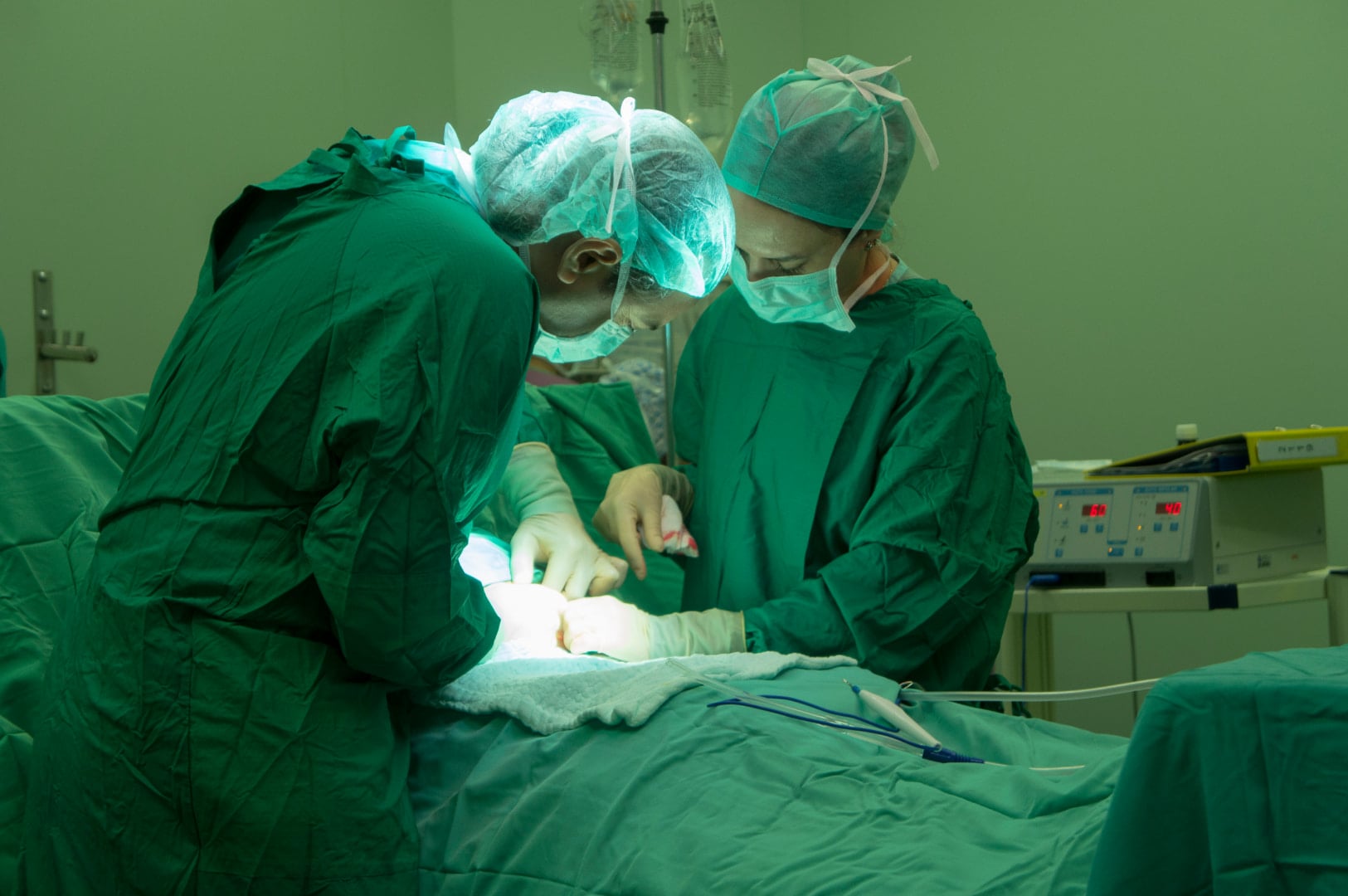
Today, most hiatal hernia repairs are performed laparoscopically, take about one hour under general anesthesia, and allow patients to return home the same day. This guide explains when surgery becomes necessary, how each of the three surgical techniques works, how to prepare, and what recovery looks like week by week.

When Does a Hiatal Hernia Require Surgery?
Although surgery offers the quickest route to fixing a hiatal hernia, it isn’t your only choice. Surgical treatment for hiatal hernia is generally recommended for patients experiencing esophageal inflammation (esophagitis), precancerous tissue changes (Barrett’s esophagus), unsuccessful medical therapy, or intense symptoms.
For those with a sizable hernia, or when a hiatal hernia could potentially become constricted or strangulated, surgical intervention is frequently advised to head off additional health issues.
Warning signs of complications linked to a hiatal hernia include:
- Bleeding
- Scarring
- Ulcers
- Esophageal narrowing
When ignored, even a minor hiatal hernia has the capacity to trigger long-term gastroesophageal reflux, potentially resulting in complications like inflammation, ulcers in the esophagus, along with bleeding or scar tissue formation in the esophagus. Related conditions like silent reflux (LPR) can also develop when reflux goes untreated for extended periods.
How Does the Hiatal Hernia Surgical Procedure Work?
There are three surgical options available for treating hiatal hernias, and each one is carried out under general anesthesia, taking roughly one hour to finish at Tampa Bay Reflux Institute.
Throughout the procedure, your surgeon will mend the tear in the diaphragm and subsequently wrap the upper segment of the stomach, known as the fundus, around the bottom portion of the esophagus. Doing so forms a natural valve that prevents stomach contents from flowing back up into the esophagus.
Let’s break down each of these procedures.
Laparoscopic Repair
This approach is the most frequently performed surgery for hiatal hernia correction because it carries a lower risk of pain, scarring, and infection. When performing a laparoscopic repair, your surgeon creates 5 tiny incisions in the abdomen, through which surgical tools are passed to guide the stomach back into the abdominal cavity. Using sutures placed through the laparoscope, the surgeon then repairs the hernia, and in some cases mesh is added to strengthen those sutures. Whether or not to use mesh is generally determined during the operation itself, based on how large the hernia is and the condition of the muscles needing repair.
Following this, your surgeon will rebuild the natural valve between the esophagus and stomach by wrapping the upper stomach around the lower esophagus through a procedure known as fundoplication, which helps cut down on reflux episodes.
Fundoplication
As the most recent of the three techniques, fundoplication represents the least invasive approach available. Rather than creating an incision, your surgeon uses an endoscope, inserted through the mouth, to position tiny clips at the junction where the stomach and esophagus meet, stopping food and stomach acid from accumulating. A modern evolution of this approach is the TIF (EsophyX®) procedure, which has demonstrated strong outcomes when performed by experienced specialists. Despite generating considerable excitement a few years back, these procedures have fallen out of favor due to disappointing outcomes and an elevated complication rate when stacked against laparoscopic surgeries.
Open Repair
This operation is generally reserved for patients who aren’t candidates for laparoscopic surgery, since it’s the most invasive of the three techniques and demands the lengthiest recovery period.
During an open repair, your surgeon creates one large surgical incision across the abdomen, through which they manually reposition the stomach and wrap it around the lower esophagus to form a tighter sphincter. For patients seeking alternative solutions, the LINX Reflux Management System offers a less invasive option that uses a small magnetic device to reinforce the lower esophageal sphincter.
In certain situations, placing a tube into your stomach may be required to hold it in position. This tube can generally be taken out after 2-4 weeks.

How Should I Get Ready for Hiatal Hernia Surgery?
Just like every surgery at Tampa Bay Reflux Institute, every patient receives personalized guidelines from their bariatric surgeon tailored to their specific needs. Other motility-related conditions like achalasia and gastroparesis may require different preparation protocols, which is why individualized planning matters.
Broadly speaking, though, these are the standard recommendations patients follow when preparing for hiatal hernia surgery:
- Walk between 2-3 miles each day
- Practice a range of different breathing exercises
- Stop smoking at least four weeks ahead of surgery
- Avoid taking clopidogrel (Plavix) or nonsteroidal anti-inflammatories (NSAIDs) for a minimum of one week prior to surgery
- Although a clear liquid diet isn’t mandatory, patients must refrain from eating or drinking for at least 12 hours leading up to the surgery

What’s the Recovery Timeline for Hiatal Hernia Surgery?
The majority of patients are able to head home on the same day following hiatal hernia surgery. However, you shouldn’t head back to work for 2-3 weeks, and heavy lifting should also be avoided during this period. For patients who also struggle with weight-related reflux issues, incisionless weight loss procedures may be discussed as part of a broader treatment plan.
Once 3-6 weeks have passed, you can resume your regular diet. Typically, your bariatric surgeon will let you know whether any dietary modifications are necessary.
Recovery after surgery is relatively simple. Along with gently cleaning your incisions daily using soap and water, sticking to the breathing exercises your bariatric surgeon prescribed, and staying away from hot tubs or pools, here are a few dietary guidelines you’ll want to follow:
- Begin with an all-liquid diet and slowly introduce soft foods to prevent stretching your stomach
- Eat 4-6 smaller meals throughout the day rather than 3 big ones, for the same reason
- Steer clear of alcohol, carbonated drinks, citrus fruits, and tomato-based products
- Avoid gas-inducing foods like beans, corn, and cruciferous vegetables
- Don’t drink using a straw
For more insights on recovery, nutrition, and living well after surgery, explore our blog for regularly updated articles from our specialists.

Ready to Talk to a Specialist?
If the symptoms described in this article sound familiar, or if medications have stopped giving you the relief they once did, it may be time to sit down with a reflux specialist who can walk you through your options. At Tampa Bay Reflux Institute, Dr. Gopal Grandhige focuses exclusively on reflux and hiatal hernia care, giving you access to a level of expertise that’s hard to find in a general surgical practice. He’s one of the best hiatal hernia doctors in Tampa, FL and the only board-certified surgeon in the Tampa Bay area who regularly performs all three leading anti-reflux procedures, including robotic fundoplications, the LINX Reflux Management System, and Transoral Incisionless Fundoplication (TIF/EsophyX®), with over 600 fundoplications, 600 LINX procedures, and 200 TIF procedures completed to date. During your consultation, we’ll review your symptoms, imaging, and medical history to determine whether surgery is the right path forward, and if so, which procedure best fits your anatomy and lifestyle. You don’t have to keep guessing, let’s figure it out together.
Conclusion
Living with a hiatal hernia can be exhausting, especially when medications that once provided relief start losing their effectiveness or when symptoms begin interfering with your daily life. While not every hiatal hernia requires surgical intervention, understanding your options empowers you to make informed decisions about your health alongside a qualified specialist. Modern surgical techniques, particularly laparoscopic repair, have made hiatal hernia correction safer, less invasive, and quicker to recover from than ever before. The key is recognizing when it’s time to move beyond medication management and consult with an expert who can evaluate your specific situation.
If persistent heartburn, chest discomfort, or GERD symptoms are disrupting your quality of life, don’t wait until complications like esophagitis, ulcers, or Barrett’s esophagus develop. Early consultation with a reflux specialist can help you weigh the benefits of surgical repair against continued medical management, ensuring you choose the path that best supports your long-term health and well-being.
FAQs
Is hiatal hernia surgery painful?
Most patients experience mild to moderate discomfort after surgery, particularly with laparoscopic repair, which is the least painful option. Pain is typically well-managed with prescribed medications and subsides within a few days.
How long does hiatal hernia surgery take?
The procedure generally takes about one hour to complete under general anesthesia. However, the total time at the surgical facility may be longer due to preparation and recovery.
Can a hiatal hernia come back after surgery?
While recurrence is possible, it’s relatively uncommon when surgery is performed by an experienced specialist. Following post-operative guidelines, such as dietary changes and avoiding heavy lifting, significantly reduces the risk of the hernia returning.
Will I need to stay overnight in the hospital after surgery?
Most patients undergoing laparoscopic hiatal hernia repair are able to go home the same day. However, open repair procedures may require a short hospital stay for closer monitoring during initial recovery.
When can I return to exercise after hiatal hernia surgery?
Light activities like walking can typically be resumed within a few days, but strenuous exercise and heavy lifting should be avoided for 2-3 weeks. Your surgeon will provide personalized clearance based on your healing progress.


An endoscopy cannot tell you if you have reflux. It can only tell you if you have complications of GERD.
If you are unhappy with your reflux symptoms, come in and we can discuss testing and treatments that can accurately diagnose your problem.
#reflux #gerd #hiatalhernia #gastroparesis #linx

CALL US AT 813-922-2920
www.tampareflux.com
If you have a hiatal hernia and fit one of these categories, you should know your options.
Dr. Grandhige is an expert in his field and performs 200 of these surgeries a year. He is the only surgeon in the Tampa Bay Area who offers all surgical options - LINX, Fundoplications, TIF and will be one of 20 surgeons in America introducing the latest procedure RefluxStop in 2026.
We accept most insurances but will verify yours before you come in. These procedures are considered medically necessary and covered by your insurance. You can expect to pay your in-network deductibles and nothing else.
#hiatalhernia #reflux #GERD #LINX #refluxstop
What causes reflux ?
1. Weak lower esophageal sphincter
2. Hiatal hernia
3. Flattening of the Angle of His
4. Poor esophageal motility
5. Gastroparesis (slow stomach)
NOT increased acid production
Don’t let GERD get in the way of living your life. Request your appointment with us today on the link below.
.
.
.
.
https://tampareflux.com/contact-us/
Anyone can be victim to GERD and though weight loss can help reduce GERD symptoms. Many athletes with high impact workouts may continue to have these symptoms. This may be a symptom of a hiatal hernia or other issue. We are more then happy to assist you in finding your solution, just click the link below.
.
.
.
https://tampareflux.com/contact-us/
##healthylifestyle #workout #athletereflux #PPIs #heartburn #LINX #fundoplication #TIF #GERD#tampaheartburn #linx #TIF #fundoplication #tampabayreflux #GERD #acidreflux #acidrefluxsurgery #stopreflux
#nonsurgicalweightloss #ESG #gastricballoon #weightlossjourney #vsg #vsgjourney #spatz3 #orbera #orberaballoon #grandhige #DrG
#tampabayrefluxinstitute #guthealth #roboticsurgery
Heartburn may seem like an annoyance. But if you find yourself having symptoms on a daily basis, it may be time to to talk to Dr. Grandhige as it could be a symptom of something worse.
.
.
.
#chronicheartburn #gerdsymptoms #heartburnrelief #reflux #PPIs #heartburn #LINX #fundoplication #TIF #GERD#tampaheartburn #linx #TIF #fundoplication #tampabayreflux #GERD #acidreflux #acidrefluxsurgery #stopreflux
#nonsurgicalweightloss #ESG #gastricballoon #weightlossjourney #vsg #vsgjourney #spatz3 #orbera #orberaballoon #grandhige #DrG
#tampabayrefluxinstitute #guthealth #roboticsurgery
If you are tired of avoiding your favorite foods or taking daily medications, we can help.
We are the Tampa experts in reflux ! With years of experience and thousands of patients treated successfully, we offer all FDA approved anti-reflux procedures.
Call 813-922-2920 to schedule your appointment
All major insurances accepted.
Not all patients need surgical intervention. Many patients are living a heartburn free life with their PPIs. However 40% of patients taking PPIs are not getting the relief they need. If you are one of those, you have options! Come in and find out more.
.
.
.
.
#letushelpyou #medsnotworking #reflux #PPIs #heartburn #LINX #fundoplication #TIF #GERD#tampaheartburn #linx #TIF #fundoplication #tampabayreflux #GERD #acidreflux #acidrefluxsurgery #stopreflux
#nonsurgicalweightloss #ESG #gastricballoon #weightlossjourney #vsg #vsgjourney #spatz3 #orbera #orberaballoon #grandhige #DrG
#tampabayrefluxinstitute #guthealth #roboticsurgery
#heartburn #stopreflux #hiatalherniarepair #severeheartburn #reflux #tampabayreflux #acidrefluxsurgery #tampaheartburn #GERD #PPIs #achalasia #LINX #TIF #tampareflux #fundoplication #stomach #digestivehealth #ESG #obesity #overweight #weightlossjourney #gastricballoon


