

Written By: Jeffrey Atlas, Health Content Writer
Medically Reviewed By: Dr. Gopal Grandhige, MD, FACS, Board-Certified Surgeon
Last Reviewed: March 31, 2026
A hiatal hernia can cause dizziness, but indirectly. The hernia itself doesn’t trigger lightheadedness. Instead, complications like chronic blood loss, iron-deficiency anemia, severe acid reflux, or dehydration from reduced eating are typically responsible. If you’re experiencing dizziness alongside a known hiatal hernia, the most common culprits are:
- Anemia from slow, unnoticed bleeding where the stomach rubs against the diaphragm
- Severe GERD causing nausea, reduced food intake, or vomiting
- Post-meal discomfort that mimics faintness or instability
Dizziness with fatigue, pale skin, dark stools, or rapid heartbeat warrants prompt medical evaluation to rule out internal bleeding.
What Typically Explains the Dizziness Connection
Here’s the reality: a hiatal hernia can be associated with dizziness, but the connection is usually indirect.
A small hiatal hernia frequently produces no symptoms whatsoever. A larger one can worsen reflux and irritate the esophagus or stomach lining. In certain individuals, this irritation causes gradual bleeding over time. When blood loss continues unchecked, iron levels drop and anemia can develop. This represents one of the most direct ways a hiatal hernia can ultimately leave someone feeling dizzy, weak, or faint.
There’s another pathway as well. Severe reflux, post-meal pain, reduced food intake, and frequent vomiting can leave a person feeling depleted, dehydrated, or unstable. This can also manifest as dizziness. However, these aren’t the textbook signs physicians rely on to identify a hiatal hernia.
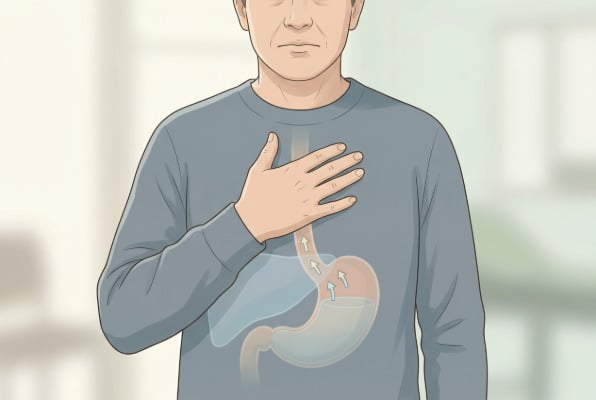
Symptoms More Commonly Associated with Hiatal Hernia
If you’re attempting to determine whether your hernia is causing problems, these symptoms align more closely than dizziness:
- Persistent recurring heartburn
- Acid or food traveling back up into the throat
- Chest or upper abdominal discomfort following meals
- Belching, bloating, or feeling full too quickly
- Swallowing difficulties
- Nausea or vomiting in more serious cases
Mayo Clinic’s hiatal hernia overview confirms that small hernias often cause no issues, while larger ones more frequently produce heartburn, regurgitation, and swallowing problems. This matches real-world experience: the digestive symptoms typically emerge well before dizziness ever becomes a concern.
When Dizziness Becomes Part of the Picture
Dizziness can describe various sensations. Some people experience a spinning sensation. Others describe feeling weak, floaty, off-balance, or on the verge of passing out. This distinction is significant.
If the room seems to spin, an inner-ear problem is often more probable than a hiatal hernia. If you feel drained, pale, fatigued, short of breath climbing stairs, or notice your heart racing with minimal exertion, anemia becomes a stronger possibility. If the lightheaded feeling strikes when standing up, low blood pressure, dehydration, or certain medications might be contributing factors.
So the more useful question isn’t simply “Can a hiatal hernia cause dizziness?” It’s also “What type of dizziness am I experiencing, and what other symptoms accompanied it?”
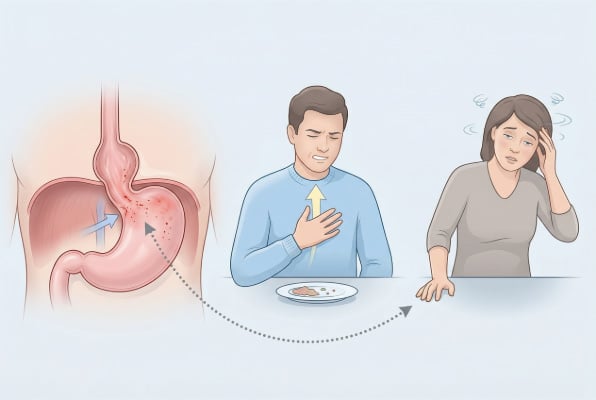
How a Large Hernia Can Lead to Feeling Lightheaded
Gradual Blood Loss and Iron Deficiency
A larger hiatal hernia can create friction where the stomach passes through the diaphragm. This rubbing can produce small erosions or ulcers that bleed slowly. You might never notice obvious blood. Yet over weeks or months, this gradual loss can deplete iron reserves.
Information from MedlinePlus indicates that chronic bleeding can be subtle and may present as weakness, fatigue, or other anemia symptoms rather than a dramatic bleeding episode. On the hernia side, clinical research published by NCBI notes that large hernias may be associated with stomach erosions and bleeding.
Reflux, Reduced Eating, and Vomiting
Some individuals with a painful or inflamed upper digestive tract eat less because meals trigger heartburn or chest pressure. Others experience vomiting or retching. This can leave them low on fluids and feeling unsteady. The hernia still isn’t directly causing the dizziness, but it’s part of the chain of events. Those experiencing throat irritation without classic heartburn may be dealing with silent reflux or LPR, which can further complicate the picture.
Discomfort After Heavy Meals
Large meals can intensify reflux and fullness when part of the stomach sits above the diaphragm. People may feel flushed, tight in the chest, and unstable. This pattern can seem alarming, yet the trigger is often meal size and reflux burden rather than the hernia alone.
Understanding What Different Symptom Patterns Suggest
| What You Experience | Possible Indication | Why It’s Important |
| Post-meal heartburn | Reflux associated with hiatal hernia | Common pattern that often improves with dietary changes and acid-reducing treatment |
| Food or acidic fluid returning upward | GERD worsened by the hernia | Increases risk of throat irritation and esophageal damage |
| Dizziness combined with fatigue | Iron-deficiency anemia | May indicate slow upper-GI bleeding requiring investigation |
| Black, tarry stools | Upper-GI bleeding | Requires prompt medical attention |
| Vomiting blood or coffee-ground-like material | Upper-GI bleeding | Requires immediate medical care |
| Swallowing difficulties | Esophageal irritation, narrowing, or other upper-GI issue | Needs medical evaluation, especially if worsening |
| Chest pain with breathing difficulty | Reflux, but potentially heart-related | Don’t assume it’s only the hernia |
| Spinning sensation | Inner-ear or neurological issue | Less characteristic of hiatal hernia |
Warning Signs That Warrant Immediate Medical Attention
Certain symptoms should prompt you to move beyond home remedies. Seek urgent care if you experience:
- Fainting, near-fainting, or sudden severe dizziness
- Black stools, bloody vomit, or vomit resembling coffee grounds
- Chest pain that could potentially be cardiac-related
- New or worsening shortness of breath
- Food becoming stuck during swallowing
- Unexplained weight loss
If dizziness occurs alongside paleness, weakness, or rapid heartbeat, blood tests are often part of the evaluation. Cleveland Clinic’s hiatal hernia resources identify dizziness or lightheadedness among common anemia symptoms. That’s why a “hernia plus dizziness” scenario shouldn’t be dismissed, particularly when fatigue accompanies it.
How Physicians Investigate the Underlying Cause
When dizziness enters the equation, the objective is determining whether the hernia contributes to the problem or simply happens to be present.
A doctor typically begins with a symptom history: which meals trigger issues, whether reflux disrupts sleep, if swallowing has changed, whether stools have darkened, and what the dizziness feels like. Then appropriate tests follow based on the pattern. Consulting with the best hiatal hernia doctors in Tampa can help ensure a thorough diagnostic workup.
Commonly Used Diagnostic Tests
- Blood tests: to evaluate hemoglobin, iron, and ferritin levels
- Upper endoscopy: to examine for esophageal damage, stomach erosions, ulcers, or bleeding
- Barium swallow or imaging studies: to visualize the hernia’s size and type
- Stool testing: when occult bleeding is suspected
If the dizziness resembles spinning, balance problems, or ear pressure, the investigation may shift away from the stomach toward the inner ear or nervous system. This is beneficial because it prevents the hernia from being blamed for everything.
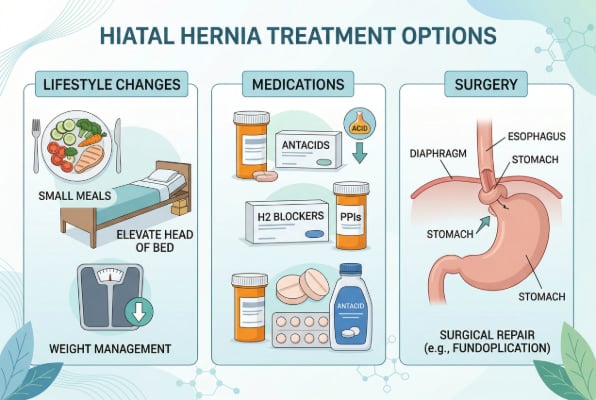
What Generally Provides Relief
Treatment depends on what’s driving the symptoms. If reflux is the primary concern, initial approaches typically include smaller meals, avoiding late-night eating, reducing trigger foods, losing weight if appropriate, and acid-reducing medication. According to Hopkins Medicine’s guide on hernias, lifestyle modifications remain a cornerstone of conservative management. If blood loss or anemia is discovered, addressing the iron deficiency and identifying the bleeding source become equally important as treating the reflux.
For large hernias causing persistent pain, swallowing problems, recurrent bleeding, or stubborn anemia, surgery may be discussed. Procedures such as fundoplication aim at repositioning the stomach, repairing the diaphragm opening, and reducing reflux burden. The LINX Reflux Management System offers another surgical option for appropriate candidates, while TIF EsophyX provides a less invasive alternative. SAGES guidelines for hiatal hernia surgery outline when operative intervention is most beneficial. For patients also struggling with weight, incisionless weight loss procedures may complement reflux treatment. Not every hiatal hernia requires surgical intervention. Many respond well to medication and lifestyle modifications alone.
| Problem Identified | Standard Treatment Approach | Expected Outcome |
| Mild reflux with small hernia | Dietary modifications and acid-reducing medication | Symptoms frequently improve without surgery |
| Anemia from gradual bleeding | Iron supplementation plus endoscopy and bleeding investigation | Dizziness may resolve as blood counts normalize |
| Large hernia with persistent symptoms | Surgical repair may be recommended | Considered when symptoms recur or complications develop |
| Dizziness from separate cause | Treatment targeting the actual cause | The hernia may be coincidental, not the source |
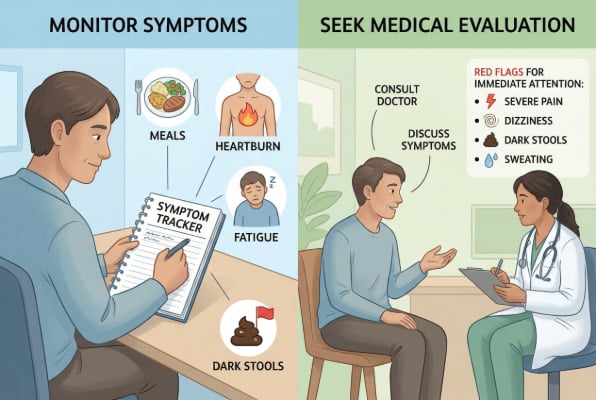
What To Do If You Feel Dizzy and Have a Known Hiatal Hernia
Begin by monitoring the pattern for several days. Does it occur after large meals? Does it accompany heartburn, regurgitation, fatigue, dark stools, or breathing difficulty? These clues provide valuable information. Resources from WebMD on hiatal hernia and Healthline’s comprehensive guide can help you understand what to track.
Then seek medical evaluation if the symptom persists. A hiatal hernia might factor into the picture, but dizziness deserves comprehensive investigation. Blood pressure fluctuations, anemia, dehydration, cardiac rhythm abnormalities, medication side effects, and inner-ear conditions are all common culprits. Recent studies published in PMC have also examined the relationship between gastrointestinal conditions and systemic symptoms. Thorough evaluation ensures slow bleeding isn’t overlooked and prevents unrelated problems from hiding behind the hernia diagnosis.
Patients dealing with related digestive motility issues like gastroparesis or achalasia may experience overlapping symptoms that complicate diagnosis. Additionally, those exploring treatment for abdominal hernia and heartburn options should discuss all symptoms with their physician. Harvard Health’s overview of hiatal hernia provides additional guidance on when to seek care.
So yes, the connection can exist. However, it’s typically indirect. The hernia more often sets the stage, while reflux damage, hidden bleeding, or anemia is the actual reason you’re feeling lightheaded. To learn more about our team and approach, visit about Tampa Bay Reflux Institute. For more information about digestive health conditions and treatment options, explore the Tampa Reflux blog or contact us to schedule a consultation with the specialists at Tampa Bay Reflux Institute.
Conclusion
While a hiatal hernia itself doesn’t directly cause dizziness, the complications it can trigger, such as chronic blood loss, iron-deficiency anemia, severe reflux, or dehydration from reduced eating, may certainly leave you feeling lightheaded. If you experience persistent dizziness alongside a known hiatal hernia, it’s essential to seek medical evaluation to identify whether the hernia is contributing indirectly or if an unrelated condition requires attention.
FAQs
Is dizziness a common symptom of hiatal hernia?
No, dizziness is not a typical or direct symptom of hiatal hernia. When it does occur, it’s usually caused by complications like anemia from slow bleeding or severe reflux rather than the hernia itself.
How can a hiatal hernia lead to anemia?
A large hiatal hernia can cause small erosions or ulcers where the stomach rubs against the diaphragm, leading to gradual blood loss over time. This chronic bleeding can deplete iron stores and result in iron-deficiency anemia.
What type of dizziness should concern me most?
Dizziness accompanied by fatigue, paleness, rapid heartbeat, or dark/tarry stools warrants immediate medical attention. These signs may indicate internal bleeding or significant anemia requiring urgent evaluation.
Can treating my hiatal hernia symptoms help reduce dizziness?
If the dizziness stems from hernia-related complications like anemia or dehydration, treating those underlying issues can help resolve the lightheadedness. However, if the dizziness has a separate cause like an inner-ear problem, hernia treatment alone won’t address it.
When should I see a doctor about dizziness and my hiatal hernia?
You should seek medical care if dizziness persists, worsens, or occurs with warning signs like fainting, black stools, vomiting blood, or chest pain. A thorough evaluation ensures serious complications aren’t overlooked.


An endoscopy cannot tell you if you have reflux. It can only tell you if you have complications of GERD.
If you are unhappy with your reflux symptoms, come in and we can discuss testing and treatments that can accurately diagnose your problem.
#reflux #gerd #hiatalhernia #gastroparesis #linx

CALL US AT 813-922-2920
www.tampareflux.com
If you have a hiatal hernia and fit one of these categories, you should know your options.
Dr. Grandhige is an expert in his field and performs 200 of these surgeries a year. He is the only surgeon in the Tampa Bay Area who offers all surgical options - LINX, Fundoplications, TIF and will be one of 20 surgeons in America introducing the latest procedure RefluxStop in 2026.
We accept most insurances but will verify yours before you come in. These procedures are considered medically necessary and covered by your insurance. You can expect to pay your in-network deductibles and nothing else.
#hiatalhernia #reflux #GERD #LINX #refluxstop
What causes reflux ?
1. Weak lower esophageal sphincter
2. Hiatal hernia
3. Flattening of the Angle of His
4. Poor esophageal motility
5. Gastroparesis (slow stomach)
NOT increased acid production
Don’t let GERD get in the way of living your life. Request your appointment with us today on the link below.
.
.
.
.
https://tampareflux.com/contact-us/
Anyone can be victim to GERD and though weight loss can help reduce GERD symptoms. Many athletes with high impact workouts may continue to have these symptoms. This may be a symptom of a hiatal hernia or other issue. We are more then happy to assist you in finding your solution, just click the link below.
.
.
.
https://tampareflux.com/contact-us/
##healthylifestyle #workout #athletereflux #PPIs #heartburn #LINX #fundoplication #TIF #GERD#tampaheartburn #linx #TIF #fundoplication #tampabayreflux #GERD #acidreflux #acidrefluxsurgery #stopreflux
#nonsurgicalweightloss #ESG #gastricballoon #weightlossjourney #vsg #vsgjourney #spatz3 #orbera #orberaballoon #grandhige #DrG
#tampabayrefluxinstitute #guthealth #roboticsurgery
Heartburn may seem like an annoyance. But if you find yourself having symptoms on a daily basis, it may be time to to talk to Dr. Grandhige as it could be a symptom of something worse.
.
.
.
#chronicheartburn #gerdsymptoms #heartburnrelief #reflux #PPIs #heartburn #LINX #fundoplication #TIF #GERD#tampaheartburn #linx #TIF #fundoplication #tampabayreflux #GERD #acidreflux #acidrefluxsurgery #stopreflux
#nonsurgicalweightloss #ESG #gastricballoon #weightlossjourney #vsg #vsgjourney #spatz3 #orbera #orberaballoon #grandhige #DrG
#tampabayrefluxinstitute #guthealth #roboticsurgery
If you are tired of avoiding your favorite foods or taking daily medications, we can help.
We are the Tampa experts in reflux ! With years of experience and thousands of patients treated successfully, we offer all FDA approved anti-reflux procedures.
Call 813-922-2920 to schedule your appointment
All major insurances accepted.
Not all patients need surgical intervention. Many patients are living a heartburn free life with their PPIs. However 40% of patients taking PPIs are not getting the relief they need. If you are one of those, you have options! Come in and find out more.
.
.
.
.
#letushelpyou #medsnotworking #reflux #PPIs #heartburn #LINX #fundoplication #TIF #GERD#tampaheartburn #linx #TIF #fundoplication #tampabayreflux #GERD #acidreflux #acidrefluxsurgery #stopreflux
#nonsurgicalweightloss #ESG #gastricballoon #weightlossjourney #vsg #vsgjourney #spatz3 #orbera #orberaballoon #grandhige #DrG
#tampabayrefluxinstitute #guthealth #roboticsurgery
#heartburn #stopreflux #hiatalherniarepair #severeheartburn #reflux #tampabayreflux #acidrefluxsurgery #tampaheartburn #GERD #PPIs #achalasia #LINX #TIF #tampareflux #fundoplication #stomach #digestivehealth #ESG #obesity #overweight #weightlossjourney #gastricballoon


