

Written By: Jeffrey Atlas, Health Content Writer
Medically Reviewed By: Dr. Gopal Grandhige, MD, FACS, Board-Certified Surgeon
Last Reviewed: March 25, 2026
While hiatal hernia doesn’t directly cause diarrhea, there’s an indirect connection. Diarrhea in hiatal hernia patients typically results from medication side effects (especially antacids and PPIs), altered digestive motility, stress responses, or coexisting conditions like IBS or GERD. Approximately 55-60% of people over 50 have a hiatal hernia, though only about 9% experience noticeable symptoms.
A hiatal hernia occurs when part of your stomach pushes through the diaphragm into your chest cavity. Common symptoms include heartburn, acid reflux, bloating, and chest discomfort, but bowel changes, including diarrhea, can also occur in some individuals. Treatment typically involves lifestyle modifications, acid-reducing medications, and in severe cases, surgery.
Breaking Down Hiatal Hernia: The Basics and Body Mechanics
Understanding the physical structure involved in hiatal hernia helps clarify its impact on your body. This condition develops when a portion of your stomach protrudes upward into the chest region through the diaphragm’s natural opening.
The Mechanics Behind Hiatal Hernia
During hiatal hernia development, your stomach pushes through the esophageal hiatus, the diaphragm’s designated passage for the esophagus. This displacement can trigger gastroesophageal reflux, allowing stomach acid to travel backward into the esophagus and producing burning sensations and discomfort.
Hiatal Hernia Varieties
Two primary categories exist: sliding hiatal hernias and paraesophageal hernias. Sliding types occur when the junction between esophagus and stomach shifts upward. Paraesophageal varieties involve stomach tissue bulging beside the esophagus, potentially creating more serious complications. The Cleveland Clinic provides detailed information on both types and their distinct characteristics.
Who’s at Risk and How Common Is It?
These hernias appear frequently, particularly among older populations. Contributing factors include the aging process, excess body weight, tobacco use, and occupations requiring heavy lifting. Recognizing these risk elements aids in both prevention and early detection.
Research indicates that while bowel changes like diarrhea occur less commonly, certain individuals do notice alterations in their intestinal habits. Many people with this condition remain symptom-free, while others report heartburn, acid reflux, chest discomfort, and additional digestive troubles.

Recognizing Hiatal Hernia Symptoms
Individual experiences vary significantly, some people endure considerable discomfort while others notice nothing unusual. Familiarizing yourself with typical symptom patterns proves valuable.
Standard Digestive Signs
Heartburn, queasiness, and abdominal distension rank among the most reported complaints. These develop as stomach acid escapes backward into the esophagus, a condition known as gastroesophageal reflux disease (GERD).
Gastroenterology specialists note that many patients suffering from both hiatal hernia and GERD find symptom improvement once the hernia receives proper treatment.
Additional manifestations include feeling full quickly and experiencing chest or abdominal unease. These symptoms can substantially diminish quality of life and warrant appropriate medical evaluation.
Chest and Breathing-Related Symptoms
Certain individuals develop chest pain or respiratory difficulties. Chest pain sometimes mimics cardiac problems. Breathing issues may include persistent coughing or labored breathing, often intensifying in horizontal positions.
Stomach contents pressing against the diaphragm or irritating lung tissue produces these symptoms. Healthcare providers should consider hiatal hernia when evaluating patients presenting with these complaints, as Johns Hopkins Medicine explains in their comprehensive overview.
Silent Hiatal Hernias
Numerous people harbor hiatal hernias without experiencing any symptoms. Approximately 55-60% of individuals beyond age 50 have a hiatal hernia, yet merely 9% display noticeable symptoms. This demonstrates why symptoms alone cannot guide diagnosis.
Silent hernias often surface accidentally during examinations for unrelated conditions. Absence of symptoms doesn’t necessarily indicate a mild condition, as complications can emerge even without warning signs.
Can Hiatal Hernia Actually Trigger Diarrhea?
The relationship between hiatal hernia and loose bowel movements remains incompletely understood. Investigators have explored potential connections, requiring careful examination of available research, proposed mechanisms, and clinical evidence.
Scientific Findings on Hiatal Hernia and Intestinal Changes
Studies specifically examining hiatal hernia and diarrhea remain scarce. However, researchers have investigated how hiatal hernia influences bowel function. Some evidence suggests certain individuals with hiatal hernia may develop diarrhea.
Research published in gastroenterology literature revealed that hiatal hernia patients frequently experience bowel irregularities, diarrhea included. The precise explanations remain uncertain, though modifications in digestive movement patterns and abdominal pressure dynamics may contribute. A comprehensive study published in PMC examines these gastrointestinal associations in greater detail.
How Might Hiatal Hernia Cause Diarrhea?
Several theoretical pathways connecting hiatal hernia to diarrhea warrant exploration. One hypothesis proposes that the hernia interferes with lower esophageal sphincter operation, potentially affecting digestive motility and subsequently bowel function.
Another theory suggests hiatal hernia influences intra-abdominal pressure levels, which could impact intestinal movements and produce diarrhea. Further investigation is necessary to establish this relationship definitively.
Clinical Experience and Patient Accounts
Healthcare observations and patient testimonies provide valuable perspective on the hiatal hernia-diarrhea connection. Some hiatal hernia patients do report diarrhea alongside other gastrointestinal complaints.
Clinicians have observed that addressing hiatal hernia symptoms sometimes improves bowel regularity. This underscores the importance of comprehensive care for hiatal hernia patients, including attention to symptoms like diarrhea.
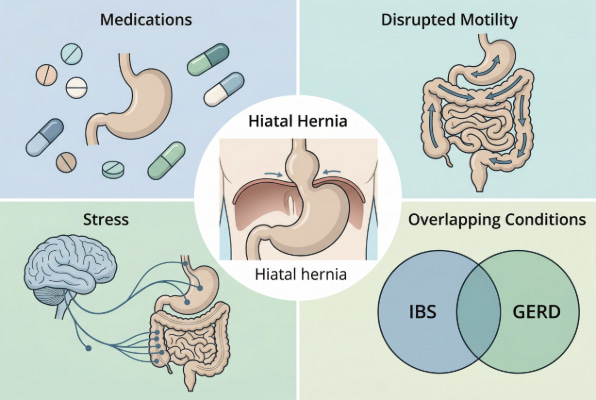
Indirect Pathways Connecting Hiatal Hernia and Diarrhea
While direct causation remains under investigation, multiple indirect pathways have been identified that might explain why some hiatal hernia patients also experience diarrhea.
Drug-Related Side Effects
Medications prescribed for hiatal hernia management can sometimes induce diarrhea as an unwanted effect. Antacids and acid-suppressing drugs particularly may exert laxative-like actions, resulting in loose stools.
Disrupted Digestive Movement
Hiatal hernia can alter the pace at which food travels through your digestive tract. This disrupted motility, similar to what patients with gastroparesis experience, may accelerate intestinal transit, potentially causing diarrhea in susceptible individuals.
Psychological Stress Contributions
Living with hiatal hernia can elevate stress and anxiety levels. Psychological stress can aggravate digestive symptoms, diarrhea among them. The discomfort from hiatal hernia may compound stress, creating a cycle that intensifies symptoms.
Overlapping Digestive Disorders
Many hiatal hernia patients simultaneously have other gastrointestinal conditions. Irritable bowel syndrome (IBS) or gastroesophageal reflux disease (GERD) commonly co-occur. These conditions independently alter bowel patterns, potentially causing diarrhea. Patients with silent reflux or LPR may also experience overlapping symptoms that complicate diagnosis.
| Condition | Potential Diarrhea Impact |
| Hiatal Hernia | Indirectly through medication effects or altered digestive movement |
| IBS | Directly causes bowel habit changes, including diarrhea |
| GERD | Can worsen digestive symptoms, potentially triggering diarrhea |
Hiatal Hernia and Additional Digestive Complaints
Hiatal hernia can spark numerous digestive difficulties that significantly affect daily comfort and overall wellbeing.
Excessive Gas with Hiatal Hernia
Hiatal hernia patients commonly report increased flatulence. The stomach’s abnormal positioning contributes to swallowing difficulties and gas entrapment. Accumulated gas produces discomfort and pain that frequently radiates toward the chest and back.
The stomach’s displaced position can disrupt normal digestive processes, generating excess gas and complicating its elimination. According to the NCBI clinical resource, these symptoms often improve with proper treatment.
Bloating Linked to Hiatal Hernia
Abdominal distension poses a significant challenge for many hiatal hernia sufferers. It creates uncomfortable sensations and can visibly enlarge the midsection. Multiple factors contribute to bloating, including gas accumulation, sluggish digestion, and dietary choices.
Addressing bloating typically requires dietary modifications and lifestyle adjustments, with medical intervention sometimes necessary.
Bowel Pattern Changes Beyond Loose Stools
Diarrhea represents just one possible symptom of hiatal hernia. Constipation, erratic bowel movements, or stool consistency changes may also occur. The root causes of these alterations are intricate and multifaceted.
Significant or severe bowel habit changes warrant medical consultation to identify underlying causes and receive appropriate treatment.
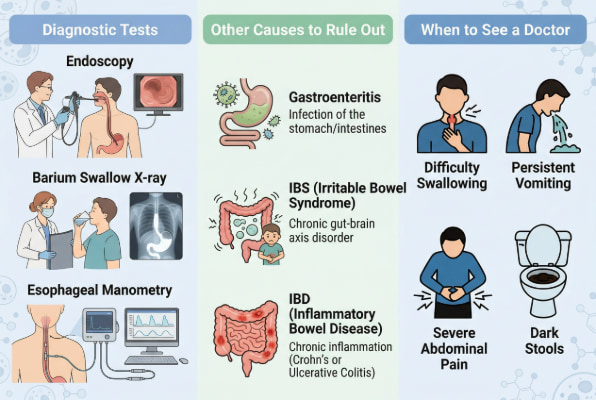
Identifying Hiatal Hernia and Associated Digestive Problems
Properly diagnosing hiatal hernia and connected digestive issues demands thorough medical assessment. This process proves essential for pinpointing symptom origins and formulating effective treatment strategies.
Diagnostic Procedures for Hiatal Hernia
Multiple tests assist in confirming hiatal hernia presence and severity:
- Endoscopy: This procedure enables physicians to visually examine the esophagus, stomach, and duodenum, identifying hernias and other abnormalities
- Barium Swallow: This X-ray examination involves swallowing a barium solution that coats the upper digestive tract, enhancing hernia visibility
- Esophageal Manometry: This assessment measures esophageal muscle contractions during swallowing, revealing how hiatal hernia might impact esophageal function, particularly important for patients with suspected achalasia
Ruling Out Other Diarrhea Causes
Diarrhea in hiatal hernia patients requires thorough evaluation to pinpoint its true source. Alternative conditions to consider include:
- Gastroenteritis: Gastrointestinal tract inflammation, typically infection-related
- Irritable Bowel Syndrome (IBS): A disorder featuring chronic abdominal discomfort, bloating, and bowel habit fluctuations
- Inflammatory Bowel Disease (IBD): Conditions including Crohn’s disease and ulcerative colitis causing persistent gastrointestinal inflammation
Knowing When to See Your Doctor
Consulting a healthcare professional becomes important when symptoms persist or intensify. Seek medical attention for:
- Swallowing difficulties or intense chest pain
- Ongoing vomiting or blood in vomit
- Severe abdominal pain
- Indicators of gastrointestinal bleeding, such as dark, tarry stools
Timely diagnosis and intervention can dramatically improve outcomes for individuals with hiatal hernia and related digestive concerns. MedlinePlus offers reliable patient education resources for understanding when to seek care.
Hiatal Hernia Treatment Approaches
Treatment strategies for hiatal hernia span multiple options, encompassing lifestyle modifications, pharmaceutical interventions, and surgical procedures. The optimal approach depends on symptom severity, hernia dimensions, and overall health status.
Lifestyle Adjustments
Behavioral changes frequently serve as the initial treatment phase. These modifications can alleviate symptoms and forestall complications. Essential adjustments include:
- Dietary modifications: Consuming smaller portions and steering clear of acid reflux triggers
- Weight control: Maintaining appropriate body weight reduces stomach pressure, and incisionless weight loss procedures may help certain patients achieve this goal
- Bed elevation: Raising the head of your bed prevents nighttime acid reflux
- Clothing choices: Wearing loose-fitting garments minimizes abdominal pressure
Pharmaceutical Options
Medications play a central role for many patients, targeting acid reduction or neutralization. Commonly prescribed drugs include:
- Antacids: Deliver rapid heartburn and acid reflux relief
- H2 blockers: Decrease stomach acid production
- Proton pump inhibitors (PPIs): Potent medications that suppress acid production
Harvard Health provides an excellent overview of medication options and their appropriate use.
Surgical Solutions
Severe cases or complications may necessitate surgical repair. The SAGES guidelines for surgical treatment outline evidence-based recommendations for operative intervention. Surgical options include:
- Laparoscopic surgery: A minimally invasive repair technique
- Fundoplication procedures: Involves wrapping the stomach around the esophagus
Developing Treatment Innovations
Researchers continue exploring novel hiatal hernia treatments. These emerging approaches may provide alternatives for patients who don’t respond adequately to conventional therapies.
Comprehending available treatment options empowers patients and healthcare providers to develop personalized plans addressing specific needs and enhancing quality of life.
Controlling Diarrhea When Living with Hiatal Hernia
Effectively managing diarrhea proves essential for hiatal hernia patients. Uncontrolled diarrhea can cause significant discomfort, dehydration, and potentially serious complications. Addressing this requires attention to diet, hydration, electrolyte balance, and appropriate remedies.
Food and Diet Modifications
Dietary choices significantly influence diarrhea management. Hiatal hernia patients should identify and avoid foods that worsen loose stools, as spicy items, fatty foods, and high-fiber choices often cause problems. Maintaining a food journal helps identify personal triggers.
Eating smaller, more frequent meals proves beneficial by reducing digestive system burden and minimizing diarrhea exacerbation risk. Bland options like bananas, rice, applesauce, and toast (the BRAT diet) typically work well.
Fluid and Electrolyte Management
Adequate hydration becomes critical during diarrhea episodes. Fluids replenish lost water and essential minerals. Prioritize water, clear broths, or electrolyte-containing beverages like sports drinks.
Oral rehydration solutions work excellently for diarrhea-induced dehydration, containing optimal salt and sugar ratios for enhanced fluid absorption.
Store-Bought and Prescription Treatments
Over-the-counter medications like loperamide can decelerate bowel movements and diminish diarrhea frequency. However, always consult your physician before introducing new medications, especially when managing hiatal hernia.
Prescription drugs may become necessary when underlying conditions drive the diarrhea. Your healthcare provider will determine the most suitable treatment approach. Healthline offers comprehensive guidance on managing hiatal hernia symptoms alongside bowel issues.
Natural Relief Methods
Some individuals discover diarrhea relief through natural strategies. Probiotics, present in yogurt, kefir, and fermented vegetables, support healthy gut bacterial balance.
Natural remedies including ginger or peppermint tea can calm digestive upset. Always verify with your healthcare provider before trying new supplements or remedies to ensure safety and appropriateness.
Avoiding Hiatal Hernia Complications
Preventing hiatal hernia complications hinges on implementing meaningful lifestyle modifications. Understanding potential risks and adopting proactive measures reduces the likelihood of serious developments.
Preventive Lifestyle Modifications
Maintaining healthy body weight stands as a primary strategy for preventing hiatal hernia complications. Excess abdominal weight increases stomach pressure. Embracing balanced nutrition and consistent physical activity supports weight management and symptom reduction.
Additionally, avoiding heavy lifting and excessive bending helps. Such activities elevate abdominal pressure, potentially aggravating the hernia. Adjusting daily routines to minimize strain assists in abdominal hernia and heartburn treatment.
Recognizing Dangerous Warning Signs
Understanding indicators of serious hiatal hernia complications carries vital importance. Symptoms requiring urgent attention include severe chest pain, swallowing difficulties, or blood in vomit. Intense chest pain may signal hernia incarceration or strangulation, demanding immediate medical care.
Watch for these warning signs:
- Severe or persistent abdominal pain
- Difficulty swallowing or speaking
- Blood in vomit or black, tarry stools
- Breathing difficulty or racing heartbeat

Get Expert Hiatal Hernia Care at Tampa Bay Reflux Institute
If you’re experiencing persistent symptoms related to hiatal hernia, GERD, or other digestive concerns, seeking specialized care makes all the difference. Tampa Bay Reflux Institute, led by Dr. Grandhige, focuses exclusively on reflux management and has become a national leader in diagnosing and surgically treating typical GERD and its atypical variants, including Laryngopharyngeal Reflux (LPR/Silent Reflux).
Dr. Grandhige offers cutting-edge anti-reflux surgical options including robotic fundoplications, the LINX Reflux Management System, and the endoscopic TIF procedure with EsophyX. He is the only board-certified surgeon in the Tampa Bay area performing all three procedures regularly, with over 600 fundoplications, over 600 LINX procedures, and over 200 TIF procedures completed.
With over a decade dedicated to developing individualized treatment strategies based on each patient’s unique symptoms and anatomic abnormalities, Tampa Bay Reflux Institute provides personalized solutions for long-term relief. Contact us today to schedule your consultation with a top hiatal hernia specialist in Tampa.
Conclusion
Understanding the relationship between hiatal hernia and diarrhea empowers you to take control of your digestive health. While hiatal hernia doesn’t directly cause diarrhea in most cases, the connection exists through several indirect pathways, including medication side effects, altered digestive motility, stress responses, and coexisting conditions like IBS or GERD. Recognizing these links helps both patients and healthcare providers develop more comprehensive treatment approaches.
Managing digestive symptoms effectively requires a multi-faceted strategy that includes lifestyle modifications, dietary adjustments, proper hydration, and when necessary, medical intervention. Whether you’re dealing with heartburn, bloating, gas, or changes in bowel habits, working closely with a gastroenterology specialist ensures you receive an accurate diagnosis and personalized treatment plan. Don’t dismiss persistent symptoms, as early intervention can prevent complications and significantly improve your quality of life. For more information and resources, visit our health and wellness blog.
FAQs
Can a hiatal hernia directly cause diarrhea?
Hiatal hernia doesn’t typically cause diarrhea directly, but it can contribute indirectly through medication side effects, altered digestive motility, or coexisting conditions. If you’re experiencing persistent diarrhea alongside your hiatal hernia, consult your doctor to identify the underlying cause.
What medications for hiatal hernia might cause diarrhea?
Antacids and proton pump inhibitors (PPIs) commonly prescribed for hiatal hernia can have laxative-like effects that lead to loose stools. Always discuss side effects with your healthcare provider if bowel changes occur after starting new medications.
How can I manage diarrhea while living with a hiatal hernia?
Focus on eating smaller, bland meals, staying well-hydrated, and avoiding trigger foods like spicy or fatty items. Over-the-counter remedies like loperamide may help, but consult your doctor before adding any new medications.
When should I see a doctor about hiatal hernia symptoms?
Seek medical attention if you experience severe chest pain, difficulty swallowing, blood in vomit, or dark tarry stools. These warning signs may indicate serious complications requiring immediate evaluation.
Can treating my hiatal hernia improve my bowel problems?
Yes, many patients report improved bowel regularity once their hiatal hernia is properly managed through lifestyle changes, medication, or surgery. Addressing the root cause often helps resolve associated digestive symptoms including diarrhea.


An endoscopy cannot tell you if you have reflux. It can only tell you if you have complications of GERD.
If you are unhappy with your reflux symptoms, come in and we can discuss testing and treatments that can accurately diagnose your problem.
#reflux #gerd #hiatalhernia #gastroparesis #linx

CALL US AT 813-922-2920
www.tampareflux.com
If you have a hiatal hernia and fit one of these categories, you should know your options.
Dr. Grandhige is an expert in his field and performs 200 of these surgeries a year. He is the only surgeon in the Tampa Bay Area who offers all surgical options - LINX, Fundoplications, TIF and will be one of 20 surgeons in America introducing the latest procedure RefluxStop in 2026.
We accept most insurances but will verify yours before you come in. These procedures are considered medically necessary and covered by your insurance. You can expect to pay your in-network deductibles and nothing else.
#hiatalhernia #reflux #GERD #LINX #refluxstop
What causes reflux ?
1. Weak lower esophageal sphincter
2. Hiatal hernia
3. Flattening of the Angle of His
4. Poor esophageal motility
5. Gastroparesis (slow stomach)
NOT increased acid production
Don’t let GERD get in the way of living your life. Request your appointment with us today on the link below.
.
.
.
.
https://tampareflux.com/contact-us/
Anyone can be victim to GERD and though weight loss can help reduce GERD symptoms. Many athletes with high impact workouts may continue to have these symptoms. This may be a symptom of a hiatal hernia or other issue. We are more then happy to assist you in finding your solution, just click the link below.
.
.
.
https://tampareflux.com/contact-us/
##healthylifestyle #workout #athletereflux #PPIs #heartburn #LINX #fundoplication #TIF #GERD#tampaheartburn #linx #TIF #fundoplication #tampabayreflux #GERD #acidreflux #acidrefluxsurgery #stopreflux
#nonsurgicalweightloss #ESG #gastricballoon #weightlossjourney #vsg #vsgjourney #spatz3 #orbera #orberaballoon #grandhige #DrG
#tampabayrefluxinstitute #guthealth #roboticsurgery
Heartburn may seem like an annoyance. But if you find yourself having symptoms on a daily basis, it may be time to to talk to Dr. Grandhige as it could be a symptom of something worse.
.
.
.
#chronicheartburn #gerdsymptoms #heartburnrelief #reflux #PPIs #heartburn #LINX #fundoplication #TIF #GERD#tampaheartburn #linx #TIF #fundoplication #tampabayreflux #GERD #acidreflux #acidrefluxsurgery #stopreflux
#nonsurgicalweightloss #ESG #gastricballoon #weightlossjourney #vsg #vsgjourney #spatz3 #orbera #orberaballoon #grandhige #DrG
#tampabayrefluxinstitute #guthealth #roboticsurgery
If you are tired of avoiding your favorite foods or taking daily medications, we can help.
We are the Tampa experts in reflux ! With years of experience and thousands of patients treated successfully, we offer all FDA approved anti-reflux procedures.
Call 813-922-2920 to schedule your appointment
All major insurances accepted.
Not all patients need surgical intervention. Many patients are living a heartburn free life with their PPIs. However 40% of patients taking PPIs are not getting the relief they need. If you are one of those, you have options! Come in and find out more.
.
.
.
.
#letushelpyou #medsnotworking #reflux #PPIs #heartburn #LINX #fundoplication #TIF #GERD#tampaheartburn #linx #TIF #fundoplication #tampabayreflux #GERD #acidreflux #acidrefluxsurgery #stopreflux
#nonsurgicalweightloss #ESG #gastricballoon #weightlossjourney #vsg #vsgjourney #spatz3 #orbera #orberaballoon #grandhige #DrG
#tampabayrefluxinstitute #guthealth #roboticsurgery
#heartburn #stopreflux #hiatalherniarepair #severeheartburn #reflux #tampabayreflux #acidrefluxsurgery #tampaheartburn #GERD #PPIs #achalasia #LINX #TIF #tampareflux #fundoplication #stomach #digestivehealth #ESG #obesity #overweight #weightlossjourney #gastricballoon


